


Getting an SEO client is hard. So you want to ensure that you keep them as long as possible. And this is where effective SEO client management can help.
Most agencies focus heavily on prospecting and pitching, then scramble once the work actually starts.
Deadlines get missed and clients go quiet. Then one day, you get the email nobody wants: "We've decided to go in a different direction."
That cancellation rarely happens because of bad SEO. One of the main reasons it happens is because of bad client management.
Effective SEO client management is what separates agencies that grow steadily from those stuck in a constant cycle of churn and replacement.
This guide breaks down exactly what SEO client management is, why it matters, and how to do it well.
What is SEO Client Management?
SEO client management is the ongoing practice of organizing, communicating, and delivering SEO services to clients in a way that builds trust and drives measurable results. It covers everything from the first onboarding call to monthly reporting, scope management, and contract renewals.
Good SEO client management means your clients always know what's happening, why it's happening, and what to expect next. They feel like partners and not just people paying invoices.
Bad SEO client management looks like missed check-ins, vague reporting, scope creep, and clients who feel ignored.
Even great SEO results won't save a relationship that suffers from poor client communication.
Why SEO Client Management is Essential for Agencies
Acquiring a new client is generally more expensive than retaining an existing one.
While the exact gap varies by agency, sales cycle, and service mix, research cited by Harvard Business Review estimates that acquisition can cost five times more than retention, depending on the industry.
SEO is a long-term game. Results sometimes take three to six months before meaningful movement appears.
That window of time is fragile. Clients who don't feel informed or confident during that period will leave before the work has a chance to pay off.
That's exactly why Brian Gorman, an SEO consultant with years of experience running agencies,, says that early communication is critical.
We educate clients and set expectations as early as the sales process, starting with market positioning - where they sit relative to the competition on authority, ranking keywords, referring domains, and for local businesses, reviews and social following.
That gives us something quantifiable to measure against.
- Brian Gorman, Founder at Brian Gorman Consulting
Strong SEO client management can help close that gap and ease clients during the early stages of a new relationship.
It keeps clients engaged and reassured during the slow-build phase. It also creates the kind of trust that leads to expanded retainers, upsells, and referrals — which are the most cost-effective growth levers an agency has.
Managing SEO clients well is, at its core, a communication and organization problem.
How to Manage SEO Clients
1. Set Clear Scope, Goals, and Success Metrics Before Work Begins
The most common source of client frustration is misaligned expectations. When a client thinks they're getting one thing and receives another, the relationship erodes fast.
Before any work starts, get specific. What does success look like at 3 months? At 6 months?
Every sustainable client relationship has one thing in common. Early in the relationship, both sides agreed on what winning looks like and consistently measured their performance against that definition.
Agencies who avoid that discussion are constantly managing expectations, which is draining for you and your team and expensive for your clients.
- Matt Benton, CEO of Real Time Marketing
What are the SEO KPIs you agreed on? What is explicitly out of scope?
Document everything and get sign-off. This protects both parties and gives you a benchmark to point back to when progress conversations get tricky.
2. Place Every Client on a Structured SEO Client Onboarding Process
Your client onboarding process is the first real impression of how you operate. A messy, improvised onboarding signals to clients that the rest of the engagement might be the same.
A solid SEO client onboarding process should include:
- A kickoff call to align on goals, timelines, and communication preferences
- Access requests for Google Analytics, Google Search Console, and the website CMS
- A baseline audit to document the current state of the site
- A welcome document outlining what to expect in the first 30, 60, and 90 days
- A defined point of contact on both sides
A structured onboarding builds confidence early. It shows clients they made the right call in choosing your agency.
3. Build an SEO Roadmap
Once onboarding is complete, put together a clear SEO roadmap that outlines the work planned for the next 3 to 6 months.
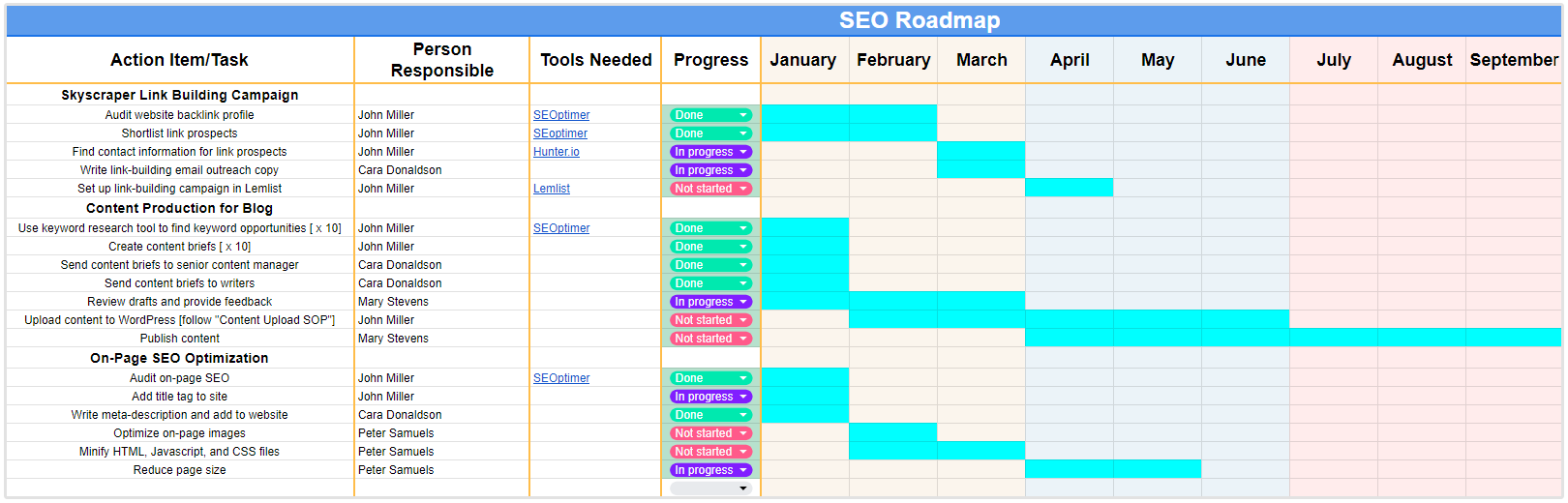
Break it into phases like technical fixes, on-page optimization, content, link building, and attach rough timelines to each.
The roadmap serves two purposes.
First, it gives your team a clear delivery plan. Second, it gives clients a visual reference they can return to whenever they're wondering what you're working on.
Update the roadmap as priorities shift. Keeping it current shows clients that the engagement is alive and intentional, not on autopilot.
4. Create a Single Source of Truth for Every Client
When information lives across emails, Slack threads, Google Docs, and spreadsheets, things fall through the cracks.
Clients ask questions that were already answered. Team members miss context. Important decisions get lost.
Fix this by creating one central location that contains the SEO roadmap, meeting notes, deliverable status, keyword targets, and reporting history.
This could be a shared folder in Google Drive, a dedicated workspace in ClickUp, or a client portal.
Whatever tool you use doesn't matter, the important part is actually keeping it updated.
When everyone knows where to find information, communication becomes much smoother.
We also assign a single point of contact for each account, so even with specialists working behind the scenes, clients always know who to call and accountability stays clear.
- Doug Darroch, Managing Director at Renaissance Digital Marketing
5. Make Client Communication Predictable
Clients shouldn't have to chase you for updates. Predictable communication is one of the highest-value things you can offer.
Set a communication cadence at the start of every engagement. This might look like:
- Monthly reports with a written summary of results, actions taken, and next steps
- Bi-weekly or monthly calls to discuss progress and address any concerns
- Ad-hoc updates for urgent issues or significant wins
It's important that you stick to the schedule.
Even if there's not much to report in a given month, showing up consistently builds trust.
Silence, on the other hand, breeds anxiety and anxious clients start looking for alternatives.
We set a communication cadence on day one of their project.
Ours is a monthly strategy call, plus real-time updates in one shared channel. Clients who know exactly when they'll hear from you don't panic-email you at 11pm asking for status updates.
- Adam Binder, Founder & CEO at Creative Click Media
In Ascend2’s 2020 Agency Trends Survey, responsiveness was the second-most desired attribute in an agency, selected by 54% of marketing professionals surveyed, just behind creativity at 55%.
6. Standardize Your SEO Processes
Scaling a client base is nearly impossible without standardized processes. When every engagement runs differently, quality becomes inconsistent and training new team members takes forever.
Build an SEO SOP (Standard Operating Procedure) for your core deliverables. This includes audits, on-page optimization, monthly reporting, link building outreach.
Standardized processes make it easier to manage SEO clients at scale because your team spends less time figuring out what to do and more time actually doing it.
7. Ask for Feedback, Celebrate Wins, and Plan the Next Phase
Make it a habit to ask for feedback throughout the engagement.
A short survey or an honest five-minute conversation can surface issues you'd never know about otherwise.
When milestones are hit, celebrate them. Reaching a top-three ranking, doubling organic traffic, or generating a record month of leads deserves acknowledgment.
Important: Share the win with the client. It reinforces the value of the work and strengthens the relationship.
Finally, always be planning the next phase. Clients who feel like the engagement is progressing and evolving are far less likely to cancel than those who feel like it's gone stagnant.
Best Tools for Managing SEO Clients
Good processes need good tools. Here's a breakdown of the best options for different parts of SEO client management.
SEOptimer: Best for SEO Delivery, Reporting, and Task Management
SEOptimer is purpose-built for SEO agencies.
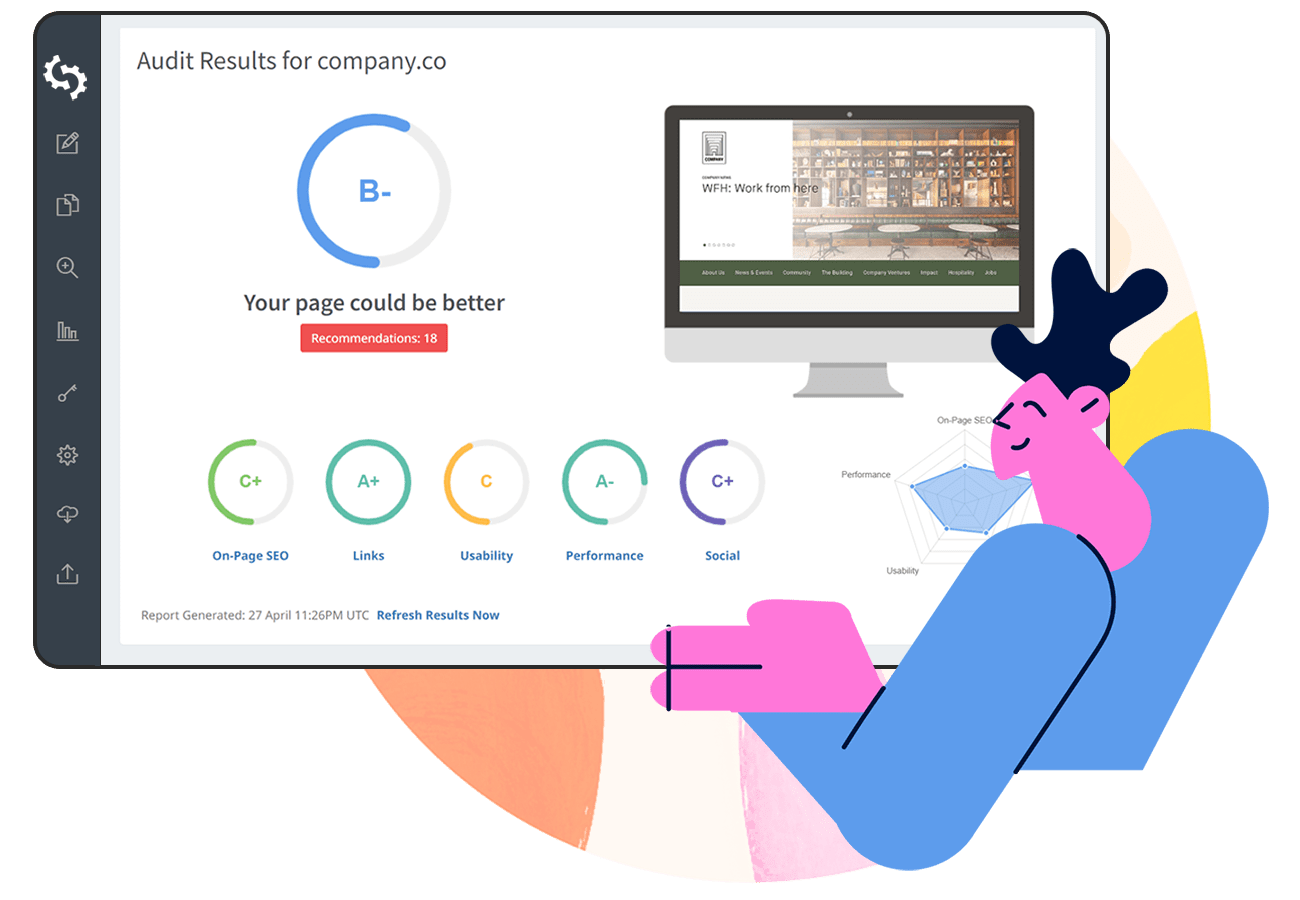
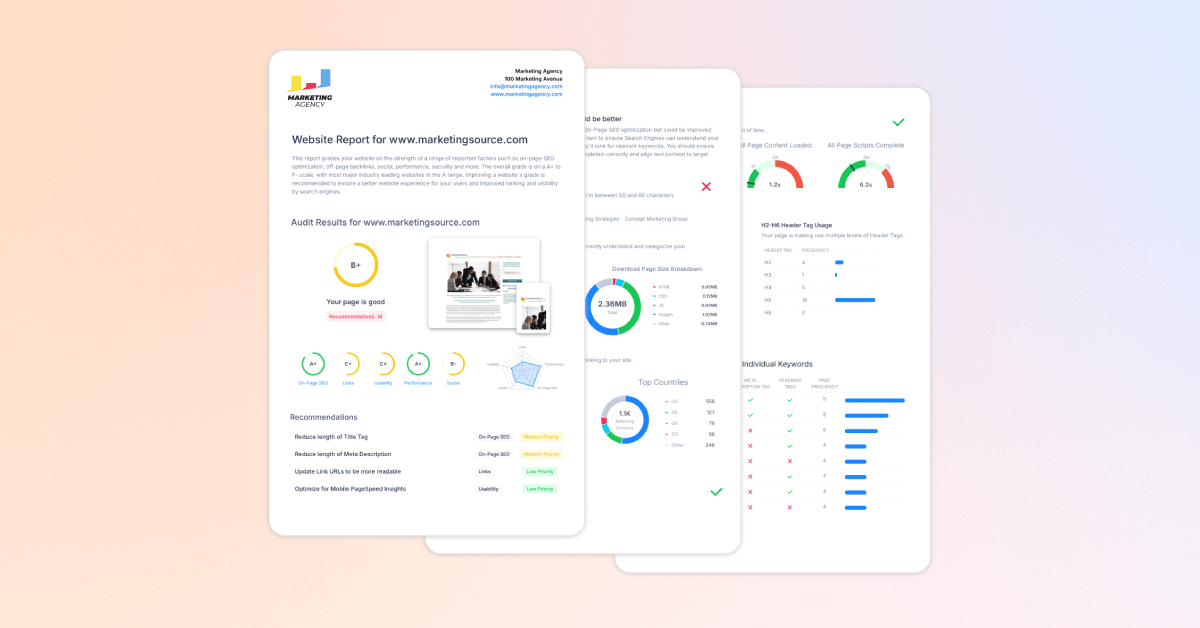
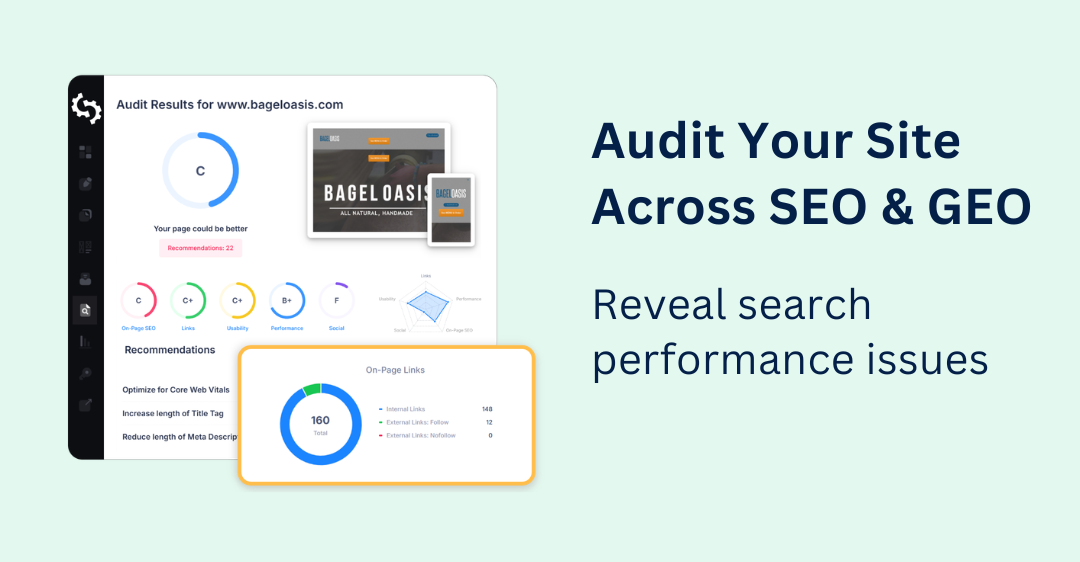
It handles the technical side of SEO client management including automated website audits, white-label reporting, and SEO task management in one platform.
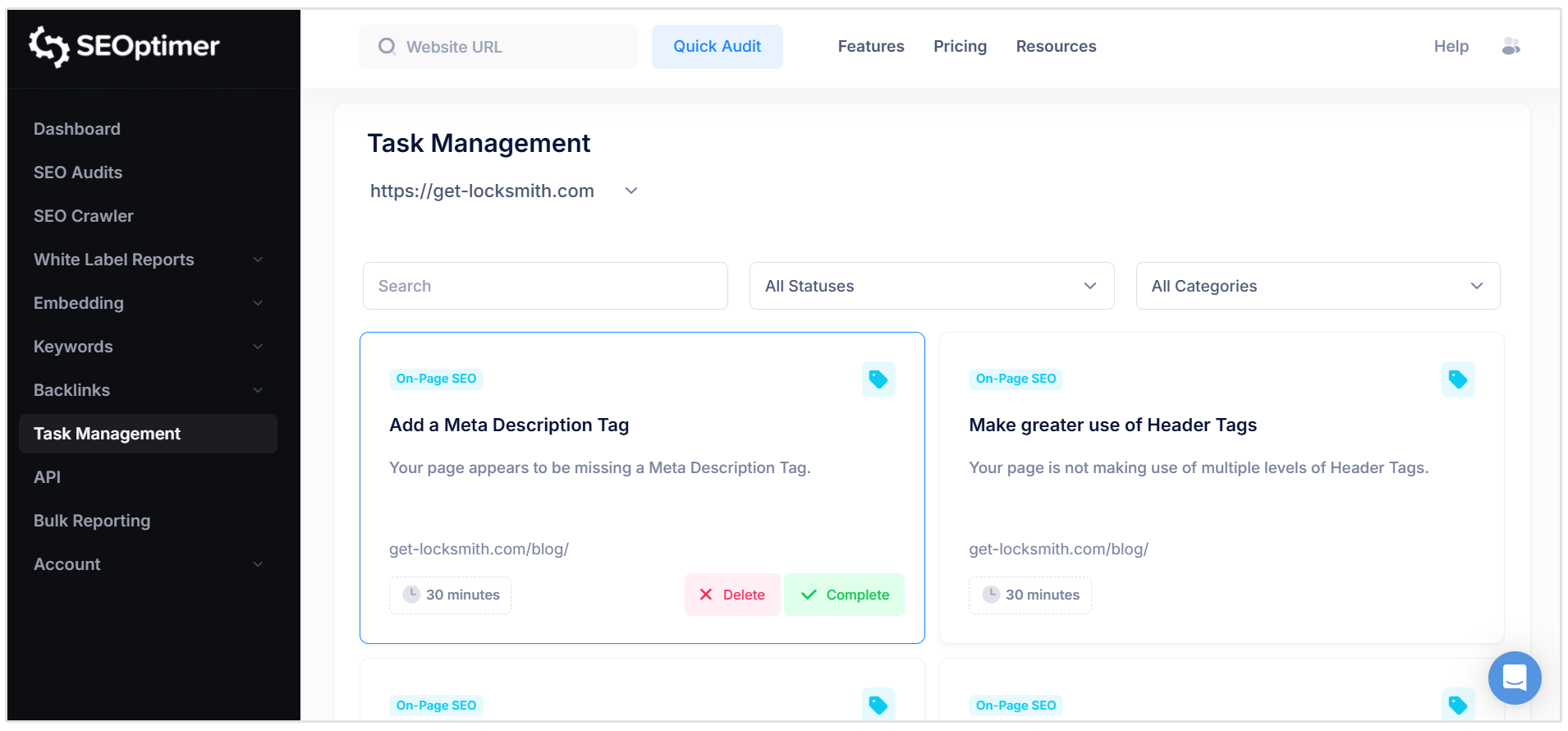
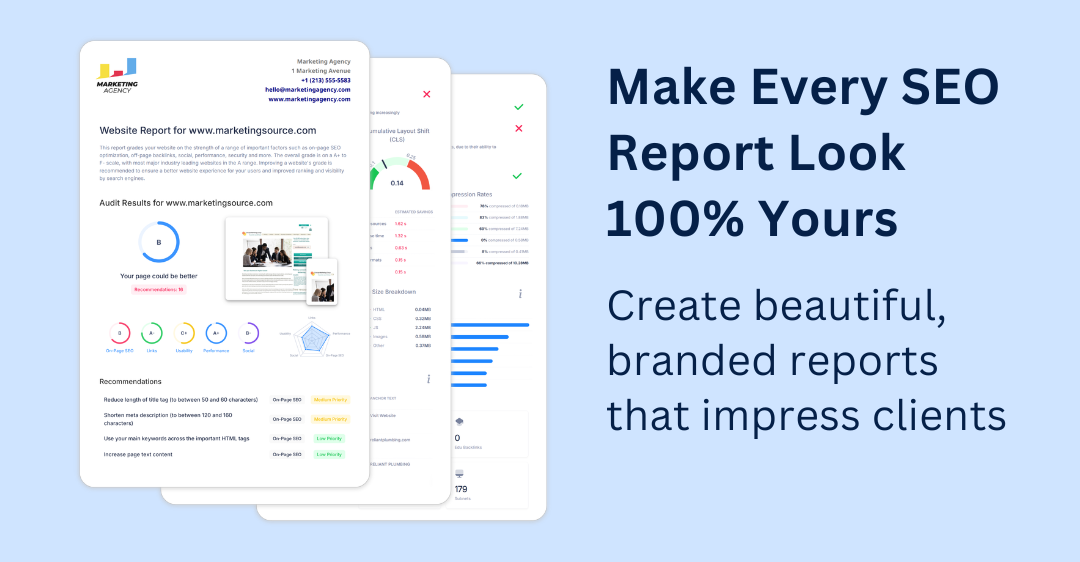
With SEOptimer, you can generate branded reports for each client, schedule automated audits, monitor rankings, and track technical issues over time.
Everything is presented cleanly, making it easy for clients to understand their results without needing an SEO background.
HubSpot or Pipedrive: Best for CRM and Client Records
A CRM is the backbone of client relationship management. HubSpot and Pipedrive both centralize client contact information, communication history, contract details, and pipeline status in one place.
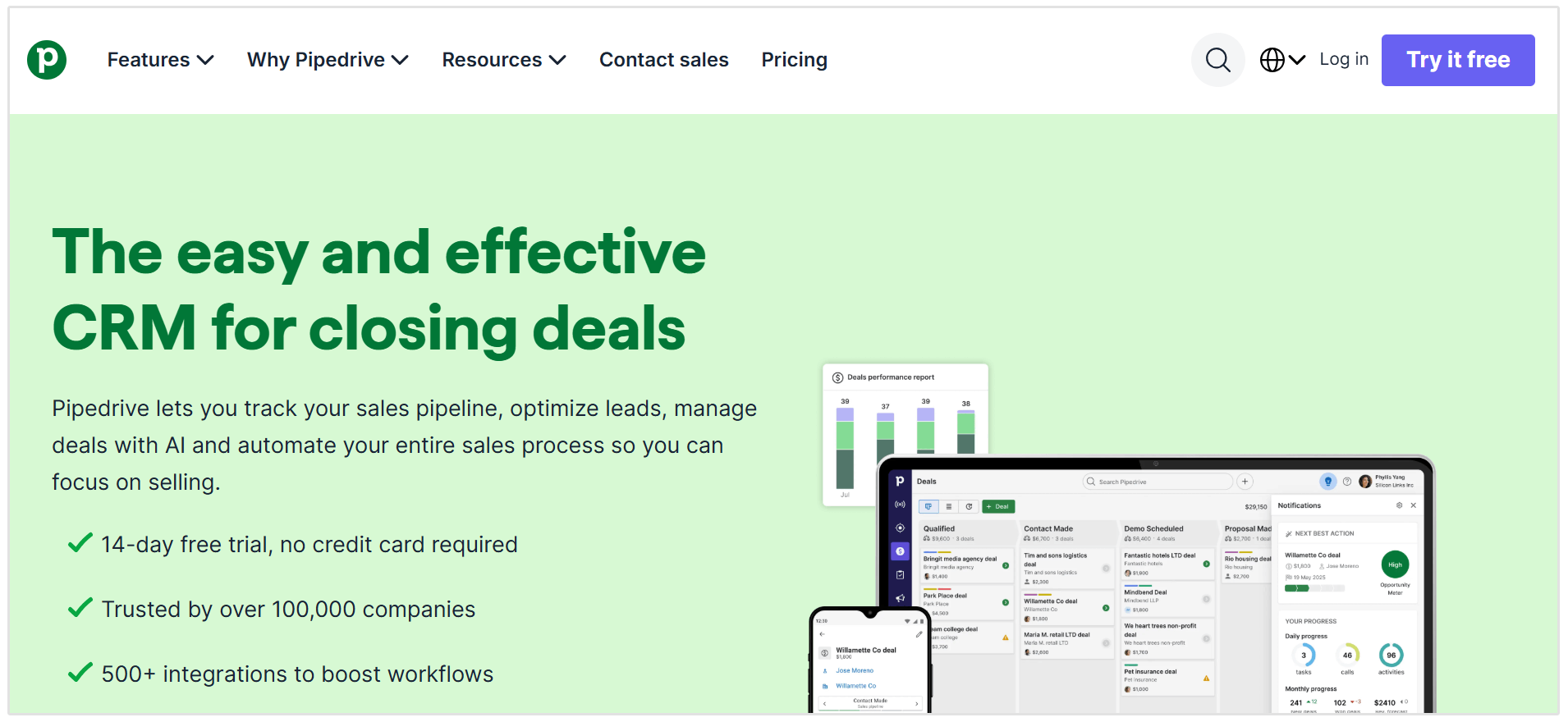
HubSpot offers a robust free tier and scales well as your agency grows. Pipedrive is leaner and better suited to agencies that want a simple, sales-focused CRM without extra complexity.
Either option ensures that no client interaction gets lost and that every team member has the context they need before jumping on a call.
ClickUp: Best for Multi-Client Project Delivery
ClickUp is a project management platform that works well for agencies handling multiple SEO clients simultaneously.
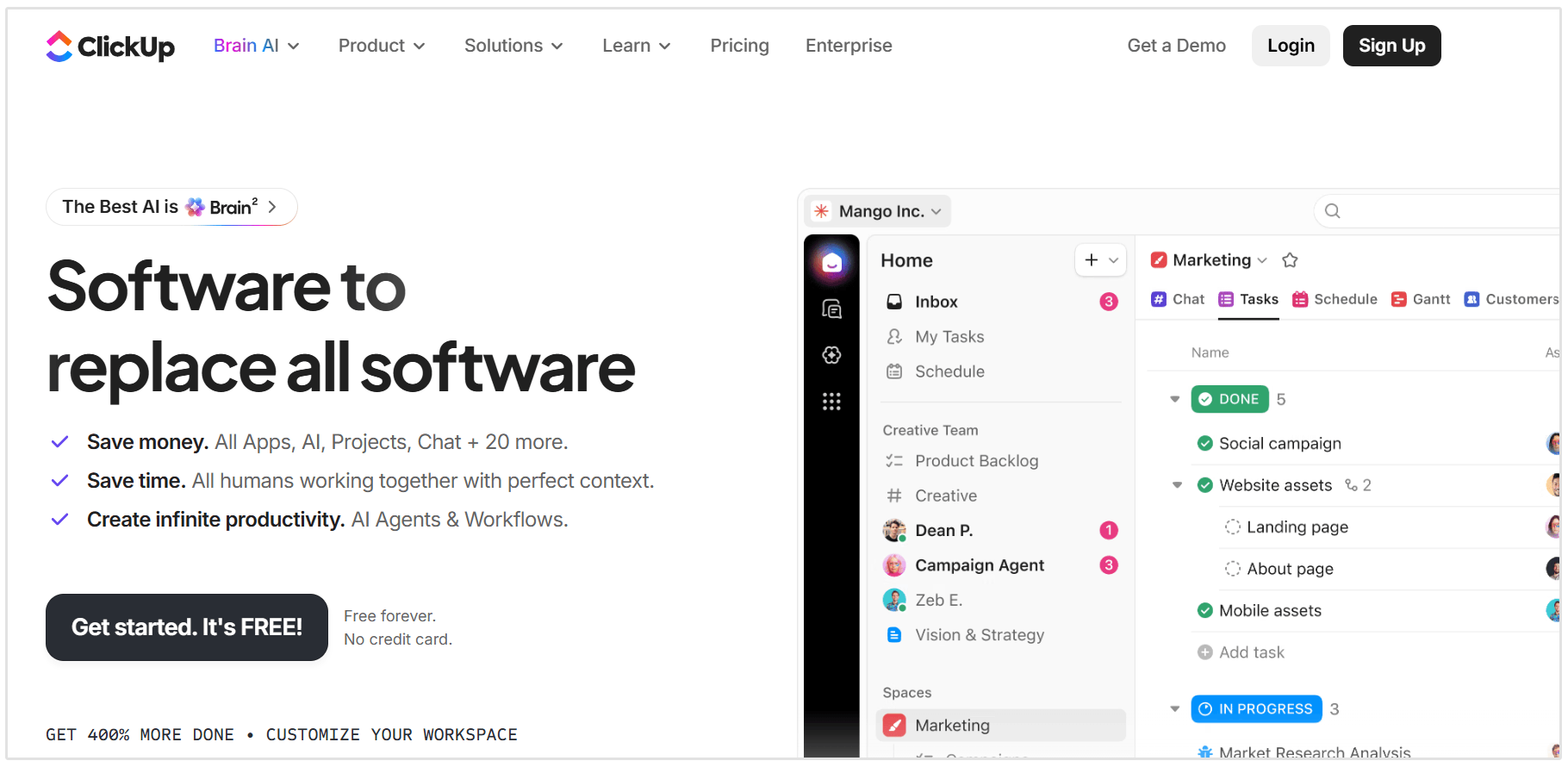
You can create separate workspaces for each client, assign tasks to team members, set deadlines, and track progress across every engagement from a single dashboard.
Gantt charts, Kanban boards, and list views make it easy to spot bottlenecks and keep delivery on track. ClickUp also integrates with most other tools agencies use, so it fits neatly into an existing workflow.
Google Workspace: Best for Client Documents, Reporting, and Approvals
Google Workspace (Docs, Sheets, Slides, and Drive) remains one of the most practical and accessible tools for day-to-day SEO client management.
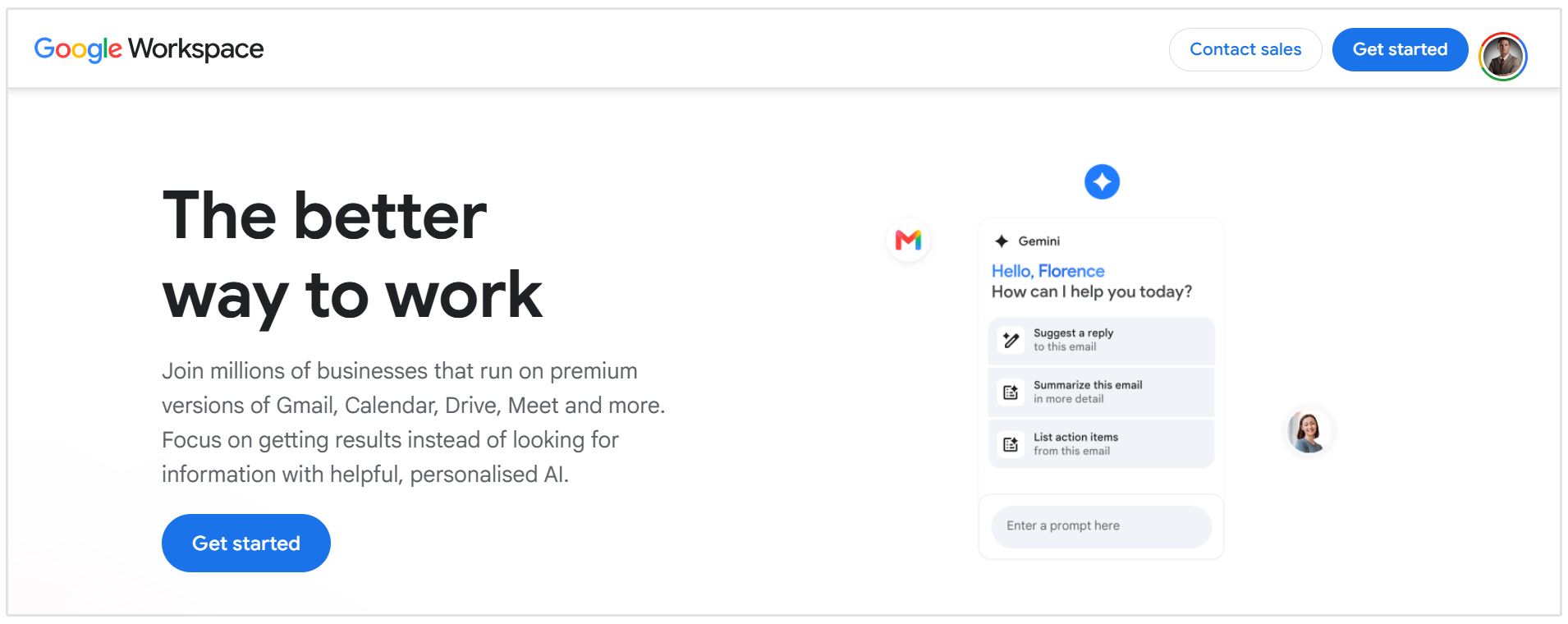
It's where most agencies draft reports, store strategy documents, and collaborate on deliverables.
The real advantage is simplicity. Clients can access shared folders without any learning curve. Approval workflows are easy to manage through commenting and version history. For agencies that want a lightweight but reliable document layer, Google Workspace is hard to beat.
Slack: Best for Internal Team Communication
Slack keeps your internal team aligned without flooding everyone's inbox.

You can create dedicated channels for each client, share updates, flag issues, and loop in the right people quickly.
Slack works best as an internal tool rather than a direct client communication channel.
Mixing client threads with team conversations tends to create confusion. Keep client-facing communication in email or your reporting platform, and use Slack to coordinate behind the scenes.
Wrapping Up
SEO client management isn't a soft skill you either have or you don't.
It's a system that's built from clear processes, consistent communication, and the right tools working together.
Agencies that manage SEO clients well retain them longer, earn more referrals, and spend less time firefighting. The ones that struggle typically have great SEO knowledge but no repeatable framework for the client-facing side of the work.
Start by auditing your current client management process. Where are the gaps? Where do clients typically disengage?
Once you've answered those questions refine your client management process.
The agencies that win long-term aren't always the best at SEO. They're the best at making clients feel informed, valued, and confident that the work is moving in the right direction.
Ready to tighten up your SEO client management process? Start with a free 14 day trial with SEOptimer and see how automated audits and white-label reporting can save your team hours every month.

Frequently Asked Questions
What is SEO client management?
SEO client management is the process of organizing, communicating with, and delivering results to SEO clients throughout an engagement.
Why do SEO clients cancel their contracts?
Clients who feel uninformed or undervalued are far more likely to churn, even when rankings are improving.
How often should I communicate with SEO clients?
At minimum, send a monthly progress report and schedule a monthly call.
More active clients or those in competitive campaigns may benefit from bi-weekly check-ins.
What should be included in SEO client onboarding?
A strong SEO client onboarding process should include a kickoff call, access to analytics and CMS platforms, a baseline audit, a 30/60/90-day plan, and a clear outline of deliverables, timelines, and communication preferences.
What tools do SEO agencies use to manage clients?
Most SEO agencies use a combination of tools: SEOptimer for audits and reporting, a CRM like HubSpot or Pipedrive for client records, ClickUp or Asana for project management, Google Workspace for documents, and Slack for internal communication.
How do I manage multiple SEO clients at once?
Managing multiple SEO clients effectively requires standardized processes, a project management tool, and a predictable communication schedule.
What's the difference between SEO client management and project management?
SEO project management focuses on task delivery. Wherease SEO client management is broader and includes the relationship layer: communication, expectation-setting, feedback loops, and retention strategy.
Both are necessary for a growing a profitable agency.