

There are several types of backlinks, here’s a list of the most important link types:
- Dofollow backlinks
- Nofollow backlinks
- Sponsored backlinks
- UGC backlinks
- Editorial backlinks
- Digital PR backlinks
- HARO backlinks
- Resource page backlinks
- Guest post backlinks
- Local citations
- Partner and testimonial backlinks
- Image and infographic backlinks
- Social media backlinks
- Forum and comment backlinks
- Author bio backlinks
- Paid links
- PBN links
- Low-quality sitewide links
- Excessive reciprocal links
Backlinks are one of the most powerful ranking signals in SEO.
But here's the thing, the type of backlink matters just as much as the quantity.
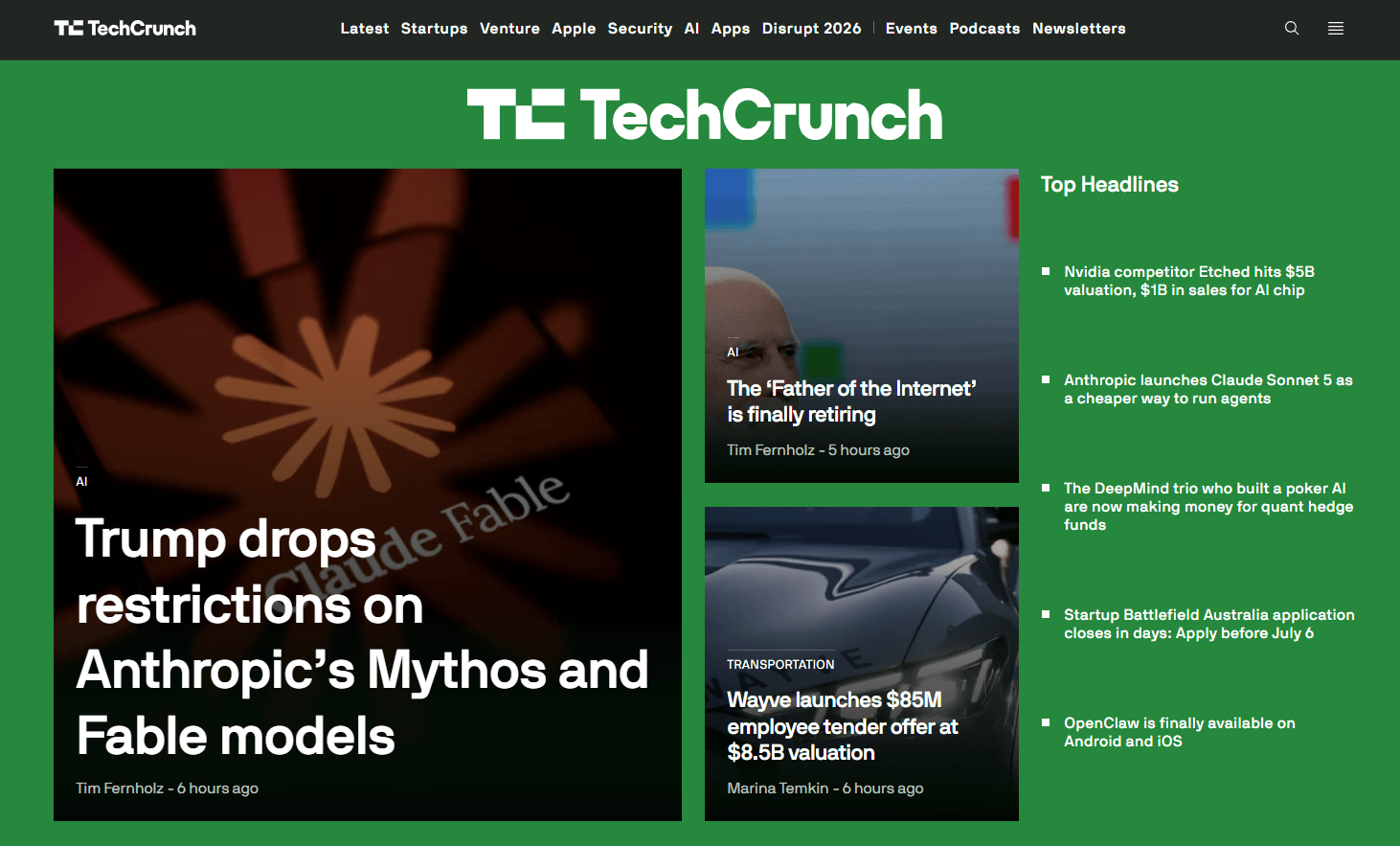
To give you an example, one editorial link from a reputable publication like the New York Times or TechCrunch (in the case of tech) can outperform hundreds of low-quality directory links.
So how do you know which types of backlinks to pursue, which to focus on less, and which to just avoid?
This guide breaks down all of the most important and relevant types of backlinks in SEO. We share what they are, why they matter, and how they affect your rankings.
What Makes a Backlink Valuable?
Relevance
A backlink from a website that covers the same topic as yours carries far more weight than one from an unrelated niche.
For instance, image for a moment that you have an online store selling exercise gear for home workouts.
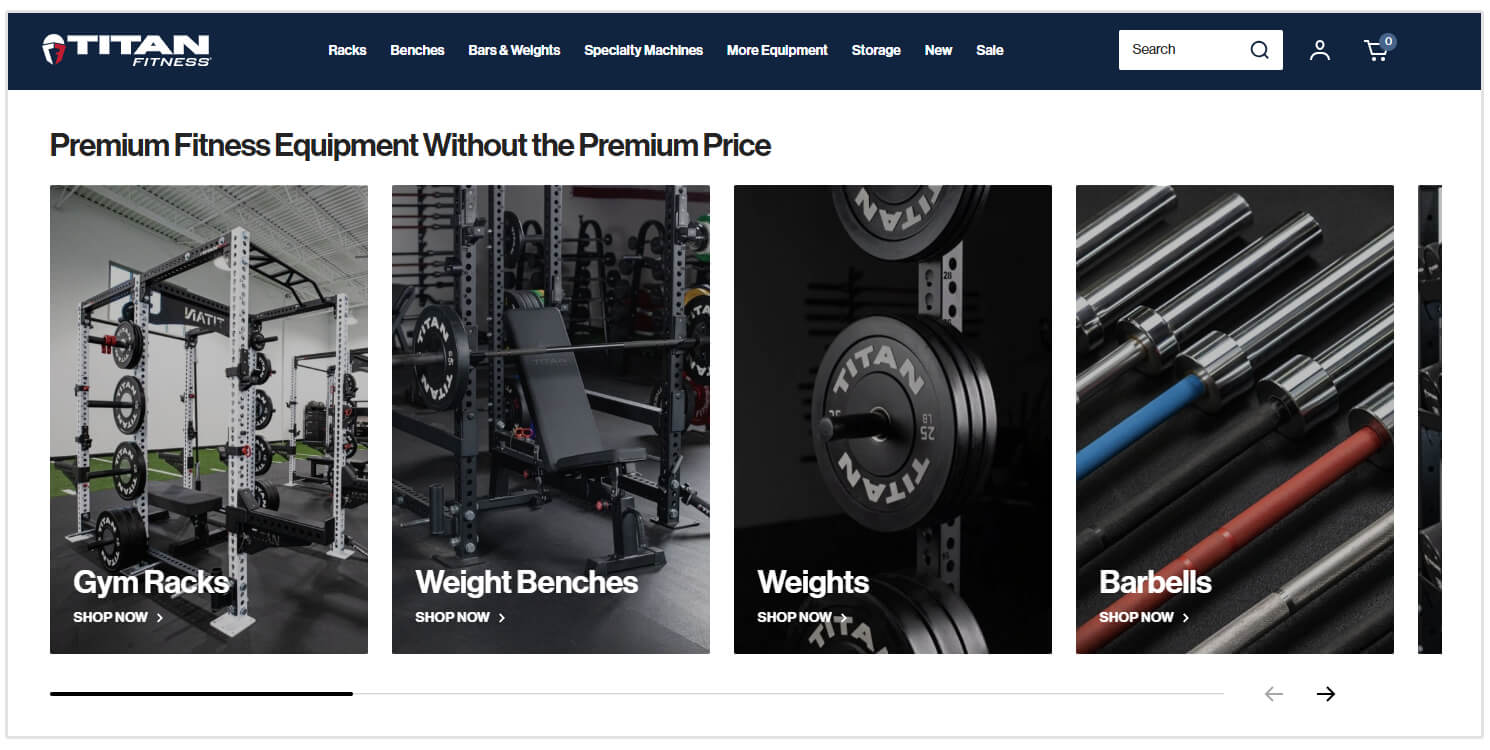
A link to your store from a health and wellness publication makes sense.
But a link from a cybersecurity blog does not really fit well with your exercise store.
Link Position on Page
Where a link sits on a page affects how much authority it passes.
A contextual link embedded naturally within the body of an article is significantly more valuable than a link buried in a footer or crammed into a sidebar widget.
Link location signals that a human writer chose to include your link because it added value to the content and not because it was auto-generated or paid for.
Context
Anchor text and surrounding content give search engines additional information about what your linked page is about.
A backlink with descriptive anchor text like "ceramic cookware set" tells Google exactly what it can expect on the destination page.
Whereas, generic anchor text like "click here" provides no additional context and carries less SEO value.
Referral Traffic Potential
The best backlinks pass authority and send real visitors to your site.
A link from a high-traffic blog post in your niche can drive consistent referral traffic for months or years.
When evaluating link opportunities, always consider whether the linking page has an engaged audience that's likely to click through.
Types of Backlinks by Link Attribute
1. Dofollow Backlinks (Standard Links)
A dofollow backlink is the standard link type.
It contains no special attribute, just a clean HTML anchor tag.
Here’s what a dofollow link looks like in HTML:
<a href="https://seoptimer.com/seo-audit">SEO audit tool</a>
By default, search engines follow dofollow links, crawl the destination page, and pass PageRank (also known as link juice) from the linking page to the linked page.
These are the types of backlinks that directly contribute to improved search rankings.
Most link building strategies focus primarily on earning dofollow links from authoritative, relevant websites.
A strong dofollow backlink profile is one of the clearest signals to Google that your content is trustworthy and worth ranking.
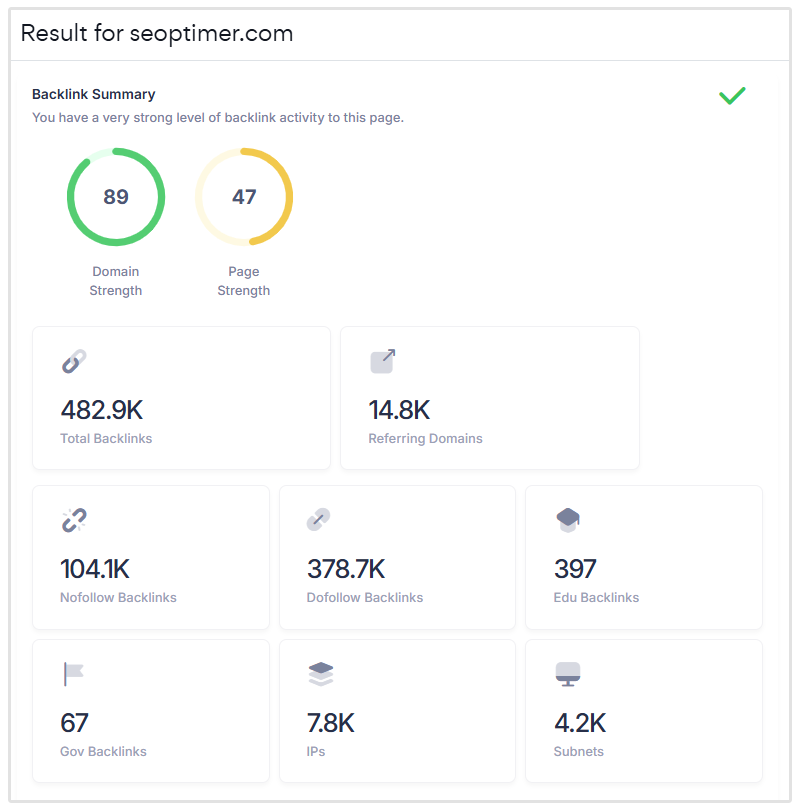
Want to know how many dofollow links you have? Use SEOptimer's Free Backlink Checker to see how many and what your site's dofollow-to-nofollow ratio is.
2. Nofollow Backlinks
A nofollow backlink includes the rel="nofollow" attribute in its HTML code.
This attribute was introduced by Google in 2005 to combat comment spam.
It instructs search engines not to follow the link or pass PageRank to the destination page.
That said, nofollow links aren't worthless.
They can drive referral traffic, increase brand awareness, and contribute to a diverse, natural-looking link profile.
Having a backlink profile that consists only of dofollow links can actually look suspicious to search engines. A healthy mix of dofollow and nofollow links is what a natural link profile looks like.
3. Sponsored Backlinks
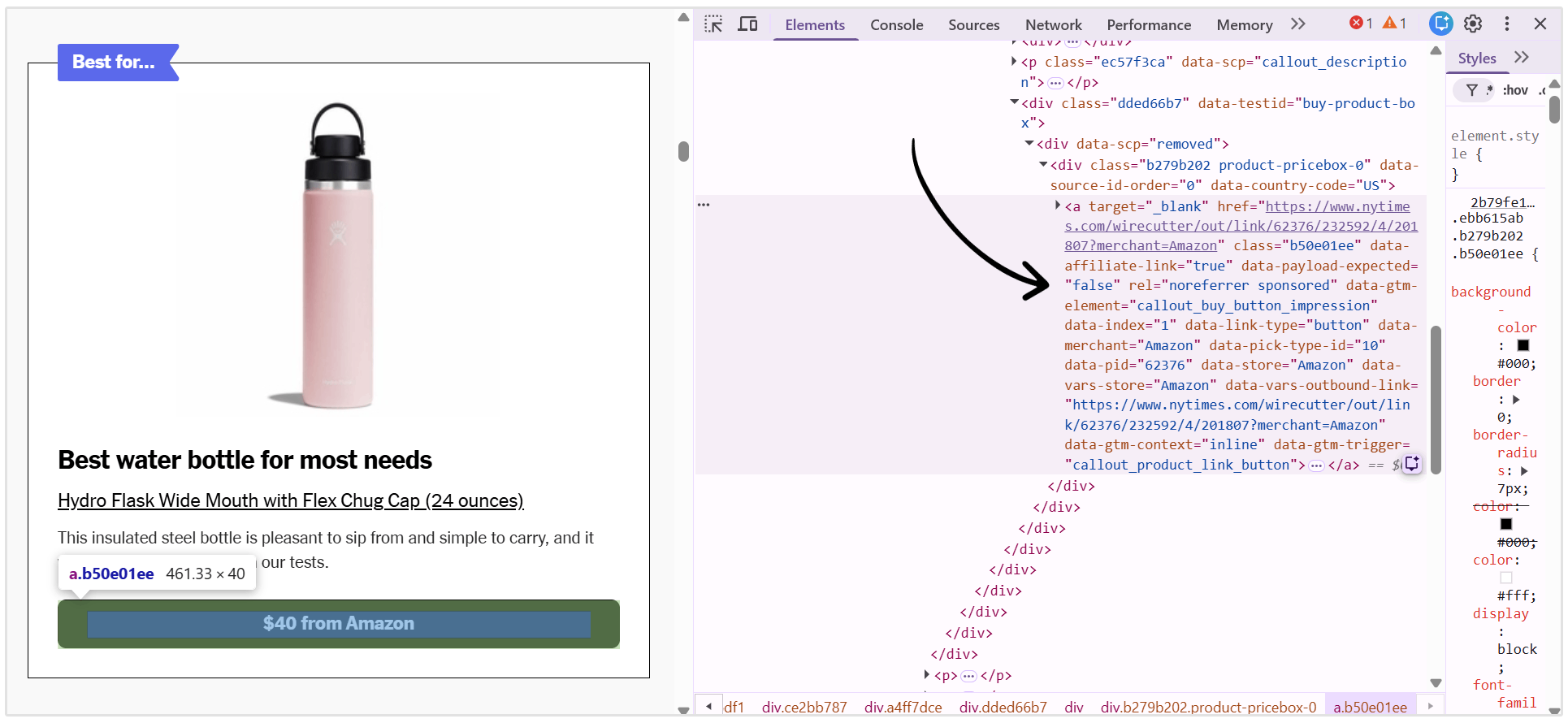
The rel="sponsored" attribute was introduced by Google in 2019 to more clearly identify paid link placements.
If you pay for a link, that link should use the sponsored attribute rather than passing as a natural dofollow link.
It's common for affiliate sites and review sites to use the sponsored backlink type when linking to the seller's site.
For instance, check the below screenshot of a sponsored link in a post from Wirecutter on the best water bottles.
Using sponsored links without the proper attribute violates Google's spam policies.
Sponsored links don't pass PageRank, so their primary value lies in referral traffic and brand visibility rather than direct ranking improvements.
4. UGC Backlinks
UGC stands for user-generated content.
Links in comment sections, forum posts, and community discussions should carry the rel="ugc" attribute to signal to search engines that the link was created by a user, not editorially placed by the site's owner.
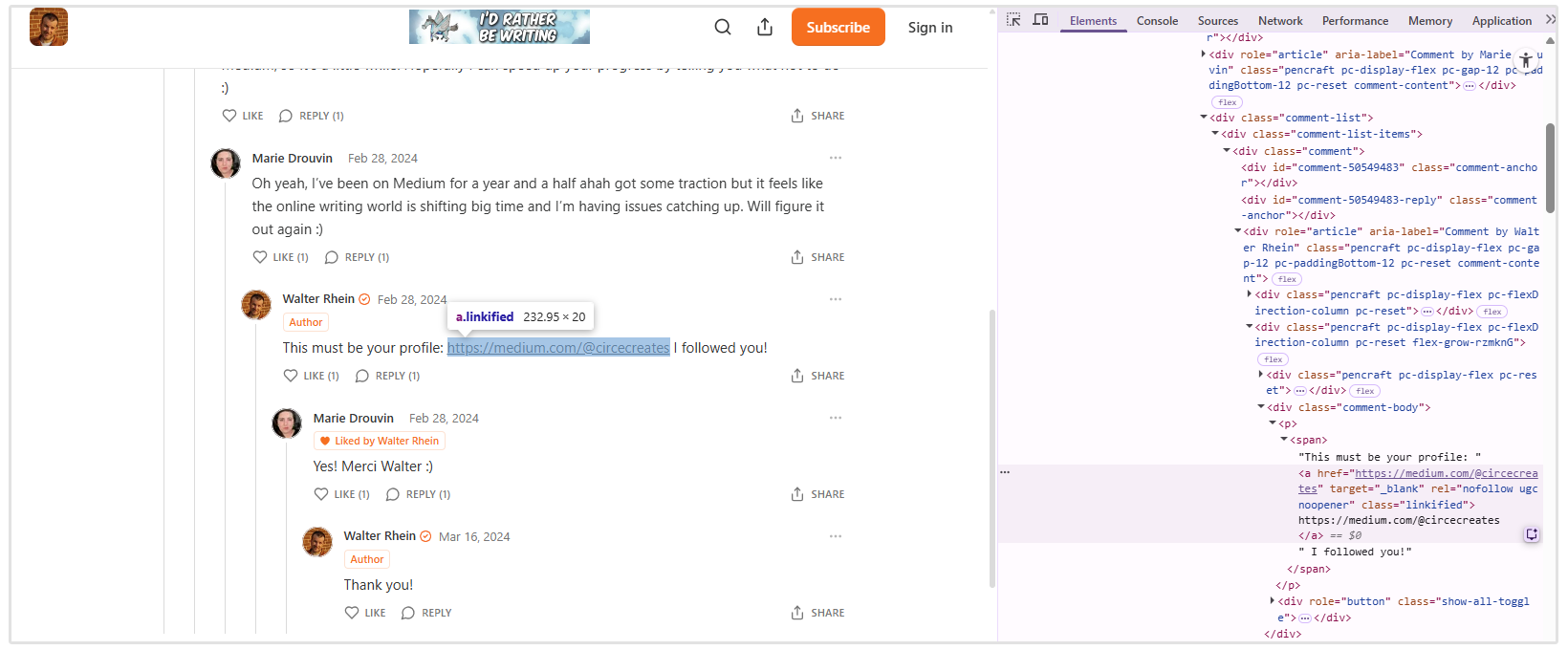
UGC links don't pass authority, but they can still serve a purpose in building brand awareness and driving traffic from engaged online communities.
Types of Backlinks Worth Earning
These are the backlink types that SEO professionals should go after.
They tend to be dofollow, editorially placed, and contextually relevant.
5. Editorial Backlinks
Editorial backlinks are the gold standard of link building.
They're earned naturally when another website cites your content, site or business as a reference because it's genuinely valuable, accurate, or insightful.
You can't buy these types of links and so by definition, they have to be earned.
Here’s an example of a strong editorial backlink in Slack’s blog post about how Caraway uses the software within its organization.
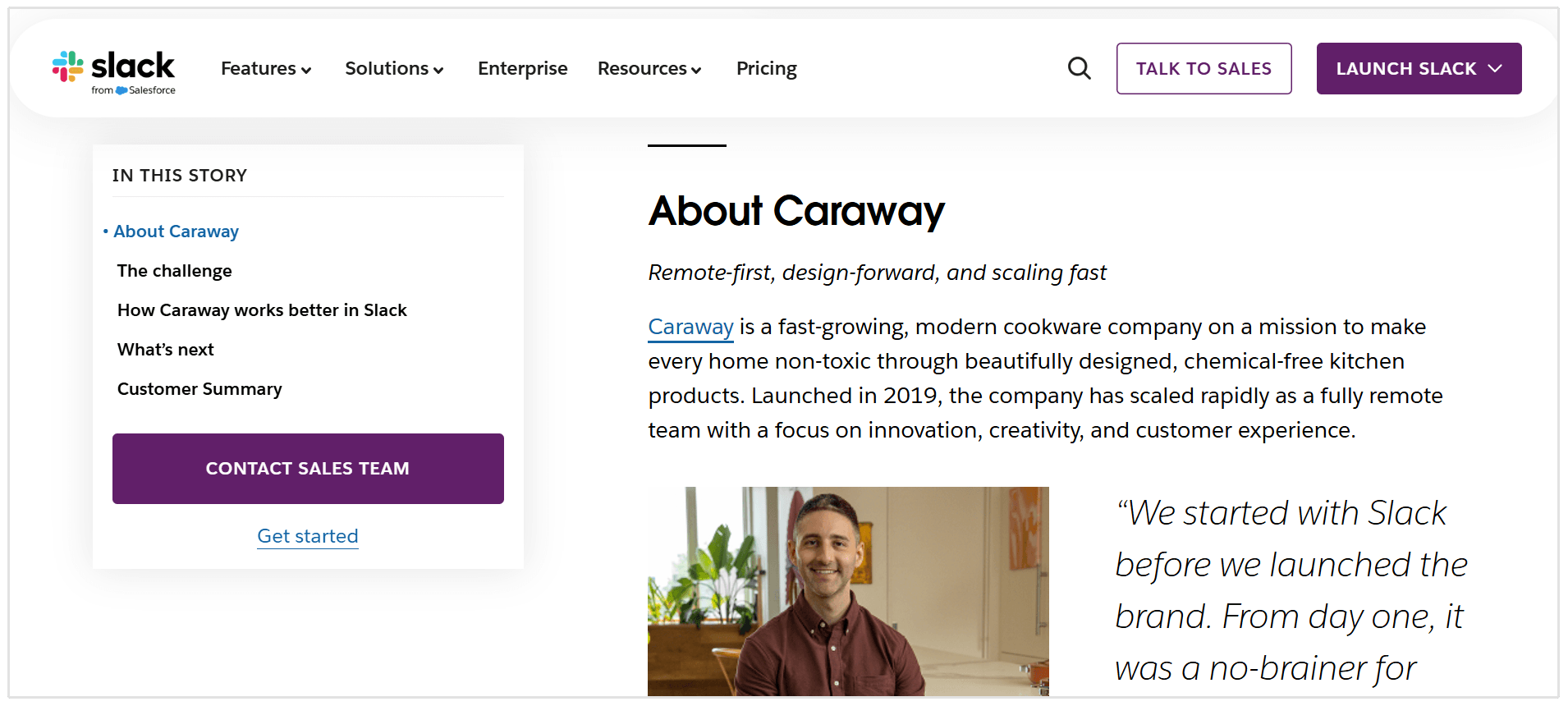
An editorial link like this from a high-quality domain such as Slack can be very beneficial for your backlink profile because it is placed naturally within useful content and gives readers a clear reason to learn more about the business being mentioned.
The best way to attract them is to publish content that other writers want to reference: original research, detailed statistics, expert interviews, or linkable assets that serve as an authoritative resource in your niche.
6. Digital PR Backlinks
Digital PR backlinks are earned through media coverage.
When a journalist, editor, or publication features your brand in an article and links back to your site, that's a digital PR backlink.
These links often come from high-authority news sites and industry publications, making them exceptionally valuable.
Effective digital PR campaigns typically involve pitching newsworthy stories, publishing original research that media outlets will want to cover, or issuing press releases about significant company developments.
7. HARO Backlinks
HARO (Help a Reporter Out) and similar platforms like Qwoted connect journalists with expert sources.
When a reporter needs a quote or insight for an article, they post a request, and experts respond with a pitch. If the journalist or writer uses your quote, they typically link back to your website as the source.
These types of backlinks are valuable because they come from legitimate publications and are earned purely on the merit of your expertise.
Here's an example of this from a blog post on the SEOptimer site. We asked some founders and marketers on their top tips for growing their digital agencies. We selected this quote from Ben Duffy at Quirky Digital because he gave some insights and tips that our readers will find useful.
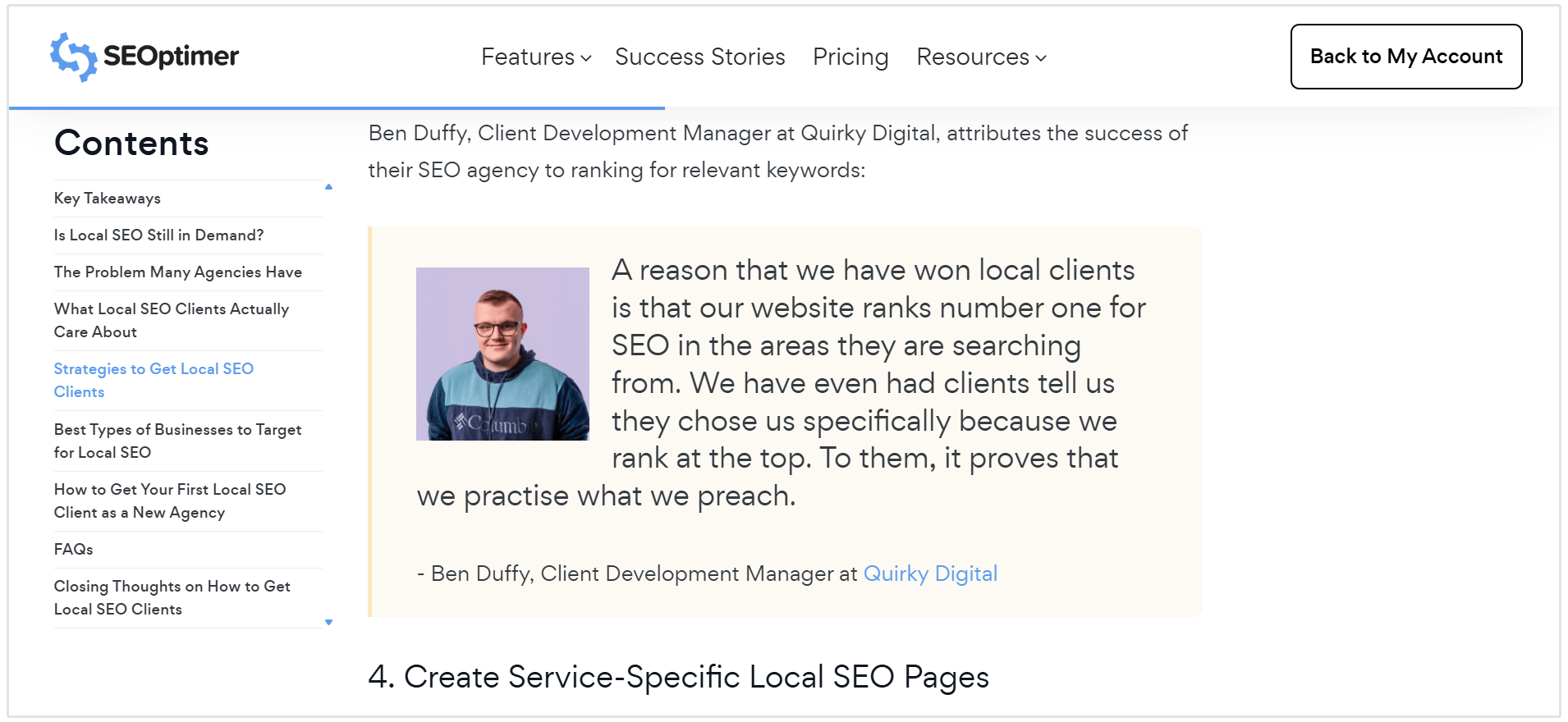
The ideas is that you do the same as Ben by trying to get featured on relevant sites.
The competition for getting selected can be intense, so writing concise, specific, and well-sourced responses gives you the best chance of being cited.
8. Resource Page Backlinks
Resource pages are curated lists of helpful links on a specific topic like "best tools for freelance writers" or "top resources for going vegetarian."
Getting your content listed on a relevant resource page earns you a contextual link that can drive steady referral traffic for years.
The strategy for earning resource page backlinks is straightforward: identify relevant resource pages in your niche, create content that genuinely adds value to that list, and reach out to the page owner with a personalized pitch explaining why your resource belongs there.
9. Guest Post Backlinks
Guest posting involves writing an article for someone else's website and including a link back to your own.
It's one of the most widely used link building tactics because it combines content creation with relationship building.
The most valuable guest post links are those placed contextually within the body of a well-written article and not stuffed into an author bio at the bottom of a low-quality post.
Google has warned against large-scale, low-quality guest posting campaigns, so the focus should always be on writing genuinely useful content for relevant, authoritative websites.
Guest post bio links (those placed in the author bio rather than within the article content) carry less weight but are still widely used for building brand awareness and driving traffic.
Related Reading: 200 Free Guest Posting Sites for Link Building (Verified)
10. Local Citation and Business Listing Backlinks
For local businesses, citations and directory listings are a foundational part of the backlink strategy.
Creating a profile on Google Business Profile, Yelp, industry-specific directories, and local business listings builds NAP (Name, Address, Phone number) consistency across the web.
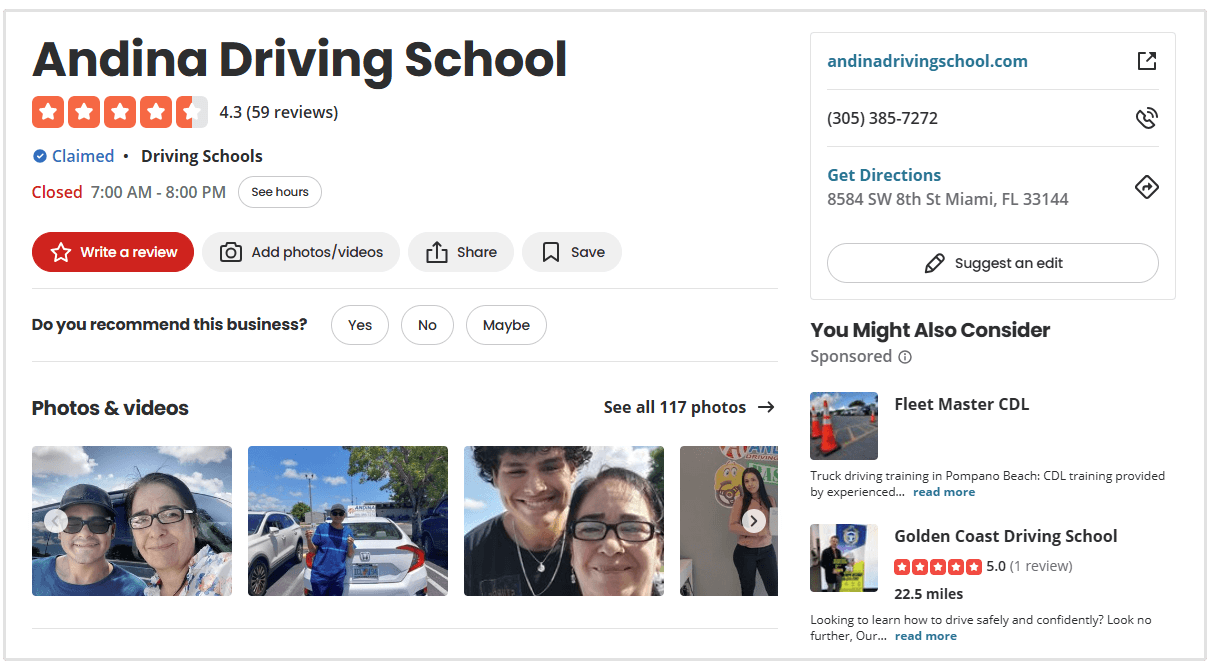
These link types won't dramatically move rankings on their own, but they establish your business's credibility and make it easier for both search engines and potential customers to find accurate information about you.
SEOptimer’s Local SEO Audit can help you get a clearer overview of your local visibility and the listings that matter most.
It checks key local SEO signals, including your Google Business Profile, Yelp, Bing, and other listings. The local audit also checks business information, reviews, and on-page optimisation factors.
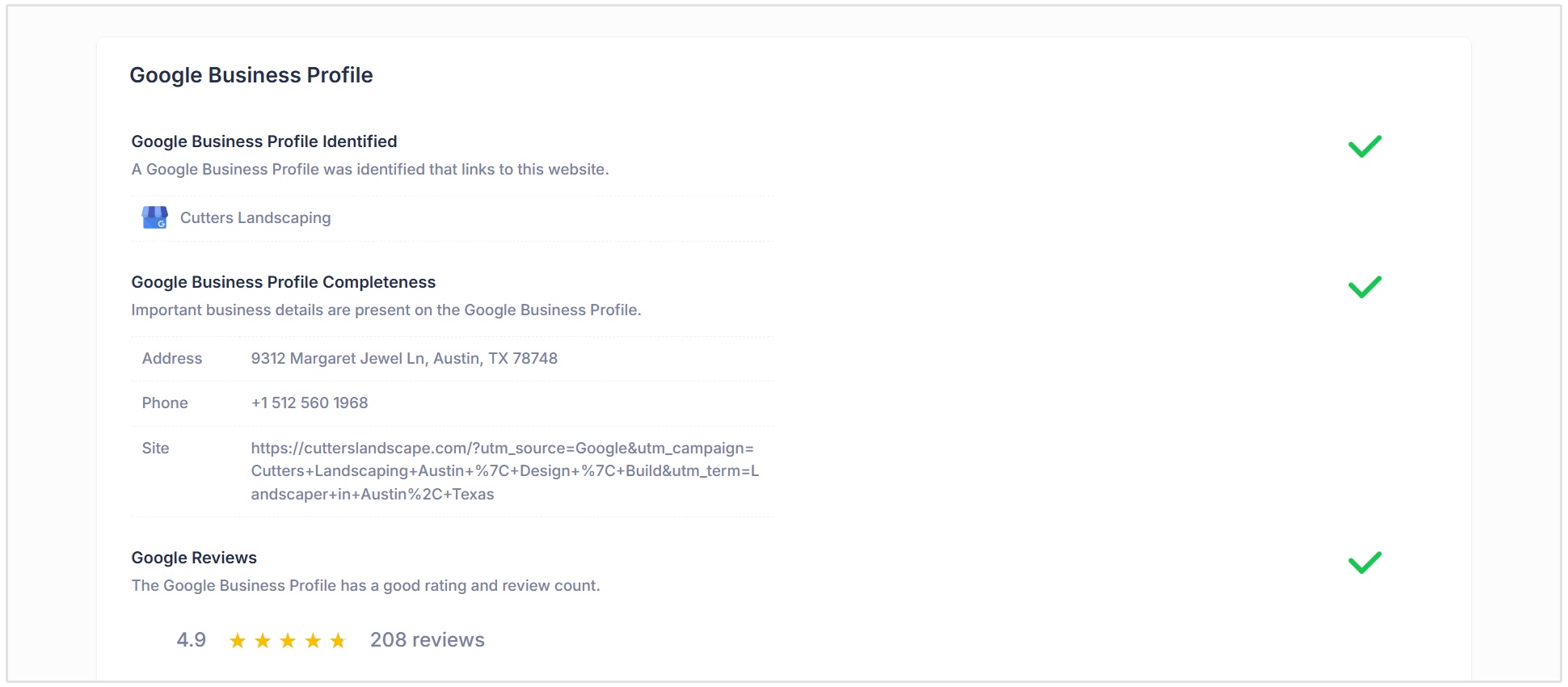
You can use these insights to identify missing or inconsistent listings, strengthen your presence in local search results, and make sure customers find the right business details wherever they are searching online.
11. Partner and Testimonial Backlinks
When you write a genuine testimonial or review for a product or service you use, the company often publishes it on their website with a credit link back to yours.
Here's an example of this on our site's Success Stories page. This particular example is of a testimonial from Archmark on how they use SEOptimer within their marketing agency:
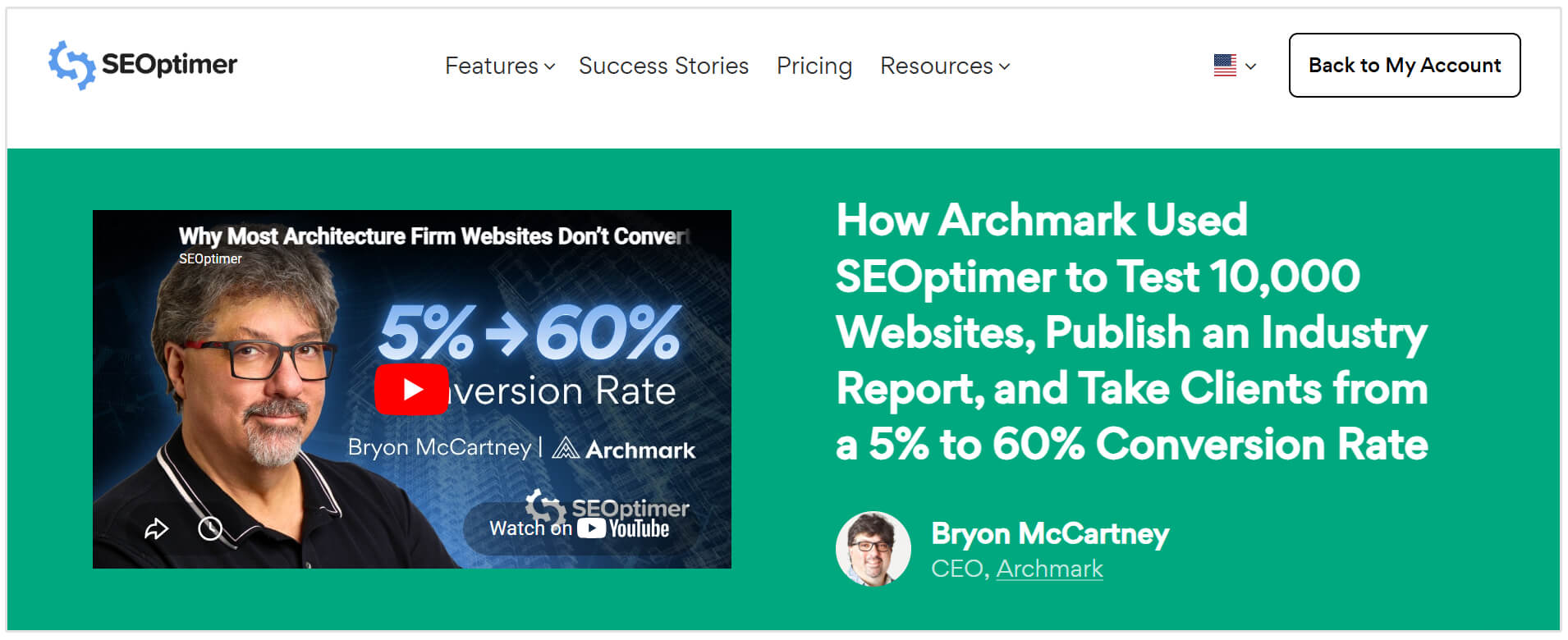
This is a simple, low-effort way to earn a contextual backlink from a relevant, authoritative site.
The key word here is genuine.
Google's guidelines make clear that exchanging testimonials purely for backlink purposes crosses into link scheme territory. But if you legitimately use and value a product in your industry, writing an honest testimonial is a perfectly natural way to earn a link.
12. Image and Infographic Backlinks
When you create an original graphic, chart, or infographic that other websites use in their content, they'll typically credit you with a link to the original source.
Infographics that visualize complex data or processes tend to attract the most natural links because they're easy to embed and add visual value to any article.
Backlink Types that are Lower Priority
These backlink types aren't harmful, but they shouldn't be the focus of your link building strategy. They offer limited SEO value and are often nofollow, but they can contribute to a diverse link profile and drive referral traffic.
13. Social Media and Profile Backlinks
Links from social media platforms like LinkedIn, Facebook, Instagram, and YouTube are almost always nofollow. They don't pass PageRank.
However, they do drive referral traffic, increase brand visibility, and contribute to a natural-looking backlink profile.
Profile links—those included in your bio or profile section on professional networks, community platforms, and online directories—follow a similar pattern. They're easy to create and help establish your presence across the web, but they shouldn't be treated as a core link building tactic.
14. Forum, Community, and Comment Backlinks
Participating in forums, Q&A sites like Quora, and community platforms can earn you backlinks if you link to relevant content in your responses.
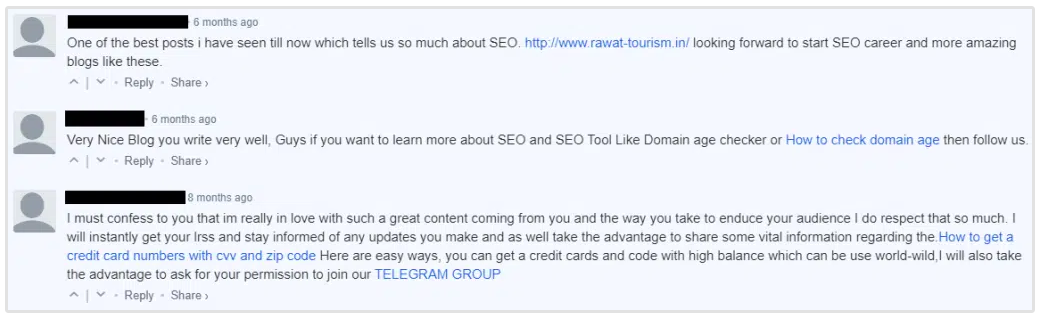
These links are almost always nofollow or UGC-tagged, and their primary value is referral traffic from users who are actively looking for answers.
Note: these links must be genuinely helpful.
Dropping links into forum threads purely for SEO purposes is considered spam by Google and can damage your reputation in the community and might get you banned.
The approach that works is adding real value first, then linking to relevant content when it naturally supports your answer.
15. Author Bio Backlinks
When you contribute articles to external publications, most will include an author bio at the end with a link back to your website.
These bio links are typically nofollow and sit outside the main body content, which limits their SEO value compared to in-text editorial links.
That said, author bio links from high-authority publications can still drive meaningful referral traffic and contribute to brand visibility. Use branded anchor text in author bios rather than keyword-rich phrases to keep the link profile looking natural.
Backlink Types to Avoid
These backlink types tend to violate Google's spam policies.
Using them puts your site at risk of manual penalties, algorithmic devaluation, or both. The potential short-term gains are never worth the long-term risk.
16. Paid Links
Buying dofollow backlinks is a direct violation of Google's Webmaster Guidelines. This includes paying for guest posts where the primary purpose is the link, not the content.
If you work with publishers on sponsored content, those links must carry the rel="sponsored" attribute.
Any attempt to disguise paid links as organic editorial endorsements is considered link spam.
17. Private Blog Network (PBN) Links
A Private Blog Network is a group of websites created specifically to build links to a single "money" site. The sites in a PBN are owned and controlled by one entity, and the links they pass are artificial by design.
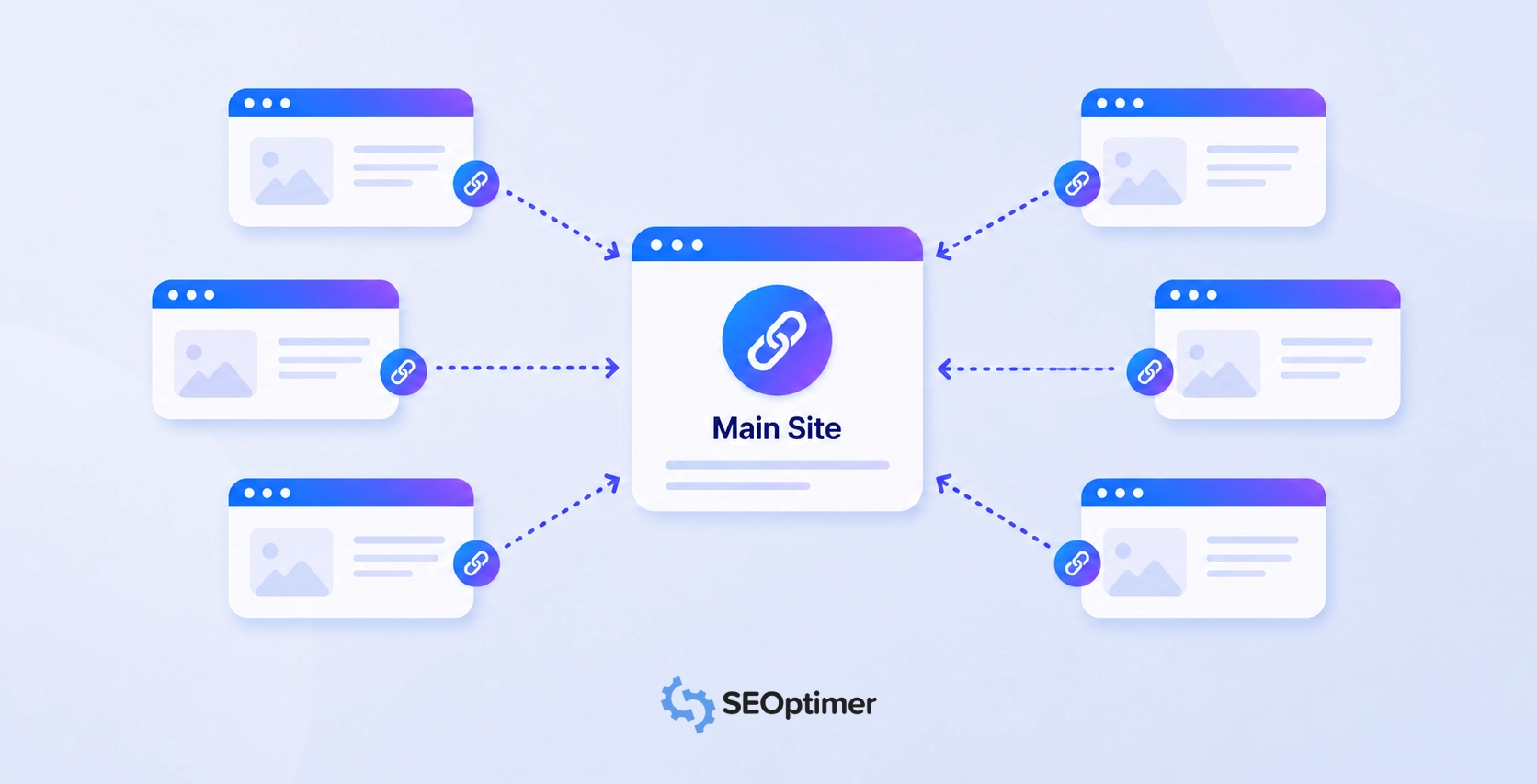
PBN links can deliver short-term ranking boosts, which is why some SEOs still use them.
But Google's algorithms have become increasingly sophisticated at detecting PBN footprints—things like shared hosting, similar content patterns, or overlapping ownership signals.
When a PBN is detected, the consequences can include complete deindexation of the money site. It's just not a risk worth taking.
18. Low-Quality Sitewide Links
Sitewide links appear in the footer, sidebar, or navigation of every page on a website.
When used legitimately like when a web developer includes a small "built by" credit, they're generally harmless.
But when used as a link building tactic, sitewide links generate an unnatural number of links from a single domain and can trigger spam filters.
Google treats excessive sitewide links as manipulative. A single website linking to yours from 5,000 pages is not the same as 5,000 individual websites linking to you—and Google knows the difference.
19. Excessive Reciprocal Links
Reciprocal linking ("I'll link to you if you link to me") is explicitly listed in Google's link spam guidelines as a link scheme when done excessively.
A few natural reciprocal links between genuinely related websites are normal and harmless. Dozens of them, especially with keyword-rich anchor text arranged through formal agreements, are a red flag.
The test is intent. If the only reason you're linking to a site is to receive a link in return, it's a link scheme.
If two relevant websites link to each other because their content genuinely complements each other's, that's natural.
Related Reading: Backlink Exchange: How to Build Links without Getting Penalized
How to Monitor Your Backlink Profile
Understanding which types of backlinks you're earning is just as important as actively building links. A healthy backlink profile takes time to build and can be damaged quickly if toxic links go unnoticed.
SEOptimer's Backlink Research tool gives you a complete picture of any site's backlink profile, including referring domains, anchor text distribution, and dofollow vs. nofollow ratios.
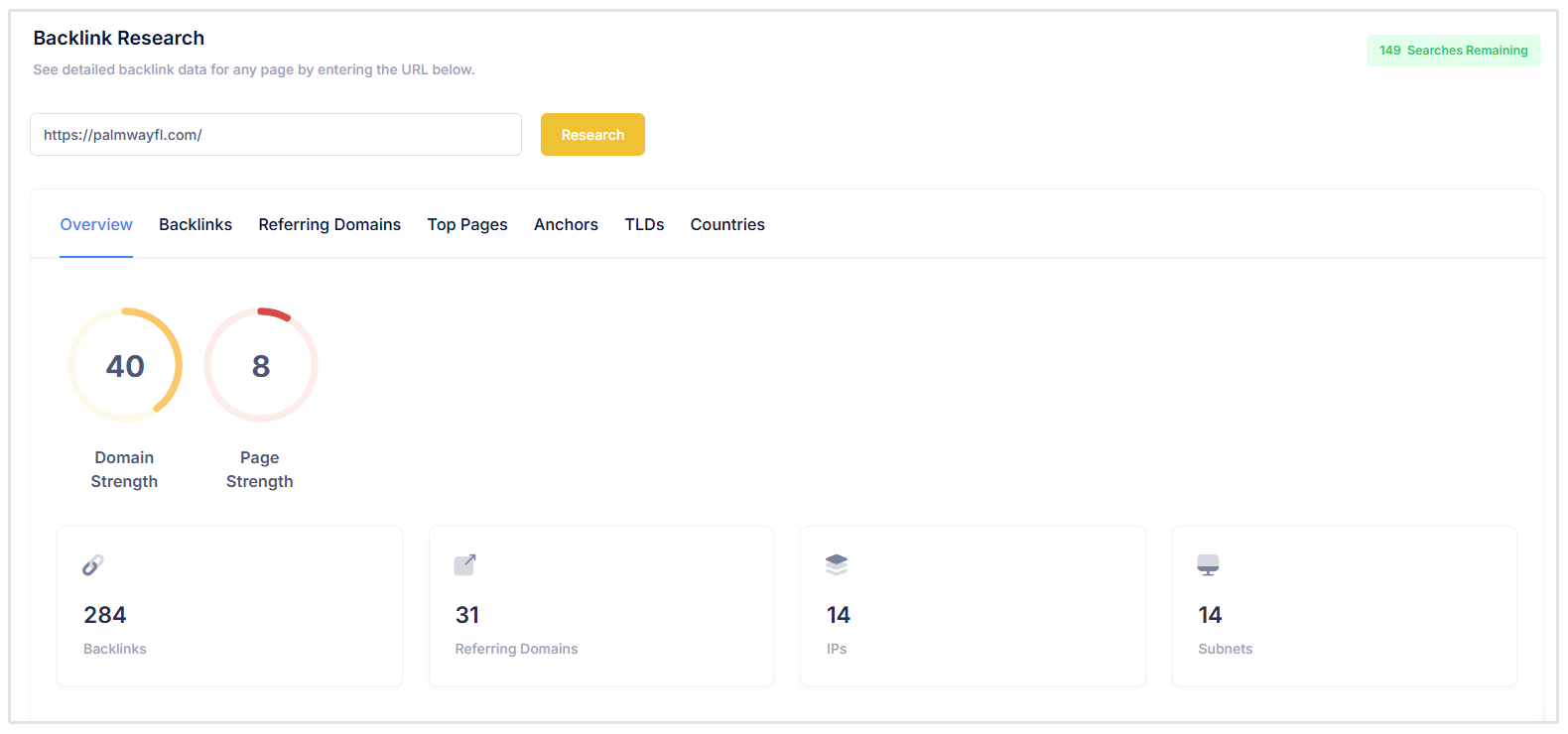
Use it to benchmark your own site, analyze competitors, and identify link building opportunities you might have missed.
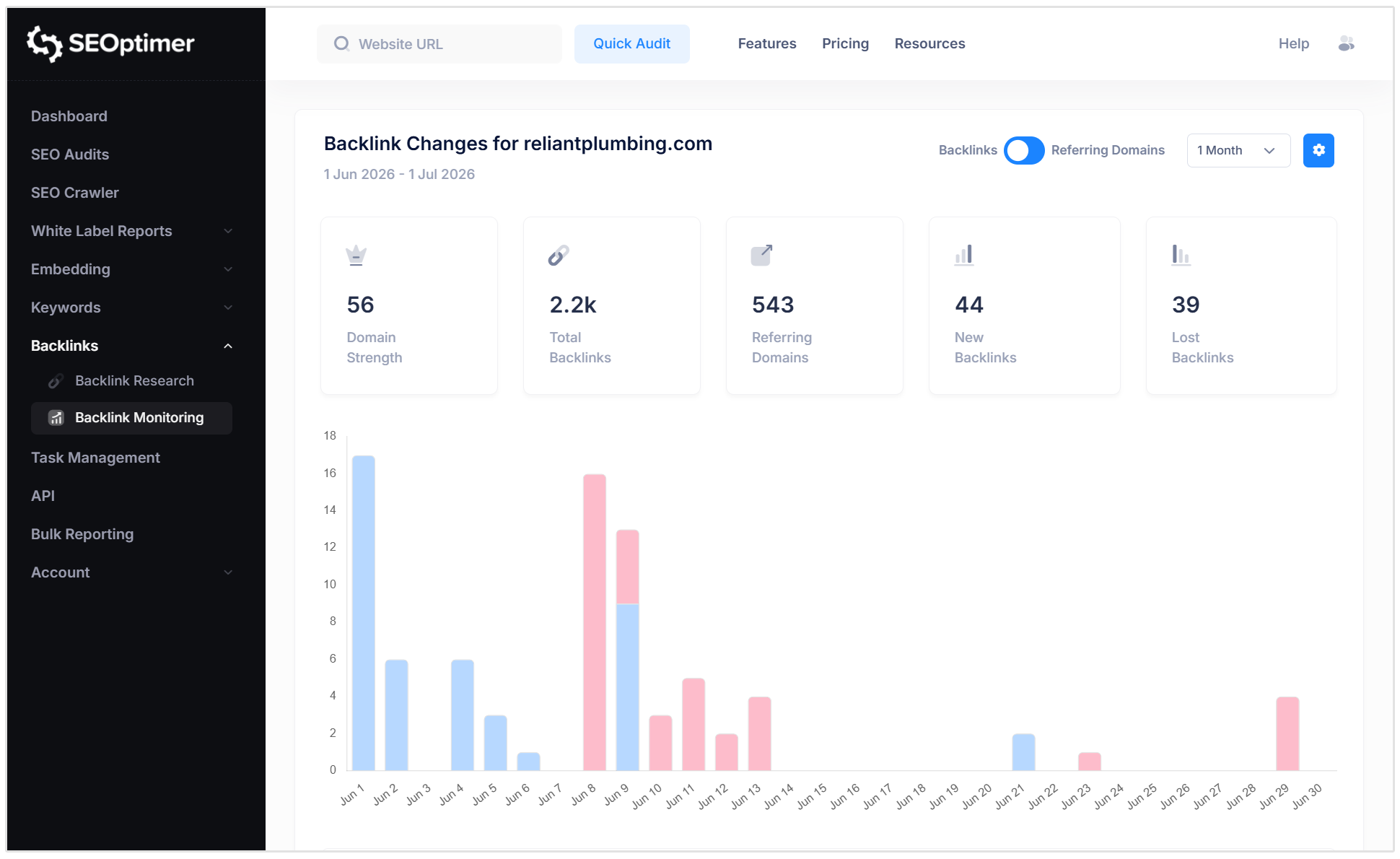
Our Backlink Monitoring tool takes it a step further by alerting you when you gain or lose a backlink. This is especially useful for identifying negative SEO attacks which is where someone builds low-quality or spammy links to your site in an attempt to trigger a penalty.
Regular backlink audits help you identify:
- Toxic or spammy backlinks that may be holding your rankings back
- Lost backlinks from pages that have been updated or removed
- New link opportunities based on who's linking to competitors but not to you
- Anchor text imbalances that could look manipulative to Google
Wrapping Up: Build a Backlink Profile That Actually Works
Understanding the different types of backlinks in SEO is the first step to building a strategy that delivers long-term results.
The core principle is this: try to earn links that a real person placed because your content was genuinely useful, relevant, and trustworthy.
That means focusing your energy on editorial backlinks, digital PR, HARO responses, guest posts, and resource page placements.
Remember, a strong backlink profile isn't built overnight. But with the right mix of backlink types, a consistent content strategy, and the right tools to monitor your progress, it's one of the most reliable paths to sustainable organic growth.
Frequently Asked Questions
What is the difference between dofollow and nofollow backlinks?
A dofollow backlink is the standard link type that allows search engines to follow the link and pass PageRank (authority) to the destination page. A nofollow backlink includes the rel="nofollow" attribute, which tells search engines not to follow the link or pass authority.
What are the most valuable types of backlinks for SEO?
The most valuable backlink types are editorial backlinks.
What types of backlinks should I avoid?
Avoid paid dofollow links (without the sponsored attribute), links from Private Blog Networks (PBNs), excessive sitewide links, and large-scale reciprocal link exchanges.
How many types of backlinks are there?
There are over 18 distinct types of backlinks in SEO (and I'm sure there are even more than this).
Each of these can be categorized by link attribute (dofollow, nofollow, sponsored, UGC), by source (editorial, guest post, HARO, directory, etc.), and by SEO value (worth earning, lower priority, or to avoid entirely).
How do I check what types of backlinks my site has?
You can use SEOptimer's Backlink Checker tool to analyze your site's full backlink profile and to see who is linking to you.
Are social media backlinks good for SEO?
Social media backlinks are almost always nofollow, meaning they don't directly pass authority or improve search rankings.
What is a UGC backlink?
A UGC (user-generated content) backlink is a link created by a user rather than the site's editorial team. These links appear in comment sections, forum posts, and community discussions, and they carry the rel="ugc" attribute.