

Dofollow backlinks are one of the most important factors in SEO, helping search engines understand which pages are trustworthy and authoritative.
But, like most things in SEO, it’s not always that simple.
While dofollow links can pass authority and influence rankings, Google also evaluates links based on context, relevance, and overall quality, not just whether they’re follow or nofollow links.
In this guide, we’ll break down what dofollow backlinks are, how they work, and how to actually get them as part of a strong, natural link building strategy.
What are Dofollow Links?
Dofollow links are links that allow search engines to follow them and pass authority (also known as link equity) from one page to another.
By default, all links are dofollow unless a specific attribute is added to tell search engines otherwise.
Here’s what a standard dofollow link looks like in HTML:
<a href="https://seoptimer.com/">SEOptimer</a>
Because there’s no additional attribute, search engines treat this as a normal link and use it as a signal when evaluating rankings.
Related Reading: 8 Most Important Metrics for Link Building Success
What’s the Difference between Dofollow and Nofollow Links?
The main difference is how search engines treat the link.
Dofollow links can pass authority and influence rankings, while nofollow links include an attribute (rel="nofollow") that tells search engines not to pass authority in the same way.
We’ll cover all link types and when to use them in more detail next.
Types of Link Attributes (Dofollow, Nofollow, Sponsored & UGC)
Not all links are treated the same by search engines. Different link attributes tell Google how a link should be interpreted and whether it should influence rankings.
Here’s a quick breakdown of the most common link types:
| Link Type | Passes Authority? | HTML Attribute | Use Case |
|---|---|---|---|
| Dofollow | Yes | No attribute | Editorial links, natural backlinks |
| Nofollow | Limited | rel="nofollow" | Blog comments, forums, untrusted links |
| Sponsored | No | rel="sponsored" | Paid links, ads, affiliate links |
| UGC | No | rel="ugc" | User-generated content (comments, profiles) |
What’s a Healthy Backlink Profile?
A healthy backlink profile isn’t made up of only dofollow links.
In fact, having a mix of different link types is a natural part of how websites earn links over time.
Search engines expect to see this kind of diversity. If a site only has dofollow backlinks, it can look unnatural and potentially raise red flags.
Instead, a strong backlink profile typically includes:
- A mix of dofollow and nofollow links
- Links from a variety of relevant, authoritative websites
- Natural anchor text (not overly optimized with keywords)
- Links earned over time, not all at once
What’s the Ideal Dofollow vs Nofollow Ratio?
There’s no perfect ratio.
Instead of aiming for a specific percentage, focus on building links naturally. When your links come from real websites, in real contexts, the right balance tends to happen on its own.
How to Check Your Dofollow Links
To see if you have a healthy mix of dofollow and nofollow links, you need to evaluate your backlink profile.
The easiest way to do this is by using SEOptimer’s Backlink Checker tool that shows the attributes of your backlinks.
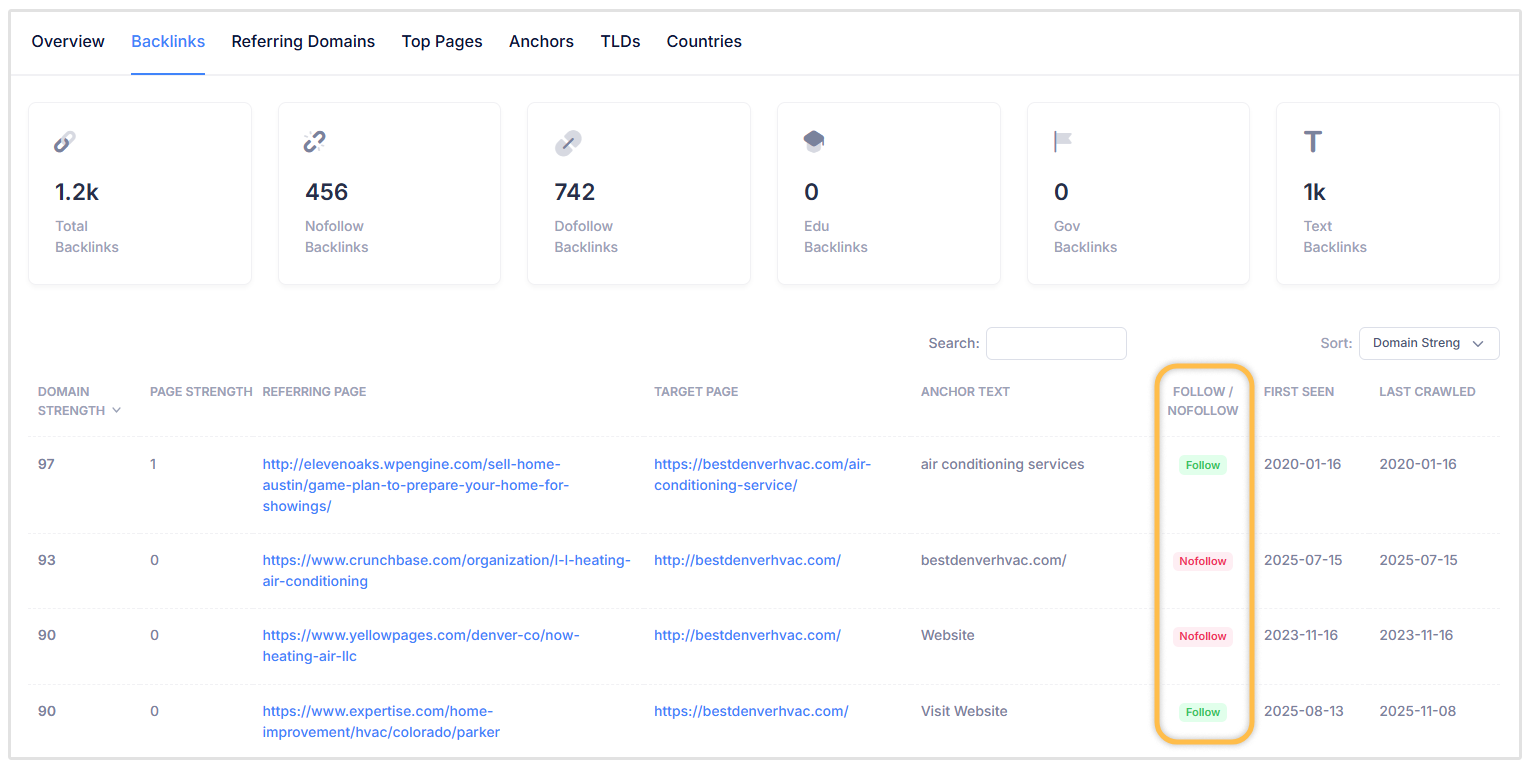
The tool will quickly show you:
- Which backlinks are dofollow vs nofollow
- The authority of the linking domain
- Anchor text used in each link
- Which pages on your site are getting links
This makes it much easier to evaluate the quality of your backlinks and spot opportunities to improve your link building strategy.
You can also manually check this if you wish. Here’s how:
- Right-click on the link you want to check and click Inspect
- Find the link in the code
- Look for a rel attribute
If there’s no attribute, the link is dofollow. And if you see rel="nofollow", rel="ugc", or rel="sponsored", it’s not a standard dofollow link.
Let's look at a real example of this.
In Zapier’s blog post on the best social media tools, they mention and link to Agorapulse as one of the options.
If you inspect that link, you’ll see that it includes a rel="nofollow" attribute.
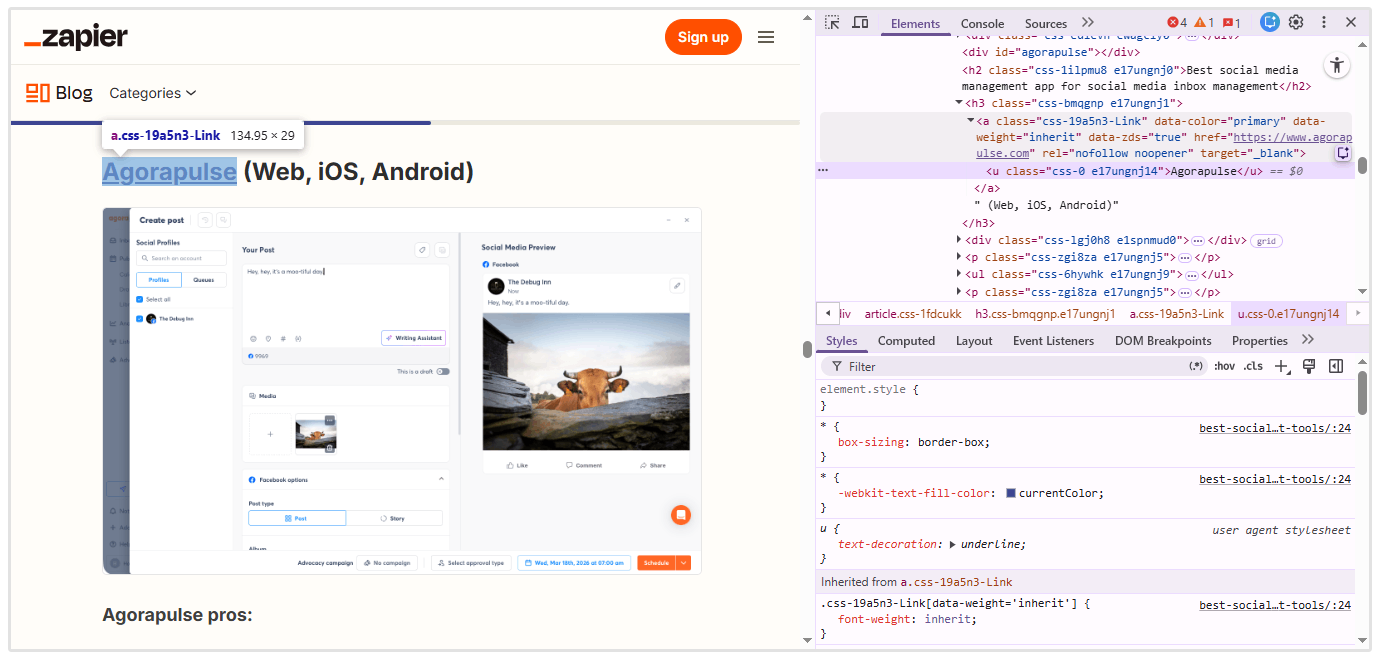
This is common for list-style posts and product roundups, where sites want to reference tools without passing authority through every outbound link.
How to Get More Dofollow Links
Now that you understand how dofollow links work, the next step is earning them.
While many sites still provide dofollow links, they’re typically given to content that is valuable, relevant, and worth referencing.
Here are some of the most effective ways to get dofollow backlinks:
1. Guest Blogging
Guest blogging involves writing content for other websites in your niche in exchange for a backlink.
Most sites allow a link in your author bio, and some also allow contextual links within the content.
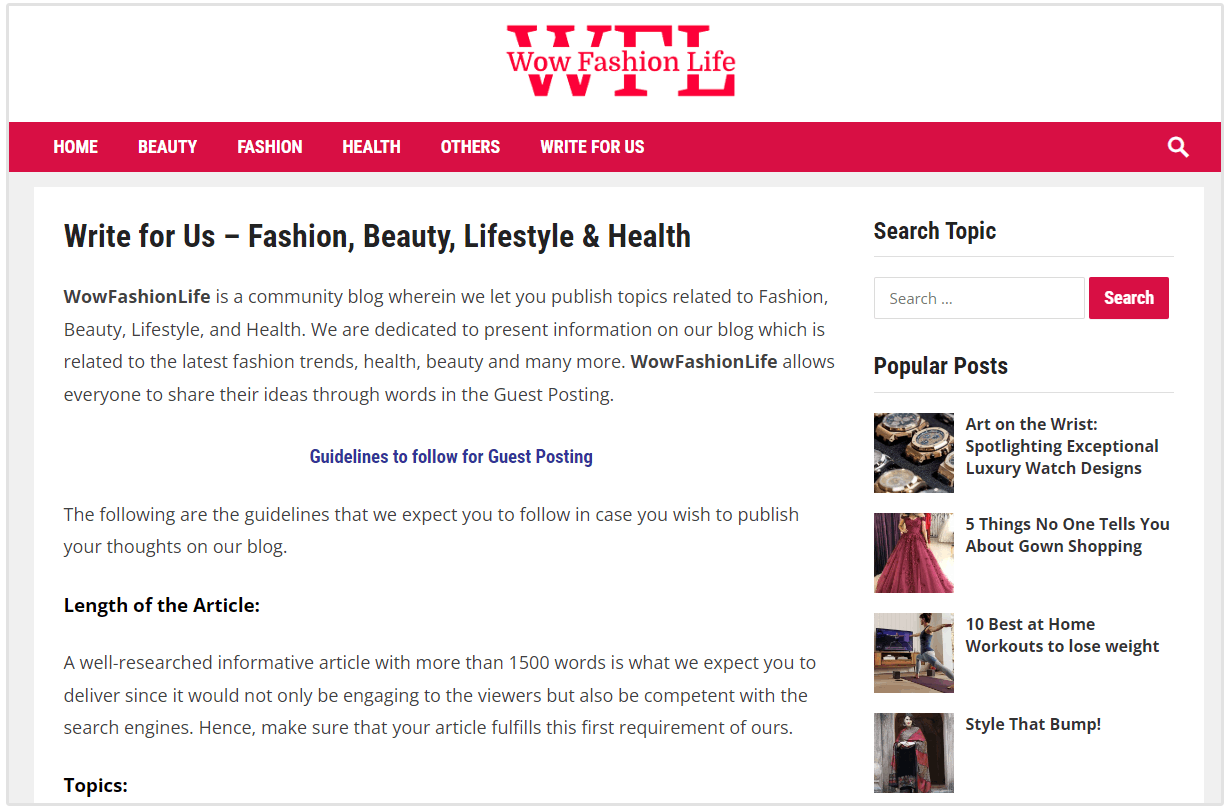
How to do guest blogging:
- Find relevant blogs in your niche
- Pitch useful, topic-specific ideas (not generic posts)
- Confirm whether links are dofollow before contributing
Related Reading: 200 Free Guest Posting Sites for Link Building (Verified)
2. Create Link-Worthy Content + Outreach
Another way to get dofollow links is to create great content and then use email outreach to promote it.
This approach works best if your content really stands out and is useful or interesting to the people you're reaching out to.
What works best:
- Data-driven content (stats, studies)
- In-depth guides
- Unique resources or tools
- Infographics
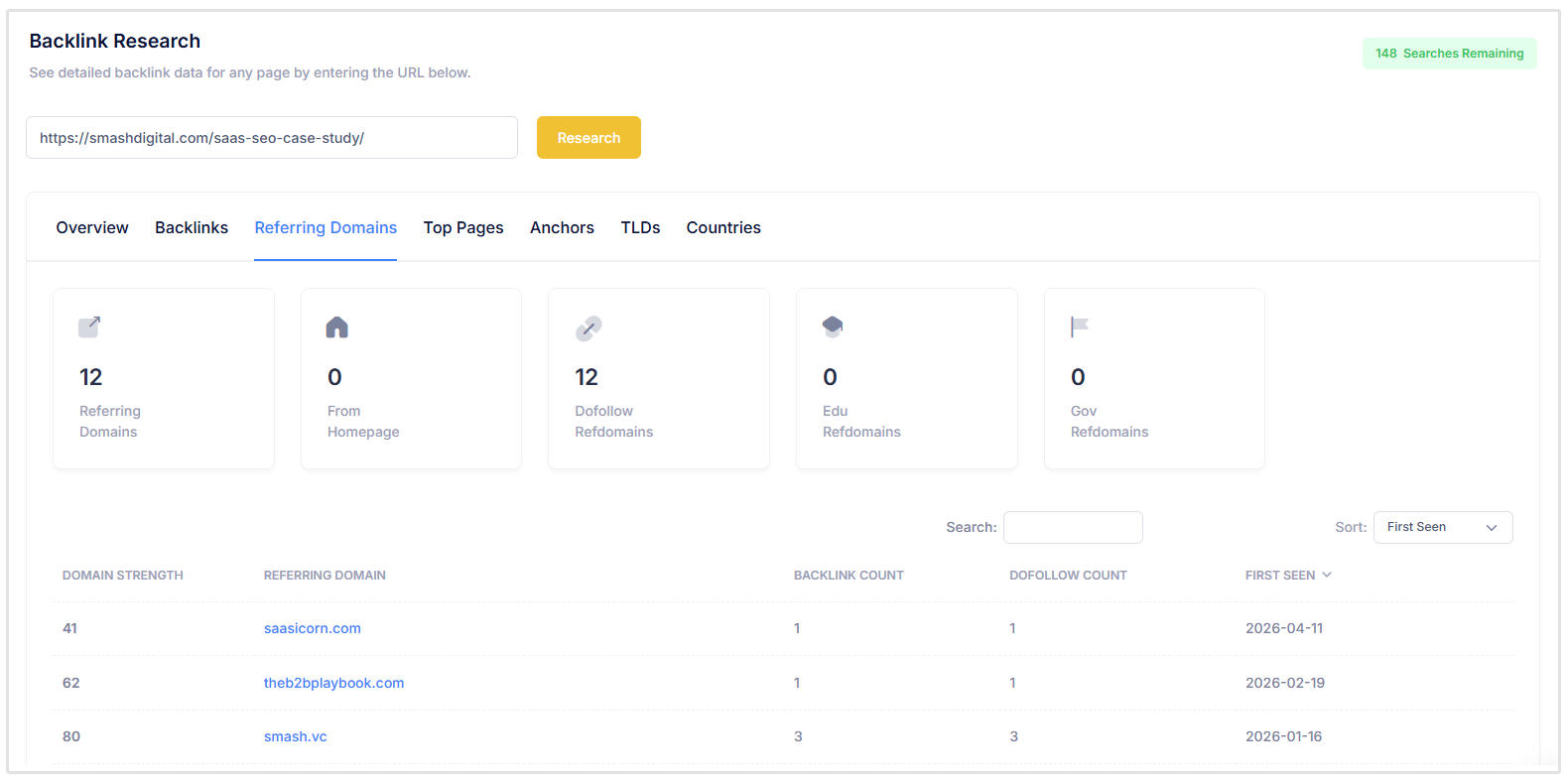
A good example of this in action is Smash Digital, a digital agency that publishes detailed case studies to showcase the results they achieve for clients.
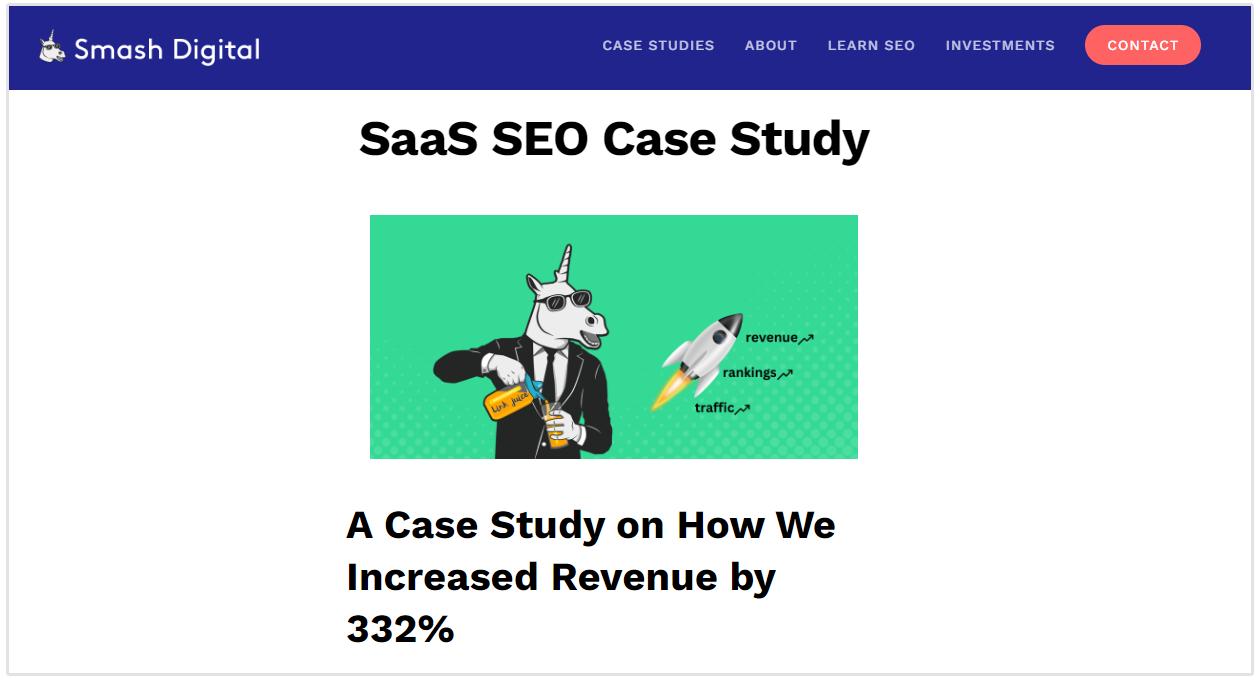
In one case study, they documented how they helped a SaaS client grow revenue by over 300% through SEO.
Because the content is specific, data-driven, and demonstrates real results, it has earned backlinks from high-authority sites.
How to promote it:
- Reach out to sites linking to similar content
- Contact bloggers or publishers in your niche
- Share it where your audience is active
If you want to learn how to create content that naturally attracts backlinks, check out our full guide to building linkable assets.
3. Publicity / PR
Getting featured in media outlets can earn high-authority dofollow links.
If a lot of people know about your business and your brand, you’ll get links from people without even having to ask for them.
For example, mattress startup Purple gained widespread media coverage through a creative PR campaign built around their “Raw Egg Test” video, which demonstrated the effectiveness of their mattress.
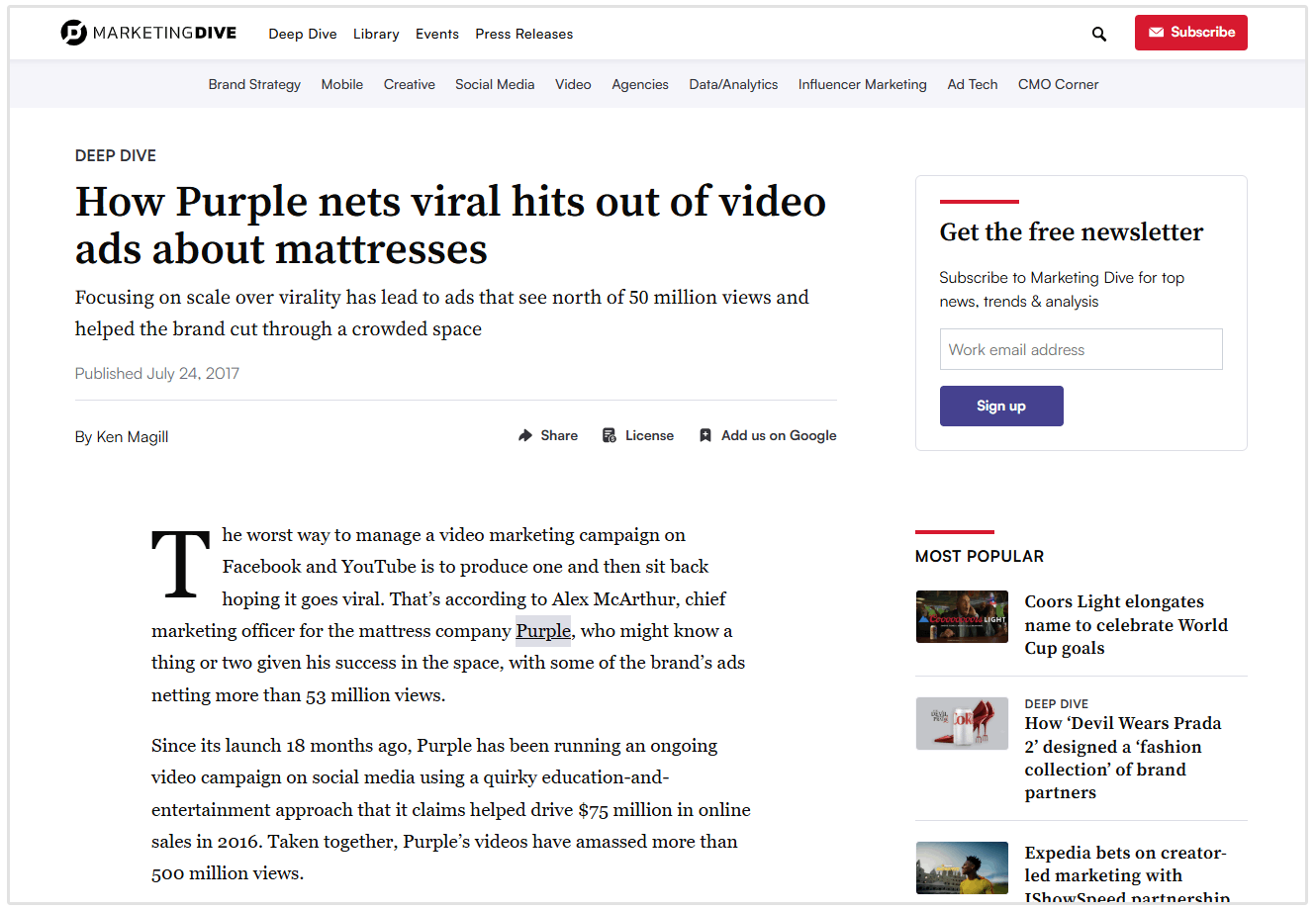
The campaign went viral and was picked up by major publications, blogs, and media outlets.
As a result, Purple earned extensive coverage and backlinks from high-authority sites linking back to their website.
These types of links are especially valuable because they’re editorially earned and often come from trusted sources.
4. Steal Competitor Backlinks
Regardless of what niche you're in, doing a backlink analysis is a great way to find dofollow link opportunities.
Want to know exactly what sites your competitors are getting links from?
What if you could view the backlinks of all your top search engine competitors and reach out to those sites to get links?
Wouldn't that be helpful in planning your own SEO campaign?
Well, this is where SEOptimer’s Backlink Checker tool comes in handy. You can use the backlink checker to study the link profile of any one of your competitors to see where they are getting their links from.
Are these from guest posts, mentions in blog posts, directory links, etc.?
Once you’ve got the list of sites placing dofollow links to your competitors, create a linkable resource that is better quality, covers more information, or provides newer studies.
Then, reach out with your content as a pitch for them to add your link to their page(s).
5. Broken Link Building
Broken link building is the process of finding links on other websites that no longer work, and suggesting your content as a replacement.
Because broken links create a poor user experience, many site owners are happy to fix them. This creates an opportunity for you to earn a backlink.
How it works:
- Find pages in your niche with broken outbound links (you can use SEO tools or browser extensions for this)
- Check what the original content was about
- Create or use existing content that matches the topic
- Reach out to the site owner and suggest your link as a replacement
Pro tip: Focus on resource pages or blog posts with lots of outbound links. They tend to have more broken links and higher success rates.
6. Unlinked Mentions
Unlinked mentions happen when a website references your brand, product, or content but doesn’t include a clickable link.
For instance, here's an example from a blog post on Grow a Small Business, the author mentions SEOptimer in his content. However, the mention doesn’t contain a backlink referring readers to our website.
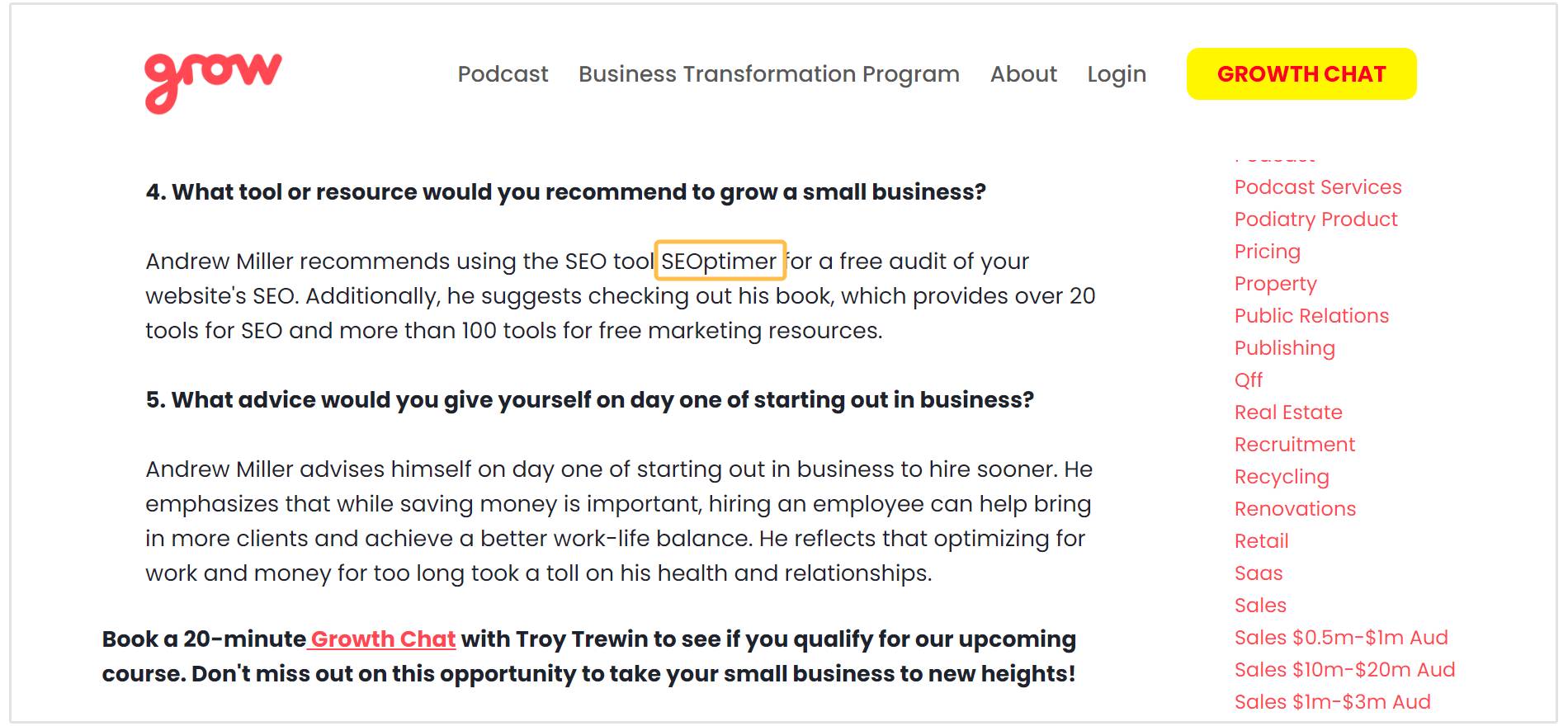
Since the author is already familiar with your brand, these are often some of the easiest links to convert into dofollow backlinks.
How to do it:
- Search for mentions of your brand, product, or key people in your business
- Identify pages that mention you without linking
- Reach out with a short, friendly request asking them to add a link
What to say: Keep it simple. Thank them for the mention and ask if they’d be open to adding a link for their readers’ convenience.
Pro tip: Prioritize recent mentions and sites with higher authority. They’re more likely to respond and provide SEO value.
6 Common Dofollow Link Mistakes to Avoid
1. Only Chasing Dofollow Links
Not every valuable link needs to be dofollow. Ignoring nofollow, UGC, or sponsored links can lead to an unnatural backlink profile and missed opportunities for traffic and exposure.
2. Prioritizing Quantity Over Quality
A handful of links from relevant, authoritative sites will have far more impact than dozens of low-quality links. Focusing on volume alone can weaken your overall SEO performance.
3. Using Over-Optimized Anchor Text
Repeatedly using exact-match keywords as anchor text can look manipulative. A natural backlink profile includes branded, generic, and varied anchor text.
6. Buying Low-Quality Links
Paid links from spammy sites or link farms may offer short-term gains but can lead to penalties or long-term ranking issues.
Dofollow Backlinks Wrap-up
Dofollow backlinks remain one of the most important signals in SEO, helping search engines understand which pages are trustworthy and authoritative.
By focusing on valuable content, using a mix of link building strategies, and maintaining a natural backlink profile, you’ll be in a much stronger position to improve your rankings over time.
If you want to see how your backlink profile stacks up, you can use SEOptimer to analyze your links, identify dofollow opportunities, and uncover areas for improving your link profile.