

Best Rank Tracking Tools
- SEOptimer
- AccuRanker
- Nightwatch
- Keyword.com
- Ahrefs
- Semrush
- Rank Tracker (SEO PowerSuite)
- Mangools SERPWatcher
Finding the best rank tracking tools is essential if you want to understand your SEO performance and ranking positions.
Search algorithms change constantly, and competitors are always working to take your traffic and rankings. If you don’t know exactly where your website ranks for your most important keywords, you’re actually flying blind.
Accurate, up-to-date data is key to measuring performance and making informed decisions. And realistically, tracking rankings manually just isn’t scalable, especially if you’re managing multiple campaigns or targeting different locations.
That’s where rank tracking tools come in.
We reviewed the top rank tracking tools on the market to help you find the perfect fit.
This guide covers the 8 best rank tracking tools available right now.
We will highlight their unique features, pricing, and ability to track rankings across traditional SERPs, local results, and AI Overviews.
Read on to discover the ideal rank tracker for your budget and business goals.
What are Rank Tracking Tools?
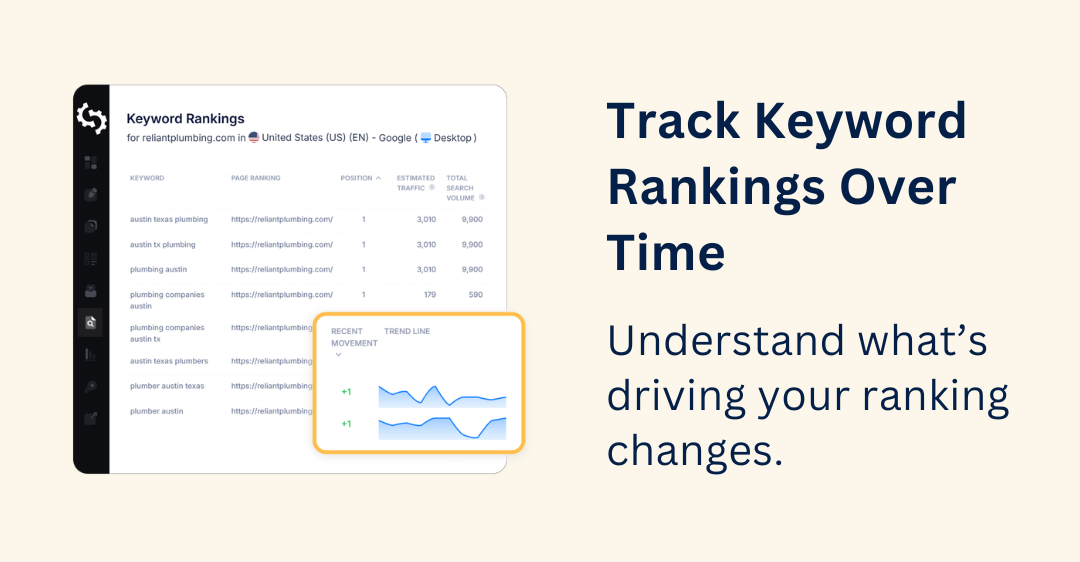
Rank tracking tools are SEO software that monitor where your website ranks in search engine results for specific keywords. Instead of manually checking positions on Google or other search engines, these tools automate the process and keep everything in one place.
They also track how rankings change over time and some of them also include insights into SERP features like Featured Snippets, Local Packs, and AI Overviews.
Related Reading: How to Get into SERP Features
Why Rank Tracking Still Matters
Measure whether SEO Work is Moving the Needle
You can publish content, build backlinks, and tweak your site all day, but without rank tracking, it’s hard to know what’s actually working.
Rankings give you a direct signal of whether your SEO efforts are paying off.
If your target keywords start climbing, you know you’re on the right track. If they stall or drop, it’s usually a sign something’s off, whether that’s a competitor pushing ahead, a technical issue, or a search update.
Rank tracking helps you spot those changes early so you can adjust before traffic takes a hit.
Track Competitor Movement
Rank tracking tools let you monitor competitor domains alongside your own, so you can see who’s gaining ground and where.
If someone suddenly jumps ahead of you for an important keyword, you can dig into what changed, whether it’s new content, better optimization, or stronger backlinks.
Monitor SERP Features and AI Overview Visibility
Ranking first doesn’t guarantee the most clicks anymore.
Search results are packed with features like video carousels, maps, featured snippets, and AI-generated summaries that can push traditional listings further down the page.
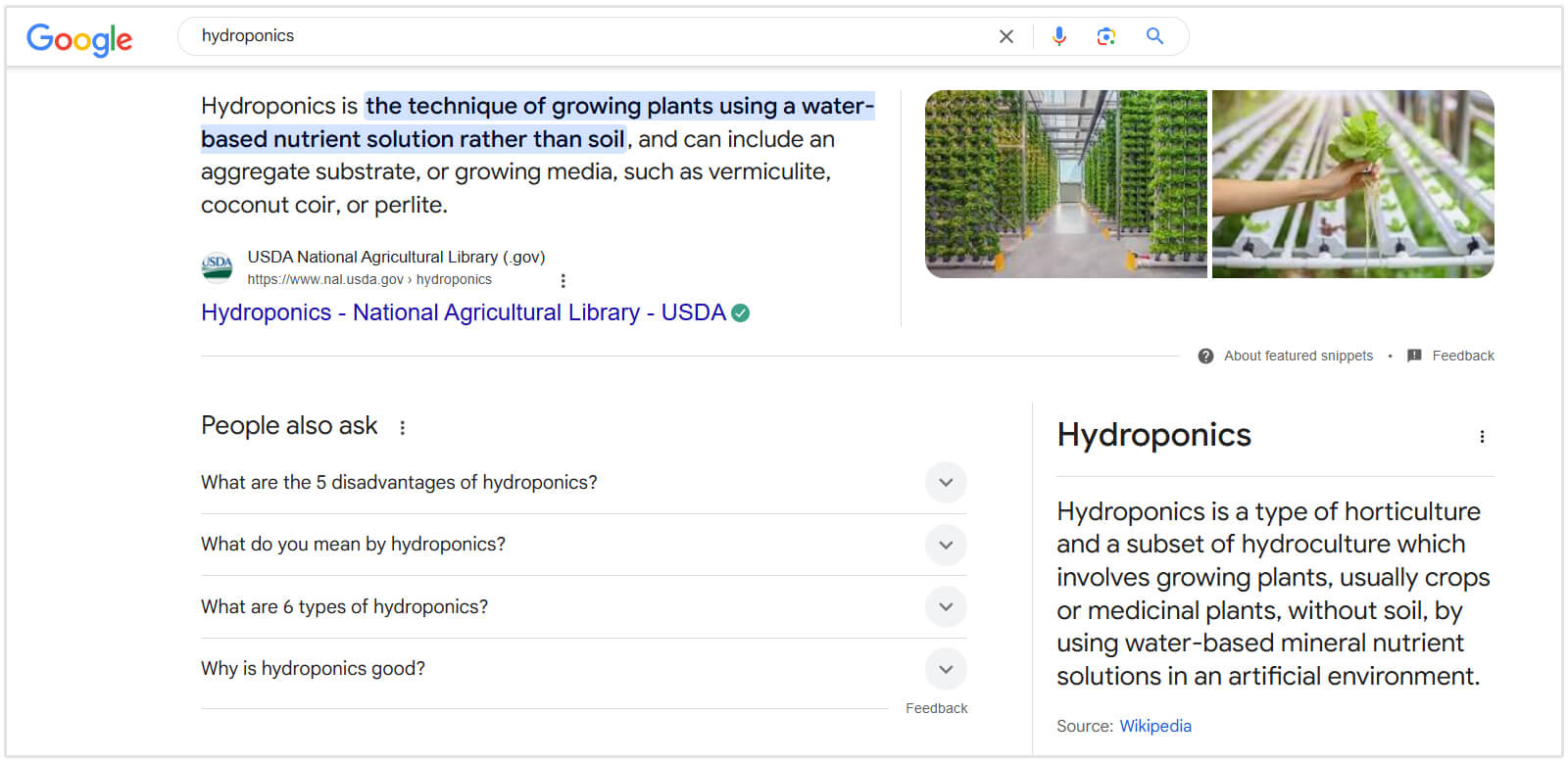
Modern rank tracking tools show which SERP features appear for your target keywords and where you show up within them.
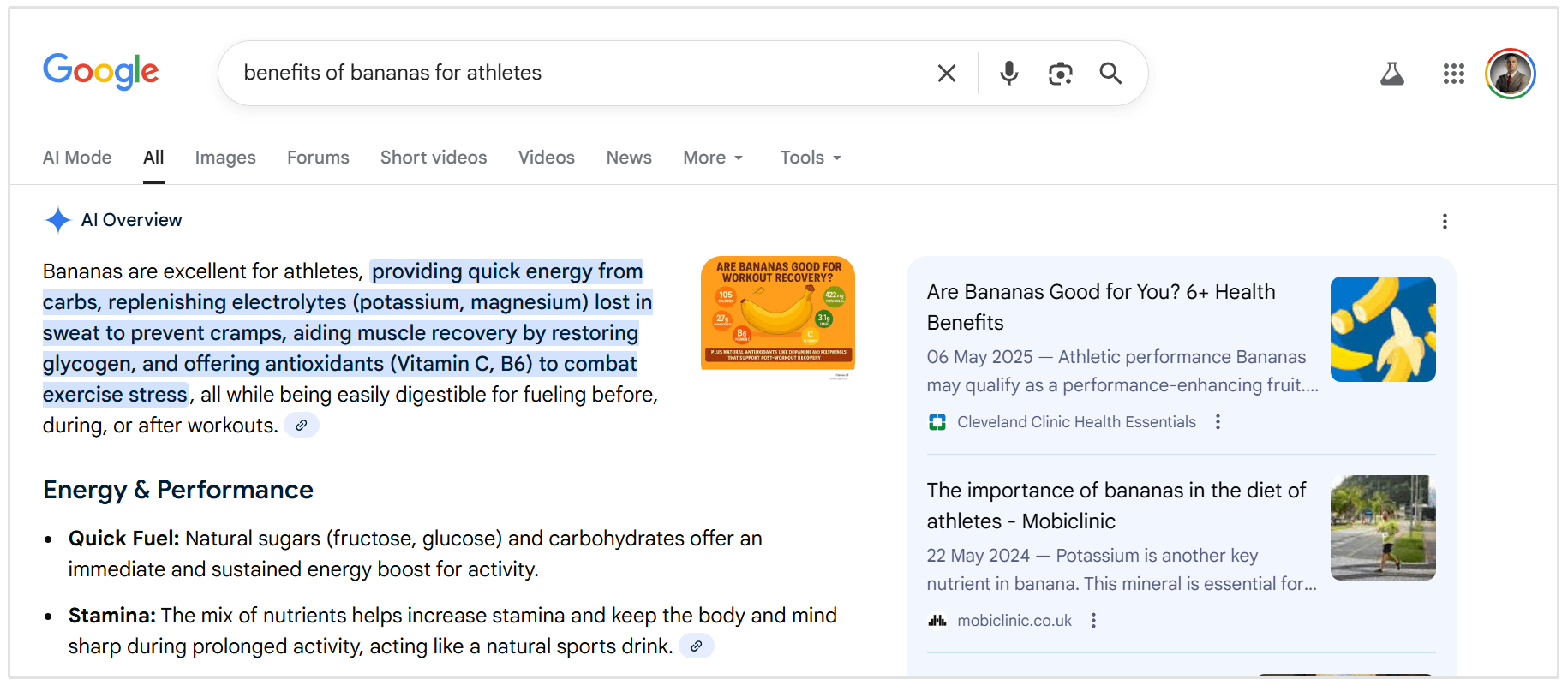
Many now also track visibility in Google’s AI Overviews, so you can see when your content is being cited and how often your brand appears in AI-driven results.
Related Reading: How to Rank in AI Overviews (with Insights from Top SEO Experts)
Report SEO Progress to Clients or Stakeholders
Showing progress is just as important as making it.
Whether you’re reporting to clients or presenting internally, rankings are one of the clearest ways to demonstrate that your SEO work is paying off.
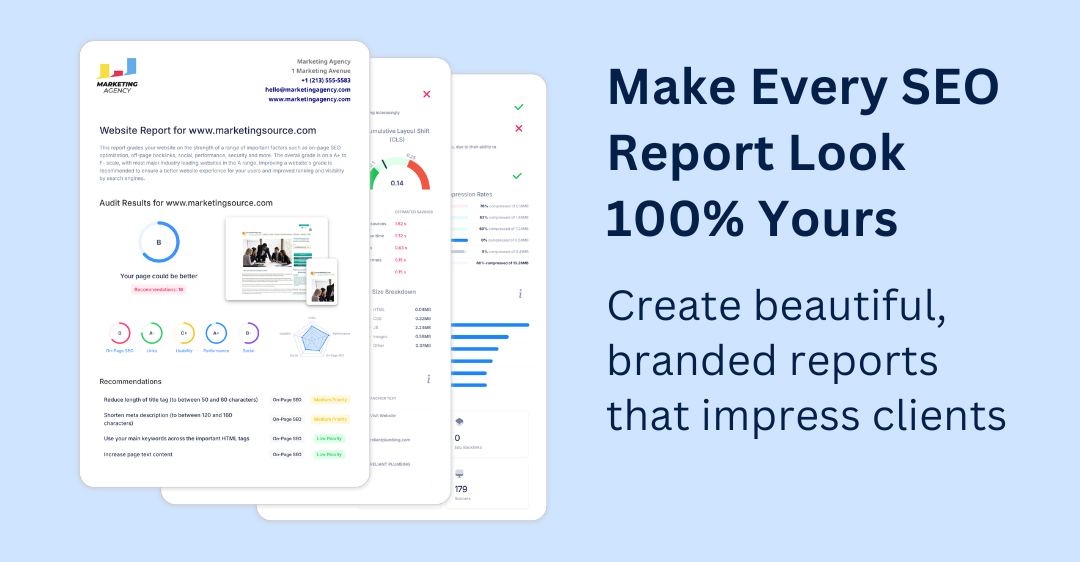
Rank tracking tools make this easy by turning raw data into clean, shareable reports. Instead of vague updates, you can point to real movement, which keywords improved, which ones dropped, and how visibility has changed over time.
That kind of clarity makes it much easier to justify budgets and keep everyone aligned.
8 Best Rank Tracking Tools for SEO
Here is our curated list of the best rank tracking software available.
1. SEOptimer
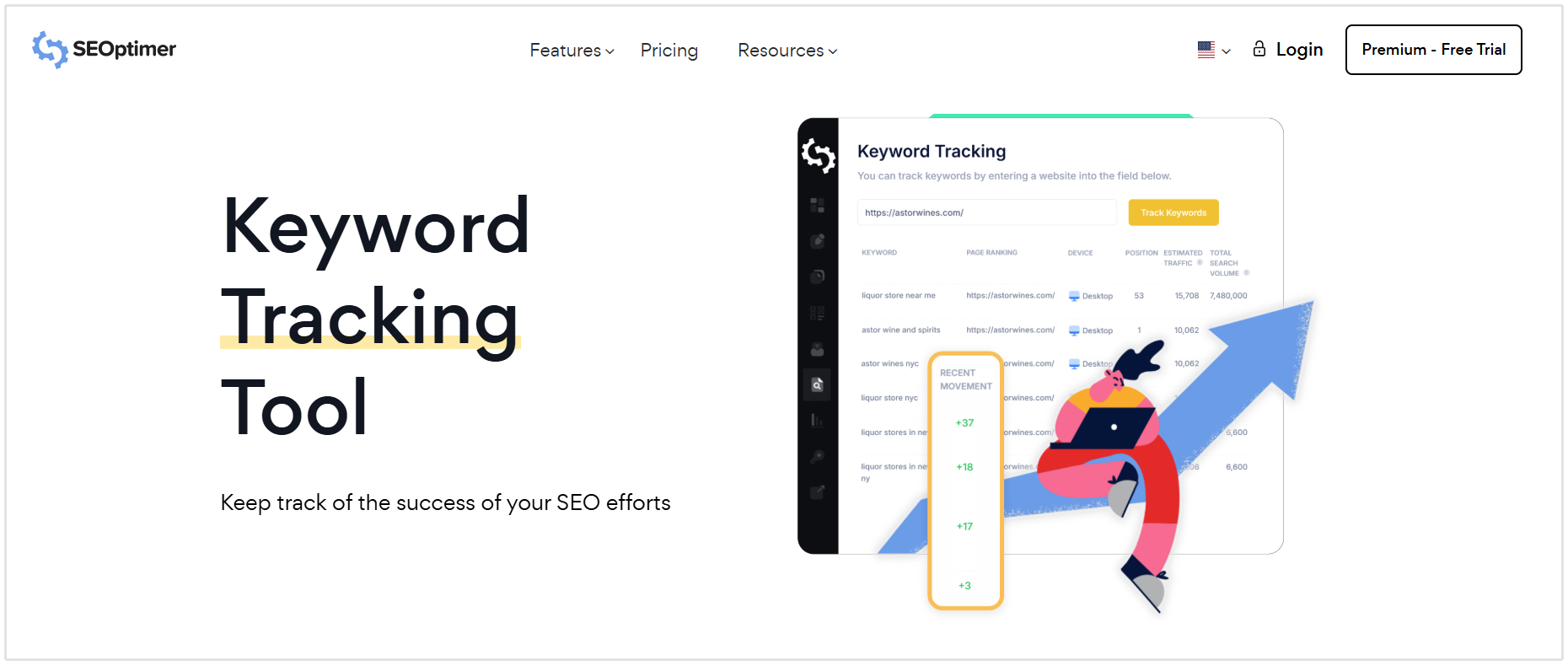
SEOptimer combines rank tracking with a broader SEO and AI visibility toolkit designed for marketers, freelancers, agencies, and small businesses that want straightforward SEO tools without enterprise-level complexity or pricing.
Our Keyword Tracking Tool allows users to monitor rankings across Google, Bing, desktop, and mobile devices, with support for more than 70 countries and languages.
Users can track keyword movements over time, monitor competitor rankings, view estimated traffic and keyword competitiveness, and receive updates through scheduled reports and email alerts.
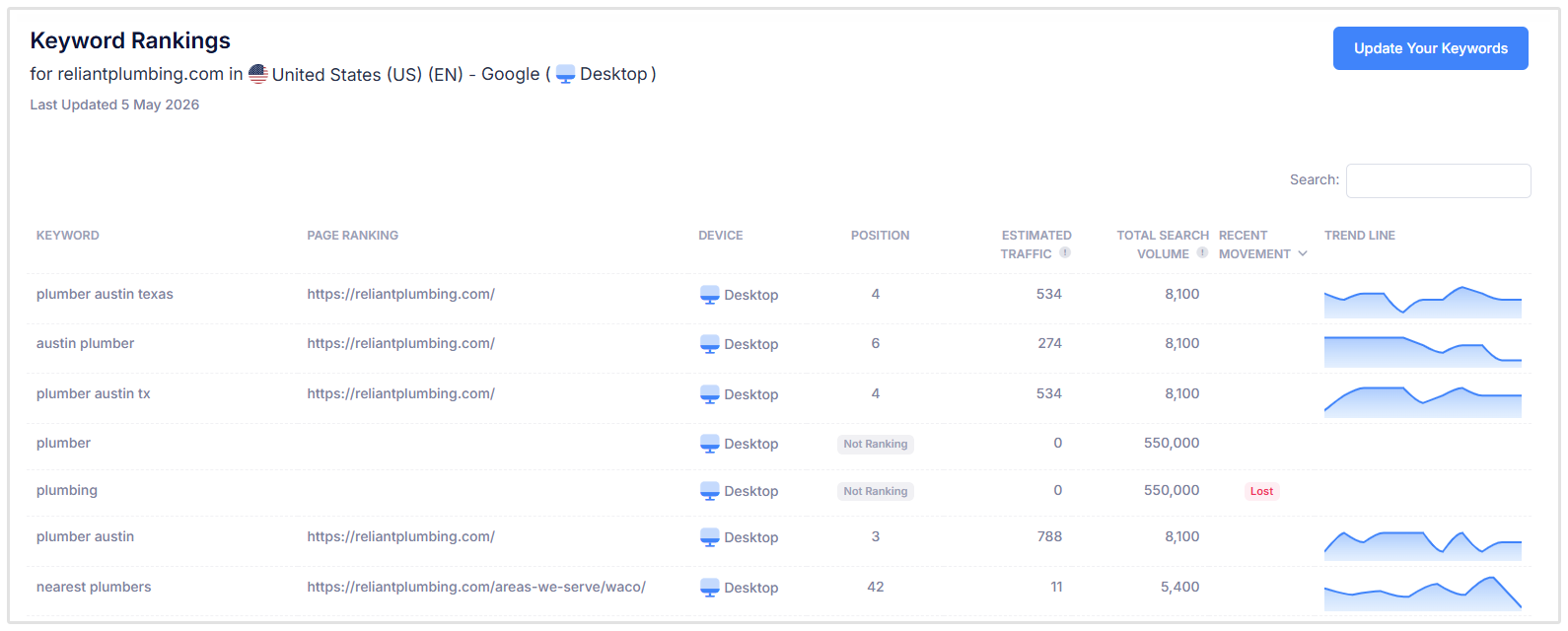
Instead of using separate tools for every SEO task, SEOptimer users also get access to SEO audits, keyword research, backlink research, backlink monitoring, SEO crawling, reporting tools, and API access within the same platform.
The SEOptimer interface is simple to navigate, reports are easy to understand, and the white-label functionality makes it especially appealing for agencies managing multiple clients.
Rather than overwhelming users with endless dashboards and filters, SEOptimer focuses on making core SEO workflows fast and accessible.
Pricing: Plans start at $29 per month for the DIY SEO plan, with White Label and White Label & Embedding plans starting at $39 and $59 per month respectively.
Pros:
- Affordable compared to most all-in-one SEO platforms
- Tracks rankings across Google, Bing, desktop, and mobile
- Supports tracking in 70+ countries and languages
- Strong white-label reporting and PDF export options
- Includes SEO audits, keyword research, backlink tools, crawling, and API access
- Clean, beginner-friendly interface that is easy to learn
Cons:
- Lower-tier plans have more limited keyword tracking allowances
- Less advanced segmentation and enterprise-level analytics than some specialized tools
- Weekly tracking updates rather than real-time refreshes
2. AccuRanker
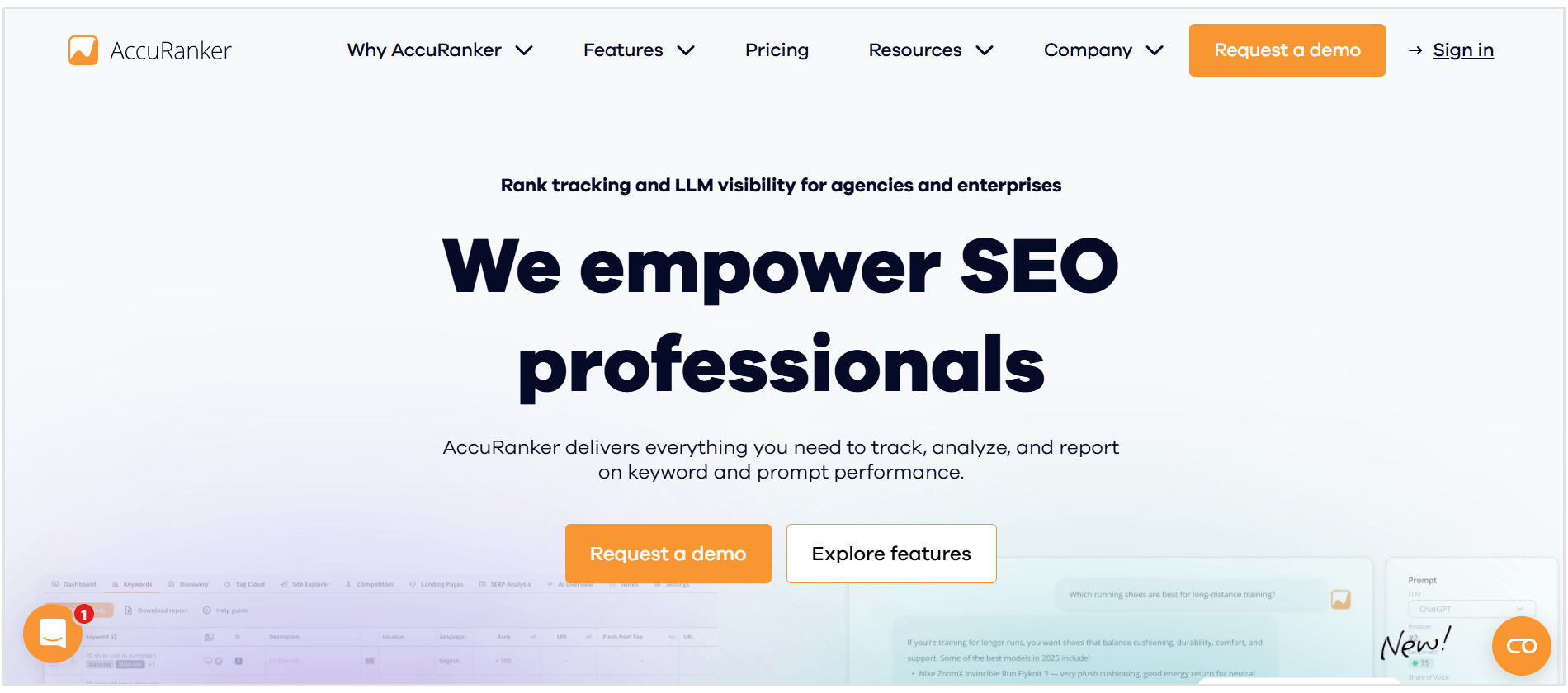
AccuRanker is built for SEOs and marketers who need fast, accurate ranking data.
Its headline feature is on-demand ranking updates, allowing you to refresh keyword positions instantly instead of waiting for weekly updates.
That speed is especially useful when testing SEO changes. Rather than waiting hours or days for new data, you can quickly see whether your optimizations are having an impact.
The platform focuses heavily on precision tracking and large-scale keyword management, with advanced segmentation, local tracking down to GPS-level locations, and support for more than 50 SERP features, including featured snippets, Local Packs, and knowledge panels.
AccuRanker has also expanded into AI and LLM visibility tracking, helping users monitor how brands appear in evolving AI-driven search results.
Pricing: Plans start at around $249 per month, with pricing scaling based on keyword volume and feature usage.
Pros:
- Extremely fast on-demand ranking updates
- Accurate local tracking with city and GPS-level targeting
- Tracks 50+ SERP features including Local Packs and featured snippets
- Strong filtering, tagging, and keyword segmentation tools
- Supports Google, Bing, desktop, and mobile tracking
- Integrates with Google Analytics, Google Search Console, Looker Studio, and external reporting workflows
- Robust API access for agencies and enterprise teams
Cons:
- Expensive compared to most rank tracking tools
- Primarily focused on rank tracking rather than broader SEO workflows
- Can feel overly advanced for small businesses or beginners
- Lacks built-in technical SEO auditing compared to all-in-one SEO platforms
3. Nightwatch
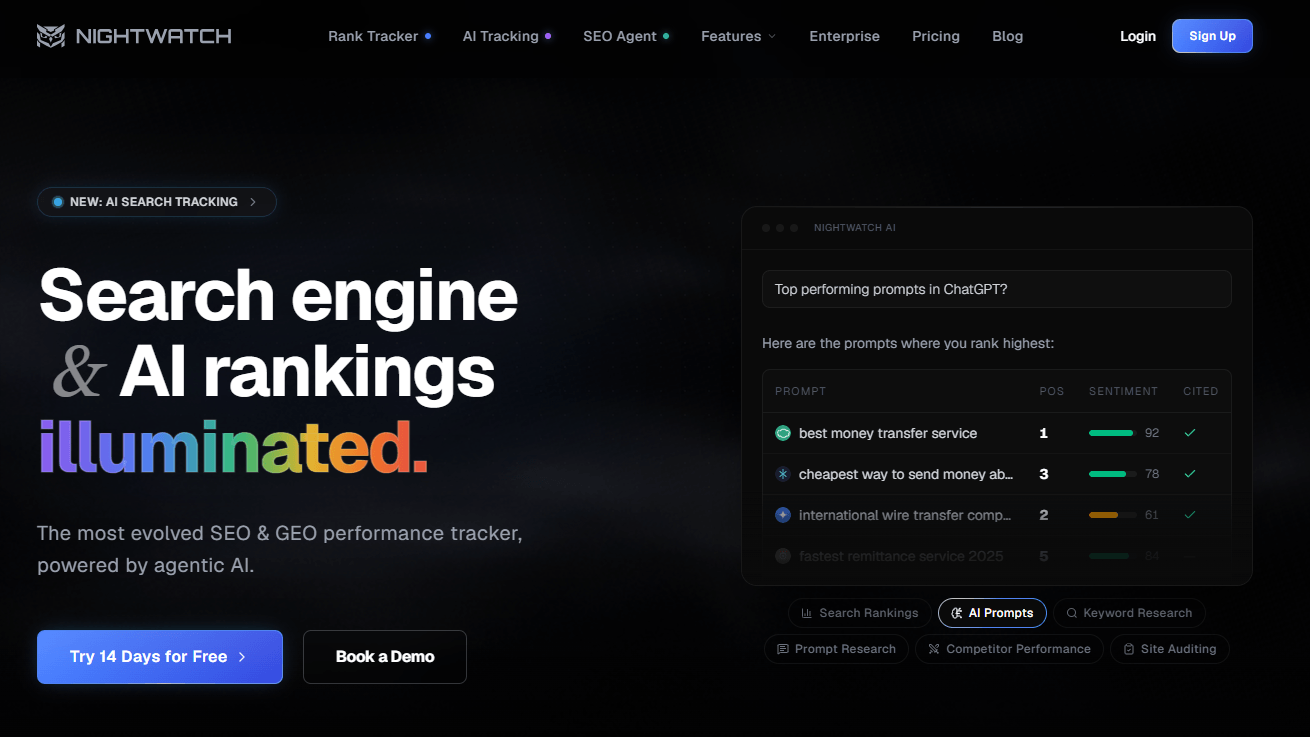
Nightwatch has evolved from a traditional rank tracker into a broader SEO and AI visibility platform.
While it's still great at keyword tracking, especially for local SEO, its biggest differentiator is its focus on combining traditional search rankings with AI and LLM visibility in a single platform.
The platform tracks rankings across Google, Bing, YouTube, DuckDuckGo, and Yahoo, while also monitoring brand visibility inside AI platforms like ChatGPT, Claude, Gemini, and Perplexity.
This gives marketers a more complete view of how users discover brands across both search engines and AI-driven search experiences.
Nightwatch is also strong in local SEO tracking. Its geo-grid technology allows users to track rankings across thousands of highly specific locations, down to ZIP-code and GPS-level precision. Instead of relying on spreadsheets and raw ranking tables,
Nightwatch visualizes this data through heatmaps and grids that make local visibility much easier to interpret.
Beyond rank tracking, the platform includes keyword research, prompt research, SERP feature tracking, site auditing, backlink monitoring, reporting tools, and an AI-powered SEO assistant designed to surface optimization opportunities automatically.
Pricing: Plans start at around $39 per month for 250 tracked keywords, with pricing based on the number of keywords tracked.
Pros:
- Combines traditional SEO tracking with AI and LLM visibility monitoring
- Local SEO tracking with geo-grid and heatmap visualizations
- Tracks rankings across multiple search engines and AI platforms
- Segmentation and filtering for large keyword sets
- White-label reporting and integrations with Google Analytics, Search Console, and Looker Studio
- Supports desktop, mobile, and tablet tracking across 190,000+ locations and 170+ languages
Cons:
- The Interface and feature set may feel overwhelming for beginners
- Advanced local tracking setup has a learning curve
- Some AI visibility features are still relatively new compared to traditional ranking data
4. Keyword.com
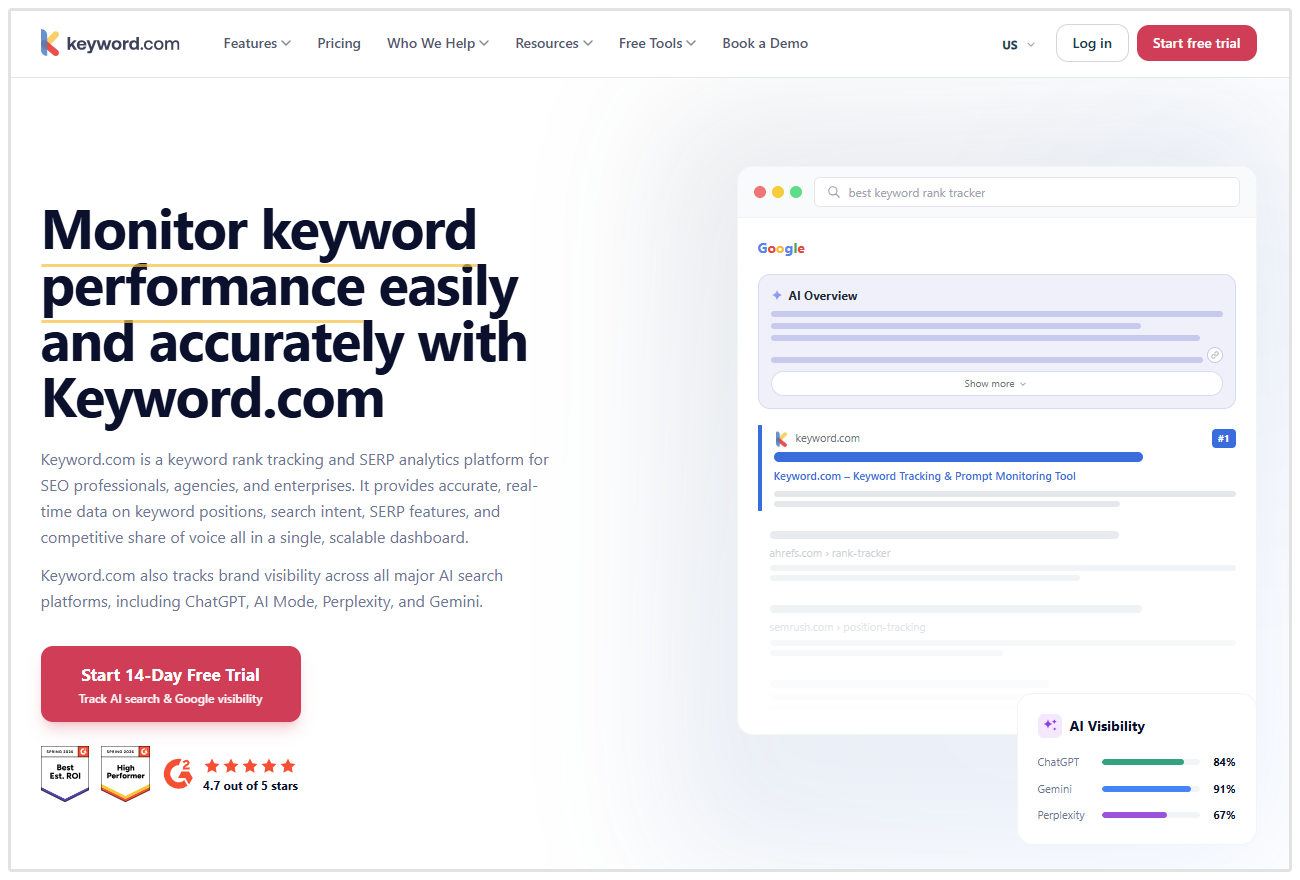
Keyword.com is a rank tracking platform focused on accuracy, simplicity, and modern search visibility.
While many SEO tools try to do lots of things, Keyword.com stays focused on reliable ranking data, SERP analysis, and AI visibility tracking.
The platform tracks keyword performance across Google, including local, mobile, and ZIP-code-level rankings, while also monitoring visibility across AI platforms like ChatGPT, Gemini, Claude, and Perplexity.
It also includes share of voice metrics, SERP feature tracking, keyword clustering, and competitor monitoring to help users understand their true search visibility beyond just ranking positions.
One of Keyword.com’s strongest selling points is how easy it is to use.
The interface is straightforward, reporting is agency-friendly, and features like live SERP verification, white-label dashboards, and on-demand ranking updates make it particularly appealing for agencies and smaller SEO teams.
Pricing: Pricing is usage-based and depends on keyword volume, tracking frequency, and AI visibility features. The entry-level plan starts at around $4 per month for 50 tracked keywords updated weekly. More advanced tracking and reporting options increase the cost.
Pros:
- Accurate local and ZIP-code-level rank tracking
- Tracks AI visibility across ChatGPT, Gemini, Claude, and Perplexity
- Includes share of voice tracking and SERP feature monitoring
- Strong white-label reporting and live dashboards for agencies
- On-demand ranking updates and powerful API access
- Clean, easy-to-use interface without unnecessary complexity
Cons:
- Less comprehensive than full all-in-one SEO toolkits
- Visual reporting and heatmaps are less advanced than some premium competitors
- Limited technical SEO auditing features
5. Ahrefs
Ahrefs is one of the most feature-rich SEO platforms on the market.
While its Rank Tracker is powerful on its own, Ahrefs’ real strength comes from how tightly ranking data connects with the rest of the platform.
You can move from tracking keyword positions to analyzing competitor pages, uncovering keyword opportunities, or identifying content gaps, all within the same ecosystem.
The platform tracks rankings across desktop and mobile devices in more than 190 locations worldwide and monitors 19 different SERP features, including AI Overviews, featured snippets, Local Packs, image packs, and People Also Ask results.
It also includes share of voice metrics, traffic value estimates, cannibalization alerts, and competitor growth tracking.
Ahrefs has also expanded into AI search visibility with tools like Brand Radar, which monitors how brands appear across AI-driven search experiences and chatbots.
Pricing: Plans start at around $29 per month for limited access, while full Rank Tracker functionality starts on higher-tier plans from around $129 per month. Daily ranking updates require an additional add-on.
Pros:
- Excellent keyword research and competitor analysis tools
- Tracks rankings across desktop, mobile, and 190+ locations
- Monitors 19 SERP features, including AI Overviews
- Backlink analysis and content research capabilities
- Useful share of voice, traffic value, and cannibalization insights
- Expanding AI visibility and brand monitoring features
Cons:
- Interface can feel confusing due to the number of tools and reports
- Daily ranking updates cost extra
- More expensive than dedicated rank tracking tools and SEO toolkits
6. Semrush
Semrush is one of the largest SEO platforms on the market, with rank tracking built into a much broader suite of tools.
Alongside the Position Tracking, Semrush includes keyword research, competitor analysis, backlink monitoring, technical site audits, content tools, and reporting features.
Its Position Tracking tool supports daily keyword updates across locations and devices, while also tracking SERP features like AI Overviews, Featured Snippets, Local Packs, and People Also Ask results.
You can also monitor competitors, track share of voice, and set alerts for ranking changes.
The biggest downside is the cost.
Semrush is significantly more expensive than most dedicated rank tracking tools, and Position Tracking is not available as a standalone product. Many advanced features are also limited to higher-tier plans or paid add-ons.
Pricing: Starts at $139.95 per month for the Pro plan, which includes tracking for 500 keywords with daily updates.
Pros:
- Comprehensive all-in-one SEO platform
- Keyword research and competitor analysis tools
- Daily tracking across locations and devices
- Tracks AI Overviews and major SERP features
- Good reporting and automation options
Cons:
- Expensive compared to other rank trackers and SEO suites
- Advanced features require higher-tier plans
- Can feel excessive if you only need keyword tracking
If you’re considering Semrush but want something more affordable and easier to use, it’s worth exploring how SEOptimer compares as an alternative. SEOptimer offers many of the core SEO features most businesses actually use, without the steep learning curve or enterprise-level pricing.
7. Rank Tracker (SEO PowerSuite)
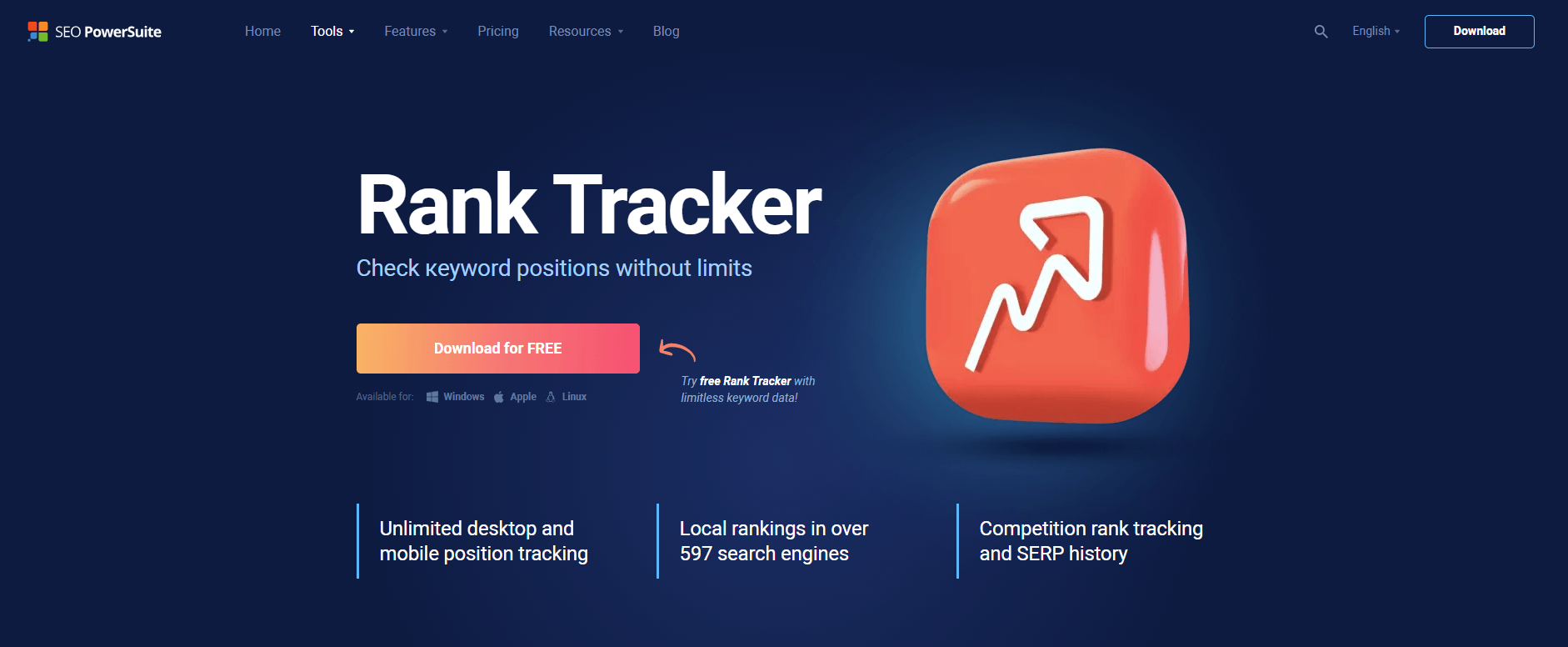
SEO PowerSuite Rank Tracker takes a very different approach from most modern rank tracking tools.
Instead of running in your browser as a cloud platform, it’s desktop-based software that gives users a huge amount of flexibility, customization, and tracking capacity.
Its biggest advantage is that there are effectively no keyword limits.
Even lower-tier plans allow unlimited keyword tracking, which makes it one of the most cost-effective options for agencies or SEOs managing large keyword sets.
The software supports tracking across Google, Bing, Yahoo, YouTube, Yandex, Baidu, and hundreds of other search engines, with local tracking down to city and street-address level. It also supports desktop and mobile tracking, SERP feature monitoring, competitor tracking, keyword research, and historical ranking analysis.
Unlike simpler cloud-based trackers, Rank Tracker leans heavily into raw SEO data and customization. You can build custom dashboards, automate ranking checks, schedule white-label reports, and combine ranking data with information from Google Analytics and Search Console.
Pricing: A free version is available with limited functionality. Paid plans start at around $399 per year for the Professional plan and $699 per year for the Enterprise plan, both with unlimited keyword tracking.
Pros:
- Unlimited keyword tracking on paid plans
- Supports hundreds of search engines and local tracking locations
- Strong keyword research and SERP analysis features
- On-demand ranking updates and automated scheduling
- Fully customizable white-label reporting
- Very cost-effective for large-scale keyword tracking
Cons:
- Desktop software rather than browser-based
- Interface feels dated compared to newer SaaS platforms
- Less polished visually than premium competitors
- Can feel overwhelming for beginners
8. Mangools SERPWatcher
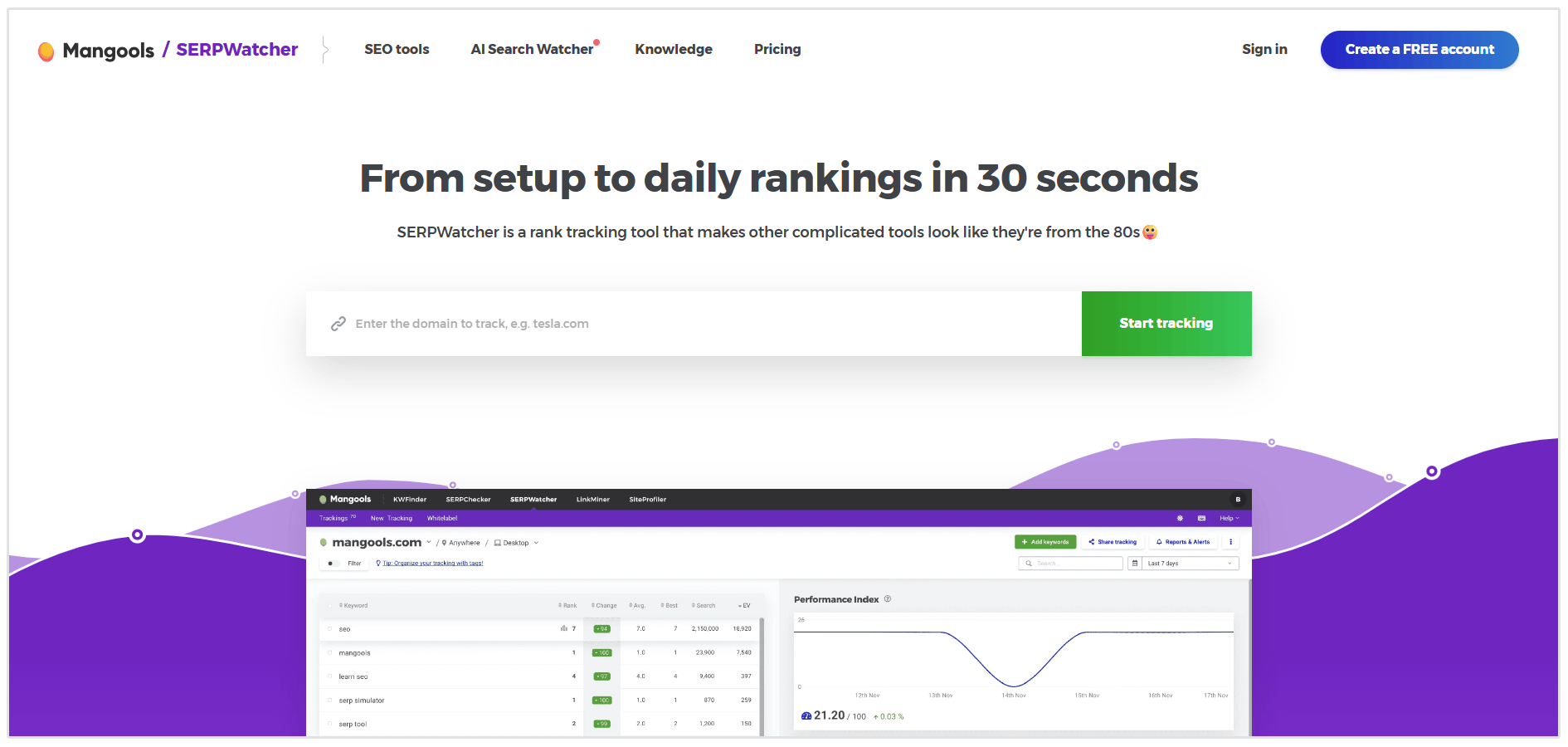
SERPWatcher from Mangools is a rank tracking tool designed around simplicity and usability.
This keyword rank tracker focuses on making keyword tracking fast, clean, and easy to understand.
Part of the broader Mangools SEO suite, SERPWatcher works alongside tools for keyword research, backlink analysis, SERP analysis, and site auditing.
The interface feels lightweight, responsive, and beginner-friendly.
SERPWatcher provides daily ranking updates, historical position tracking, desktop and mobile tracking, and location-based monitoring across more than 65,000 locations worldwide.
It also includes interactive reports, email alerts, and white-label sharing features for agencies and freelancers.
Pricing: Mangools plans start at around $49 per month for the Basic plan, with higher-tier plans increasing keyword tracking limits and daily lookups.
Pros:
- Very clean and beginner-friendly interface
- Daily rank updates with historical tracking
- Nice data visualizations and reporting
- Includes keyword research, backlink, and SERP analysis tools
- Affordable compared to larger all-in-one SEO platforms
- Good white-label reporting options
Cons:
- Fewer advanced features than enterprise SEO platforms
- Lower-tier plans have tighter keyword and lookup limits
- Less suitable for large-scale or highly technical SEO workflows
What to Look for in a Rank Tracking Tool
Choosing the best rank tracking tool depends entirely on your specific business needs. Here are some things to keep in mind when you evaluate your options.
1. Ranking Accuracy
If the data isn’t reliable, the tool is pretty much useless.
Search results vary based on location, device, and personalization, so a good rank tracker should remove that noise and give you a consistent, unbiased view of where you actually rank.
Look for tools that let you define exact search locations and devices (Mobile or Desktop), and that update rankings regularly so you’re not working with outdated data.
2. Local and Global Rank Tracking
If you’re a local business, you need to know how you rank in a specific city or area, not across an entire country.
On the other hand, if you operate internationally, you’ll want visibility across multiple countries, regions, and languages.
3. Desktop vs Mobile Tracking
Your rankings can look very different depending on the device.
With Google’s mobile-first indexing, mobile results often matter more than desktop. A good rank tracker should let you separate and compare both.
4. Reporting and Usability
If you’re reporting to clients or internal teams, you need dashboards and reports that are easy to understand at a glance. White-label keyword tracking is a big plus for agencies, but even simple, clean visuals can save a lot of time when sharing updates.
How Often Should You Check Keyword Rankings?
For most businesses, checking rankings weekly provides more than enough data to spot trends without causing panic over normal daily fluctuations.
However, you can check daily if you are recovering from a Google algorithm penalty or operating in a hyper-competitive niche like finance or travel.
Local Rank Tracking vs Traditional Rank Tracking
Traditional rank tracking looks at your website's average position at a national or broad regional level. It is great for global content publishers and interent companies (SaaS, e-commerce, etc.).
Local rank tracking is entirely different.
It uses specific GPS coordinates to show how your business appears to users walking down a specific street.
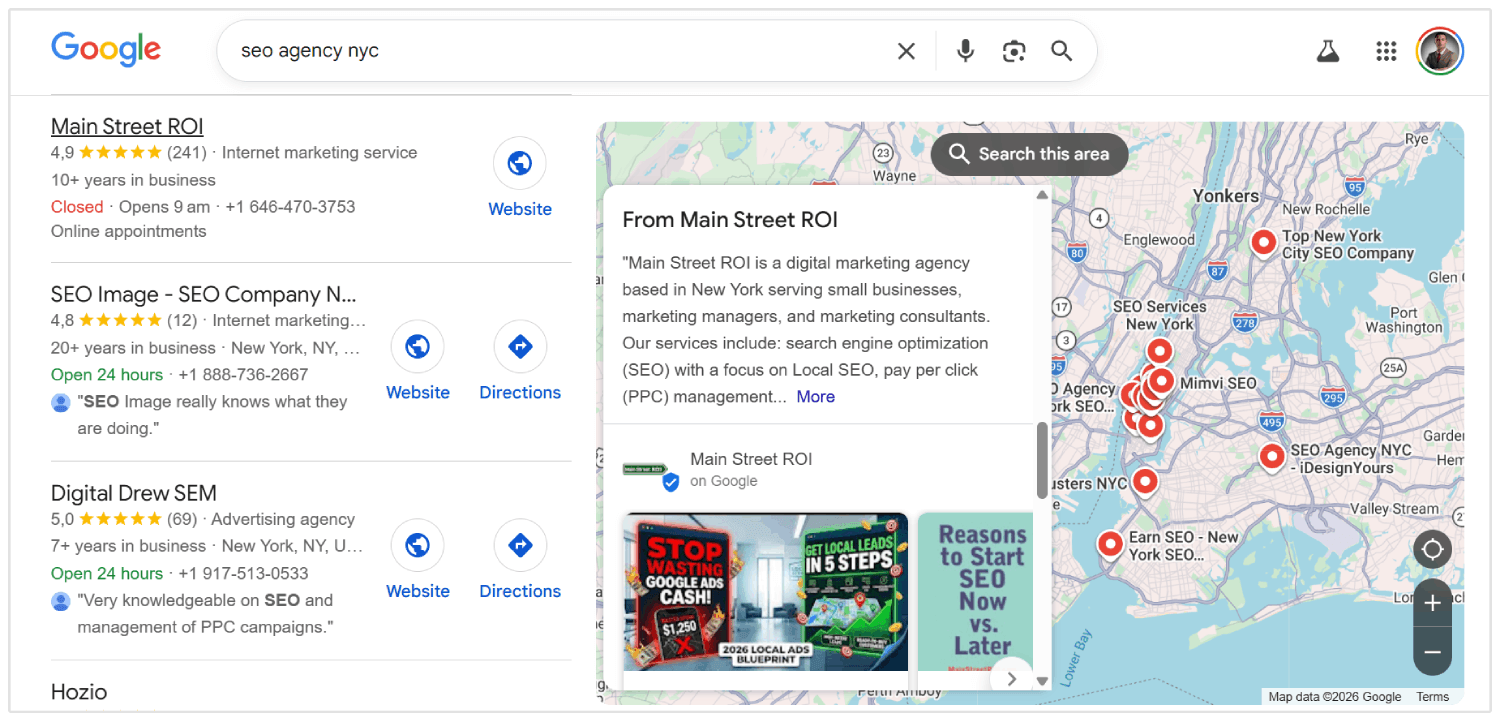
Local trackers can also monitor your presence in the Google Local Pack (the map results), which is crucial for restaurants, plumbers, retail stores, and any business that serves clients/customers in their local area.
Related Reading: Local SEO for Service Based Businesses: Complete Guide
Which Rank Tracking Tool Should You Choose?
There’s no single best rank tracking tool, it really comes down to your goals, budget, and how much time you’re willing to spend learning a new platform.
Some tools are built for deep data analysis and enterprise-scale tracking, while others focus on simplicity, reporting, and ease of use. The right choice depends on what you actually need day to day.
If you’re managing large campaigns and want highly granular data with advanced segmentation, a more complex platform might make sense. Just keep in mind that these tools often come with a steeper learning curve and significantly higher costs.
On the other hand, if you’re looking for an affordable rank tracking tool that’s easy to use and quick to set up, SEOptimer is a great choice. It gives you accurate keyword tracking across Google and Bing, along with clean, client-ready reports, without overwhelming you with unnecessary complexity.
For most small businesses, freelancers, and agencies that want reliable tracking and straightforward reporting, SEOptimer's balance of simplicity and functionality is often exactly what’s needed.
FAQs
What is the best rank tracking tool?
There is no single best tool for everyone, some people want daily updates and others want a local rank tracking features included.
You have to evaluate the options that are available on the market and choose the best one that suits your budget and needs.
How often should rankings be updated?
Weekly updates are sufficient for general rank tracking and monitoring.
Daily updates are recommended for active SEO campaigns, news sites, or highly volatile search markets.
Can rank tracking tools track Google Maps rankings?
Yes, specific local rank trackers are designed to track positions within Google Maps and the Local Pack using precise geographic coordinates.
Can rank trackers monitor AI Overview visibility?
Yes, the many rank tracking tools are adapting to include AI visibility monitoring to track if your website is cited as a source within Google's AI Overviews, in ChatGPT respones, etc.
How many keywords should I track?
Track your primary money keywords that drive revenue, your branded terms, and a selection of secondary long-tail keywords.
Small businesses should track between 100 and 500 keywords, while enterprises may track tens of thousands.
Take Control of Your Search Visibility Today
Search engine optimization is an ongoing process of testing, measuring, and refining.
And you cannot optimize what you do not measure.
By investing in a reliable rank tracking tool, you can empower your marketing team with the exact data needed to outmaneuver competitors and capture more organic traffic.
Evaluate your current budget, decide whether local or global tracking is your priority, and take advantage of the free trials offered by these platforms.
Implement your chosen tool today, establish your baseline metrics, and start building a data-driven strategy that pushes your brand to the top of the SERPs.