AI Letter Generator
Generate a well-written personal or business letter using SEOptimer's AI Letter Generator. Our tool will generate a letter based on your brief description.
Input
Output
Generated content:
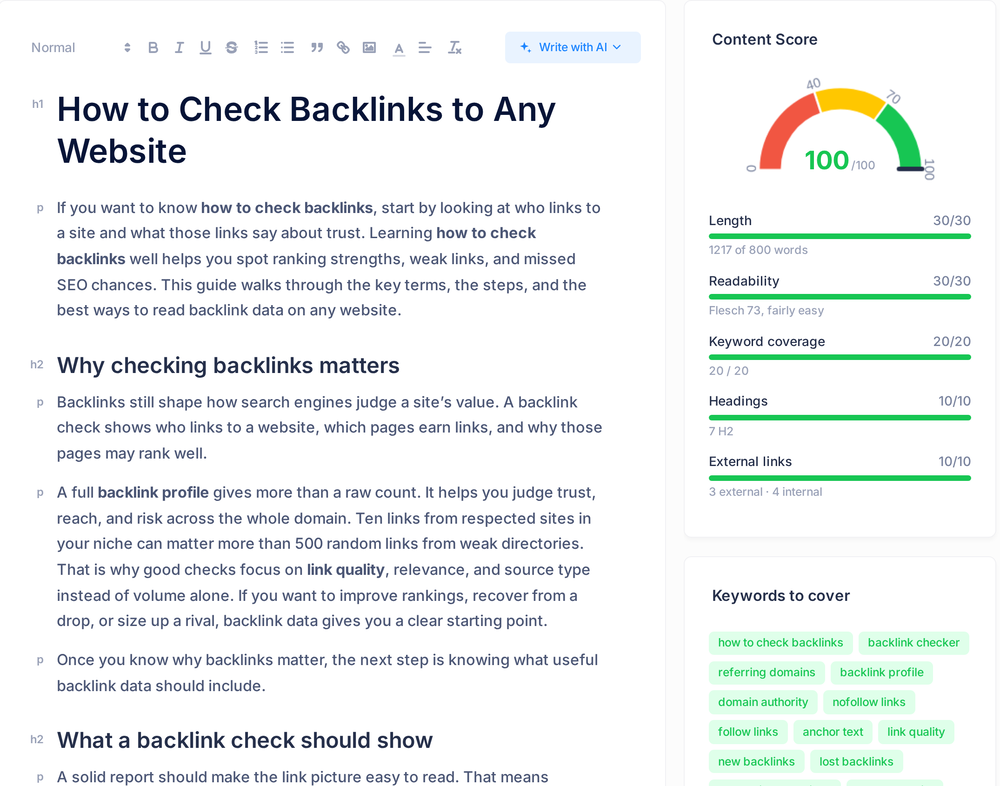
Write SEO Optimized Articles Instantly with AI Writer
AI Writer researches the pages ranking for your target keyword, instantly writes a full article and scores it for keywords, readability, links and length. Create the best content possible with the highest ranking potential with our proprietary algorithms.

About Writing Good Letters
What makes a good letter?
A good letter is clear about three things almost immediately: who is writing, what they want, and what the reader is being asked to do. Everything else is arrangement.
Letters fail most often by burying the request. A page of context followed by a request in the final paragraph asks the reader to hold everything in mind while wondering where it is going, and most people stop wondering before the end.
Tone is the part that genuinely differs by situation. A complaint, a resignation, a cover letter and a cold outreach message share a structure and almost nothing else, which is why generic letter templates read so badly.
What to include in a letter
- A first line that establishes who you are and why you are writing.
- The request or the point, early and stated plainly.
- Only the context needed to make that request reasonable.
- Specifics: dates, reference numbers, names, amounts.
- A clear next step, including what happens if there is no reply.
- A tone matched to the relationship rather than to a template.
Common mistakes
- Opening with several sentences of preamble before the reason for writing.
- Formality so heavy it obscures the meaning.
- Vagueness about what is actually being asked for.
- Emotion in a letter that needs to be a record, particularly complaints.
- Length. Almost every letter is improved by being shorter.
Letters and outreach
Most letters written for marketing are outreach: asking someone to look at something, cover it, or link to it. The rules tighten considerably there, because the reader owes you nothing and has received five similar messages this week.
What works is specificity and brevity. A message showing you have read their work and asking for one clearly defined thing outperforms any amount of flattery or template personalisation.
What does not work is anything that reads as generated at volume, which is now the default assumption and the reason response rates have fallen.
Where an AI letter generator helps, and where it does not
It is good at structure and register. If you are unsure how formal a resignation letter should be, or what order a complaint should present its facts in, an AI letter generator gives you a competent frame in seconds.
It cannot supply the specifics that make a letter credible, and those are usually the entire substance: the dates, the reference number, the thing that actually happened.
For outreach in particular, sending generated text unedited is counterproductive. The recipient can tell, and the template quality is precisely what they are filtering for.
Using the AI letter generator
Describe the letter you need, including the relationship and the outcome you want, and the tool drafts one. The more you say about the situation, the less generic the result.
Then replace the placeholders with real detail, cut anything that does not serve the request, and read it once as the recipient. Most letters lose a third of their length at that step and improve for it.
Where to go next
Outreach depends on your mail actually arriving. Confirm your SPF and DMARC records are in place, and check whether your site publishes email addresses in a form that invites the spam those records defend against.
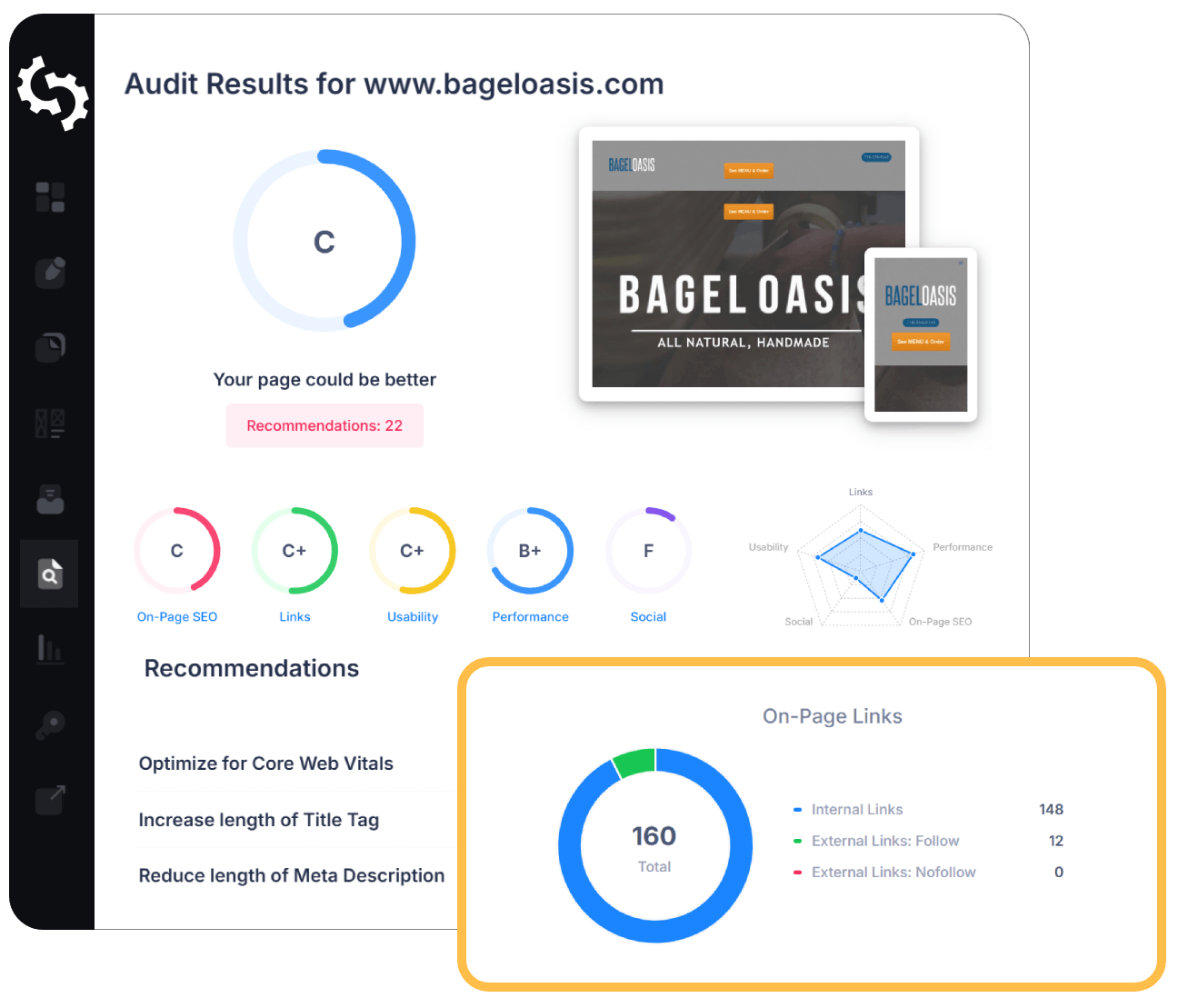
SEO Audit Any Site in Seconds
+ Comprehensive SEO / GEO Tools for Every Function
Run over 100 checks on your website across On-Page SEO, Usability, Performance, Social and Links. Now with GEO in every report. SEOptimer also offers keyword research, rank tracking, backlinks and a full site crawler.
Further Reading
See More
6 Outreach Email Templates to Earn Backlinks in Every Situation
Are you giving enough time and attention to your outreach efforts?
The truth is, for many businesses, this task takes a backseat to oth...

SEO Copywriting Checklist for Higher Ranking Content
Following an SEO copywriting checklist is quite important if you want to improve your website’s search engine visibility and outrank your co...