競合他社のキーワードを調査する
SEOptimerで競合他社のキーワードを無料で調査できます。競合ドメインを入力すると、そのドメインが検索順位を獲得しているオーガニックキーワードを、予測トラフィックの多い順に確認できます。
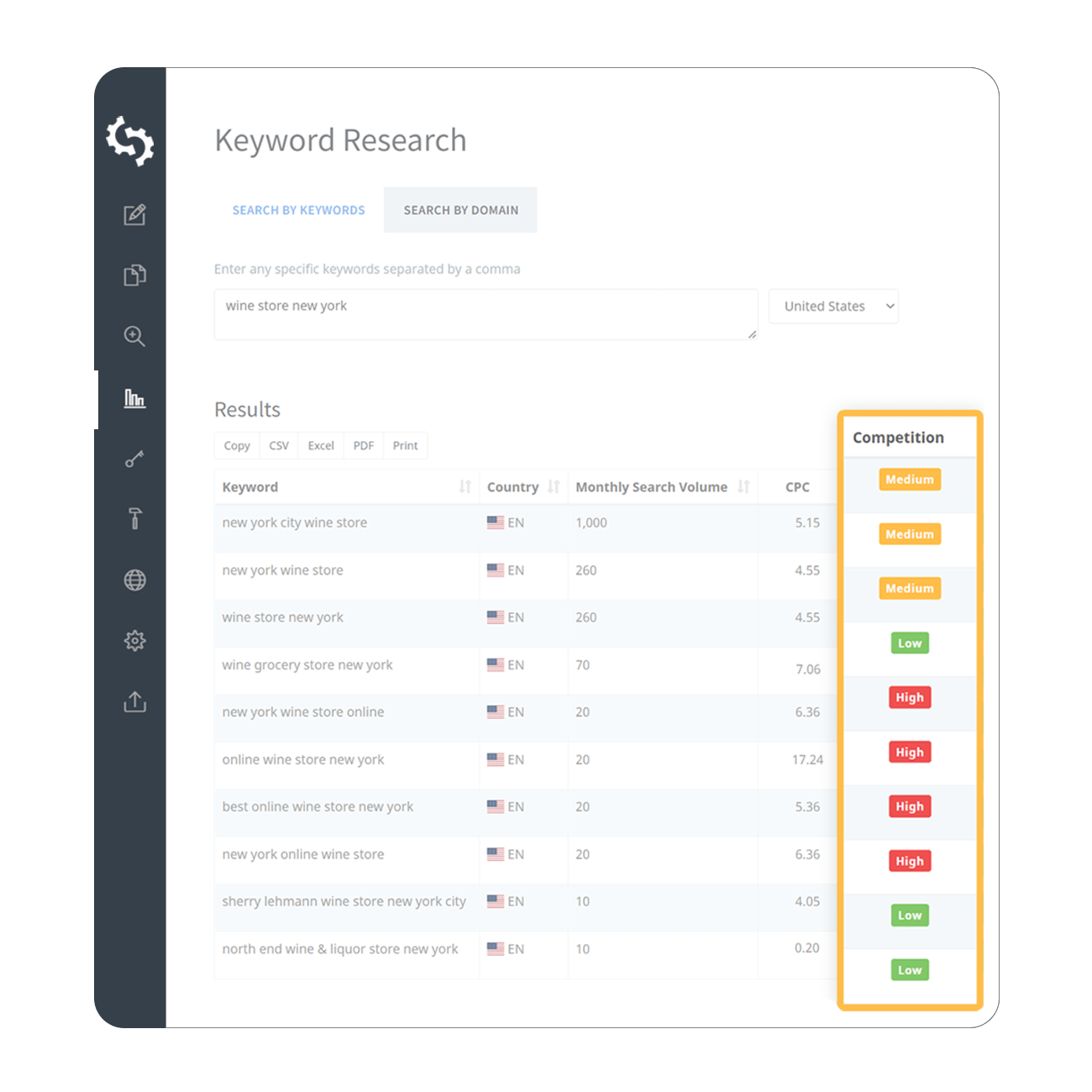
上位表示する価値のあるキーワードを見つけ、その順位の変動を追跡する
あらゆる市場の実際の検索ボリューム、CPC、競合データを確認できるため、始める前にどのキーワードが労力に見合うかを把握できます。その後、GoogleとBingでデスクトップ・モバイルの順位を毎日追跡し、ローカル検索では市区町村単位まで確認できます。スケジュールレポートでは、何が変わったのかをクライアントに正確に伝えられます。

競合他社のキーワード調査について
なぜ競合他社のキーワードを調査するのか?
検索順位を獲得しているすべてのサイトは、意図せずして、検索エンジンがそのサイトを何についてのものだと考えているかを示すリストを公開しています。競合のキーワードを調査するとは、単にそのリスト、つまり競合他社のマーケティングページがターゲットだと主張しているキーワードではなく、実際に検索結果に表示されるキーワードを読み取ることです。
この2つの間にある隔たりこそ、たいていの場合、興味深い部分です。企業はあるフレーズを軸に自社を位置付けながら、実際には、当初は想定していなかった関連性の高い別のキーワードからトラフィックの大半をひそかに獲得していることがあります。そして、それを知る唯一の方法は、外部から観察することです。
また、未知の市場に参入する最も迅速な方法でもあります。どの用語が重要なのかを推測するのではなく、すでにその市場で競合しているサイトが実際に成果を上げているキーワードから始められるからです。
競合サイトのキーワードリストで確認すべきこと
リストは上から下まで順に読むよりも、要点を絞って確認するほうが有用です。特に注目すべき点は5つあります。
- 相手はランクインしているが、自社はランクインしていない用語――自社のカバレッジにおける最も明確なギャップです。
- 両社がランクインしている用語――比較すべきなのはランクインしているかどうかではなく、順位です。
- 相手のブランド用語――見出しに表示されるトラフィック数を膨らませるため、分けて確認すべきです。
- 予想外のキーワード。あなたも競合も、対応するつもりなどなかった需要を明らかにします。
- 見栄えのする検索ボリュームではなく、実際に推定トラフィックがあるキーワード。
この最後の違いは、思っている以上に重要です。競合が8位にランクインしている検索ボリュームの大きいキーワードは、実際にはほとんどトラフィックを生みません。一方で、競合が完全に押さえている検索ボリュームの控えめなキーワードが、ひそかに大半の成果を生み出していることもあります。
調査対象とする競合を選ぶ
研究する価値のある競合は、プレゼンで名前を挙げる相手とは限りません。商業上の競合と検索上の競合は、思っているほど重ならないものです。さらに、パブリッシャーやマーケットプレイスが、あなたと同じ商品を販売していなくても、重視しているキーワードであなたより上位に表示されることがあります。
そのため、自社の主要キーワードで検索した際に実際に表示される相手を対象に、競合のキーワードを調査しましょう。その顔ぶれが、どれほどなじみのないものであっても、クリックをめぐって競い合っている相手です。
通常は3つか4つで十分です。すべてに共通して登場する用語は市場を表し、1つにしか登場しない用語は、その企業が成果を期待して仕掛けている対象です。実際に成果につながるかどうかは分かりません。
調査結果を自社のランキングに変える
獲得できる見込みがあるギャップだけを追う価値があります。ある用語に取り組むと決める前に、その用語ですでにランキングされているページを確認し、あなたのサイトにそれらと同等の価値を提供できるものが本当にあるのかを率直に考えてみてください。内容の深さ、そのテーマに関する権威性、あるいは本当に優れた回答などです。
競合他社が5位から15位の間にランクインしているキーワードは、通常、最適な出発点です。これらの順位は、独占されているのではなく、参入可能な市場であることを示しているため、誰もが上位をめぐって競い合っているキーワードに挑むよりも、はるかに有望です。
また、単一のキーワードではなく、クラスター単位で取り組みましょう。競合他社が1つのキーワードだけを独占していることはほとんどなく、トピック全体に対応するほうが、個々のフレーズを1つずつ狙うよりも成果につながりやすい傾向があります。
2026年の競合調査とAI検索
ランキングデータは、より広範なものを示す指標になっています。すでに上位にランクインしているページは、AIの回答で参照される傾向があるページでもあります。そのため、あるトピックをオーガニック検索で深くカバーしている競合は、誰かがアシスタントにそのトピックについて尋ねたときに引用される競合でもあることが多いのです。
このことから、競合のキーワードリストは、少なくともトピックレベルでは、その競合のAI上での可視性を把握するための妥当な出発点になります。競合が関連語のクラスターを押さえている場合、そのテーマのデフォルトの情報源にもなっていると考えられます。
ただし、これはあくまで代理指標です。引用とランキングは十分な頻度で乖離するため、重要なトピックがわかったら、この2つは別々に測定する価値があります。
このツールで競合他社のキーワードを調査する方法
任意のドメインを入力すると、当社のインデックスに登録されている、そのドメインのオーガニックキーワードを検索し、それぞれがもたらしている可能性の高いトラフィック順に並べます。競合他社のサイトでも自社サイトとまったく同じように機能するため、最初の簡単な分析としては、両方を実行して比較するのが最も手早い方法です。
結果はリアルタイム検索ではなく、当社のインデックスに基づくものです。そのため、実際の順位をリアルタイムで確認するものではなく、そのサイトが何で知られているかを示す情報としてご覧ください。
次に行うこと
競合他社のキーワードは、全体像の一部にすぎません。ウェブサイトトラフィックチェッカーでそれらがもたらすトラフィック規模を把握し、PPCチェッカーツールで同じドメインが広告費を支払っているキーワードを確認しましょう。そして、見つかったギャップをキーワードジェネレーターで自社のキーワードに変換できます。
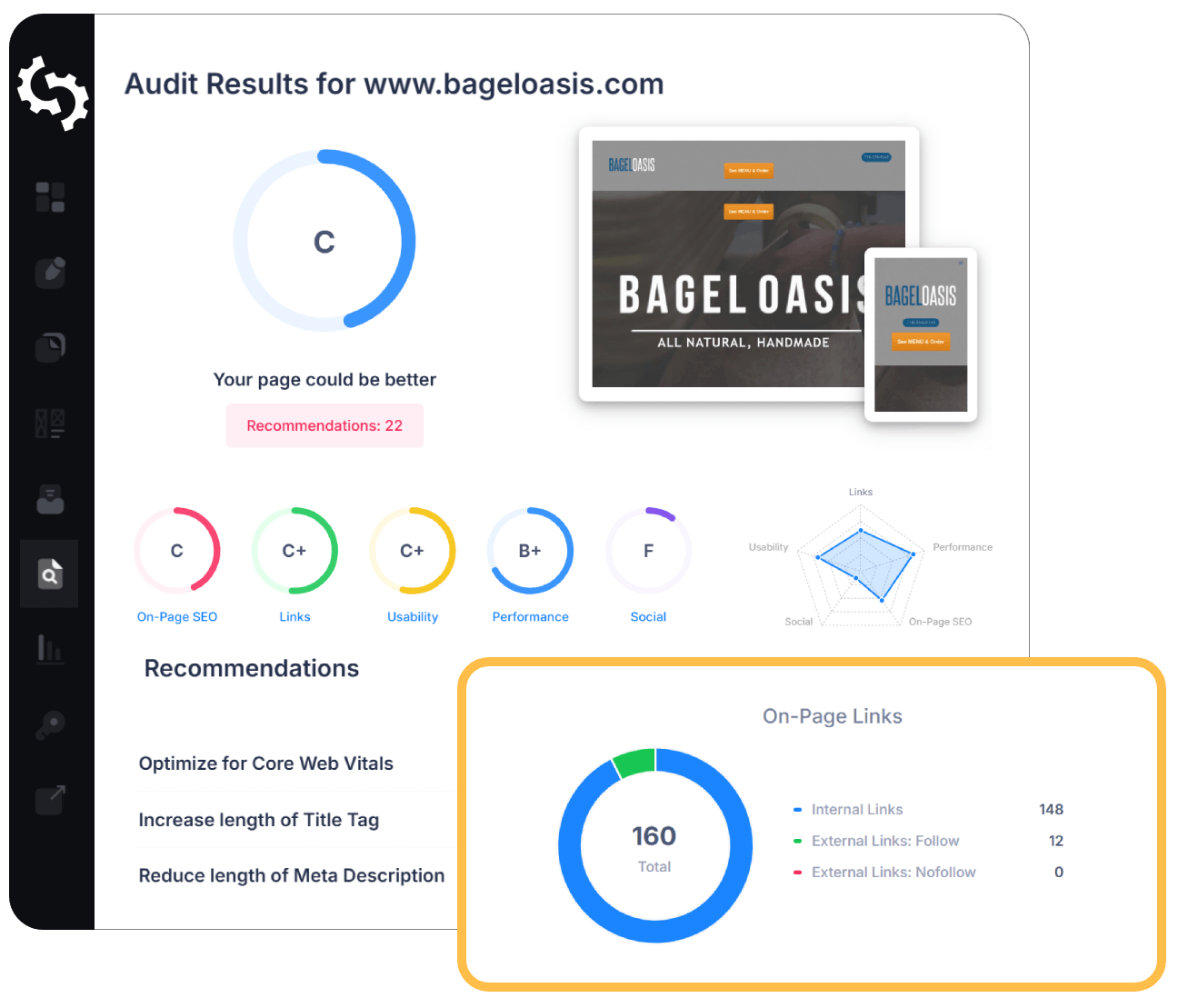
数秒であらゆるサイトをSEO監査
+ あらゆる機能に対応する包括的なSEO/GEOツール
オンページSEO、ユーザビリティ、パフォーマンス、ソーシャル、リンクに関して、ウェブサイトを100項目以上チェックします。すべてのレポートにGEO分析も追加されました。SEOptimerでは、キーワード調査、順位追跡、バックリンク分析、サイト全体のクローリングも利用できます。
関連記事
もっと見る
キーワードギャップ分析とは何か、5つのステップで行う方法
多くのマーケティング担当者は、キーワードギャップ分析が何であるか、そしてSEO戦略におけるその役割について疑問に思っています。 適切なキーワードギャップ分析は、パフォーマンスが低いキーワード、隠れた検索語句、およびSEOコンテンツ戦略を構築するための高価値のキーフレ...

SEOにおける競争インテリジェンスとは何か、そしてインサイトを収集する方法
SEOにおける"競合インテリジェンス"は、市場のライバルを分析して、彼らの戦術、強み、弱点を理解するプロセスです。 競合他社がやっていることをコピーするのではありません。キーワードランキングを改善するのに役立つ情報に基づいた意思決定を行うためにデータを集めることです...

ウェブサイトのキーワードを無料または有料ツールを使用して見つける方法
オンラインマーケティングの常に競争が激しい世界で、ウェブサイトのキーワードを見つける方法を発見することは、非常に価値のあるスキルです。それはあなた自身のサイトを最適化することを可能にするだけでなく、競合他社の戦略に対する洞察も提供します。 この記事では、あなたの最大...

SERP競合ランキングを確認する方法
すべてのSEO専門家やビジネスオーナーが知っていることが一つあるとすれば、それは検索エンジンでの可視性が重要であるということです。しかし、単に自分のウェブサイトのパフォーマンスを追跡するだけでは不十分です。自分のニッチで本当に支配するためには、競争相手を注視する必要があります。...
6 Powerful Tips to Rank in a Competitive Niche
Ranking in a competitive niche can feel like an uphill battle. But with the right strategies, it's entirely possible to start ranking for th...

SEOのための低い果実のキーワードを見つける方法
大手の競合がトップの座を独占している中で、SEOランクを上げることが不可能な上り坂の戦いのように感じますか?先を行くための秘密は、「低い位置にある果実のキーワード」をターゲットにすることにあります。 これらの「low hanging fruit」キーワードは、あらゆ...

SEOを5つの簡単なステップでベンチマークする + 測定するための重要な指標
SEO KPIをベンチマークすることは、改善のための領域を特定し、SEOキャンペーンから最高のROIを得るために不可欠です。 現在、ほとんどのビジネスがSEOに投資しており、その結果、ランキングの変動がより一般的になっています。 さらに、Googl...
AI Search Competitor Analysis: How to Track Competitor Visibility + Free Tracking Template
An AI search competitor analysis helps you understand how competing brands appear in ChatGPT, Gemini, Perplexity, Claude, and other AI tools...