Rakip Anahtar Kelimelerini Araştırma Hakkında
Rakip anahtar kelimeleri neden araştırmalısınız?
Sıralama alan her site, farkında olmadan arama motorlarının sitenin ne hakkında olduğunu düşündüğünü gösteren bir liste yayımlamış olur. Rakip anahtar kelimelerini araştırmak, aslında yalnızca bu listeyi okumaktır: Bir rakibin pazarlama sayfalarında hedeflediğini iddia ettiği terimler yerine, gerçekten sıralandığı terimler.
Bu iki şey arasındaki mesafe genellikle asıl ilgi çekici kısımdır. Bir şirket kendisini tek bir ifadenin etrafında konumlandırabilir, ancak trafiğinin çoğunu hiç planlamadığı, bununla ilişkili başka bir aramadan sessizce elde edebilir. Bunu görmenin tek yolu ise dışarıdan bakmaktır.
Ayrıca, aşina olmadığınız bir pazara girmenin en hızlı yoludur. Hangi terimlerin önemli olduğunu tahmin etmek yerine, o pazarda hâlihazırda rekabet eden bir başkası için işe yaradığını kanıtlamış terimlerden yola çıkarsınız.
Rakibin anahtar kelime listesinde nelere dikkat edilmeli
Listeyi baştan sona okumak yerine seçerek incelemek daha faydalıdır. Beş noktaya özellikle dikkat etmeye değer:
- Sıralandıkları, ancak sizin sıralanmadığınız terimler — kendi kapsamınızdaki en açık boşluklar.
- İkinizin de sıralandığı terimler; burada önemli olan varlık değil, konum karşılaştırmasıdır.
- Başlıkta görünen trafik rakamını şişiren marka terimleri; bunlar ayrı değerlendirilmelidir.
- Ne sizin ne de rakibinizin hizmet sunmayı hedeflediği talebi ortaya çıkaran beklenmedik terimler.
- Etkileyici görünen arama hacmi yerine gerçekten tahmini trafik getiren terimler.
Bu son ayrım, göründüğünden daha önemli. Bir rakibin sekizinci sırada yer aldığı yüksek hacimli bir terim neredeyse hiç trafik getirmezken, tamamen sahip oldukları mütevazı bir terim sessizce işin büyük kısmını yapıyor olabilir.
Araştıracağınız rakipleri seçme
İncelemeye değer rakipler, bir sunumda adını verdiğiniz rakipler değildir. Ticari rakiplerinizle arama rakipleriniz beklediğinizden daha az örtüşür; ayrıca bir yayıncı veya pazar yeri, sattığınız ürün ya da hizmetleri hiç satmadan önem verdiğiniz terimlerde sizden daha üst sıralarda yer alabilir.
Bu nedenle rakip anahtar kelimelerini, kendi temel terimlerinizi aradığınızda gerçekten görünen siteler için araştırın. Bu grup — ne kadar tanıdık gelmese de — tıklama için rekabet ettiğiniz gruptur.
Üç veya dört genellikle yeterlidir. Bunların tümünde yer alan bir terim pazarı tanımlar; yalnızca birinde bulunan bir terim ise o şirketin yaptığı bir yatırımı gösterir ve bu yatırım işe yarayabilir de yaramayabilir de.
Araştırmayı kendi sıralamalarınıza dönüştürme
Bir boşluğun peşinden gitmek, ancak onu makul bir şekilde kapatabiliyorsanız değerlidir. Bir terime odaklanmadan önce, o terim için hâlihazırda sıralanan içeriklere bakın ve sitenizin sunabileceği karşılaştırılabilir bir şey olup olmadığını dürüstçe değerlendirin: konuya derinlemesine yaklaşım, konu üzerindeki otorite veya gerçekten daha iyi bir yanıt.
Bir rakibin beşinci ile on beşinci sıralar arasında yer aldığı terimler genellikle en iyi başlangıç noktalarıdır. Bu sıralamalar, tamamen ele geçirilmiş bir pazar yerine ulaşılabilir bir pazara işaret eder; bu da herkesin zirvede rekabet ettiği terime odaklanmaktan çok daha iyi bir seçenektir.
Ayrıca tek tek terimler yerine kümeler halinde çalışın. Rakipler nadiren yalnızca bir anahtar kelimeye sahip olur; bütün bir konuyu hedeflemek, tek tek ifadeleri elemekten genellikle sizi daha ileriye taşır.
2026 yılında rakip araştırması ve yapay zekâ araması
Sıralama verileri daha kapsamlı bir şeyin göstergesi hâline geldi. Zaten iyi sıralanan sayfalar, yapay zekâ yanıtlarının yararlanma eğiliminde olduğu sayfalardır; bu nedenle bir konu hakkında bir asistana soru sorulduğunda, konuya ilişkin kapsamlı organik içerik sunan rakip genellikle alıntılanan taraf da olur.
Bu da onların anahtar kelime listesini, en azından konu düzeyinde, yapay zekâ görünürlüklerini değerlendirmek için makul bir ilk kaynak hâline getirir. Bir rakip, birbiriyle ilişkili terimlerden oluşan bir kümeye sahipse, o konuyla ilgili varsayılan kaynak olduğunu kabul edin.
Ancak bu yalnızca bir göstergedir. Atıf ve sıralama yeterince sık birbirinden ayrıldığından, hangi konuların önemli olduğunu öğrendikten sonra bu ikisini ayrı ayrı ölçmek faydalı olur.
Bu araçla rakip anahtar kelimeleri nasıl araştırabilirsiniz
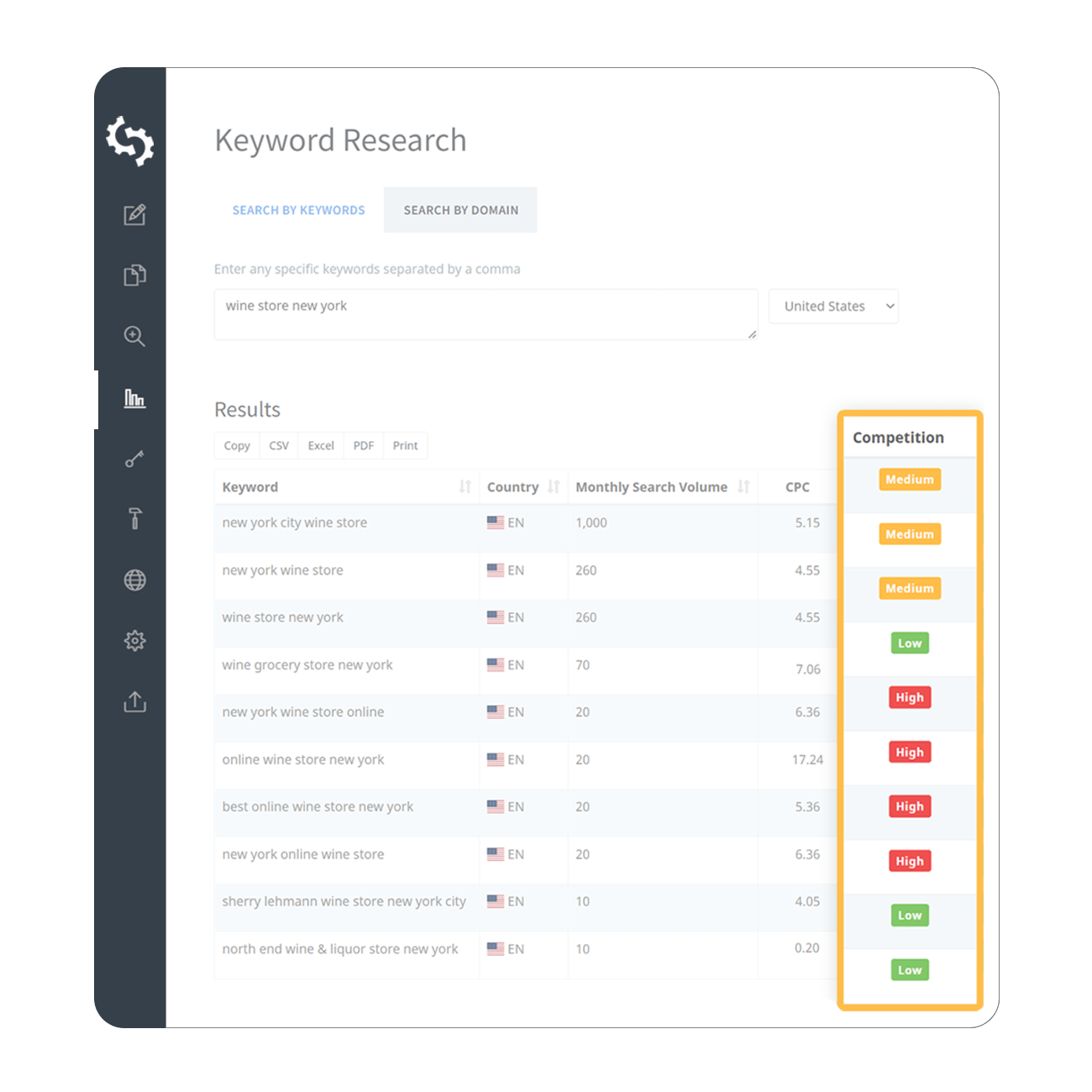
Herhangi bir alan adı girin; araç, dizinimizde bu alan adı için bulunan organik anahtar kelimeleri arar ve bunları her birinin muhtemelen sağladığı trafiğe göre sıralar. Rakip bir site üzerinde de kendi sitenizde olduğu gibi çalışır; bu nedenle en hızlı ilk adım, her ikisini de çalıştırıp karşılaştırmaktır.
Sonuçlar canlı arama yerine dizinimizden alınır; bu nedenle bunları gerçek zamanlı konum kontrolü olarak değil, bir sitenin hangi konularla tanındığını gösteren bir görünüm olarak değerlendirin.
Sonraki adımlar
Bir rakibin anahtar kelimeleri tablonun yalnızca bir parçasıdır.
web sitesi trafiği denetleyicisiyle bunların arkasındaki trafiğin boyutunu ölçün,
PPC denetleyicisi aracıyla aynı alan adının hangi kelimeler için ödeme yaptığını görün ve bulduğunuz boşlukları
anahtar kelime oluşturucu ile kendi anahtar kelimelerinize dönüştürün.