SSL Checker
SEOptimer’s SSL Checker verifies if your website uses SSL encryption ensuring secure data transfer, protecting sensitive information, and meeting modern security and search engine standards.
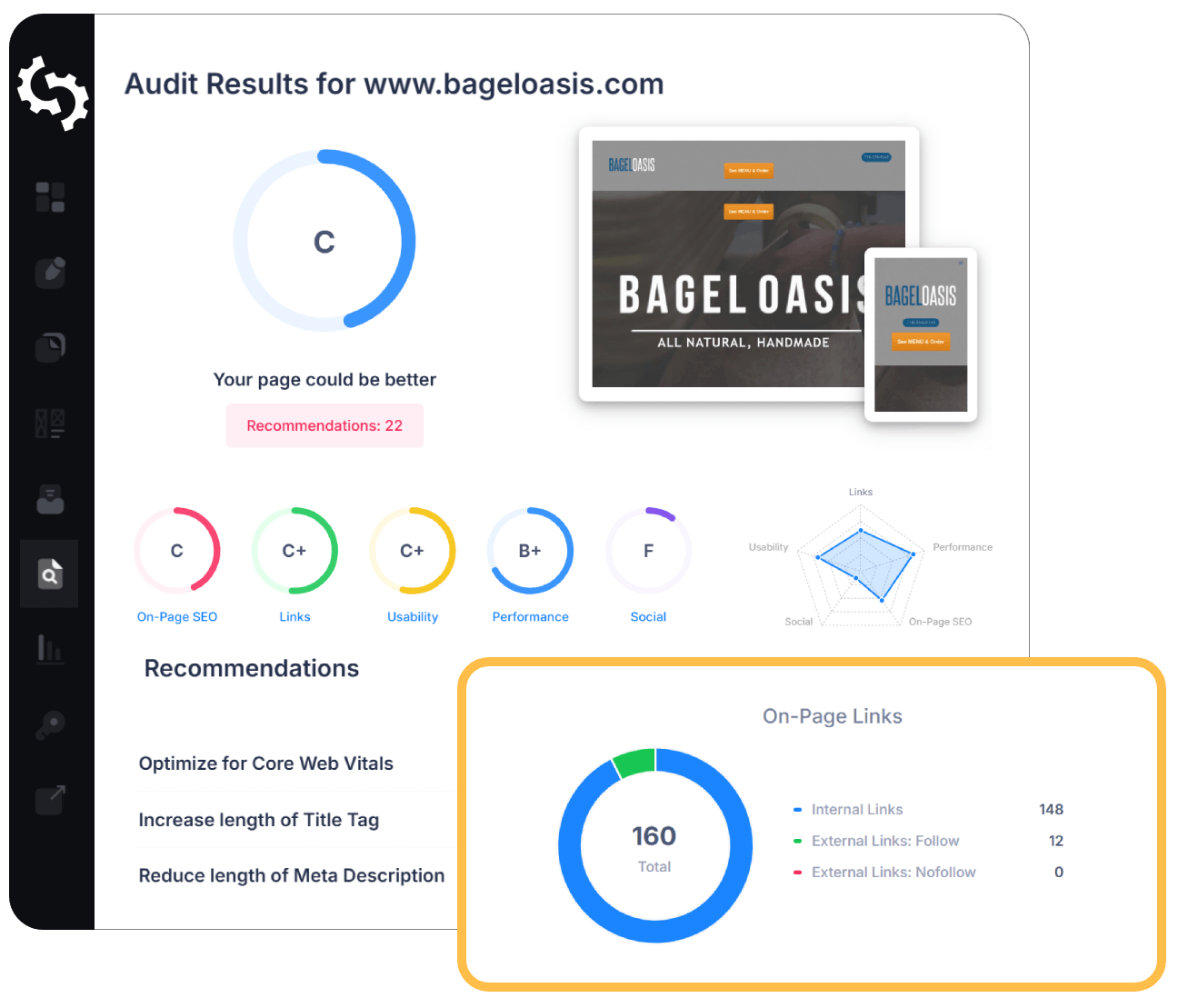
SEO Audit Any Site in Seconds
+ Comprehensive SEO / GEO Tools for Every Function
Run over 100 checks on your website across On-Page SEO, Usability, Performance, Social and Links. Now with GEO in every report. SEOptimer also offers keyword research, rank tracking, backlinks and a full site crawler.

About SSL Certificates
What is an SSL certificate?
An SSL certificate lets a site be served over HTTPS, encrypting traffic between the visitor and the server so it cannot be read or altered in transit. It is what puts the padlock in the address bar, and what stops a network operator inserting advertising into your pages.
It does two jobs at once. It encrypts the connection, and it verifies that the server genuinely belongs to the domain it claims, which is what makes it a trust mechanism rather than only a privacy one.
An SSL checker confirms the certificate is present and valid. That sounds trivial until you consider that certificates expire on a schedule nobody remembers, and an expired one takes a site offline as completely as a server failure.
Does SSL still matter in 2026?
It is mandatory in practice rather than merely recommended. Browsers mark sites without it as not secure and warn users away from any form on such a page, which is fatal for anything asking for an email address, let alone a payment.
Certificates are free and issuance is automated, so there is no remaining cost argument. The only sites still without one are sites nobody has looked at in years.
It is also a prerequisite for HTTP/2, HTTP/3 and most modern browser features, so its absence holds back considerably more than encryption alone.
How SSL relates to AI search
A site failing a basic trust check is a poor candidate for citation, and systems assessing source reliability have no reason to overlook something browsers flag prominently.
Certificate expiry is the more common risk in practice. An expired certificate makes a site unreachable to crawlers as well as visitors, and expiries typically happen at the worst possible moment because nobody is watching for them.
A source that intermittently fails to load is a source that gets used less, and the failure is silent from your side.
Common certificate problems
- Expiry, which is the most common failure and entirely preventable with automated renewal.
- A certificate covering one hostname but not another, typically www versus non-www.
- Mixed content, where a secure page loads images or scripts over plain HTTP.
- An incomplete certificate chain, which some browsers tolerate and others reject.
- A self-signed certificate on production, which every browser will warn about.
SSL best practices
- Serve every page over HTTPS, not only forms and checkout.
- Automate renewal and alert on approaching expiry.
- Cover every hostname you use, including www and non-www forms.
- Fix mixed content; a single insecure asset removes the padlock.
- Redirect HTTP to HTTPS so the insecure version is never served.
- Check subdomains separately, since they are frequently forgotten.
What this tool checks
The SSL checker reports whether the site presents a valid SSL certificate.
It confirms the certificate is in place and valid rather than auditing the cipher configuration in detail, so a pass means the connection is secure and trusted, not that every server setting is optimal.
Where to go next
A certificate on its own is not enough if the insecure version of the site still answers. Check the HTTPS redirect checker, confirm the server is using a modern protocol with the HTTP/2 check, and review your DNS records if the certificate is valid but the site is unreachable.
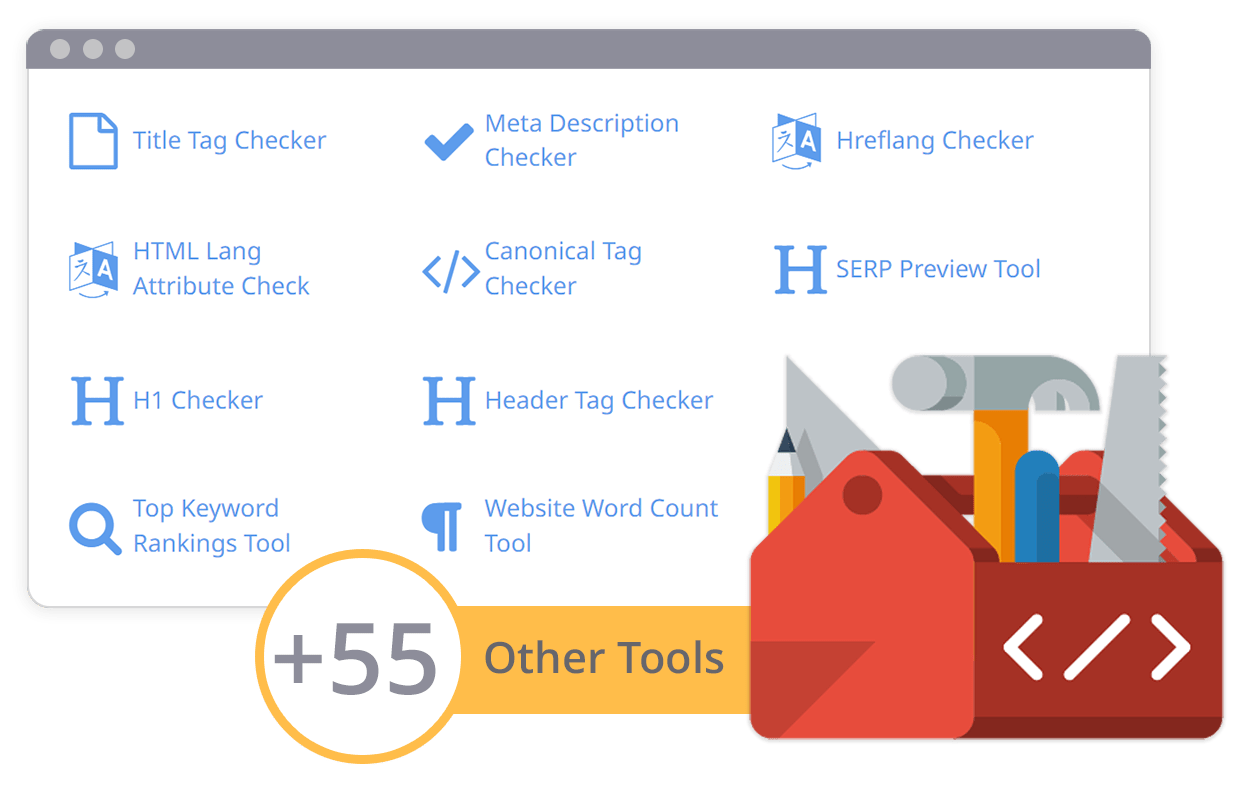
Comprehensive SEO Toolbox with over 55 Tools
Check Titles, Meta Descriptions, Headings, Schema, Core Web Vitals, SSL and Robots.txt. Generate Meta Tags, Sitemaps and .htaccess Rules, minify CSS, JS and HTML, and draft copy with our AI Writing Tools - instantly and for free.
Further Reading
See More
Ultimate Guide to SSL - What it is, Why it's Important and How to get it
What is SSL?
SSL (Secure Socket Layer) is a security technology that establishes an encrypted link between servers and clients. Server...