HTTP2 Usage
SEOptimer’s HTTP2 Usage Tool verifies if your website is using the HTTP/2 protocol, which offers improved performance over older versions.
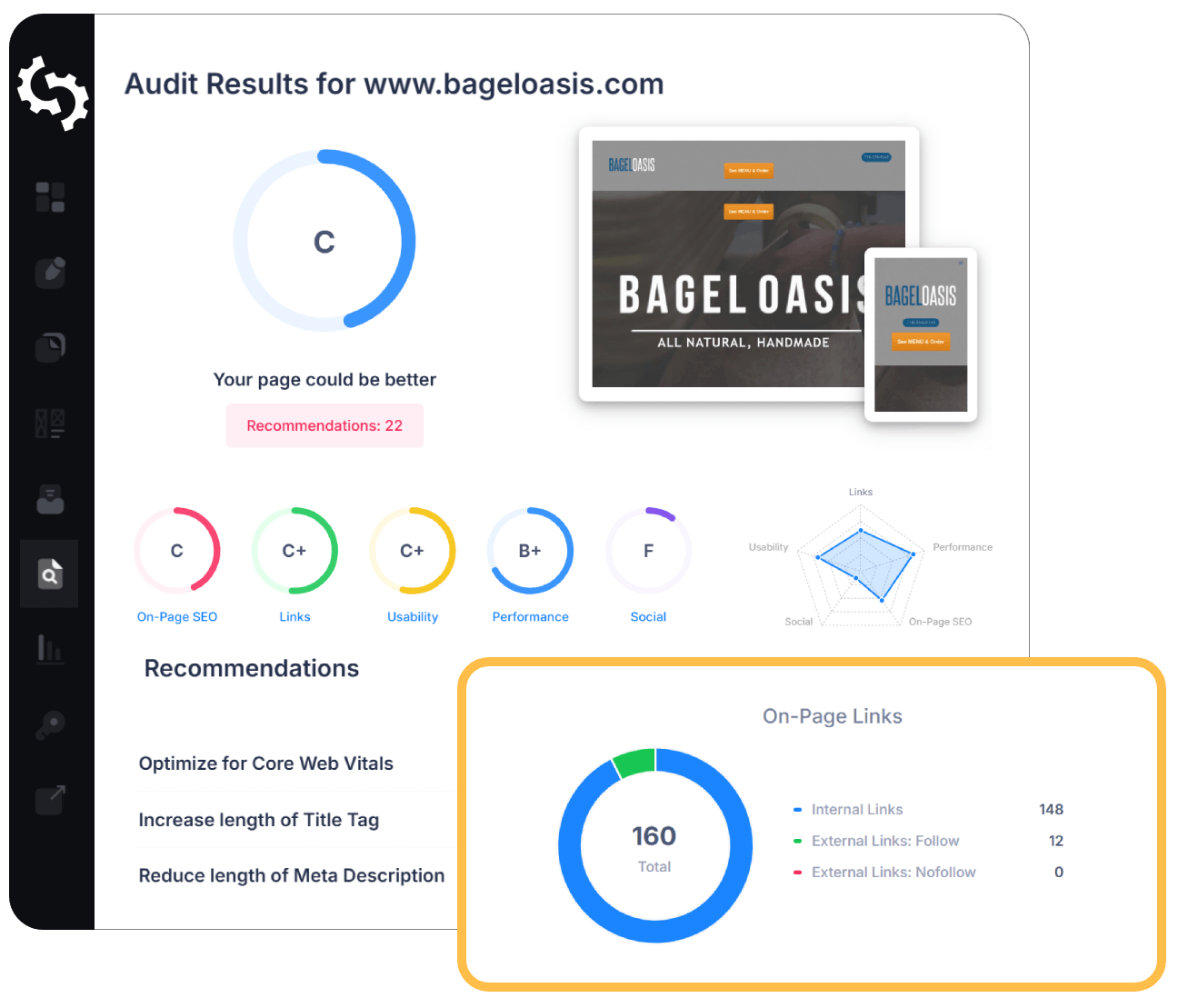
SEO Audit Any Site in Seconds
+ Comprehensive SEO / GEO Tools for Every Function
Run over 100 checks on your website across On-Page SEO, Usability, Performance, Social and Links. Now with GEO in every report. SEOptimer also offers keyword research, rank tracking, backlinks and a full site crawler.

About HTTP/2 Usage
What is HTTP/2?
HTTP/2 is the protocol version that replaced HTTP/1.1. Its main improvement is multiplexing: many files travel over a single connection simultaneously, rather than queuing while a handful of connections take turns.
HTTP/3 goes further, changing the underlying transport so that one lost packet no longer stalls everything else. That matters most on mobile networks, where packet loss is normal rather than exceptional.
Both require HTTPS in every browser, so a site without a valid certificate is limited to HTTP/1.1 regardless of what the server supports.
Does the protocol version still matter in 2026?
It is largely a solved problem, and that is the point of checking: a site still on HTTP/1.1 is now an outlier, and usually by accident rather than decision.
The gain is largest on exactly the pages that need it most, those loading many separate files over a slow connection. On a fast connection with few assets the difference is barely measurable.
It is also worth re-checking periodically, because CDN and hosting changes can silently downgrade the negotiated version without anything visibly breaking.
How the protocol relates to AI search
It has no bearing on how content is understood, only on how efficiently it is retrieved. Faster, more reliable delivery means more of a large site is read per crawl.
Treat it as infrastructure hygiene rather than an optimisation with a content payoff. It belongs in the same category as valid certificates and correct status codes: invisible when right, costly when wrong.
Protocol best practices
- Enable HTTP/2 at minimum; it requires HTTPS in every browser.
- Enable HTTP/3 where your CDN or server supports it.
- Drop HTTP/1.1 era workarounds such as domain sharding, which now hurt rather than help.
- Confirm the negotiated protocol in browser developer tools rather than trusting the setting.
- Re-check after CDN changes, which are the usual cause of a silent downgrade.
What this tool checks
The tool records which HTTP protocol version the server negotiated and passes on HTTP/2 or higher.
It reports the version reached from this test, which can differ from what other clients negotiate depending on their location and the CDN edge they connect to.
Where to go next
Protocol is one part of how quickly files arrive. Confirm you have a valid SSL certificate, since HTTP/2 depends on it, check that responses are compressed, and see how many files the page actually needs with the page request tool.
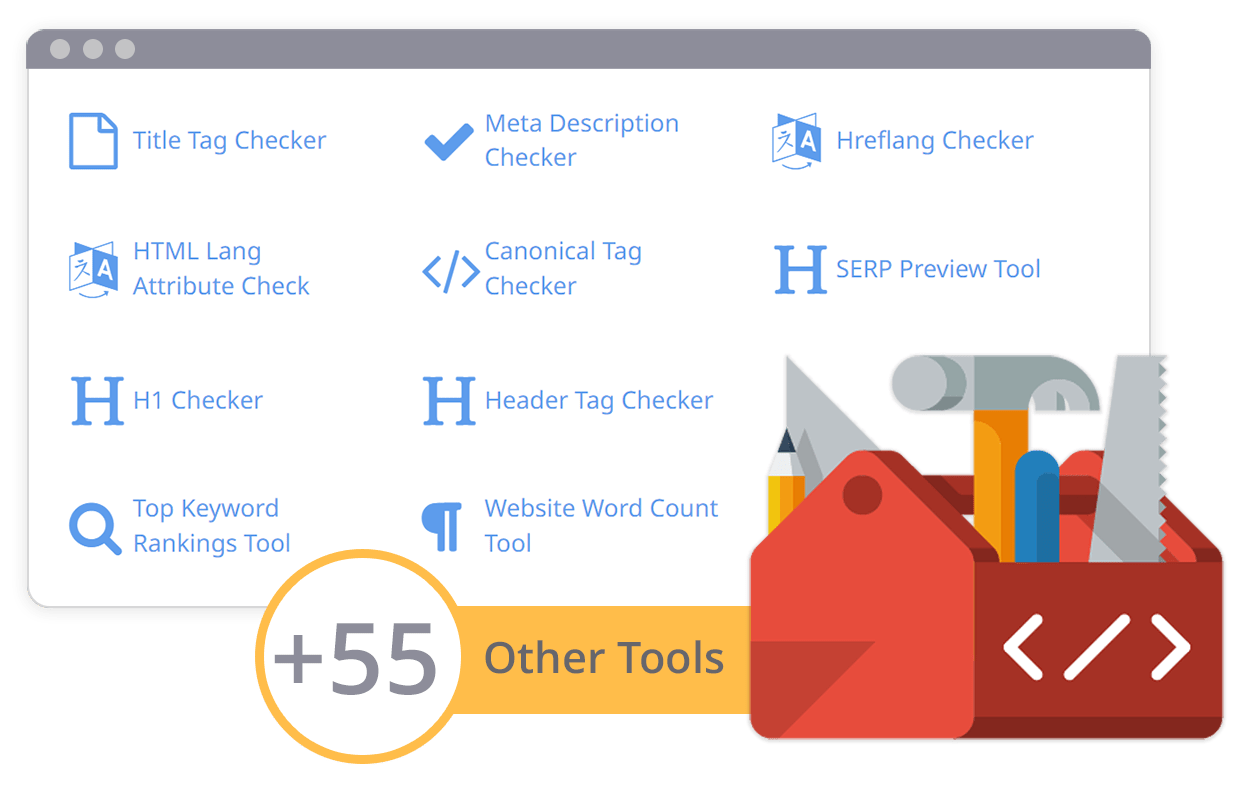
Comprehensive SEO Toolbox with over 55 Tools
Check Titles, Meta Descriptions, Headings, Schema, Core Web Vitals, SSL and Robots.txt. Generate Meta Tags, Sitemaps and .htaccess Rules, minify CSS, JS and HTML, and draft copy with our AI Writing Tools - instantly and for free.
Further Reading
See More
Page Speed: What It Is, and How It Impacts SEO
What is Page Speed?
The term page speed refers to the amount of time your media content or web page will take to download from the...

Webpage Size - Why is it important? And how do you optimize it?
What is Webpage Size?
The term webpage size in the SEO world refers to the downloaded file size of a given web page.
The...