Webpage iFrame Test Tool
SEOptimer’s Webpage iFrame Test Tool scans your webpage to identify any embedded iFrames.

SEO Audit Any Site in Seconds
+ Comprehensive SEO / GEO Tools for Every Function
Run over 100 checks on your website across On-Page SEO, Usability, Performance, Social and Links. Now with GEO in every report. SEOptimer also offers keyword research, rank tracking, backlinks and a full site crawler.

About iFrames
What is an iframe?
An iframe embeds one web page inside another. Videos, maps, booking widgets, calendars and payment forms are commonly delivered this way, because the embedded page can come from a different site entirely and stay isolated from yours.
That isolation is both the point and the problem. It keeps third-party code from interfering with your page, and it means the content inside belongs to the other page rather than to yours.
An iframe test tells you what a page is embedding, which is worth knowing for two different reasons: what you are relying on, and what you might be hiding inside a frame without meaning to.
Do iframes still matter in 2026?
They remain the standard way to embed third-party functionality, and for that purpose they are entirely reasonable. Nobody should rebuild a payment form to avoid one.
The trouble is using them for your own primary content, which effectively hides it from anything reading the containing page. That was once a common way to reuse content across sites, and pages built that way are still out there.
They also carry a real performance cost, since each one loads a complete additional page with its own assets, scripts and connections.
How iframes relate to AI search
Content inside an iframe is generally attributed to the embedded source rather than to your page. If your key information lives in one, your page can appear to say very little while looking full to a visitor.
The reliable pattern is to keep the substance in your own HTML and use iframes only for genuinely external functionality, adding a text summary alongside anything embedded.
That is especially worth doing for video. A transcript or summary beside an embed turns content that is invisible to a parser into content that can be read, quoted and cited.
iFrame best practices
- Never put primary content in an iframe.
- Give each one a title attribute so screen readers can announce what it contains.
- Lazy-load embeds below the fold; they are expensive to load eagerly.
- Summarise embedded content in surrounding text, particularly for video.
- Restrict permissions with the sandbox and allow attributes where you can.
- Review embeds periodically; they outlive the campaigns that introduced them.
What this tool checks
The tool reports whether the page contains any iframes, and is best read as an inventory rather than a verdict.
Their presence is flagged for review rather than treated as an error, because an embedded video is perfectly reasonable while your main article inside a frame is not, and the tool cannot tell those two situations apart. That judgement is yours.
Where to go next
Embeds affect weight and readability. Check what the page costs to load with the page size and page requests tools, and confirm your actual content is present in the HTML rather than assembled elsewhere using the JavaScript errors test.
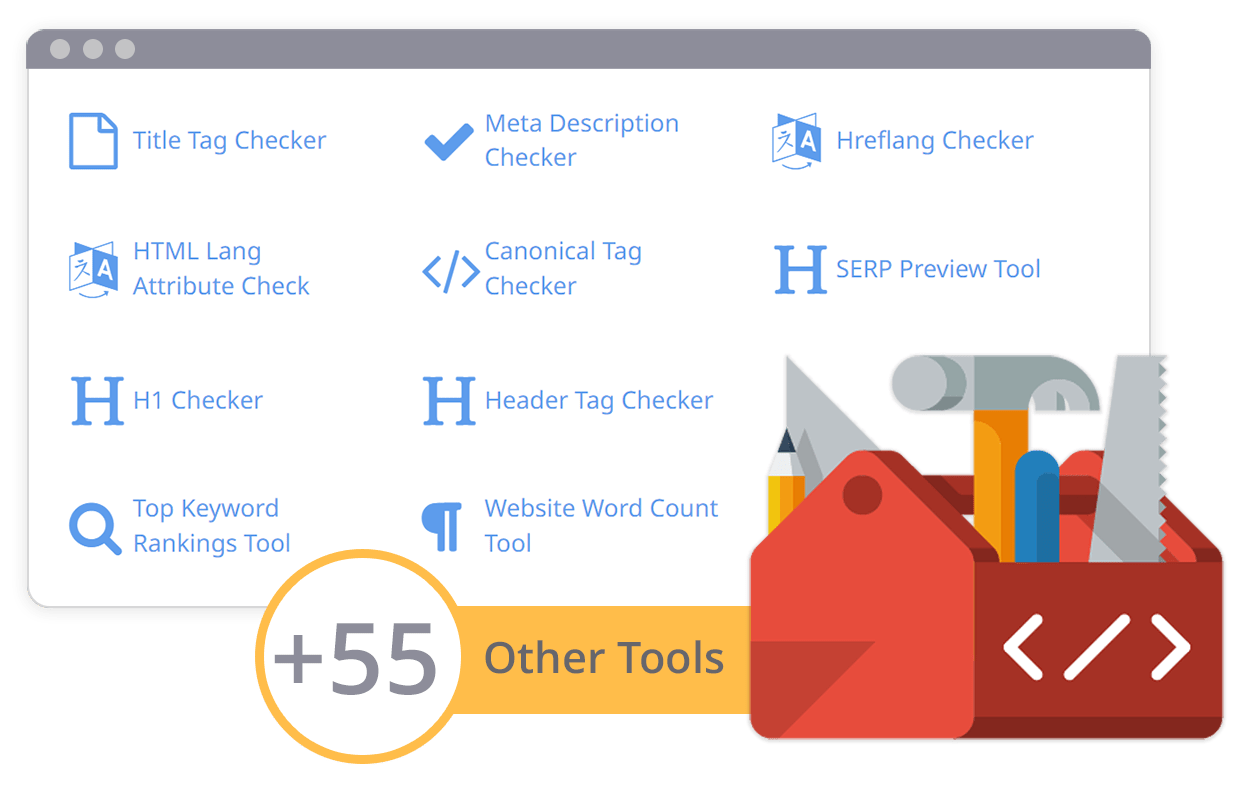
Comprehensive SEO Toolbox with over 55 Tools
Check Titles, Meta Descriptions, Headings, Schema, Core Web Vitals, SSL and Robots.txt. Generate Meta Tags, Sitemaps and .htaccess Rules, minify CSS, JS and HTML, and draft copy with our AI Writing Tools - instantly and for free.