AI Hook Generator
Grab your reader's attention instantly with our AI Hook Generator. Simply enter your topic, and get creative, attention-grabbing hooks for your content in seconds.
Input
Output
Generated content:
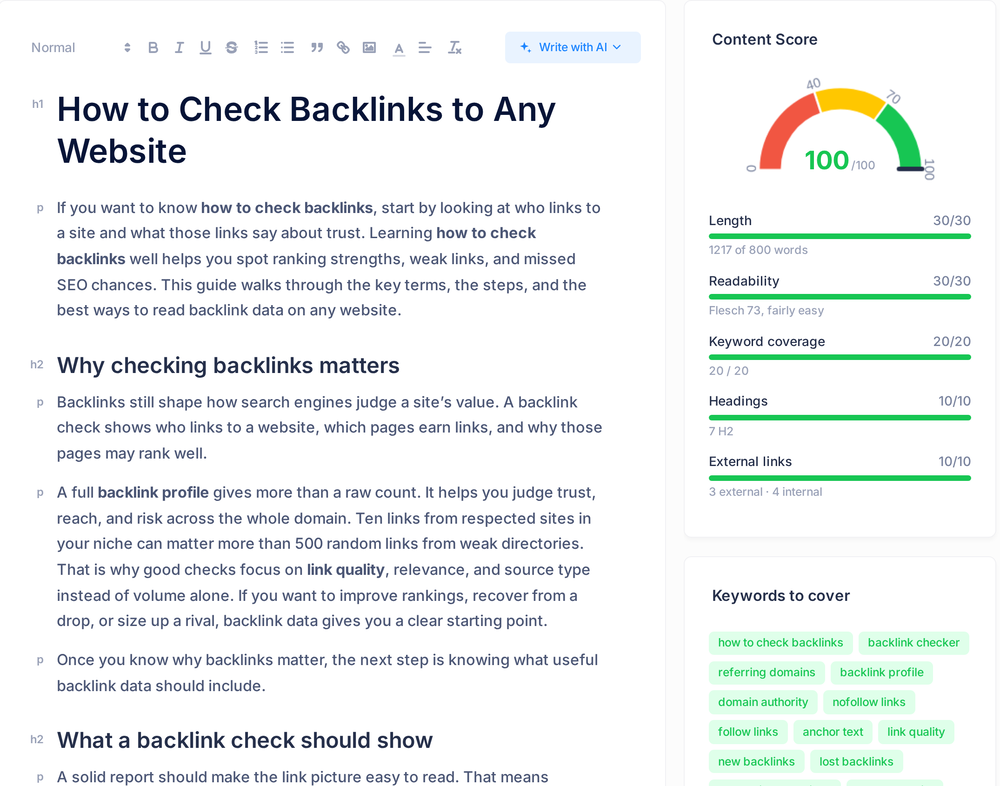
Write SEO Optimized Articles Instantly with AI Writer
AI Writer researches the pages ranking for your target keyword, instantly writes a full article and scores it for keywords, readability, links and length. Create the best content possible with the highest ranking potential with our proprietary algorithms.

About Writing Good Hooks
What is a hook?
A hook is the opening line whose only job is to make the next line get read. It appears at the top of an article, in the first frame of a video, in the preview text of an email, and in the first sentence of a social post.
It works by creating a small gap the reader wants closed: an unexpected claim, a specific number, a question they realise they cannot answer, or a statement that contradicts what they assumed.
The gap has to be genuine. A hook that promises a revelation the piece does not contain earns one click and costs the trust that would have earned the next ten.
What makes a hook work
- Specificity. A concrete number or named case beats a general claim every time.
- Tension. Something surprising, contested, or contrary to the obvious assumption.
- Relevance. It has to matter to the person reading, not merely be interesting in the abstract.
- Brevity. A hook that needs two sentences to land is usually not a hook.
- Honesty. It must be a fair description of what follows.
Common mistakes
- Manufactured drama that the content cannot support.
- Rhetorical questions with obvious answers, which read as filler.
- Starting with the writer rather than the reader.
- Withholding the subject entirely, so nobody knows what they are being hooked into.
- Reusing a formula until the audience recognises it as a formula.
Where a hook generator helps, and where it does not
It is genuinely useful for producing options. Hooks benefit from volume, because the tenth attempt is usually better than the first, and a hook generator removes the cost of generating attempts.
It cannot judge which one is true to your piece, and that judgement is the whole task. A generated hook will happily promise something your content does not deliver, because it has not read your content.
Use it as a list to choose from and adapt, never as a line to publish unread.
Using the hook generator
Enter your topic and the tool produces opening lines you can pick from. Generate several rounds; the useful one is rarely first.
Then check each candidate against the piece itself. If the hook makes a promise the content does not keep, either change the hook or, occasionally, improve the content until it does.
Where to go next
A hook opens something. Draft the piece with the AI blog post generator tool, build the opening around it with the introduction paragraph generator, and close with the conclusion generator.
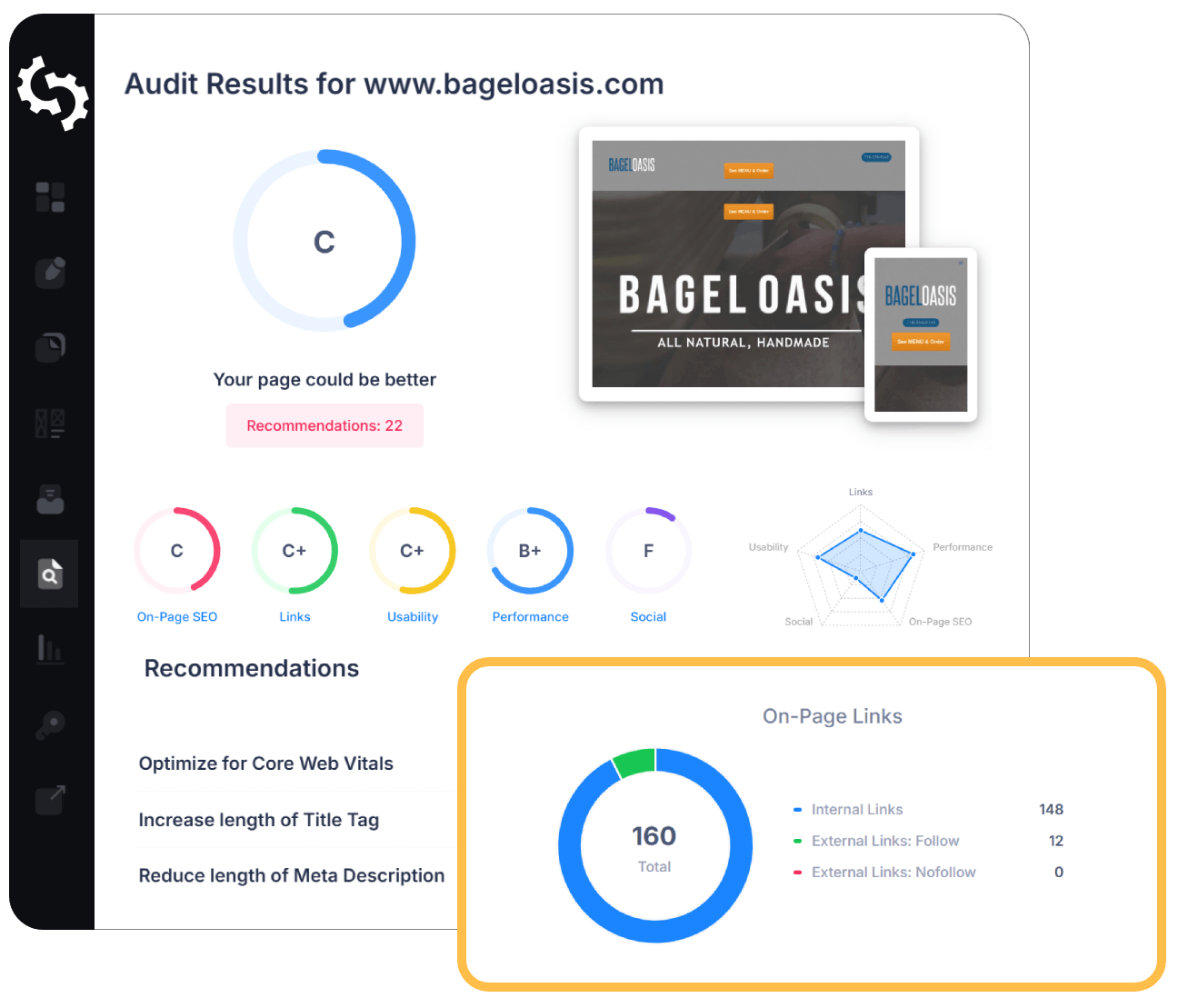
SEO Audit Any Site in Seconds
+ Comprehensive SEO / GEO Tools for Every Function
Run over 100 checks on your website across On-Page SEO, Usability, Performance, Social and Links. Now with GEO in every report. SEOptimer also offers keyword research, rank tracking, backlinks and a full site crawler.
Further Reading
See More
SEO Copywriting Checklist for Higher Ranking Content
Following an SEO copywriting checklist is quite important if you want to improve your website’s search engine visibility and outrank your co...

How to Drive Up Your CTR and SEO
What Is CTR?
CTR stands for Click Through Rate, and is defined as the percentage of people who click a search result after seeing it.
To see...

12 Content Marketing Secrets to Make You Extraordinary
When it comes to content marketing, it seems like there are no secrets left.
No mystery unsolved. No stone left unturned.
But, belie...