Introduction Paragraph Generator
Generate engaging and compelling introductory paragraphs effortlessly with our AI Intro Paragraph Writer. Save time and improve your content creation process today!
Input
Output
Generated content:
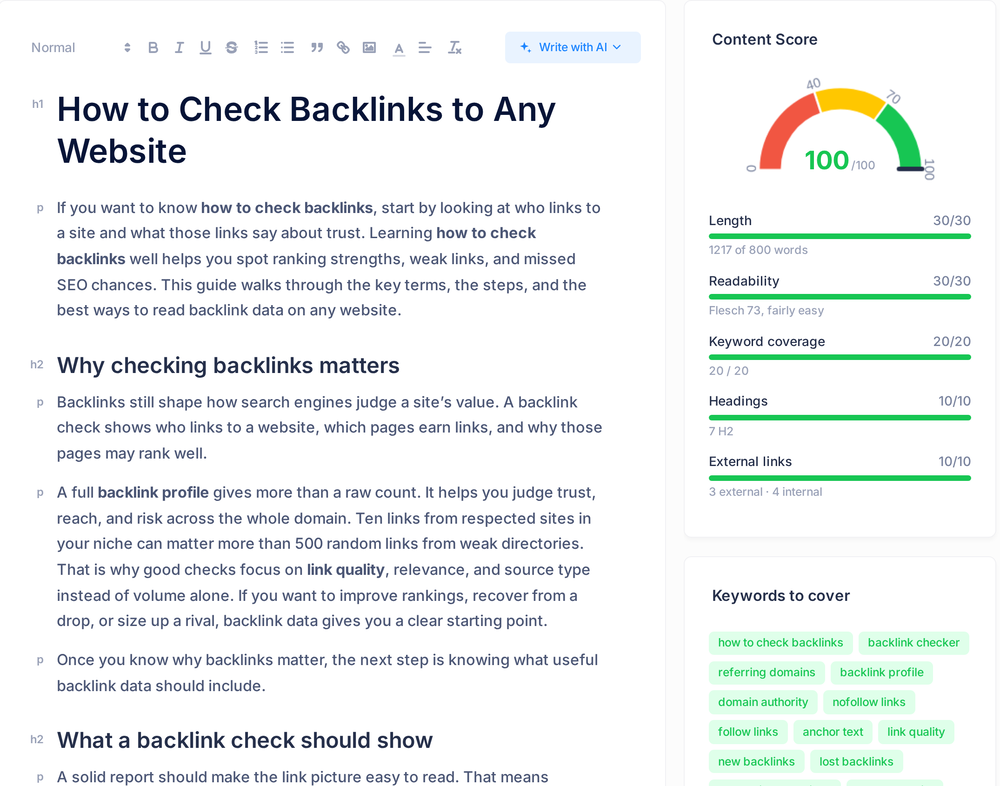
Write SEO Optimized Articles Instantly with AI Writer
AI Writer researches the pages ranking for your target keyword, instantly writes a full article and scores it for keywords, readability, links and length. Create the best content possible with the highest ranking potential with our proprietary algorithms.

About Writing Good Introductions
What makes a good introduction?
A good introduction establishes, in two or three sentences, what the page is about and why the reader should continue. It is the shortest part of most pieces and the part most likely to decide whether the rest is read.
The common failure is warming up. Introductions that begin with the history of the subject, or with a sentence explaining that the subject is important, spend the reader patience before delivering anything, and the reader arrived with very little to spend.
The test is whether the piece would be worse without it. If the first paragraph could be deleted and nothing would be lost, it was throat-clearing rather than an introduction.
The opening is disproportionately influential in how a page is understood, since it is the first substantial text anyone encounters and frequently the passage pulled out as a summary. That is another argument for making the first two sentences carry the meaning.
What to include in an introduction
- The subject, stated plainly rather than approached.
- A reason to keep reading: what the reader will know or be able to do afterwards.
- The scope, so nobody reads on hoping for something the piece does not cover.
- A hint of the position, if the piece takes one worth taking.
- Nothing else. Background belongs in the body, where it can be skipped.
Common mistakes
- Opening with a dictionary definition of the subject.
- Explaining that the topic is important before saying anything about it.
- Restating the title in longer form.
- Promising more than the piece delivers, which converts a click into a bounce.
- Writing four paragraphs before the first useful sentence.
Where an introduction paragraph generator helps, and where it does not
It is useful precisely because introductions are hard to start and easy to overthink. An introduction paragraph generator produces something correctly shaped immediately, which breaks the deadlock.
What it produces will be generic, because it has only your topic to work from. That is fine for a scaffold and poor as a finished paragraph, since a generic opening is exactly what readers have learned to skip.
Many writers find it easier to write the introduction last, once the piece exists and they know what they actually said. Generating a placeholder to work against serves the same purpose.
Using the introduction paragraph generator
Describe your page or post and the tool drafts an opening paragraph. Describing the angle rather than the category produces a far more usable result.
Then sharpen it. Cut any sentence that does not add information, replace generalities with the specific claim your piece actually makes, and check that the promise it sets up is one the rest of the page keeps.
Where to go next
An opening is one part of a piece. Draft the rest with the AI blog post generator tool, sharpen the first line with the hook generator, and close properly with the conclusion generator.
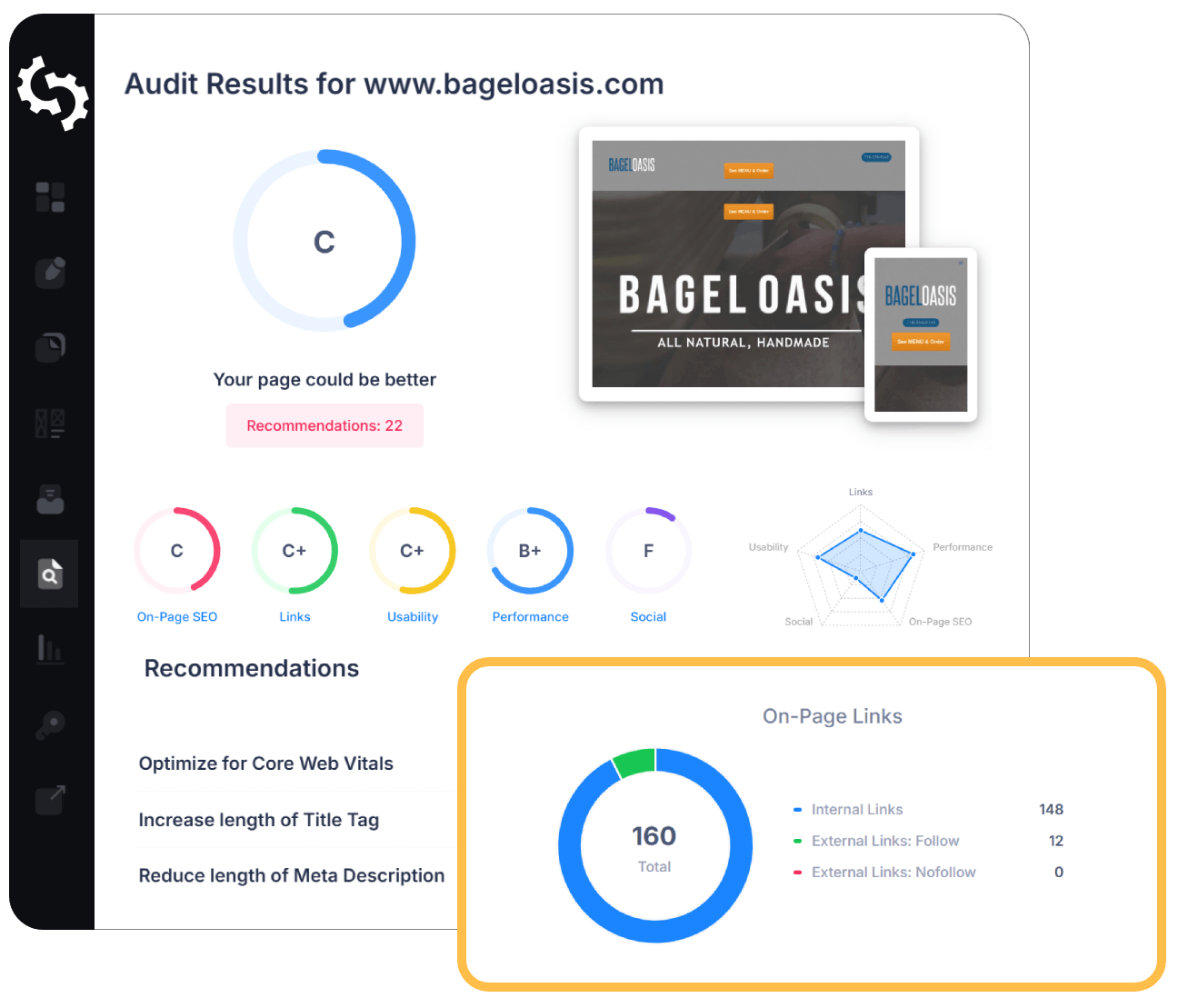
SEO Audit Any Site in Seconds
+ Comprehensive SEO / GEO Tools for Every Function
Run over 100 checks on your website across On-Page SEO, Usability, Performance, Social and Links. Now with GEO in every report. SEOptimer also offers keyword research, rank tracking, backlinks and a full site crawler.
Further Reading
See More
SEO Copywriting Checklist for Higher Ranking Content
Following an SEO copywriting checklist is quite important if you want to improve your website’s search engine visibility and outrank your co...

How to Drive Up Your CTR and SEO
What Is CTR?
CTR stands for Click Through Rate, and is defined as the percentage of people who click a search result after seeing it.
To see...

How to Write a Blog Outline with Tips from Pro Bloggers & Marketers
A well-structured blog outline not only guides your writing process but also enhances the reading experience of your posts.
A blog o...

How to Create Great Content Briefs [with Example & Template]
Key Takeaways
Content briefs guide writers with clear instructions on objectives, keywords, and structure.
Standardized brief...