Free UTM Builder

Build tagged campaign URLs with consistent UTM parameters, so your analytics groups the traffic instead of splitting it.

Where the traffic comes from: google, newsletter, linkedin.
How it reaches them: cpc, email, social, referral.
The campaign this link belongs to. Pick a convention and stick to it, since these group your reporting.
Paid keyword, where you are tracking one.
Distinguishes two links to the same place, e.g. a header button from a footer one.
UTM values are case sensitive, so Email and email report as two separate mediums. Lowercasing everything avoids the split.

Sortie

Your Tagged URL:

SEO Audit Any Site in Seconds
+ Comprehensive SEO / GEO Tools for Every Function

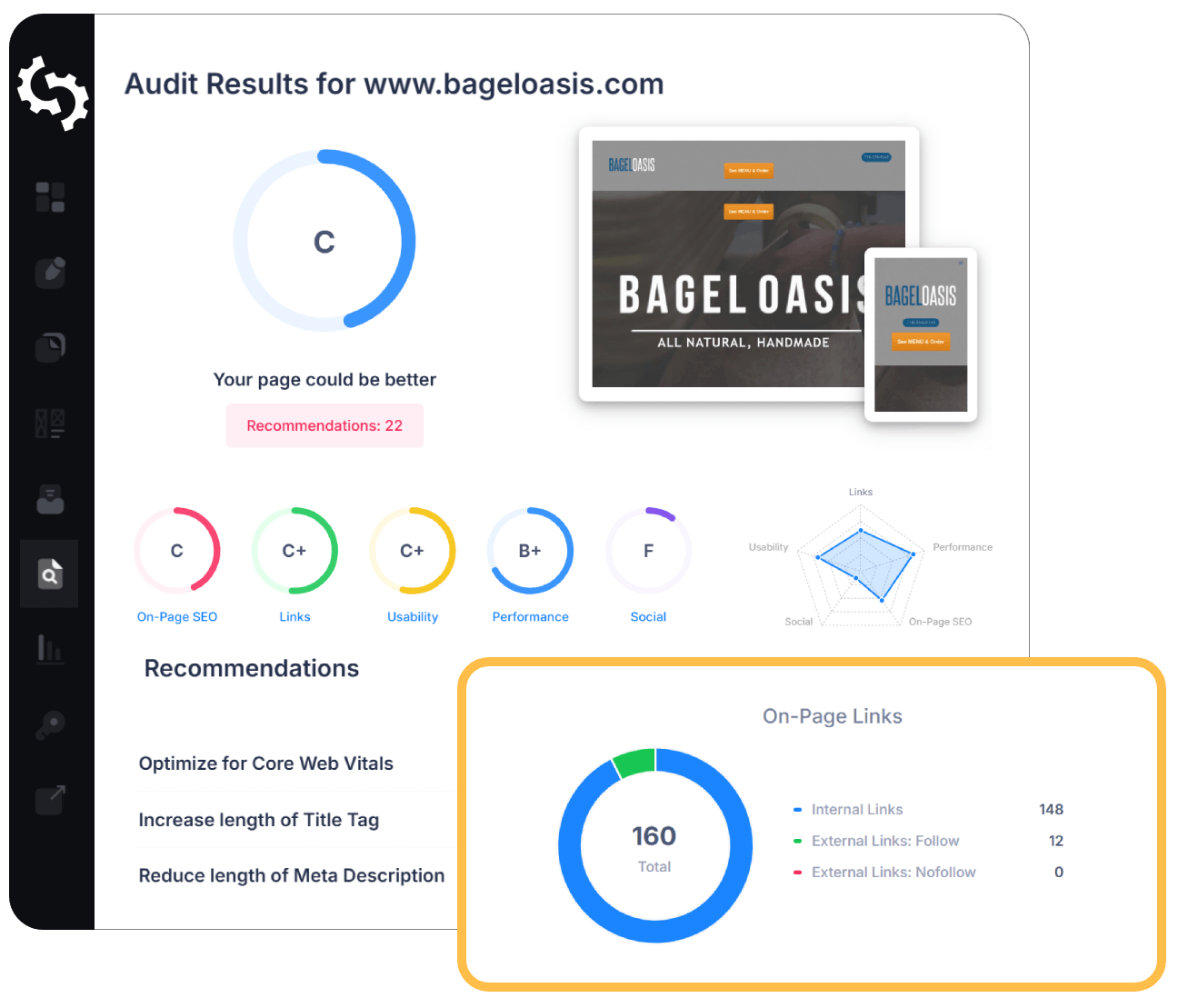
Run over 100 checks on your website across On-Page SEO, Usability, Performance, Social and Links. Now with GEO in every report. SEOptimer also offers keyword research, rank tracking, backlinks and a full site crawler.

About UTM Parameters

What UTM parameters are for

UTM parameters are labels added to a URL that tell your analytics where a visitor came from. Without them a click from your newsletter and a click from a forum both arrive as unattributed traffic.
They matter most where the referrer is lost anyway - email clients, PDFs, QR codes, apps - which is exactly where campaigns tend to live.
This builder assembles them consistently, which is most of the battle.

The five parameters

  • utm_source - where the traffic comes from: newsletter, linkedin, partner-site.
  • utm_medium - how it reaches them: email, cpc, social, referral.
  • utm_campaign - which campaign it belongs to, and how your reporting groups.
  • utm_term - the paid keyword, where you track one.
  • utm_content - what distinguishes two links to the same place, like a header button from a footer one.
Source and medium are the two that matter. The others are useful when you have a convention and noise when you do not.

Common mistakes

  • Inconsistent case. Email and email report as two separate mediums, and the split is silent.
  • Tagging internal links, which restarts the session and destroys the original attribution.
  • Putting the parameters after a #fragment, where they are ignored.
  • Inventing a new naming convention per campaign, so nothing aggregates.
  • Anything sensitive in a parameter - these are visible, shareable and logged.

UTMs and SEO

Tagged URLs create a second address for the same page, which is why they can look like a duplicate content problem. In practice a self-referencing canonical resolves it, and search engines are well used to the pattern.
Two habits keep it clean: never use UTMs on internal links, and make sure the pages you tag carry a canonical pointing at the untagged version.
The bigger risk is not SEO at all. It is discovering months later that half your campaigns were tagged one way and half another, and the reporting cannot be reconciled.

Using the UTM builder

Enter the destination and fill in at least source and medium. Lowercasing is on by default, which is the simplest way to avoid the case split described above.
Write your conventions down somewhere the whole team can see them. The tool makes each link correct; only a convention makes a set of links comparable.

Where to go next

Confirm your analytics is actually installed with the Google Analytics checker, make sure tagged pages carry a canonical tag to the clean URL, and check the destination returns a status code of 200 before you send the campaign.

Comprehensive SEO Toolbox with over 55 Tools

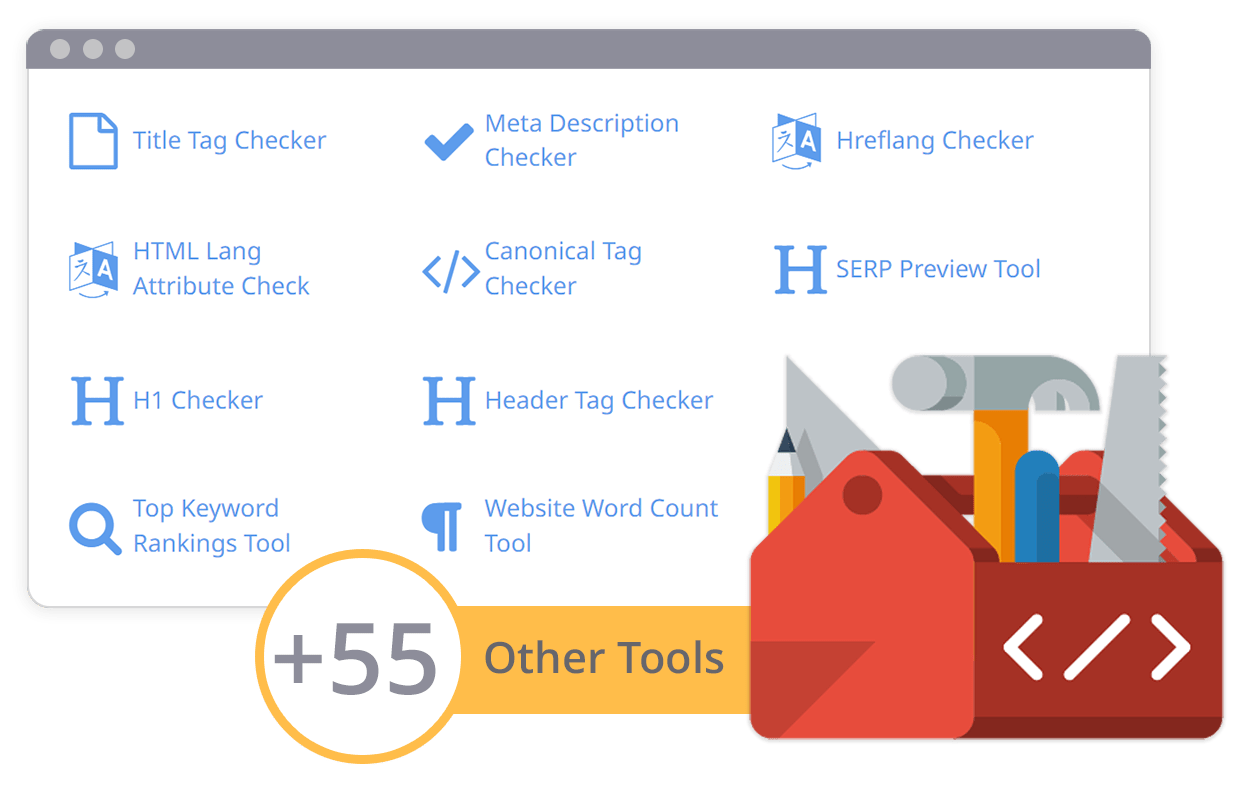
Check Titles, Meta Descriptions, Headings, Schema, Core Web Vitals, SSL and Robots.txt. Generate Meta Tags, Sitemaps and .htaccess Rules, minify CSS, JS and HTML, and draft copy with our AI Writing Tools - instantly and for free.

Further Reading

Voir plus
Best Web Analytics Tools and Why They're Important for Your Website
In the dynamic landscape of the internet, understanding user behavior, optimizing web performance, and making data-driven decisions is ess...
Performing a Google Analytics Audit: 10-Step Guide [Free Template]
Google Analytics is the best free analytics tool available to all webmasters.    To make the full use of GA, you should know:  ...
How to Check Organic Traffic in Google Analytics
When it comes to measuring your website's success and impact, organic traffic is one of the most important metrics you can analyze. While mo...
How to Measure SEO Performance: 9 SEO Metrics You Need to Track
Your value as an SEO comes from your ability to demonstrate your results. It’s being able to point to the search results and say, “You...