Email Name Generator
Craft the perfect email subject line with our AI Email Name Generator. Enter your topic, language, and tone, and get a compelling title that increases open rates and engagement.
Input
Output
Generated content:
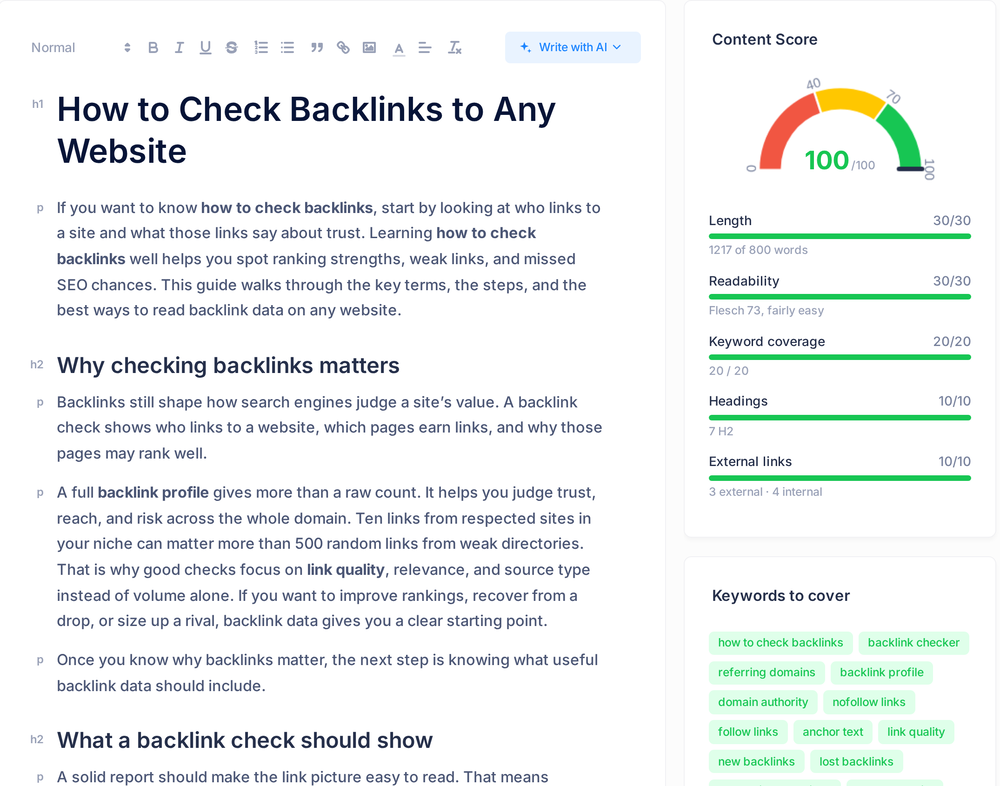
Write SEO Optimized Articles Instantly with AI Writer
AI Writer researches the pages ranking for your target keyword, instantly writes a full article and scores it for keywords, readability, links and length. Create the best content possible with the highest ranking potential with our proprietary algorithms.

About Email Names and Subject Lines
What is an email name?
An email name is what a message calls itself: the subject line a recipient sees in their inbox, and for a recurring send such as a newsletter, the name of the series itself. Both are naming problems, and both are decided in about six words.
The two work together. A named series builds recognition over time, so a reader who trusts the name opens on the strength of it, while the subject line has to earn the open on its own each issue.
An email name generator produces candidates for either. What it cannot do is judge them, which is where most of the value of naming actually sits.
What makes a good email name or subject line?
- Specificity. A named topic beats a general promise every time.
- Brevity, since mobile clients truncate at around forty characters.
- Honesty about the contents, because a mismatch costs the next open.
- Front-loaded useful words, so meaning survives truncation.
- Sentence case rather than title case, which reads less like marketing.
- For a series name, something short enough to be said aloud and remembered.
Filters read subject lines too, and the patterns associated with bulk marketing affect whether a message reaches an inbox at all. Restraint is a deliverability decision as much as an editorial one.
Common mistakes
- Overpromising, which lifts one open and costs several future ones.
- Fake replies and forwards, effective once and resented afterwards.
- Excessive punctuation and capitals, which some filters treat as a signal.
- Vague openers such as "quick question", which stopped working when everyone adopted them.
- Naming a series after your company rather than after what it gives the reader.
- Writing the name last and hurriedly, which is when the worst ones happen.
Do not forget the preview text
Most email clients display the first line of the body beside the subject, so the two are read as one unit. A subject line judged in isolation is being judged in a way no recipient will ever see it.
The preview should add to the name rather than repeat it. Repeating wastes the second half of the only real estate you have.
Writing them together, and reading both truncated, is the single habit that improves open rates most.
Where an email name generator helps, and where it does not
Names benefit from volume. Generating twenty candidates and choosing is faster and usually better than agonising over one, and that is exactly what an email name generator is good at.
It cannot know your relationship with the recipient, which decides how direct or familiar a name should be, and it has not read the email, so it cannot tell whether the promise matches the contents.
Pick from the list, then check the promise against the message before sending.
Using the email name generator
Enter your email topic and the tool proposes names and subject lines. Generate several rounds, since the usable one is rarely in the first few.
Then read each candidate as the recipient would, truncated to forty characters and sitting beside your first body line, and keep the one that still makes sense there.
Where to go next
A name introduces something. Draft the message with the AI sales email or AI newsletter generator, and confirm your SPF record is configured so it arrives at all.
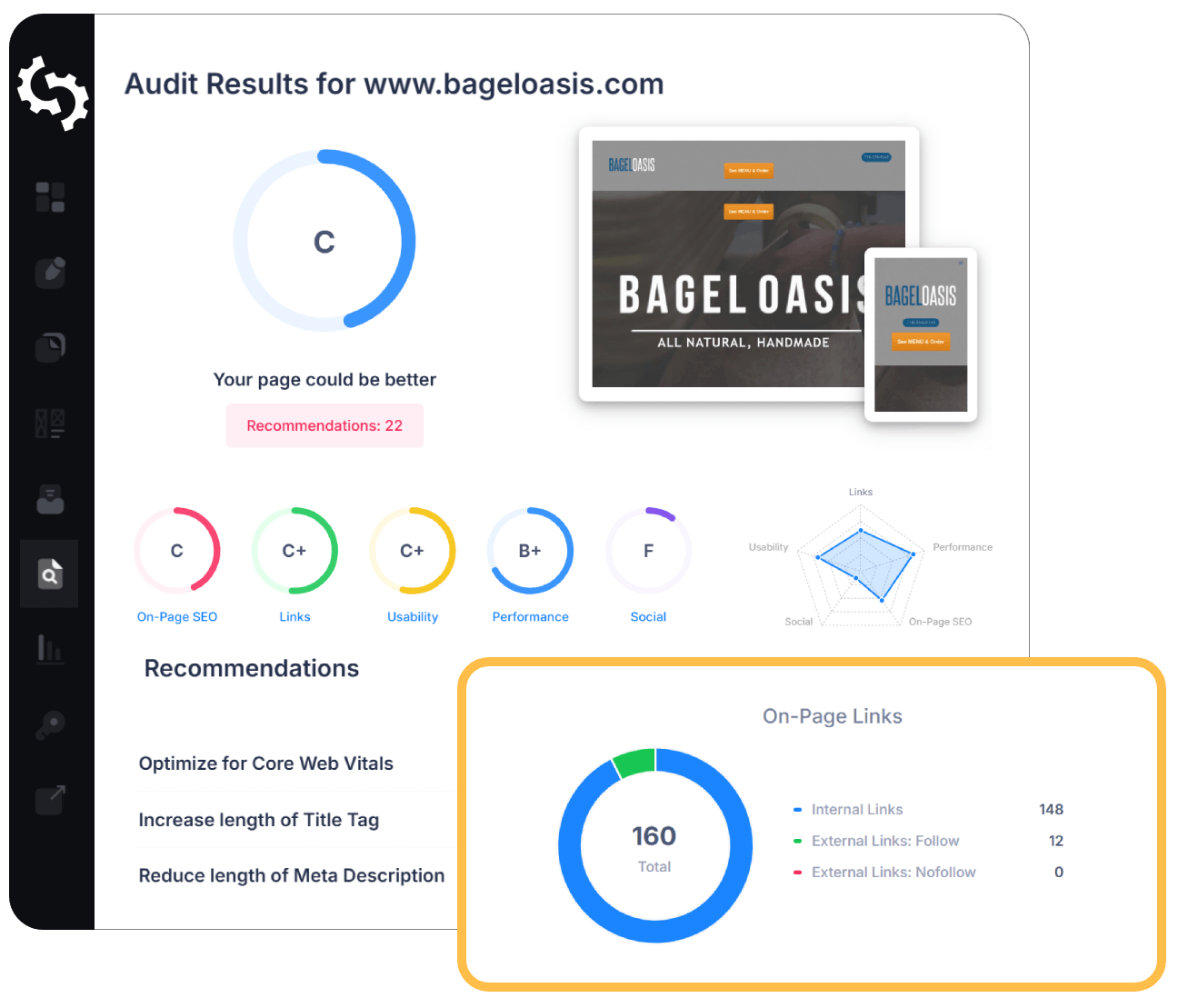
SEO Audit Any Site in Seconds
+ Comprehensive SEO / GEO Tools for Every Function
Run over 100 checks on your website across On-Page SEO, Usability, Performance, Social and Links. Now with GEO in every report. SEOptimer also offers keyword research, rank tracking, backlinks and a full site crawler.
Further Reading
See More
6 Outreach Email Templates to Earn Backlinks in Every Situation
Are you giving enough time and attention to your outreach efforts?
The truth is, for many businesses, this task takes a backseat to oth...

How to Drive Up Your CTR and SEO
What Is CTR?
CTR stands for Click Through Rate, and is defined as the percentage of people who click a search result after seeing it.
To see...

SEO Copywriting Checklist for Higher Ranking Content
Following an SEO copywriting checklist is quite important if you want to improve your website’s search engine visibility and outrank your co...