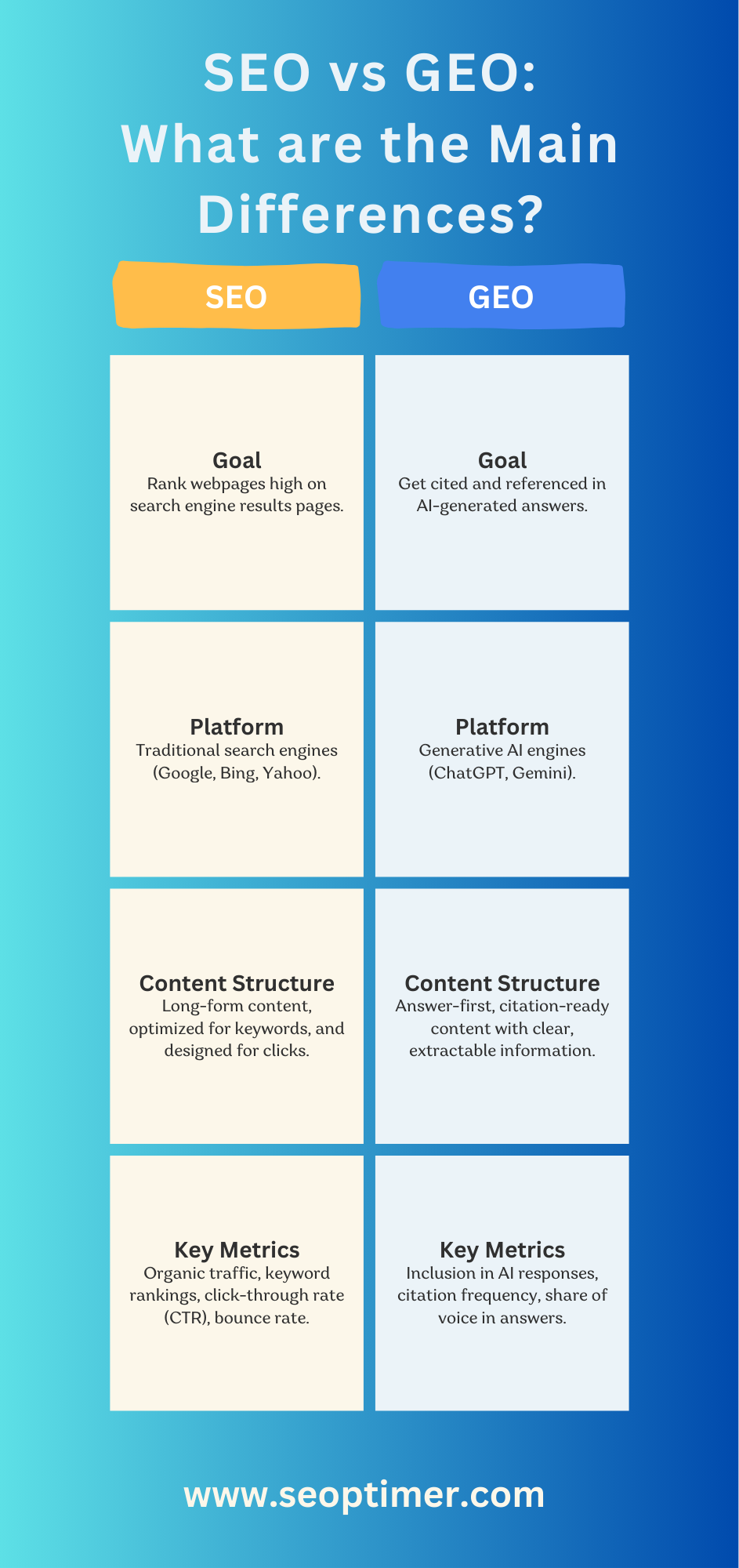



SEO vs GEO is about two different approaches to online visibility. However, many marketers may still be confused as to what the differences and similarities are between SEO and GEO.
SEO helps websites rank in search engines, while GEO focuses on being discovered in generative AI results.
For years, the goal of SEO was simple: get your site to the top of Google’s results.
But today, tools like ChatGPT, Claude, and Google’s AI Overviews are answering questions directly.
This shift means people often find what they need without clicking through to a website (this is also known as zero-click searches in traditional SEO).
That’s where Generative Engine Optimization (GEO) comes in. While it sounds similar to SEO, GEO works on a different set of principles.
Understanding both SEO and GEO is now essential if you want your brand or business to remain visible in a changing search landscape.
In this guide, we’ll break down the main differences between SEO vs GEO, explore whether GEO is replacing SEO, and show you how to combine both of these strategies to make sure your business is seen wherever people search.
What is SEO (Search Engine Optimization)?
Search Engine Optimization (SEO) is the process of improving your website to increase its visibility on traditional search engines like Google and Bing.
These search engines use complex algorithms to crawl, index, and rank billions of web pages to provide the most relevant list of results when you type a query into a search bar.
The primary goal of SEO is to drive organic (unpaid) traffic to your website by aligning your content with what both search engines and users are looking for.
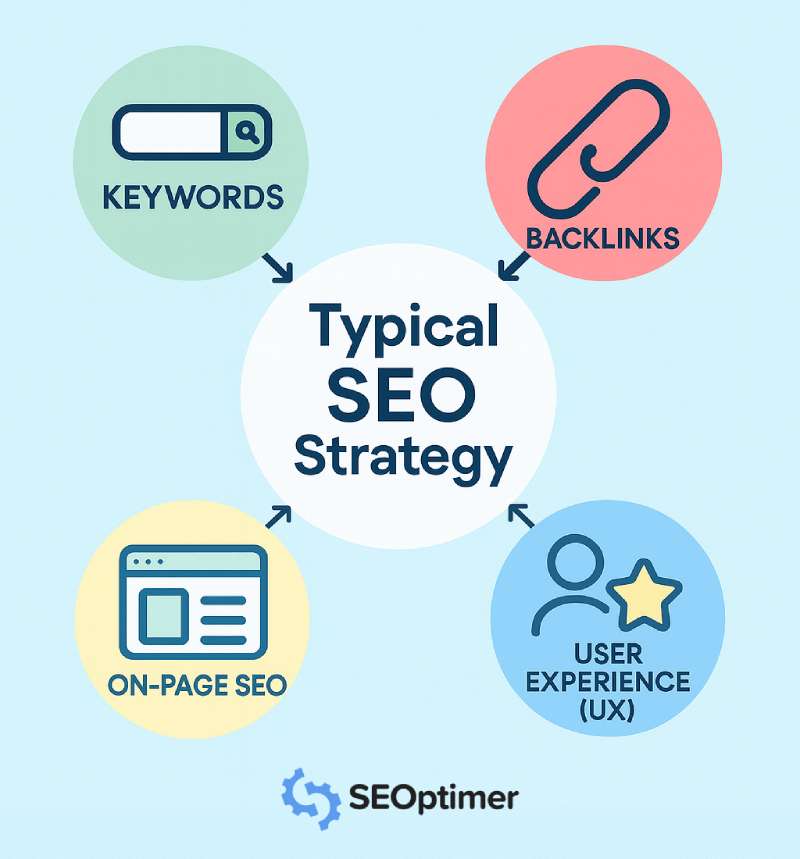
The key components of your typical SEO strategy include:
- Keywords: Identifying and strategically using the words and phrases your target audience searches for.
- High-quality content: Creating valuable, informative, and engaging content that answers user questions and satisfies their intent.
- Backlinks: Earning links from other reputable websites, which act as a vote of confidence and signal authority to search engines.
- On-Page SEO: Optimizing individual page elements like titles, headers, meta descriptions, and images.
- Technical SEO: Ensuring your website is fast, secure, mobile-friendly, and easy for search engines to crawl.
- User Experience (UX): Creating a seamless and intuitive experience for visitors to keep them on your site longer.
Ultimately, successful SEO leads to more website traffic, increased brand awareness, and a higher potential for conversions.
What is GEO (Generative Engine Optimization)?
Generative Engine Optimization (GEO) is the practice of optimizing your content to be found, cited, and recommended by AI-driven generative engines.
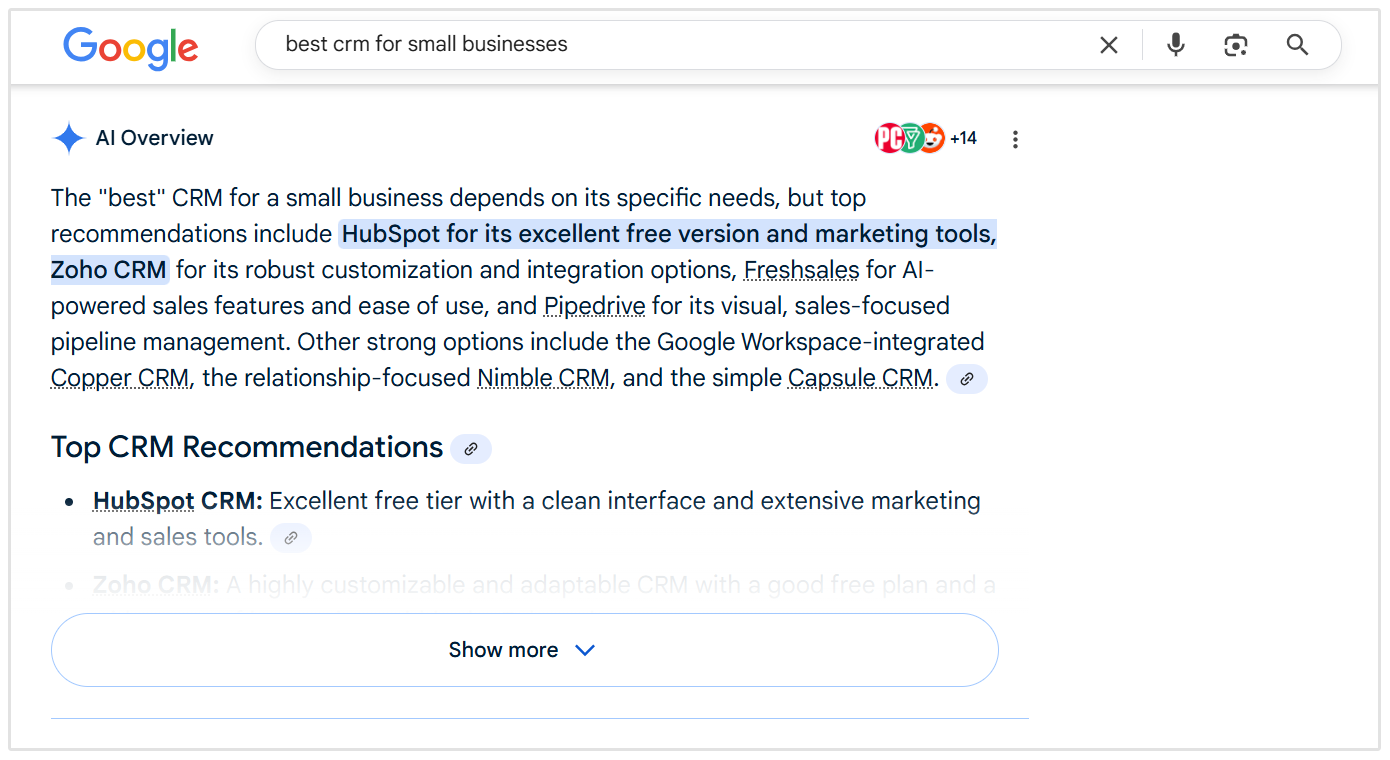
Instead of just providing a list of links, AI tools like ChatGPT, Google's AI Overviews, and Claude synthesize information from multiple sources to create a single, comprehensive answer.
The goal of GEO is to ensure your brand's information and expertise are included in these AI-generated responses.
For instance, if you have a plumbing business located in Texas, you'd want to be mentioned in conversations starting with phrases like "best plumber in Austin, Tx."
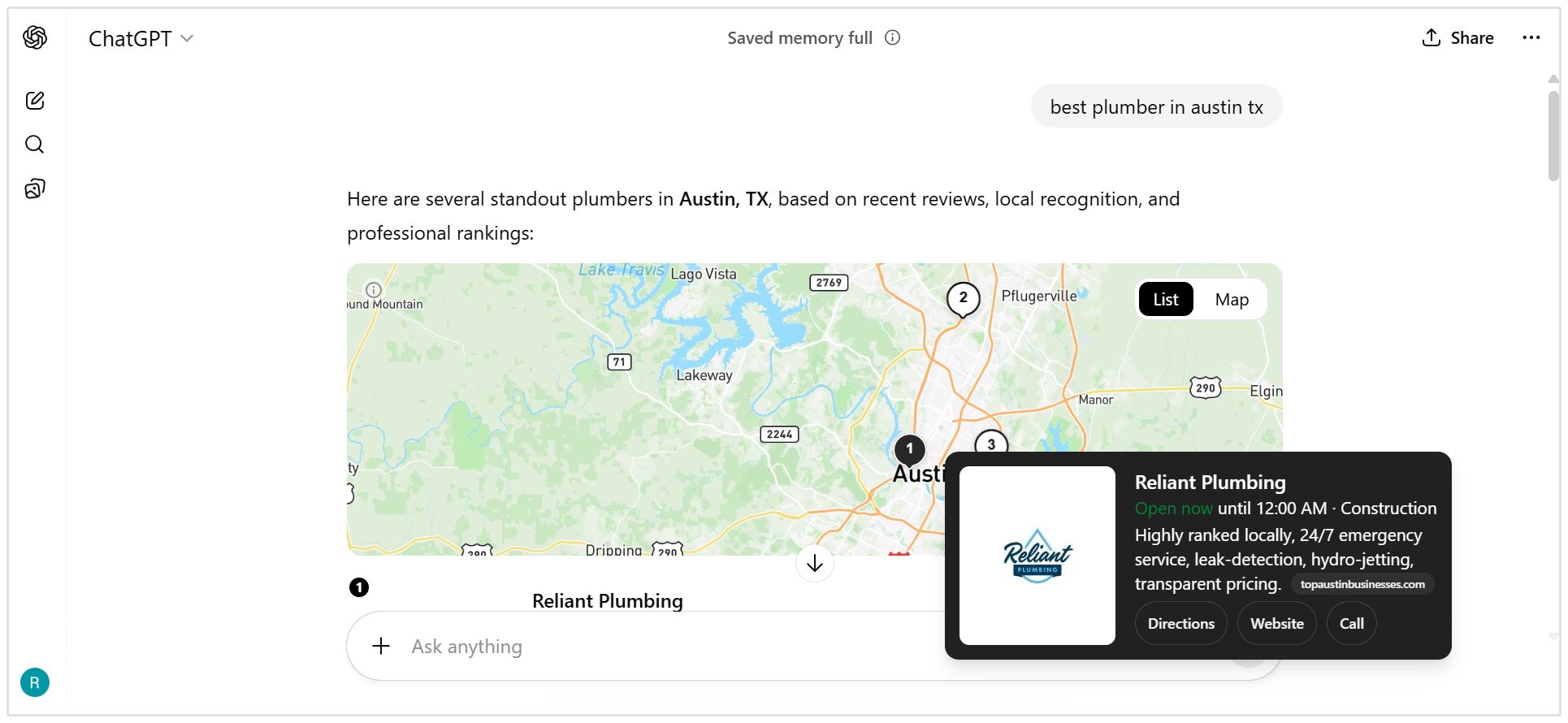
This is a big shift from traditional SEO, where the objective is to get a user to click a link. With GEO, your content or business becomes part of the answer itself.
To be "AI-ready," your content needs to be seen as a safe, trustworthy, and verifiable source by large language models (LLMs).
Key components of GEO include:
- Clarity and factual accuracy: Presenting information in a clear, straightforward manner with verifiable facts and data points.
- Structured content: Using organized formats like clear headings, bulleted lists, and FAQs that are easy for AI to parse and extract.
- Authority and E-E-A-T: Demonstrating expertise, experience, authoritativeness, and trustworthiness (E-E-A-T) through expert quotes, citations, and a strong brand presence.
- Topical coverage: Covering a topic in depth to establish your content as a go-to resource.
- Brand mentions and citations: Encouraging third-party mentions and backlinks to reinforce credibility and help AI systems recognize your content as a reliable source.
- Consistency and relevance: Regularly updating content to stay accurate and ensure it aligns with trending or evolving queries in your niche.
GEO focuses on establishing your content as a credible, authoritative resource that AI can use to generate accurate answers.
Differences Between SEO vs. GEO
While both practices aim to increase online visibility, SEO and GEO target different platforms, use different methods, and measure success in different ways.
Understanding these distinctions is the first step toward building an integrated strategy.
Here is a breakdown of the core differences:
| Aspect | SEO | GEO |
|---|---|---|
| Primary Goal | Rank webpages high on search engine results pages (SERPs). | Get cited and referenced in AI-generated answers. |
| Target platform | Traditional search engines (Google, Bing, Yahoo). | Generative AI engines (ChatGPT, Google AI Overviews, Claude). |
| User Interaction | Users click on links to visit a website. | Users consume information directly within the AI-generated response. |
| Optimization Focus | Keywords, backlinks, technical performance, and user experience. | Factual clarity, content structure, verifiable data, E‑E‑A‑T signals, and brand mentions or citations to reinforce credibility. |
| Content Structure | Long-form content, optimized for specific keywords, and designed for clicks. | Answer-first, citation-ready content with clear, extractable information. |
| Key Metrics | Organic traffic, keyword rankings, click-through rate (CTR), bounce rate. | Inclusion in AI responses, citation frequency, share of voice in answers. |
| Traffic Source | Direct visits from search engine results. | Brand mentions and citations within an AI chatbot or summary. |
The most significant difference lies in user behavior.
SEO drives users to your website, whereas GEO brings your information to the user within a third-party platform.
Is GEO Replacing SEO?
No, GEO is not replacing SEO. Instead, it’s more accurate to view it as a new layer of optimization required for a new era of search.
Data from several sources found that even though referral traffic from platforms like ChatGPT is increasing, traffic from these platforms are still small in comparison to traditional search engine traffic.
OneLittleWeb, a digital agency in New York, found that in the year from April 2024 to March 2025, chatbot traffic accounted for only 2.96% of the total visits of search engines.
Even with ChatGPT’s massive growth, it still sees approximately 26 times fewer daily visits than Google.
- Sujan Sarkar, Co-Founder of OneLittleWeb
And according to data from Ahrefs, ChatGPT traffic is slowing down:
As of August 2025, ChatGPT drives just 0.21% of website traffic (up only 0.02%) while Google still accounts for 41.12%, down 0.83%.
- Ahrefs
That being said, you want your brand/business to appear wherever your customers are searching whether that's in traditional search engines or in ChatGPT, Claude, AI Mode, etc.
The reality is that traditional search engines are still the primary way people navigate the web.
According to a study by Higher Visibility, 79.8% of people still prefer Google or Microsoft Bing for general information searches.
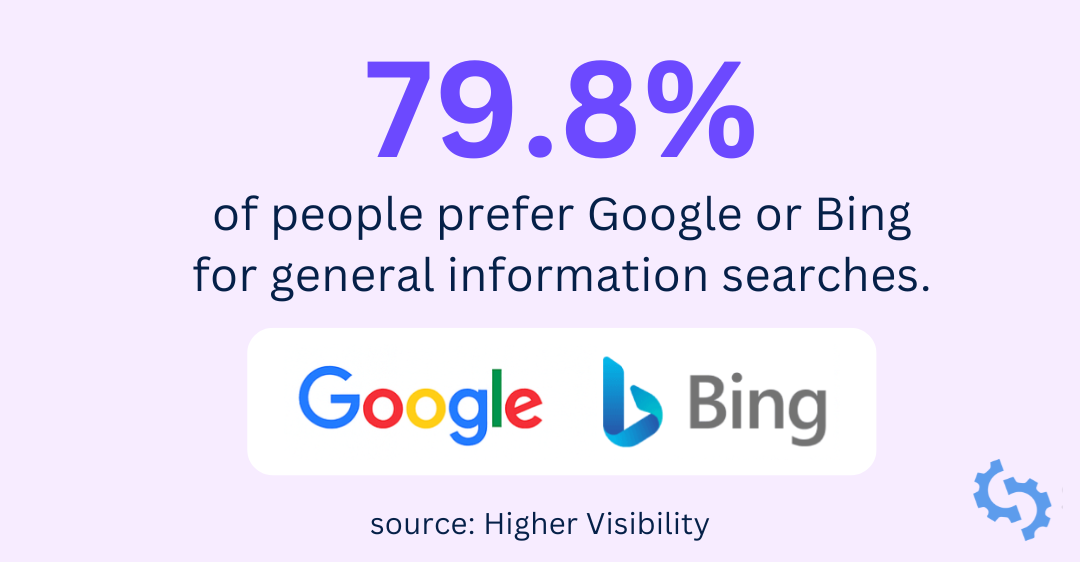
So a strong SEO foundation is essential for driving traffic and building brand authority.
Your website’s authority, built over years through solid SEO practices, is precisely what makes it a trustworthy source for AI engines in the first place. High-ranking content on Google is often seen as a reliable source for LLMs to pull from.
Marketers should integrate both strategies to ensure comprehensive visibility.
Neglecting SEO means losing out on valuable website traffic, while ignoring GEO means becoming invisible in the growing world of AI-driven discovery.
To ignore GEO is the same as ignoring having a mobile app, 10 years ago, you may have lived to tell the story, but you won't be leading the way.
- Michael Alexander, Managing Director at Tangible Digital
How SEO and GEO Work Together
A truly effective digital strategy leverages the synergy between SEO and GEO.
Many of the best practices for one discipline directly benefit the other, creating a powerful flywheel effect that boosts your visibility across all platforms.
SEO and GEO can work together because many of the GEO tactics that need to be performed will also benefit your SEO, so while a pivotal shift is happening, they can help each other if done correctly.
- Scott Tobin, President at Sector45
Here’s how SEO and GEO work together:
Quality Content is King
Both SEO and GEO reward high-quality, in-depth, and well-researched content.
A comprehensive blog post that ranks well on Google is also more likely to be used as a source for an AI-generated answer.
E-E-A-T is a Shared Signal
Google’s emphasis on Experience, Expertise, Authoritativeness, and Trust (E-E-A-T) is a core principle for both SEO and GEO.
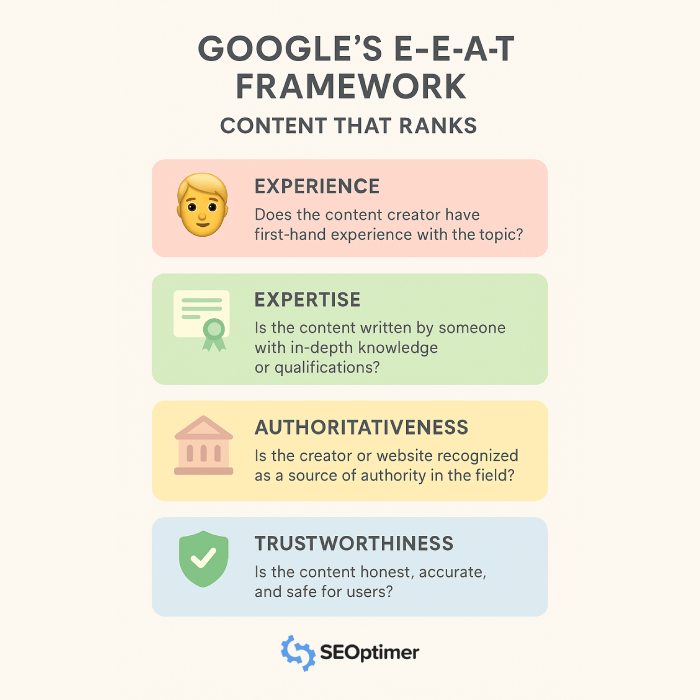
AI models are being trained to prioritize sources that demonstrate these qualities.
Structured Data Benefits Both SEO and GEO
Using structured data (like Schema markup) helps traditional search engines understand your content for rich snippets. It also makes it easier for AI models to parse and accurately cite your information.
Things like site authority, properly structured meta data and schema mark up (backend, off-page SEO pieces) are helpful to LLMs crawling and learning your site.
- Jennifer Gouveia, Digital Marketing Manager at Gateway Group
FAQs Serve a Dual Purpose
An FAQ section optimized for long-tail keywords in SEO is also perfectly formatted for AI engines looking to provide direct answers to user questions.
By creating content with both humans and AI in mind, you can build a digital presence that is optimized for both.
How to Implement GEO Strategies
Integrating GEO into your existing content strategy doesn't require starting from scratch.
The good news that you just need to refine your current approach to make your content more structured, verifiable, and "AI-friendly."
Here are the key tactics to optimize your content for AI-powered platforms like ChatGPT, Gemini, AI Overviews, and others:
Audit Your Best Content
Identify your top-performing blog posts and pages from a traditional SEO perspective.
This means sorting your pages and content according to their highest keyword ranking. You can easily do this with any regular SEO keyword tracking tool.
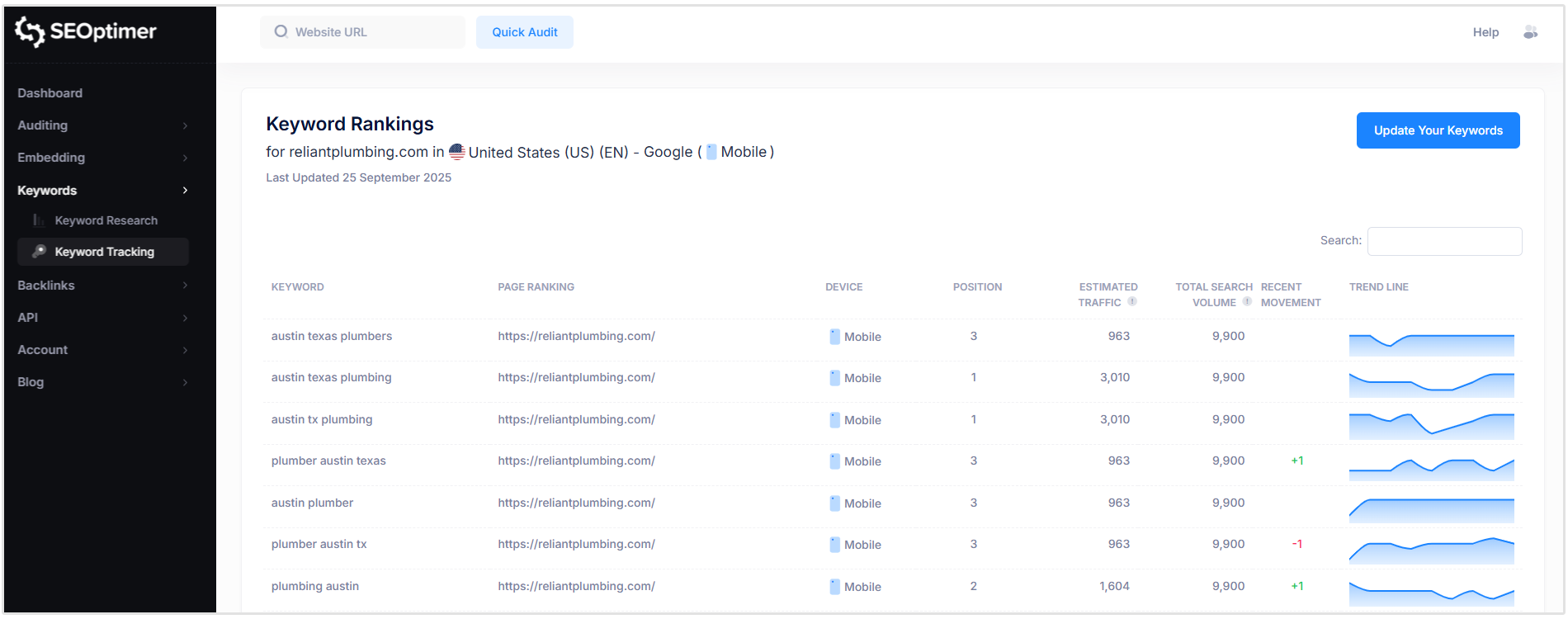
Then, review these pages through a GEO lens. Ask yourself the following questions:
- Can you add a concise summary or a key takeaways section at the top of the page?
- Are your facts and statistics clearly stated and easy to pull out?
- Can you break down complex paragraphs into bulleted lists or numbered steps?
Use an "Answer-First" Approach
Structure your content to provide direct answers early on.
When ChatGPT or Google AI Overviews need to extract an answer, they don't wade through fluff they are trying to answer the user wants as quickly and as accurately as possible.
- Jon Goodey, CEO of Indexify
You should also use clear and descriptive headings (H2s and H3s) that frame sections as answers to specific questions.
Incorporate Verifiable Data and Sources
Back up your claims with data, statistics, and citations from authoritative sources.
This not only builds trust with human readers but also signals reliability to AI models. Including quotes from subject matter experts adds another layer of authority.
To win citations instead of just links, we've been experimenting with content that includes expert bios, academic references, and original research. We can see that the AI models give more weight to content that includes these when they're deciding what to cite in an answer.
- Andy Zenkevich, Founder and CEO of Epiic
Optimize for Conversational Keywords
Expand your keyword research beyond traditional short-tail terms.
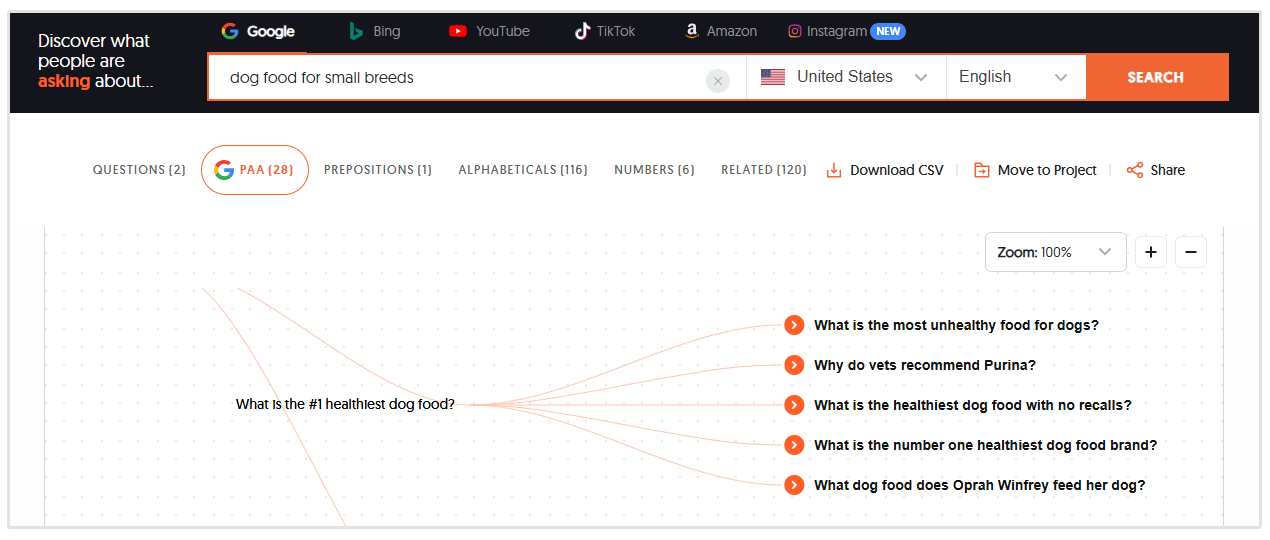
Use tools like Answer the Public to find full questions and conversational phrases that people are likely to ask an AI assistant (e.g., "What is the healthiest dog food?").
Leverage Structured Data
Implement Schema markup for FAQs, how-to guides, and articles.
This provides context that helps both search engines and AI models understand the purpose of your content.
Build Authority Across Platforms
Your brand's authority isn't just determined by your website.
A strong presence on social media, positive reviews, and participation in relevant online forums all contribute to how both Google and AI engines perceive your brand.
How to Measure GEO Success
Measuring the success of GEO is different from tracking traditional SEO metrics like traffic and rankings.
Since GEO's impact happens within AI platforms, you need to focus on metrics related to visibility and citations or AI mentions.
Here are a few ways to measure GEO success:
1. Track Brand and Citation Mentions
With the rise in generative AI tools and the integration of AI into search, a new breed of tools have emerged that track mentions in AI tools.
You can use these LLM monitoring tools to track how often your brand, products, or key personnel are mentioned in AI-generated answers.
2. Manually Test Key Queries
You can also manually check if your brand is referenced in AI summaries and answers.
Regularly input your target questions and keywords into popular generative AI tools (ChatGPT, Gemini, Claude) to see if your content is being used as a source.
For instance, in the case of SEOptimer, one of our primary keywords that we are targeting is "SEO audit and reporting," so I could ask Google's AI Mode for a list of the best SEO audit and reporting tools:
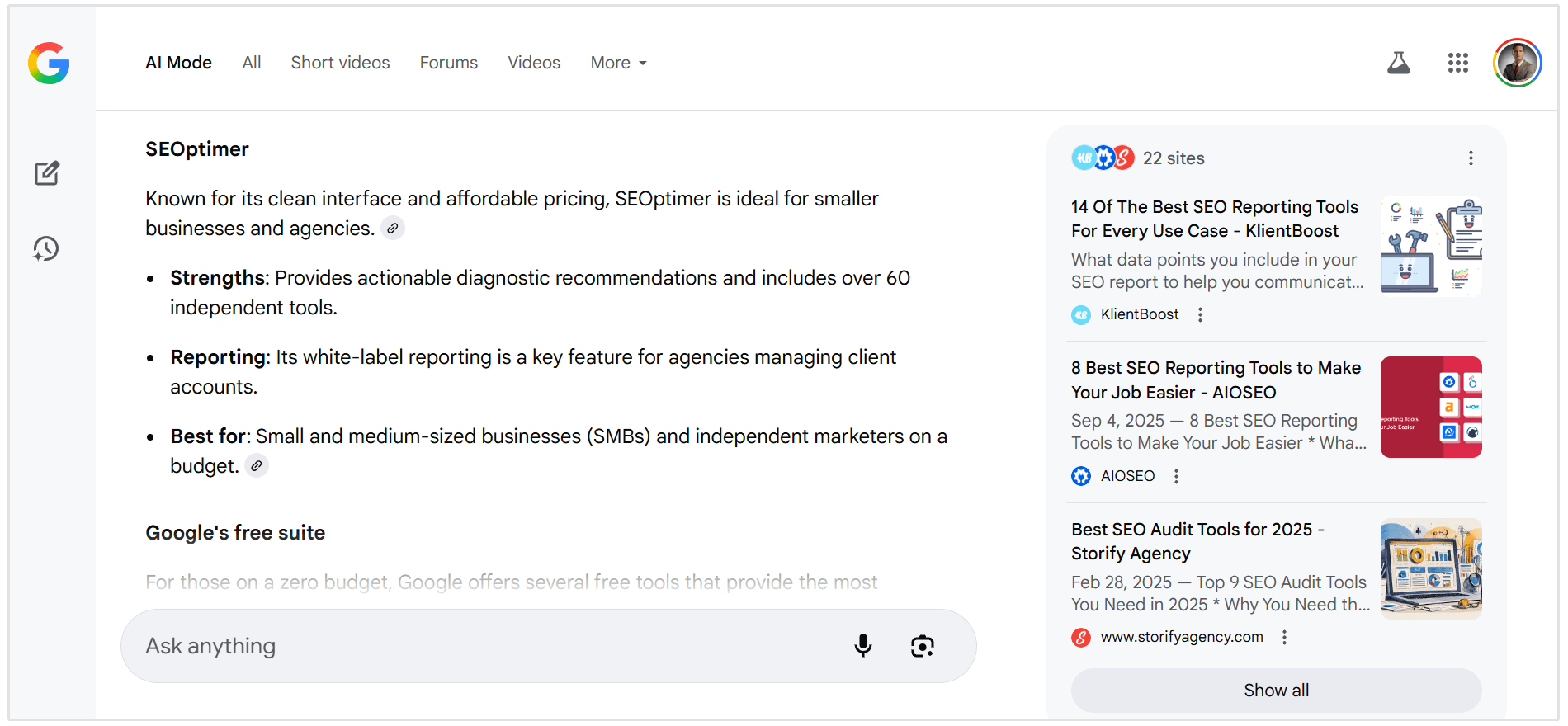
You'd do the same for your business or niche. Try to think of a list of questions your ideal customer is asking and check if your brand is being mentioned in these answers.
Document the results to track progress over time.
3. Monitor "Share of Voice"
Assess how frequently your brand appears in AI answers for a specific topic compared to your competitors. The goal is to become the dominant source of information in your niche.
Related Reading: What is Share of Voice in SEO? & Top Ways to Improve It
4. Analyze Response Accuracy
When your content is cited, check if the information is presented accurately. If not, it may be an indicator that your content needs to be clearer or better structured.
While the analytics tools for GEO are still in their early stages, these methods can provide valuable insights into your performance in the AI-driven search landscape.
Conclusion
By understanding the unique roles of SEO and GEO and creating a strategy that embraces both, you can ensure your pages and content reach your audience, no matter how they choose to find it.
Start by reinforcing your SEO foundation with high-quality, authoritative content.
Then, refine that content with clear structure, verifiable facts, and an answer-first approach to win in the new era of AI search. This dual strategy is your key to building a resilient and visible brand in the changing search landscape.