


Roughly 43% of consumers now use AI-powered tools daily when researching brands or businesses online. (source)
And Search Engine Land also reported that AI Overviews showed on 13% of all U.S. desktop searches in March 2025.
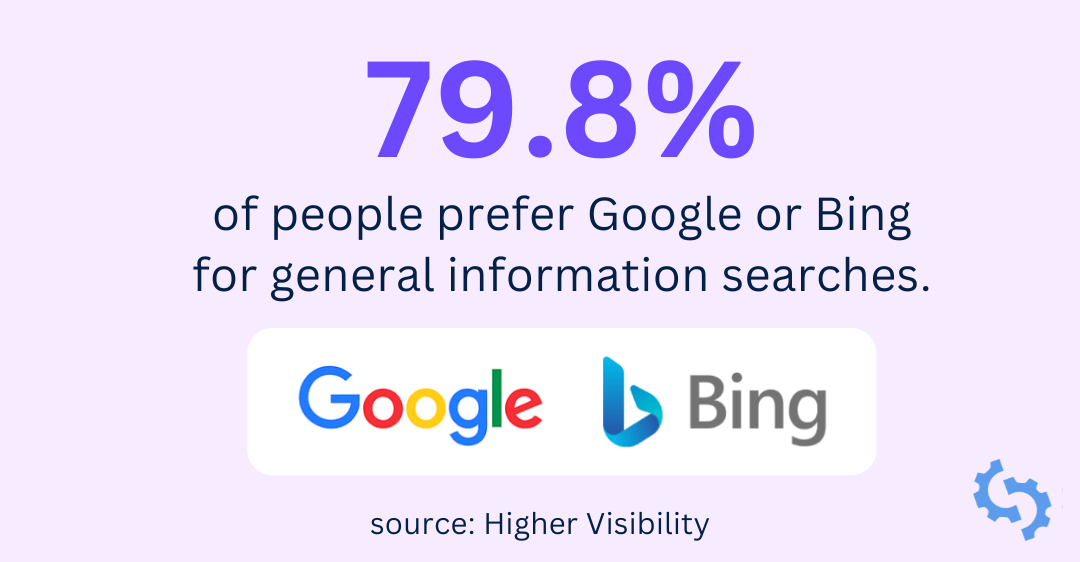
This doesn’t mean search engines like Google are becoming less relevant. In fact, research from Higher Visibility shows that 79% of people still prefer Google or Bing for general information searches.
The future of SEO and organic marketing entails optimizing for both Google and these generative AI platforms.
Generative AI tools like Google's AI Overviews and ChatGPT pull information directly from websites to create concise summaries.
To stay visible, you need to make it easy for AI to understand your content. And one of the ways to do this is by adding schema markup to your site.
We already know that schema markup plays a role in helping traditional search rankings. Data from Backlinko shows that at least 72% of pages on the first page of Google use some type of schema. So if most of the top-ranking pages use schema, shouldn't that be a telling sign that you should too?
And research from Schema App indicates that pages with schema receieved 40% higher CTR than pages without.
But what about AI mentions and citations?
By adding schema markup, you’re giving search engines and LLMs more concrete information about your business.
This guide will walk you through why schema markup is important for AI search, which types of schema are most effective, and how to implement these tags correctly.
Feature update
New AI Visibility Checks are Here. Is Your Site Ready?
Run a free audit to see how well your site is optimized for Google AI Overviews and LLMs.
Run Free AuditSchema Markup's Role in AI Visibility
AI search engines rely on clear, structured data to interpret web content accurately.
For AI systems like ChatGPT or Gemini, structured data is primarily a tool to understand the meaning and context of your content faster and better.
- Ralf van Veen, SEO Specialist
Schema markup gives your site that structure, labeling key details so AI systems can easily understand and represent your content or business.
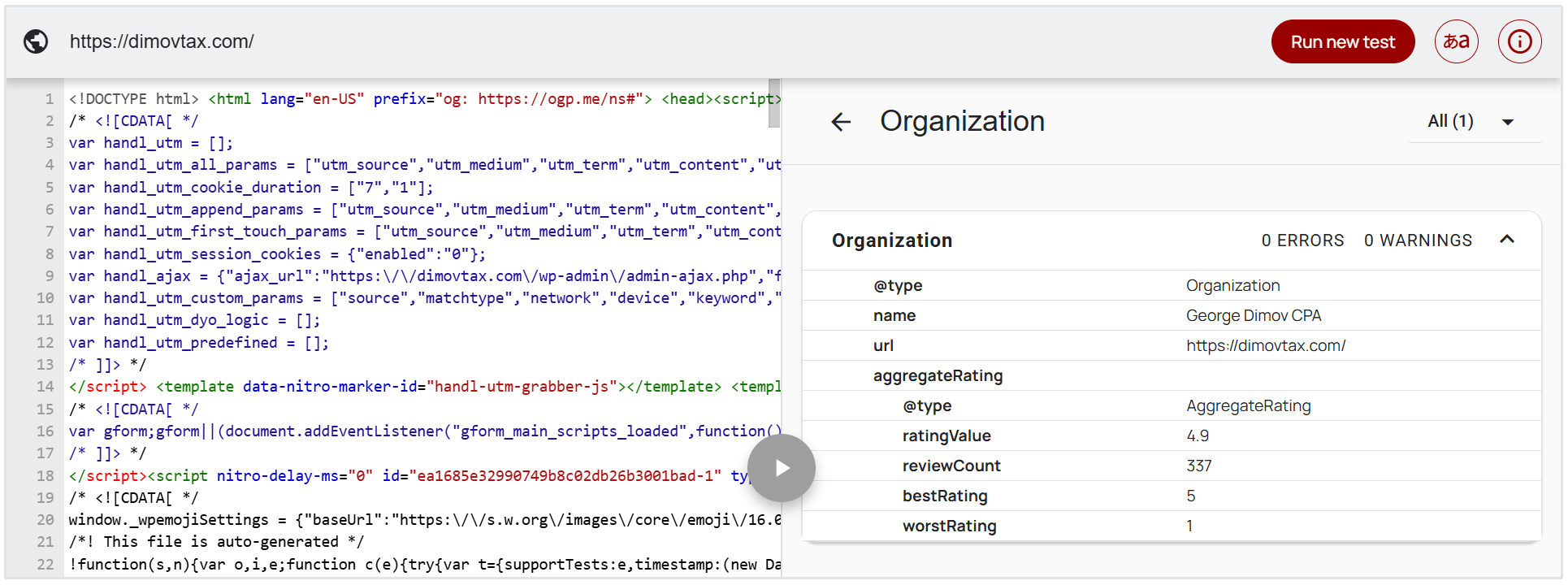
For example, if a local business uses schema markup on their site, they can tell an AI system, "This is our business name, this is our address, and these are the services we offer in our area."
Even if your traditional SEO is strong, AI systems may overlook your site in favor of one with well-implemented schema markup.
Businesses that provide comprehensive structured data are more likely to be featured and cited in AI-generated responses.
Can Schema Markup Improve AI Visibility?
Yes, schema markup can improve your visibility in AI search results.
AI systems like ChatGPT prioritize clean, machine-readable data when generating answers.
Structured data helps AI systems parse, validate, trust, and surface your content. By prioritizing structured data for AI citations, you make it easier for models to resolve entities, verify authorship, and attribute summaries back to your brand.
- Emily Carter, Senior Content Team Lead at WebFX
Here’s how schema markup can help your AI visibility:
- Potentially increases citations: When your page has well-defined structured data, your brand has a much higher chance of being cited in generative AI results.
- Improves entity connections: AI can better understand the relationships between different entities on your site, such as your products, services, and locations.
- Improves local search performance: LocalBusiness schema helps AI understand geographic and contextual information, making your business more visible in local AI-powered searches.
I have to mention that there’s no large-scale study showing that if you add schema you will be cited by AI platforms.
However, multiple online guides suggest schema markup may improve the likelihood of being understood and referenced by AI.
Which Schema Types are Relevant for AI Visibility?
While there are hundreds of schema types, a few are particularly important for optimizing your site for AI search.
Organization and LocalBusiness Schema
These are the basic schema types that any business should implement.
- Organization schema tells AI systems your company name, address, logo, contact details, and areas served. This helps build your brand's identity and feeds into features like Google's Knowledge Panel.
- LocalBusiness schema is essential for any company serving a specific geographic area. It provides location-specific details like your address, opening hours, accepted payment methods, and service area.
Person Schema
For professional services firms, Person schema is highly beneficial. It lists key team members, their roles, and areas of expertise.
For instance, a local accounting firm can use the Person schema on their “Team” page to highlight each accountant’s name, awards, qualifications, and professional focus area such as tax planning or auditing.

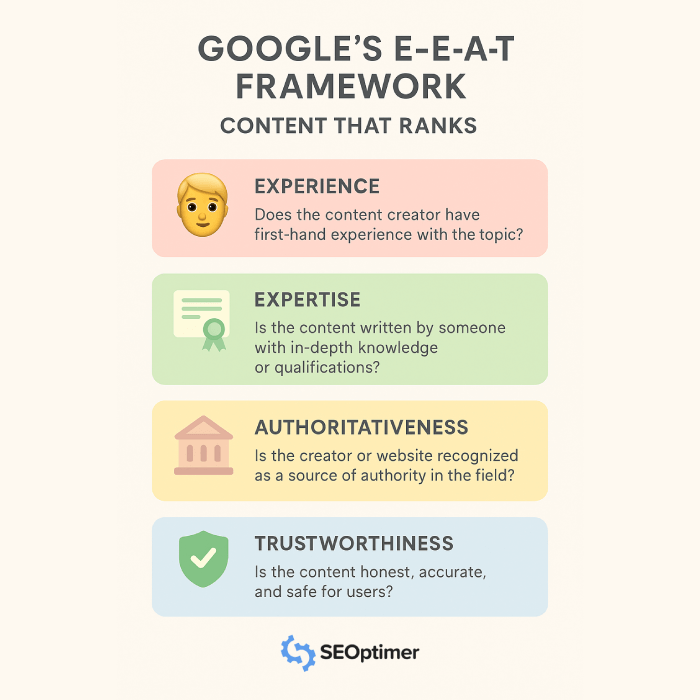
This helps Google recognize and understand the individuals associated with your business, strengthening your E-E-A-T (Experience, Expertise, Authoritativeness, and Trustworthiness).
Service and Product Schema
These schema types clarify what your business offers.
- Service schema helps AI understand your specific services, offers, and practice areas.
- Product schema, along with Offer and Brand markup, ensures your products appear accurately in AI-generated shopping results and comparisons.
FAQPage Schema
If your website has a FAQ page or even just a dedicated FAQ section on one of your pages, then you should definitely use the FAQPage schema.
For instance, Bonilla Law is a personal injury law practice that provides services in Austin. Their homepage features a dedicated FAQ section answering commonly asked questions about personal injury.
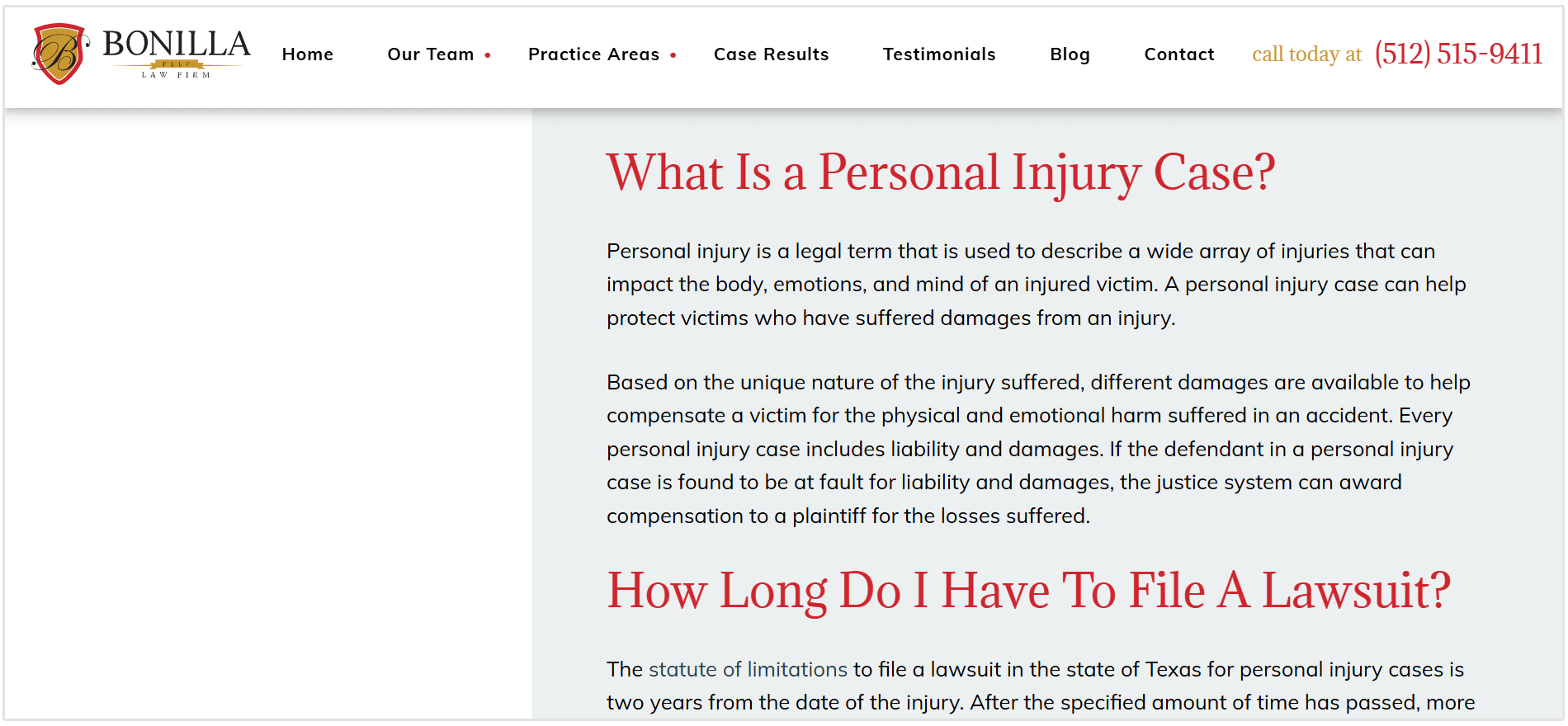
As you can see in the below screenshot, they have successfully implemented FAQPage schema.
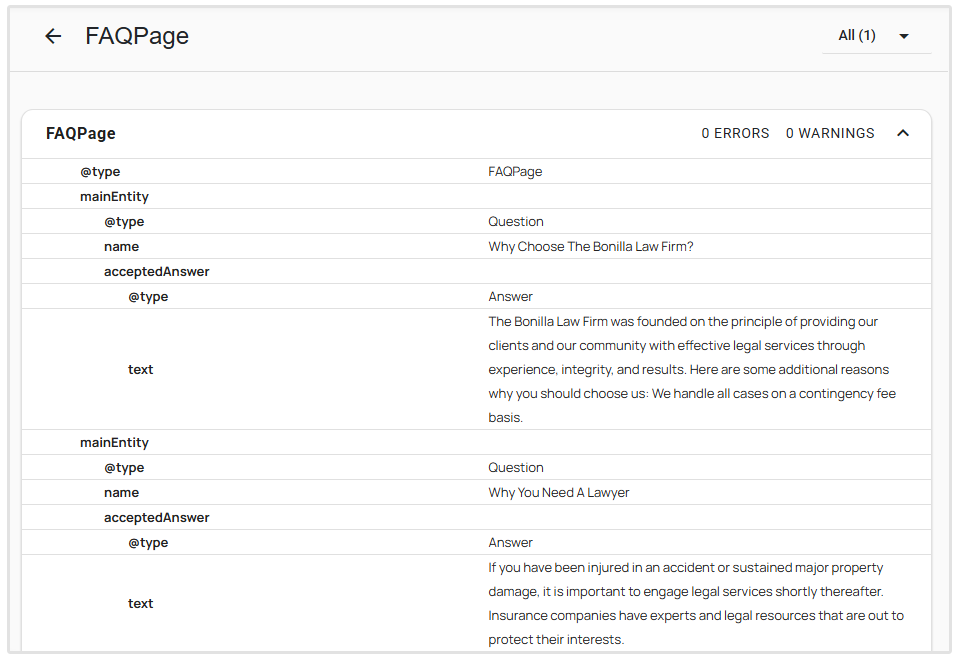
This schema type provides AI crawlers with structured question-and-answer content that they can directly reference when responding to user queries.
This also increases your chances of appearing in featured snippets in traditional search results.
Review Schema
Social proof is a powerful tool that businesses need to use, and Review schema makes your customer feedback visible to AI.
It allows star ratings and review excerpts to be displayed in search results, which adds trust signals and helps AI systems generate recommendations and comparisons.
Feature update
New AI Visibility Checks are Here. Is Your Site Ready?
Run a free audit to see how well your site is optimized for Google AI Overviews and LLMs.
Run Free AuditHow to Add Schema Markup to Your Site
Adding schema markup might sound technical, but it’s actually simpler than it seems.
1. Choose the Right Schema Type
Start by deciding which schema best fits your content. For most businesses, Organization, Person, Product, Article, and FAQ schema are good starting points.
2. Generate Your Schema
If you use WordPress, the easiest option is to install a schema markup plugin like Schema Pro, Rank Math, or Yoast SEO, which automatically adds structured data to your pages.
If you’re on a different CMS such as Shopify or Wix, some themes or SEO apps may include schema features, but you might need to add it manually.
Alternatively, you can use an online schema generator tool to create the JSON-LD code by simply filling in your business details.
3. Add the Code to Your Site
Once your schema code is generated, copy and paste it into the <head> section of the relevant page. If you’re using a CMS or website builder, this is often done through an “Insert code” or “Custom HTML” section within the page editor.
Best Practices for Implementing Schema Markup for AI Search
To get the most out of your structured data, follow these best practices:
Start with the Basics
Focus on implementing Organization or LocalBusiness schema first to establish your core business identity.
Then, add other markups like Service or Product depending on your business model.
For instance, an eCommerce stores will be better suited adding the Product schema, whereas local businesses should use the Service schema.
Use JSON-LD Format
This is Google's recommended format for structured data.
Google recommends using JSON-LD for structured data if your site's setup allows it, as it's the easiest solution for website owners to implement and maintain at scale.
It's easier to implement and maintain because you can add it as a single block of code in the <head> section of your HTML.
Be Comprehensive and Accurate
Fill in all required fields and as many relevant recommended fields as possible. Most importantly, ensure the information in your schema markup accurately reflects the content on the page.
Audit Regularly
As AI systems evolve, so should your structured data. Regularly audit your schema to ensure it remains accurate, comprehensive, and up-to-date, especially after making changes to your website.
How to Validate Schema Markup on Your Site
Once you've implemented schema markup, you need to validate it to ensure it's working correctly. Here are four ways that you can validate schema markup on your site:
Run an SEO Audit with SEOptimer
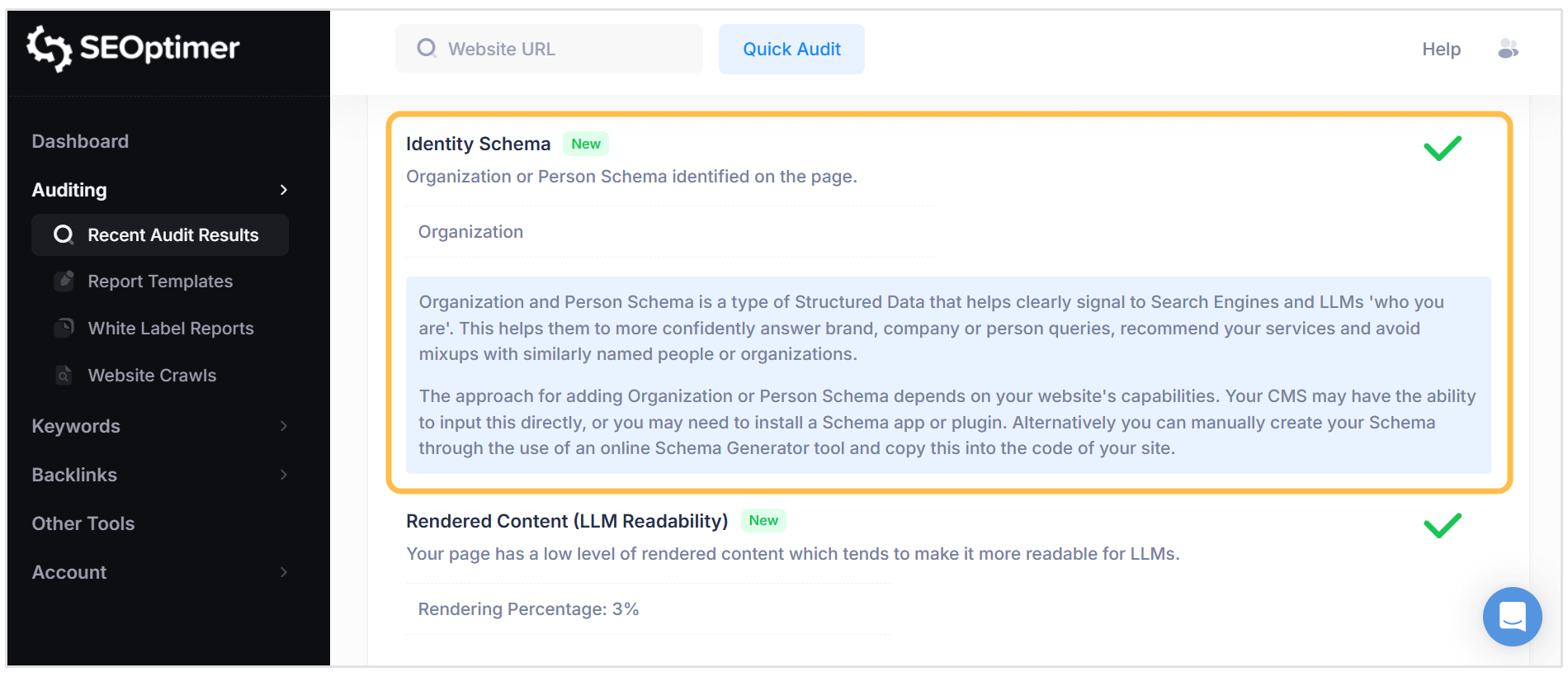
One of the easiest ways to see if your website includes Person or Organization schema is by running an SEO Audit with SEOptimer.
When you run an audit, our tool scans every page of your site for structured data that helps search engines and LLMs understand your website.
Schema Markup Validator
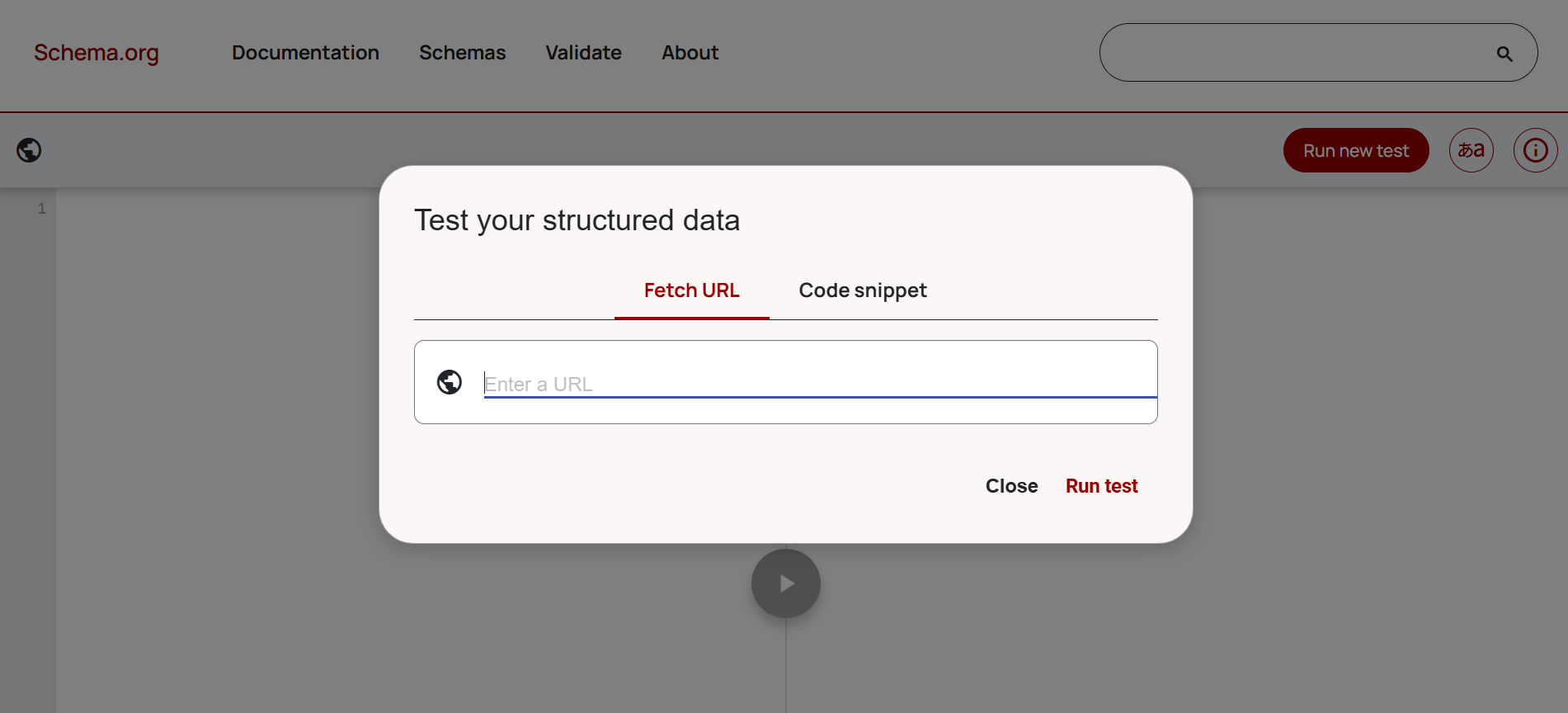
This is the official tool from schema.org for validating schema markup.
You can paste your URL or a code snippet, and it will check for errors and tell you if your markup is valid.
Google Search Console (GSC)
The Enhancements tab in GSC is perfect for monitoring your site's structured data.
It helps you spot errors, track how many of your pages are eligible for rich results, and check the indexing status of pages with schema.
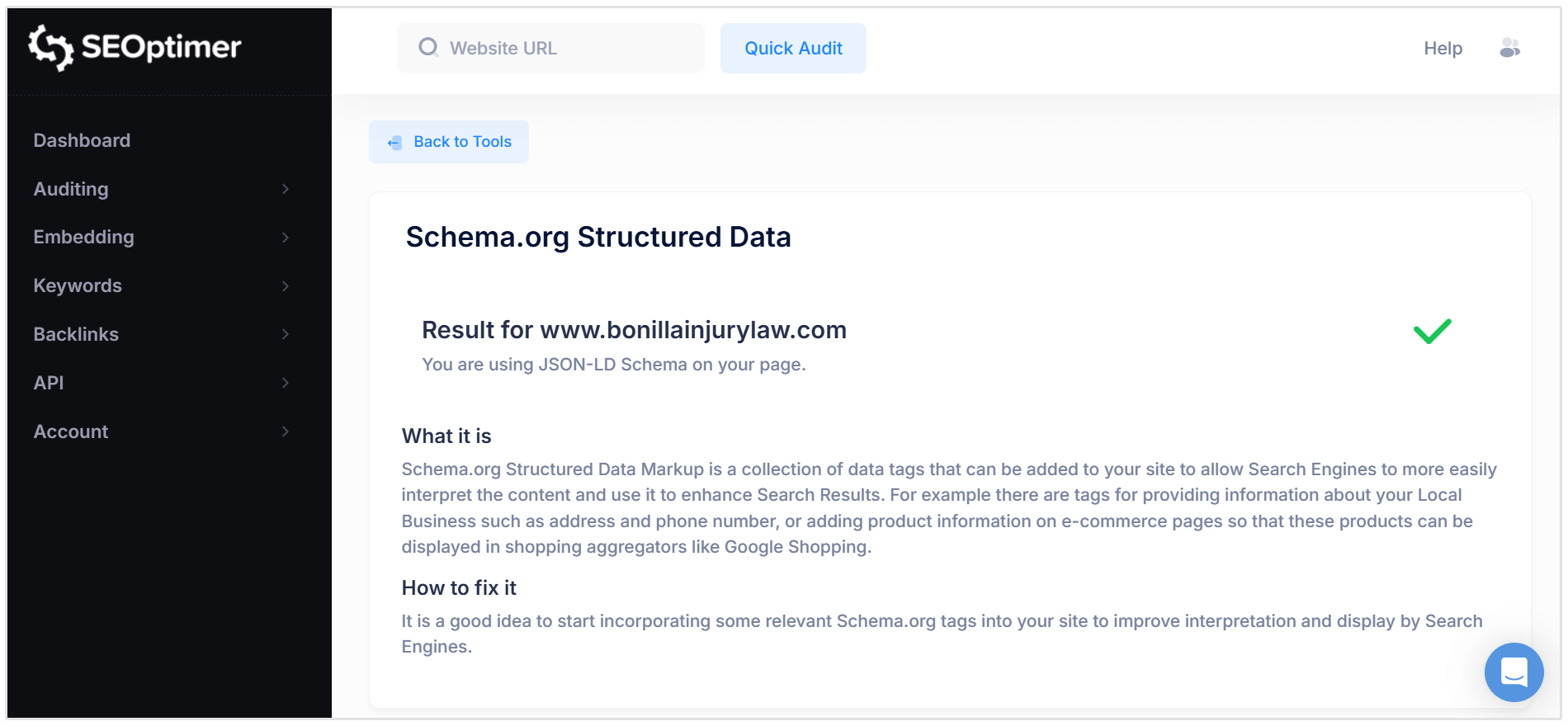
SEOptimer's Schema.org Structured Data Tester
You can also use SEOptimer’s Free Structured Data Tester to quickly confirm whether your site is using JSON-LD schema, which is Google’s preferred format for structured data.
Just enter your website URL, and the tool will instantly check your page to verify if JSON-LD markup is present. It’s a simple way to make sure your schema is implemented in the correct format before running a full SEO audit.
Google Rich Results Test
The Google Rich Results Test shows you whether your page's structured data qualifies for rich results in Google Search.

Mistakes to Avoid when Implementing Schema Markup
Implementing schema incorrectly can do more harm than good. Watch out for these common mistakes:
- Using the wrong schema type: Always use the schema type that best fits the content on the page. Don't use Product schema on a blog post unless you're actually selling a product on that page.
- Incomplete fields: Leaving required fields blank can make your markup invalid. Fill in all required properties and as many optional ones as are relevant to provide the most complete picture to AI.
- Content mismatch: Your schema markup must reflect the content that is visible to users on the page. Hiding information in your code that isn't on the page is against Google's guidelines.
- Not updating your schema: If you change your page content, update your schema markup accordingly. Outdated structured data can confuse search engines and lead to errors.
Conclusion
Schema markup provides clean, structured, and connected data for traditional search engines and generative AI tools.
And if you want to make it easier for AI systems to understand and recommend your business you need to spend some time implementing these tags.
Start with the core schema types relevant to your business, validate that they actually work, and then add any additional schema types.
Feature update
New AI Visibility Checks are Here. Is Your Site Ready?
Run a free audit to see how well your site is optimized for Google AI Overviews and LLMs.
Run Free Audit