


While many people focus on the total number of backlinks a site has, the number of referring domains is arguably more important.
Understanding what referring domains are and how to get more of them can boost your website's authority and overall search engine rankings.
This guide will explain the difference between referring domains and backlinks, why they are crucial for search engine optimization, and how you can earn more high-quality linking domains for your own website.
What are Referring Domains?
A referring domain, also known as a linking domain, is an external website that links to your site. If a website links to your content, it becomes a referring domain.
The concept of referring domains and linking domains are important in SEO because search engines like Google use referring domains to measure how much your website is trusted across the web.
When external websites link to you, it sends a strong signal that your content is useful, credible, and worth showing to others.
The more referring domains that recommend you, the stronger your site’s authority becomes.
Referring Domains vs. Backlinks
It's easy to confuse referring domains and backlinks, but they are not the same.
- A backlink is a single hyperlink from one website to another.
- A referring domain is the website that a backlink originates from.
A single referring domain can provide multiple backlinks to your site.
For instance, if a blog writes an article and links to your website three times within that article, you have gained three backlinks from one referring domain.
A great example of this in action is in Shopify’s SEO Management guide which links to SEOptimer in two different places in the same blog.
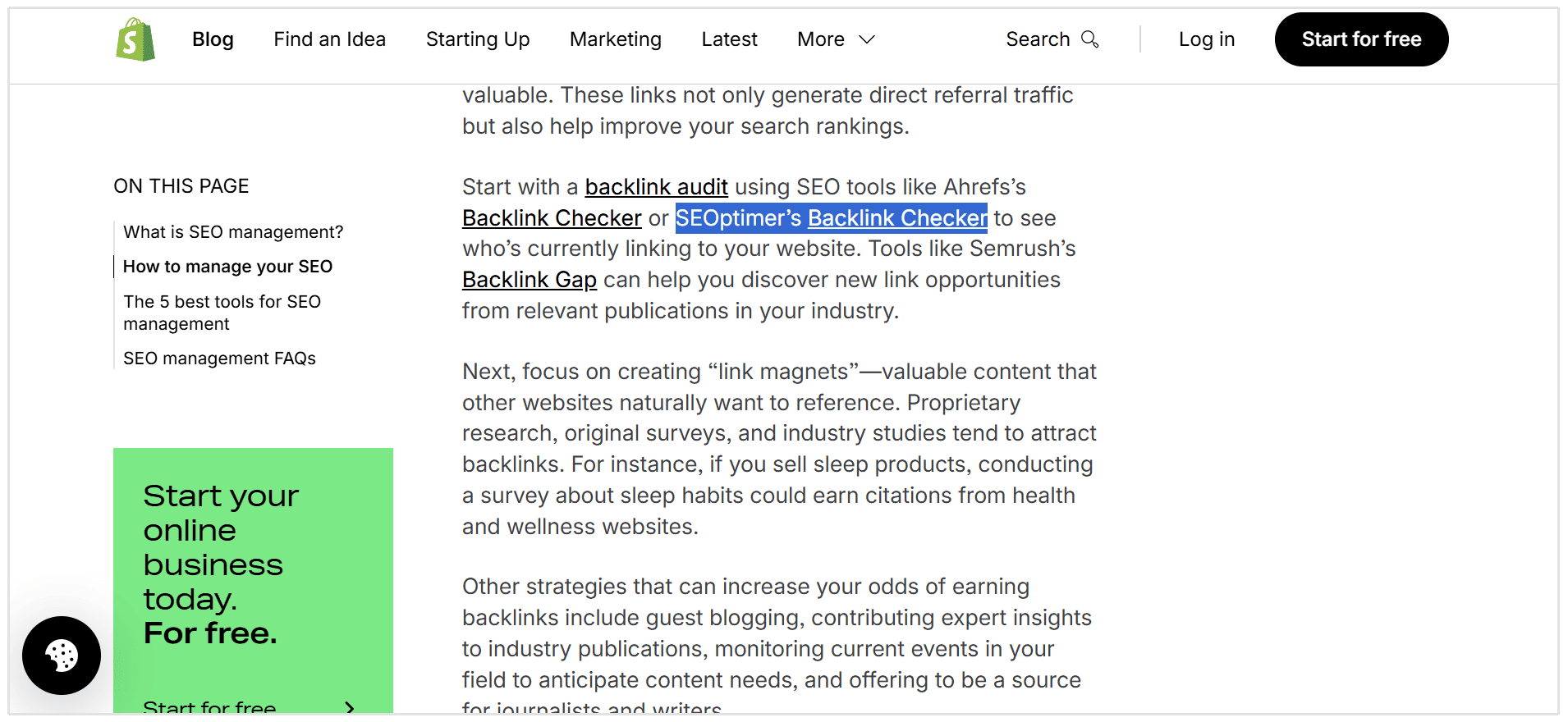
Here we get two backlinks, but from one referring domain.
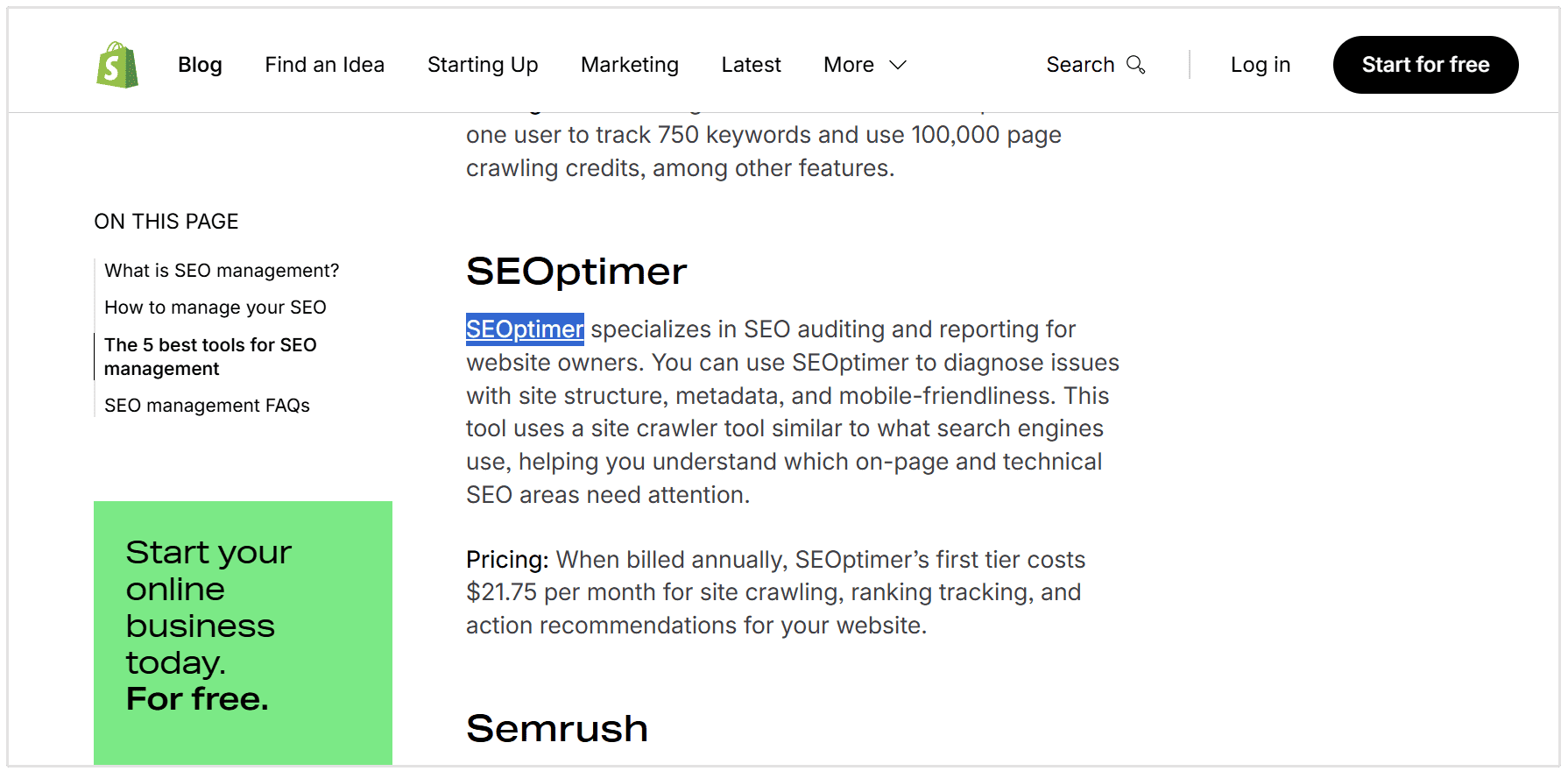
But if two different websites link to you once each, you have two backlinks and two referring domains.
Focusing on the number of referring domains provides a more accurate picture of your site's backlink profile diversity and strength.
How Many Referring Domains are Good?
There's no magic number for how many referring domains a website should have. But research consistently shows a strong correlation between a higher number of referring domains and better search engine rankings.
According to a study by Backlinko, the top-ranking pages in Google tend to have significantly more referring domains than pages on the rest of the search results.
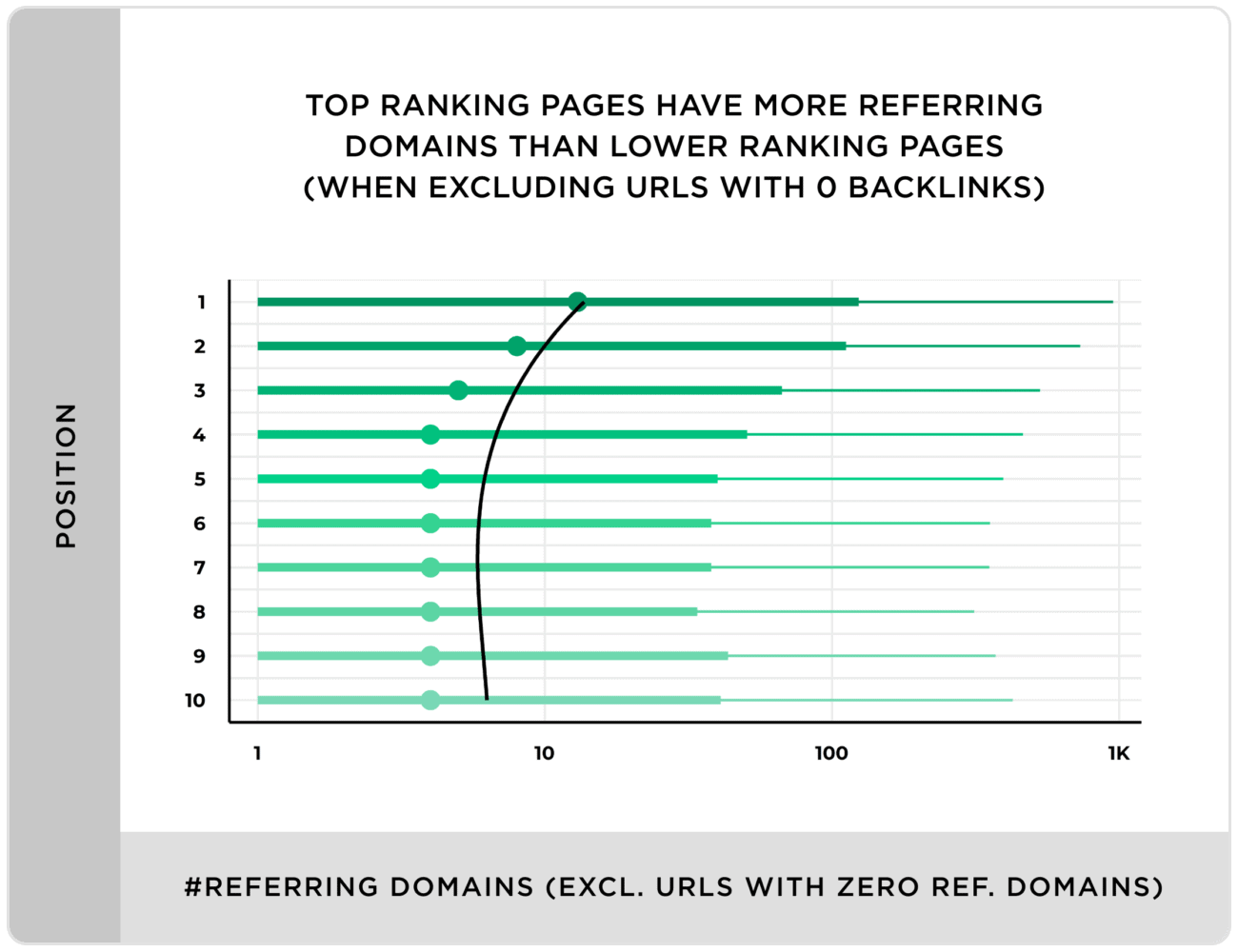
This suggests that while quality is important, quantity (number of referring domains) also matters.
Rather than aiming for a specific number, your goal should be to steadily grow a diverse portfolio of high-quality, relevant linking domains.
What are High-Quality Referring Domains?
Not all referring domains are equal in quality.
Search engines look for links from external websites that are both relevant to your website and reputable.
- Relevance: A link from a website within your niche or industry carries more weight. For example, if you run a fitness blog, a link from a well-known health and wellness site is more valuable than a link from a blog about DIY and gardening.
- Reputation & Domain Authority: Links from established, trusted websites are powerful endorsements. Metrics like Domain Strength or Domain Authority can give you an idea of a site's reputation, but you should also manually assess its content quality and credibility.
Acquiring links from spammy or low-quality sites can have little to no positive impact, and in some cases, could even harm your SEO.
You should focus on getting links from more referring domains that your audience trusts and perhaps even also follow or read on a regular basis.
How to Check Referring Domains
You can get a basic overview of your referring domains for free using Google Search Console.
Navigate to the "Links" report in your GSC account and look under "Top linking sites." This report shows you which domains link to your site most frequently.
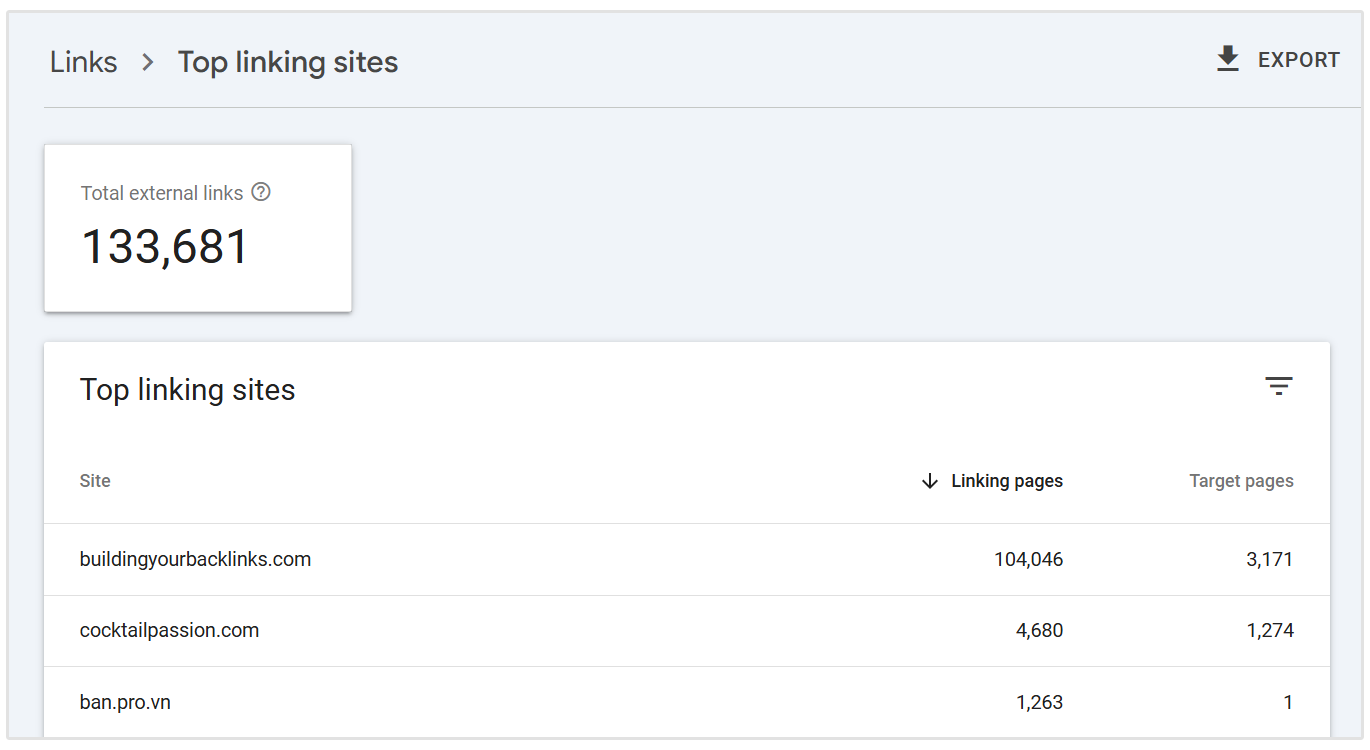
For a more detailed analysis or to see who links to you, you'll need an SEO backlink tool.
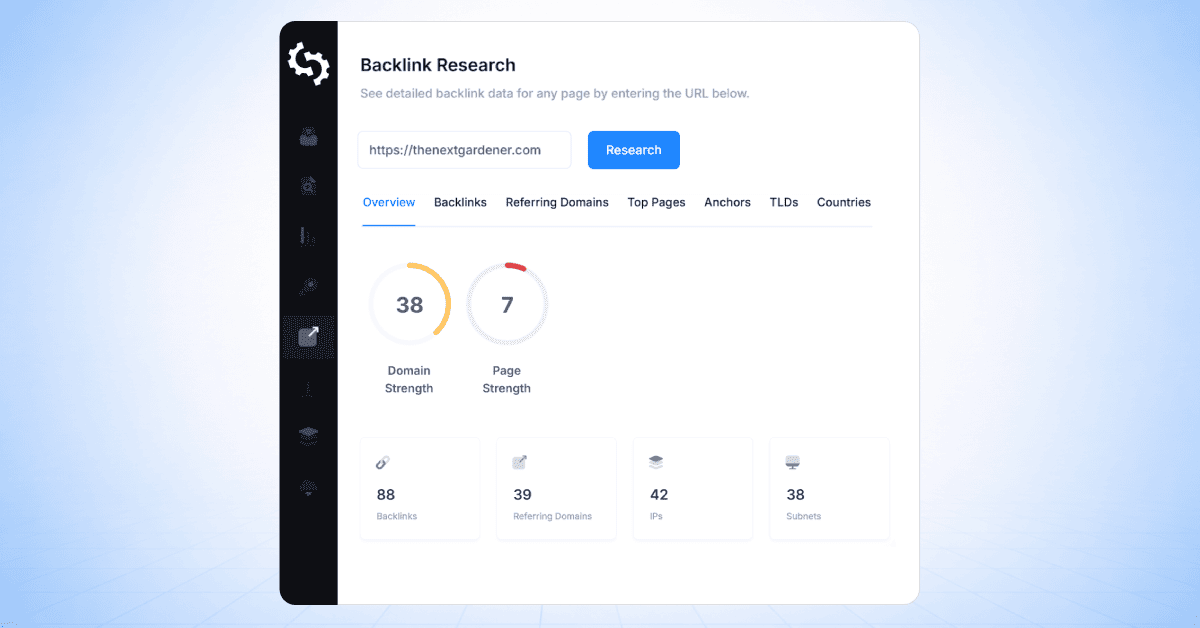
SEOptimer offers a comprehensive backlink analytics tool that allows you to see a full list of your referring domains, their authority scores, the specific pages they link to, and much more.
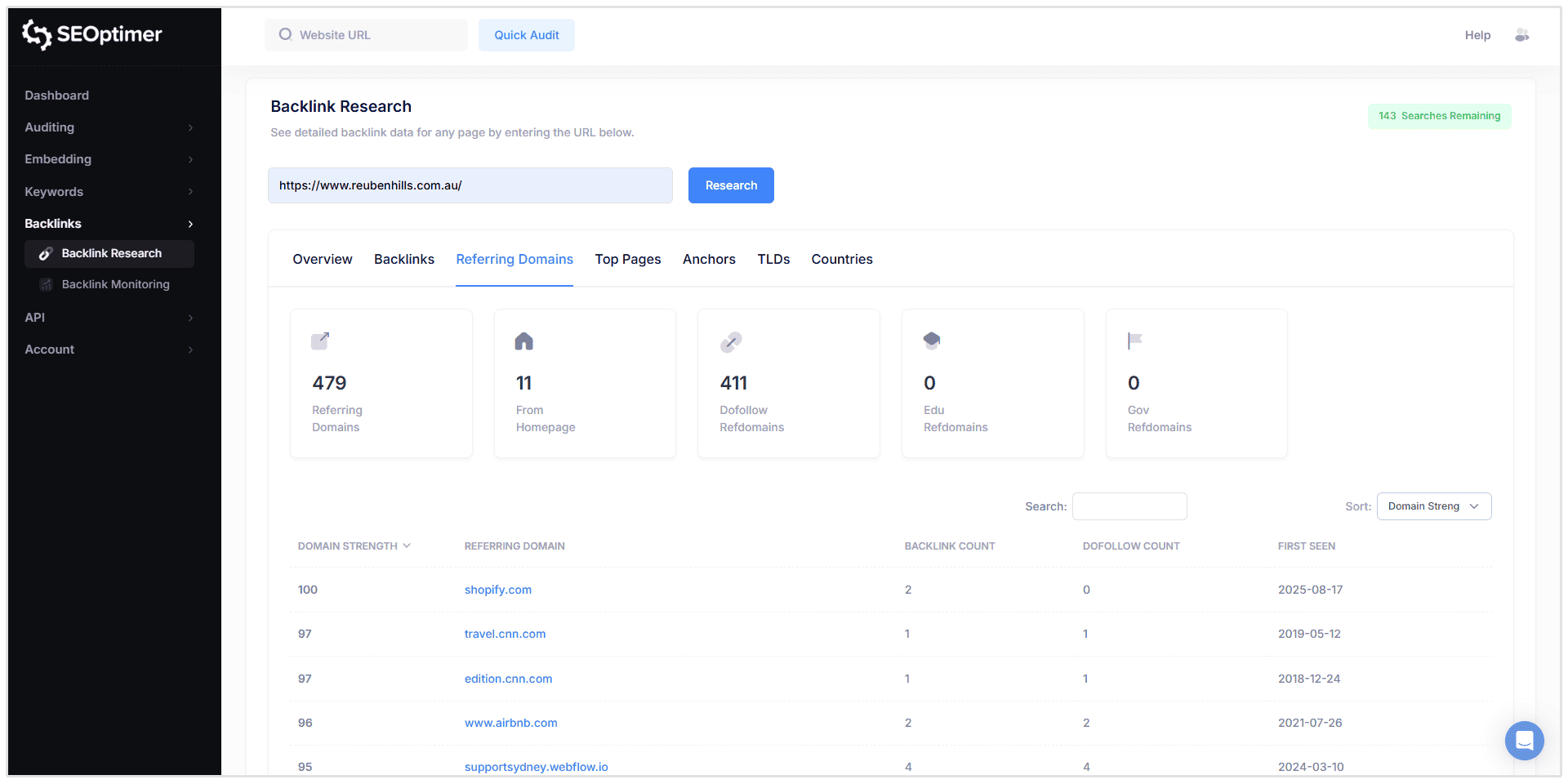
Having access to this data is invaluable for tracking your progress and analyzing your competitors' backlink profiles and their link building strategies.
How to Get More Referring Domains
Building a strong profile of referring domains requires a strategic and consistent effort.
Here are seven effective link-building tactics to help you get more high-quality referring domains:
- Broken link building
- Unlinked mentions
- Create linkable assets
- Guest posting
- Link exchange
- Study competitor link building strategies
- Reclaim lost linked domains
Let's discuss each in more detail.
1. Broken Link Building
This classic technique involves finding broken links on other websites in your niche.
Once you find a broken link that points to content similar to what you offer, you reach out to the site owner.
Politely let them know about the broken link and suggest your own content as a replacement.
It’s a win-win: you help them fix their website, and you gain a relevant backlink.
Related Reading: SEO Outreach: How to Do It Right (with Tips from Outreach Managers)
2. Unlinked Mentions
Sometimes, other websites will mention your brand, product, or content without linking to you.
These are called unlinked mentions.
You can use tools to monitor the web for mentions of your brand name.
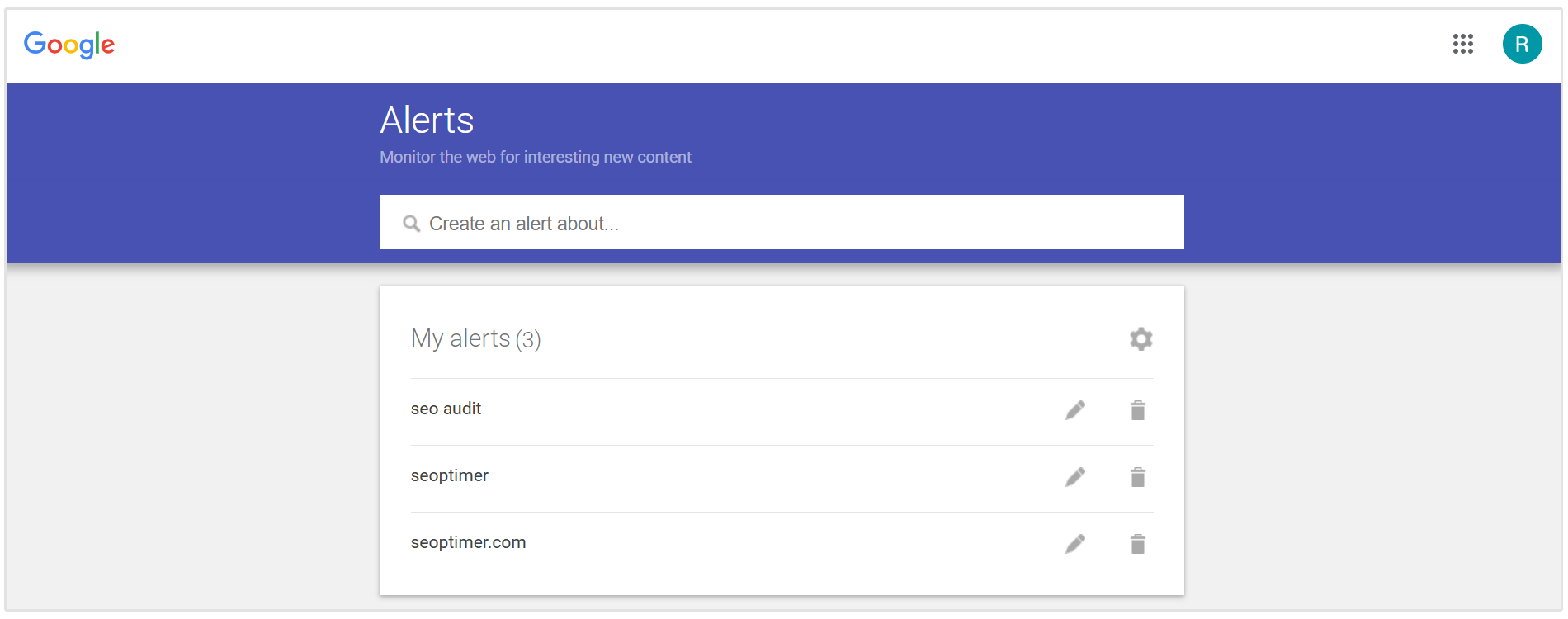
One of these is Google Alerts.
You can use this tool to notify you each time your company’s name, website, or products are mentioned online.
Here is a screenshot of the Google Alerts that I have set up.
As you can see I’ve created alerts for “seoptimer”, “seoptimer.com”, and for one of our primary keywords “seo audit”.
When you find an unlinked mention or you get notified with Google Alerts, contact the author or editor and kindly ask if they would be willing to add a link to their reference.
3. Create Linkable Assets
The most sustainable way to earn referring domains is to create content that people naturally want to link to.
These "linkable assets" provide immense value and serve as go-to resources in your industry.
One of the most effective ways to create a linkable asset is by producing comprehensive, authoritative content that provides real value to your audience. Think long-form guides, research-backed articles, or how-to resources that answer common questions in your industry.
- Ryan Anderson, President at Markiserv
Examples of linkable assets include:
- Original research and case studies
- In-depth guides and tutorials
- Free tools and calculators
- Visually appealing infographics
At SEOptimer, we’ve got a bunch of free SEO tools that serve as great linkable assets.
Some of these tools like our Robots.txt Generator have hundreds of inbound links and referring domains pointing to them.
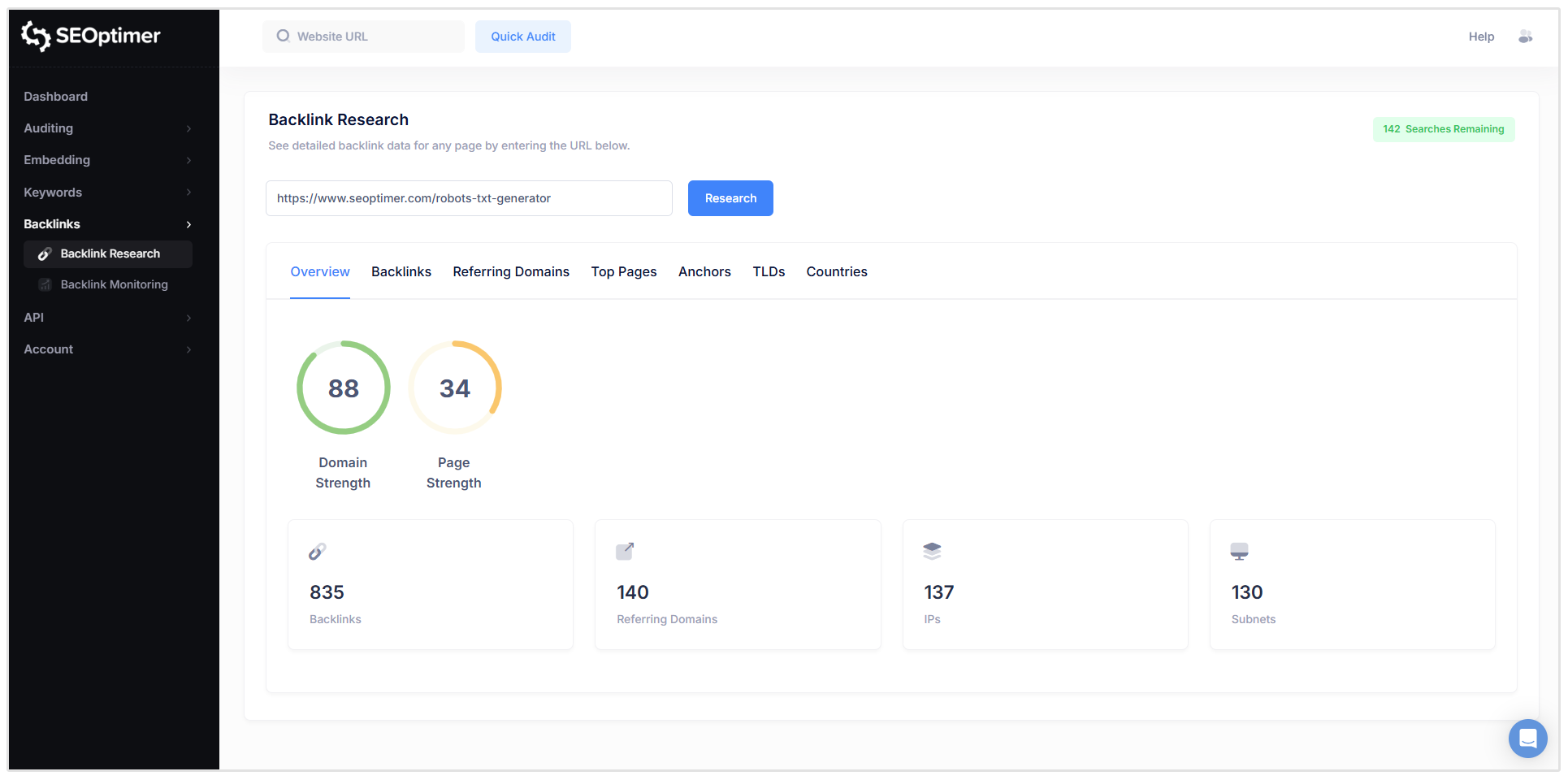
When you create high quality content and useful tools, other sites will link to it, earning you more backlinks without direct outreach.
4. Guest Posting
Guest posting involves writing an article for another website in your industry.
In exchange for your high quality content, you typically get an author bio with a link back to your website.
This is a great way to get your brand in front of a new audience and secure a link from a referring domain in your niche.
Focus on contributing high-quality, valuable content to reputable sites.
5. Link Exchange
Link exchange is a tactic where two website owners agree to link to each other’s content because it adds value to both audiences.
When done correctly, link exchanges can help you:
- Build relationships within your industry
- Earn relevant referring domains faster
- Strengthen topical authority across related content
However, link exchanges should always be natural and intentional, not forced or automated.
If two sites link to each other in a relevant and useful way, and it’s clear that the exchange was made with the user in mind, it’s generally not a problem.
- Sasha Berson, Founder at Grow Law
Best practices for safe link exchanges:
- Only exchange links with sites in your niche or closely related industries
- Ensure the link fits naturally within content
- Avoid large-scale “link swap” schemes
- Never use private networks or paid exchange farms
- Focus on quality over quantity
When used ethically, link exchanges can be a useful supplement to your link-building strategy.
6. Study Competitor Link Building Strategies
Another way to get more linking domains is to find competitor backlinks and then copy what they are doing.
Ask yourself:
- Which websites are linking to them?
- What kind of content is attracting these links?
By understanding their strategies, you can identify link-building opportunities you might have missed.
You can then target the same referring domains or create even better content to “steal” those links yourself.
7. Reclaim Lost Linked Domains
Over time, some referring domains that once linked to you may remove or break those links.
This could happen due to website updates, page deletions, URL changes, or content rewrites.
Link reclamation focuses on finding and restoring those lost backlinks.
You can start by using SEO tools to identify:
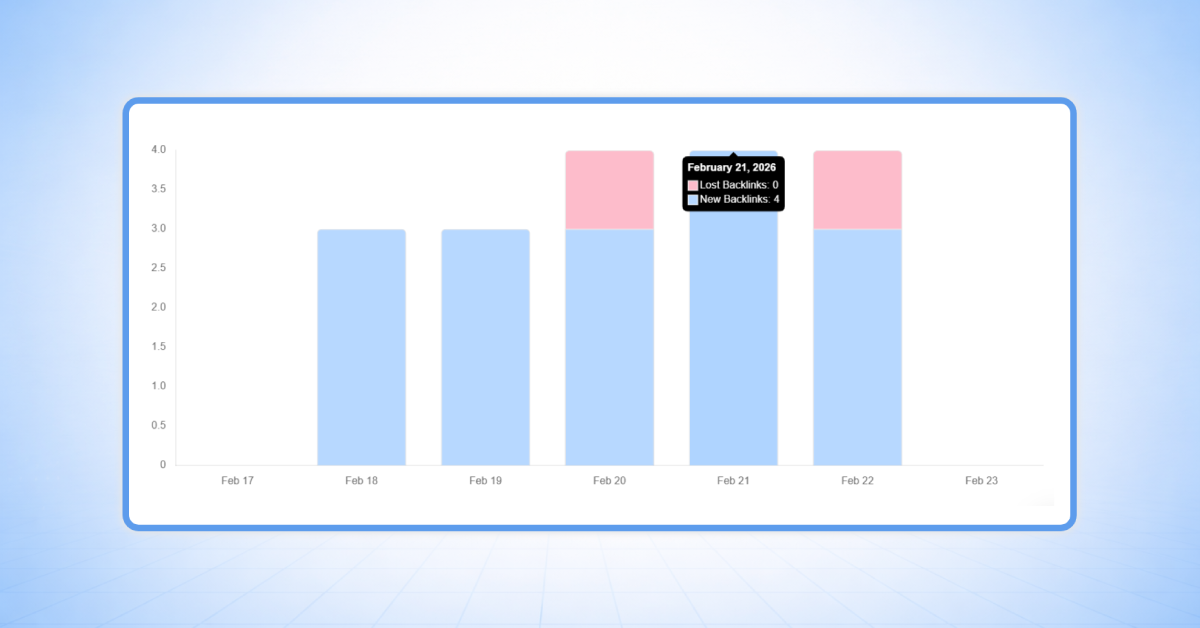
- Referring domains that no longer link to you (use SEOptimer’s Backlink Monitoring tool to find these lost links)
- Broken backlinks pointing to deleted or moved pages
- Links returning 404 errors
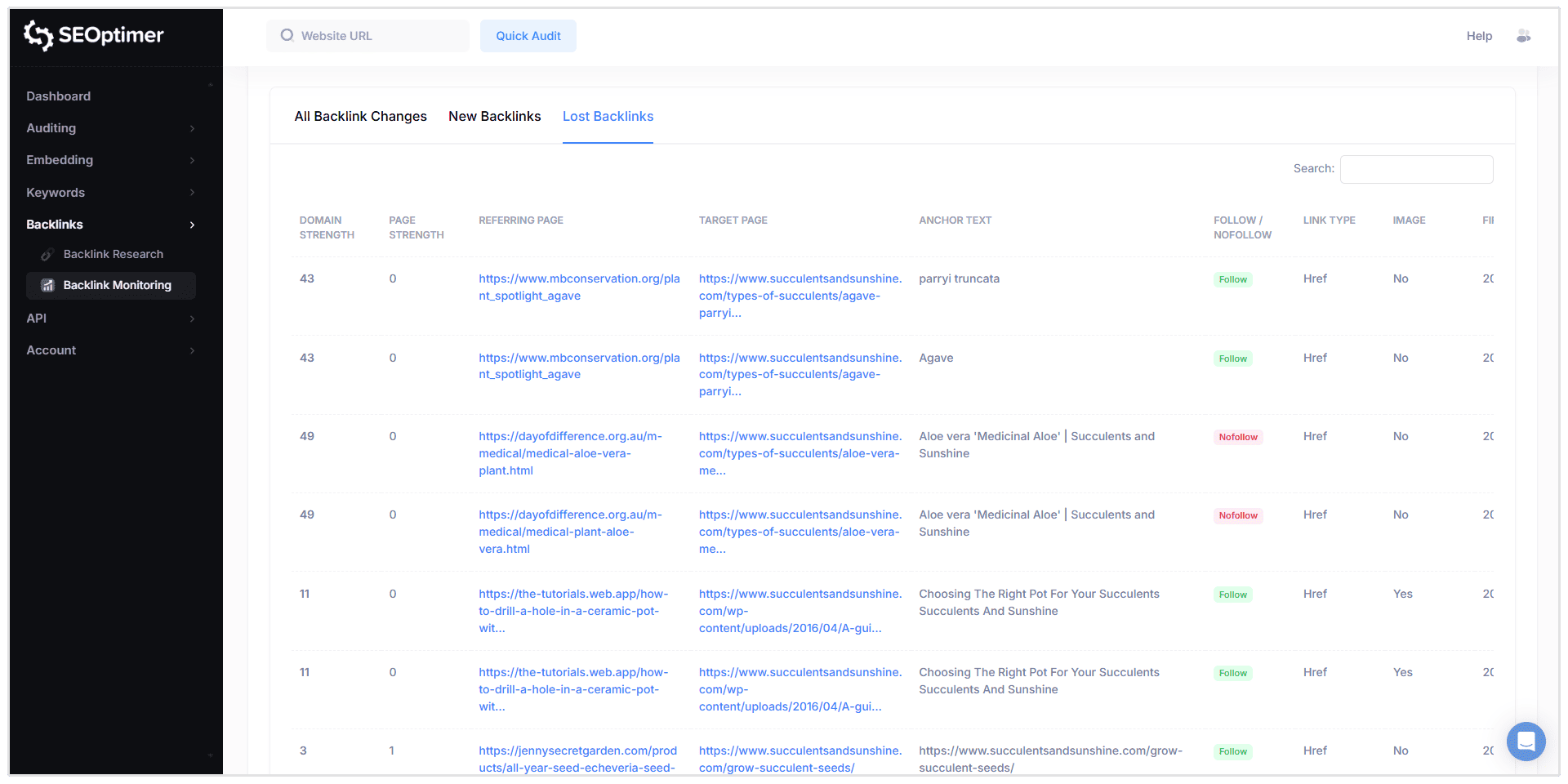
Once you find a lost link, reach out to the site owner and politely ask if they would be willing to restore the link or update it to point to a relevant, working page on your site.
Reclaiming lost links is one of the fastest ways to gain referring domains again, because the site has already linked to you before.
Why are Referring Domains Important for SEO?
Referring domains are a key component of search engine optimization for several key reasons:
They Build Authority and Trust
A diverse backlink profile from various referring domains signals to search engines that your site is a credible and authoritative source of information. This trust is a major ranking factor.
They Drive Referral Traffic
High quality backlinks don't just help with search rankings; they also drive more traffic to your site.
A link from a popular, relevant external website can send a stream of highly interested visitors your way.
They Indicate Content Quality
When multiple unique websites link to your content, it tells search engines that your content is valuable and useful, which can help it rank higher for relevant keywords.
Conclusion
Focusing on increasing your number of high-quality referring domains is a powerful SEO strategy.
While the total number of backlinks is a useful metric, the diversity and authority of your referring domains provide a much clearer indication of your site's credibility.
By creating valuable, linkable assets and using smart link-building tactics, you can build a robust backlink profile that boosts your authority, improves your search engine rankings, and drives more organic traffic to your website.