Free Robots.txt Generator
The Free robots.txt file generator allows you to easily product a robots.txt file for your website based on inputs.
robots.txt is a file that can be placed in the root folder of your website to help search engines index your site more appropriately. Search engines such as Google use website crawlers, or robots that review all the content on your website. There may be parts of your website that you do not want them to crawl to include in user search results, such as admin page. You can add these pages to the file to be explicitly ignored. Robots.txt files use something called the Robots Exclusion Protocol. This website will easily generate the file for you with inputs of pages to be excluded.
Output
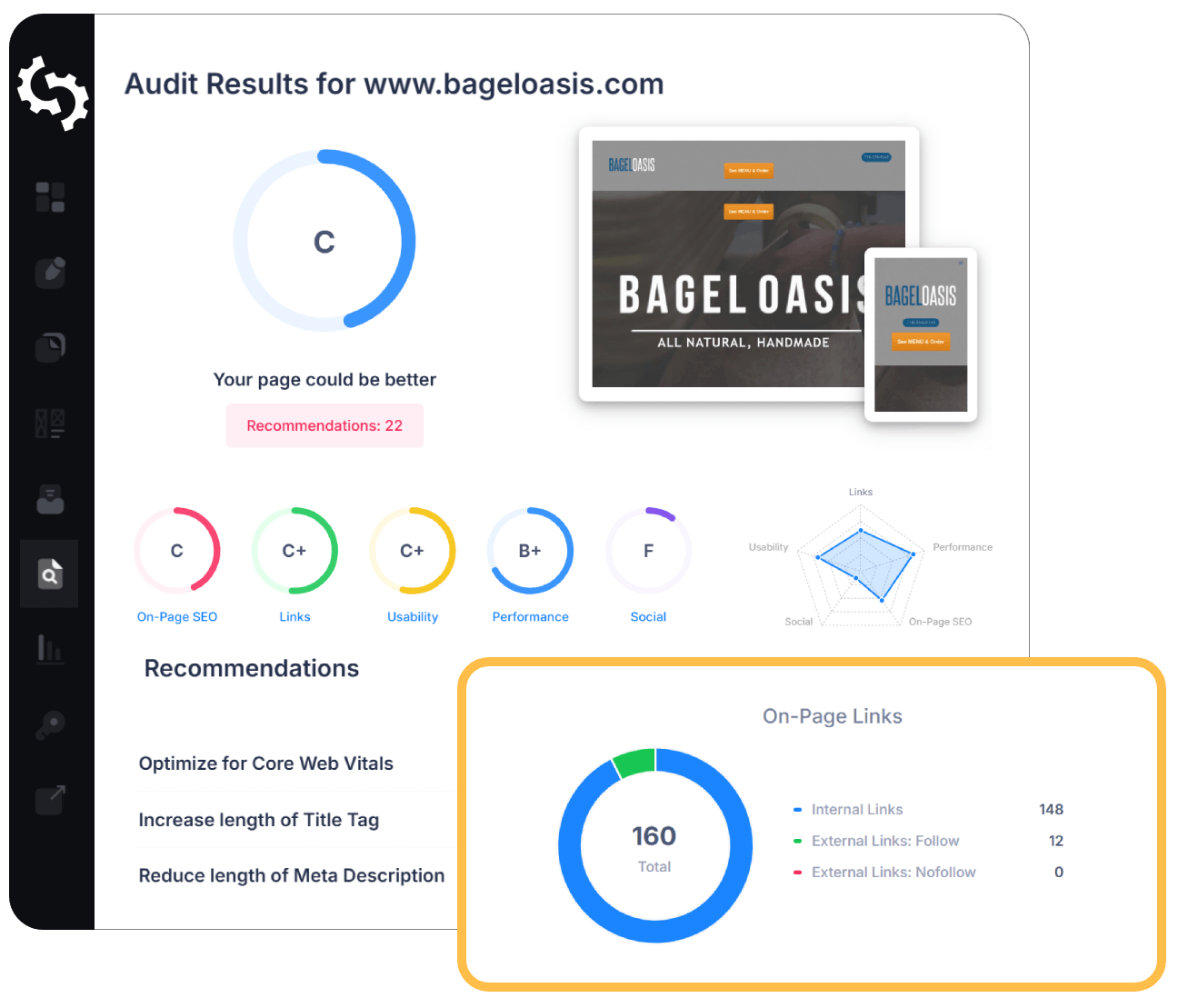
SEO Audit Any Site in Seconds
+ Comprehensive SEO / GEO Tools for Every Function
Run over 100 checks on your website across On-Page SEO, Usability, Performance, Social and Links. Now with GEO in every report. SEOptimer also offers keyword research, rank tracking, backlinks and a full site crawler.

About Robots.txt Files
What is a robots.txt file?
Does robots.txt still matter in 2026?
How robots.txt relates to AI search
Robots.txt best practices
- Keep the file at the domain root. Anywhere else and it is ignored entirely.
- Never use it to hide sensitive content. The file is public, and reading it is the fastest way to find the paths you wanted hidden.
- Use a noindex directive rather than a crawl block when the goal is keeping a page out of results.
- Do not combine the two on the same page. A blocked page can never be read, so its noindex is never seen.
- Reference your XML sitemap in the file so crawlers find it without being told separately.
- Review the AI crawler rules as a deliberate decision, not a default.
Common mistakes
- Blocking CSS or JavaScript, which prevents search engines rendering the page as a visitor sees it.
- Leaving a development-era rule blocking the whole site after launch. This is the single most damaging robots.txt error.
- Assuming a blocked URL will drop out of search results, when it may remain listed without a description.
- Writing rules for a user agent string that does not exist, so nothing is affected.
- Forgetting that subdomains need their own file; a rule on the main domain does not cover them.
Using the robots.txt generator
Where to go next
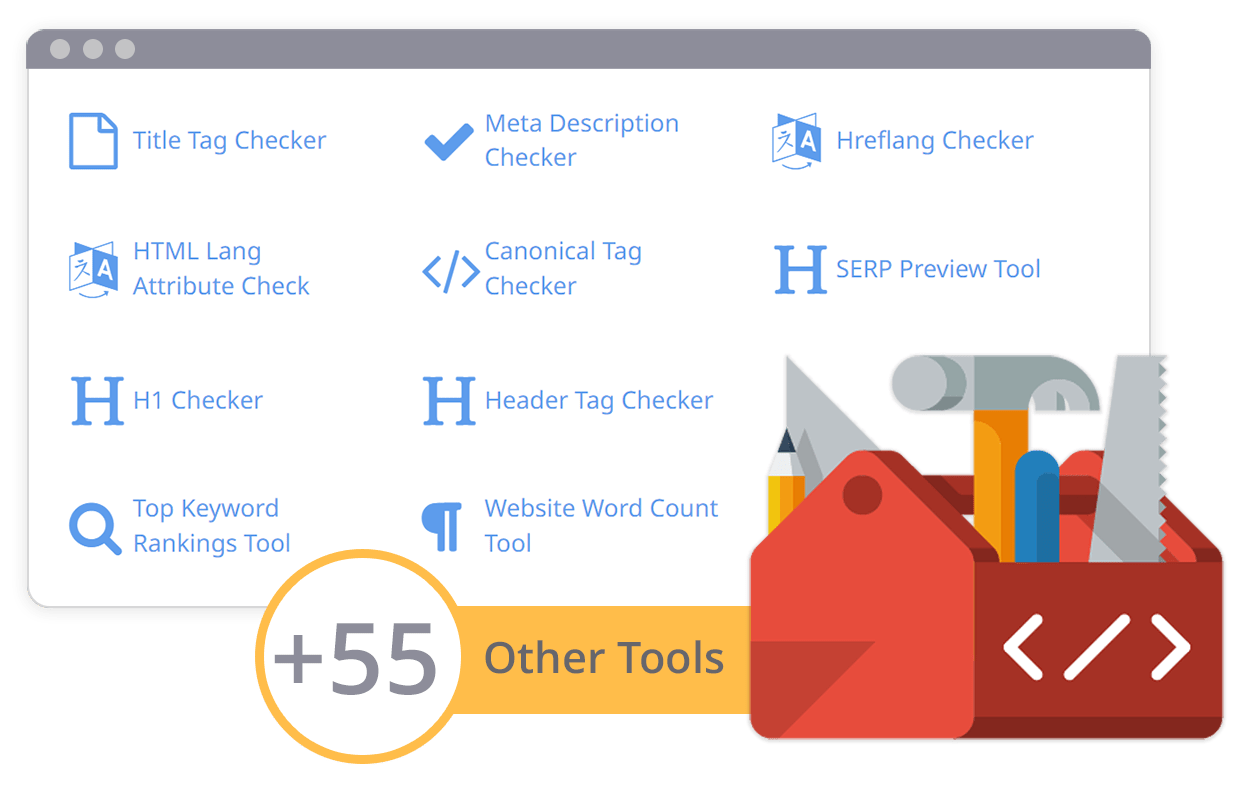
Comprehensive SEO Toolbox with over 55 Tools
Check Titles, Meta Descriptions, Headings, Schema, Core Web Vitals, SSL and Robots.txt. Generate Meta Tags, Sitemaps and .htaccess Rules, minify CSS, JS and HTML, and draft copy with our AI Writing Tools - instantly and for free.
Further Reading
See More