

Link velocity helps Google judge how naturally a page is gaining links and authority. Specifically, Google tracks how quickly backlinks appear or disappear and how that correlates with the age of the content.
A sudden increase in the number of inbound links from low-authority sites shortly after a page is published may indicate unnatural linking patterns.
Google link spam detection systems calculate this pattern along with user engagement to determine if the incoming links are natural.
Let’s understand what link velocity in SEO is and how you can keep your website safe from Google penalties by acquiring organic links.
What is Link Velocity?
Link velocity refers to the rate at which new backlinks are acquired (or lost) by a webpage over time. It helps search engines detect unnatural link behavior, evaluate content freshness, and assess ranking relevance.
Link velocity is based on freshness and trustworthiness.
Pages that are updated frequently and show consistent link growth are more likely to be ranked higher. However, manipulated or abrupt link gains may signal link spam, and lead to lower organic rankings.
Example of Site with High vs Low Link Velocity
Now, let’s take an example of a site with high vs low link velocity to understand how these patterns look in the real world.
An excellent example of high link velocity is Notion.

During the launch of its email client, Notion Mail in 2025, Notion gained hundreds of backlinks in just a few weeks. These editorial backlinks came from high-authority tech blogs and PR channels, like TechCrunch, TechRadar, Tech in Asia, and others.
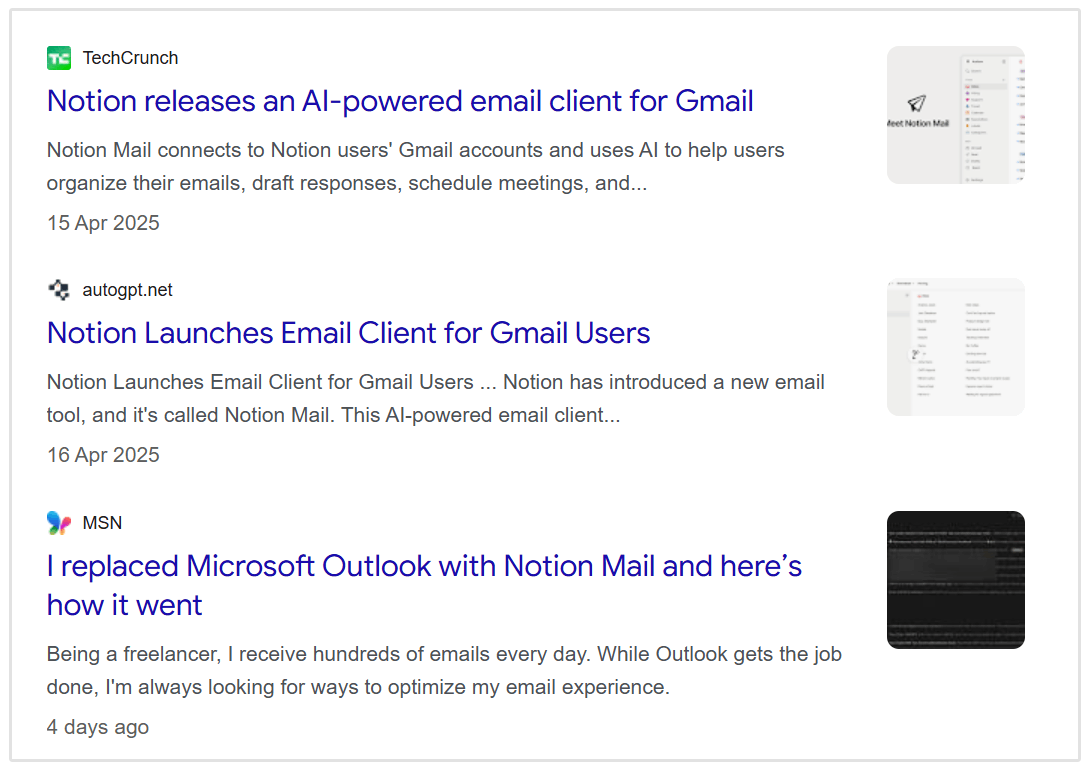
The spike in link acquisition was sharp, but it had a reason, and it matched perfectly with user interest and product relevance. Despite the rapid growth in link velocity, it was perceived as natural.
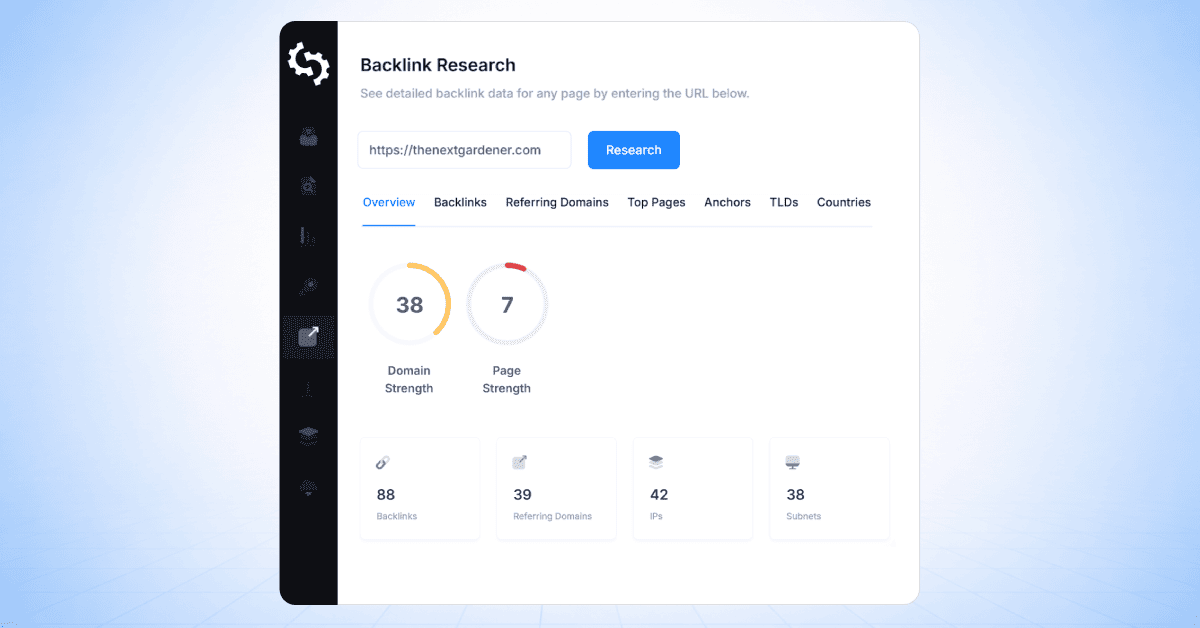
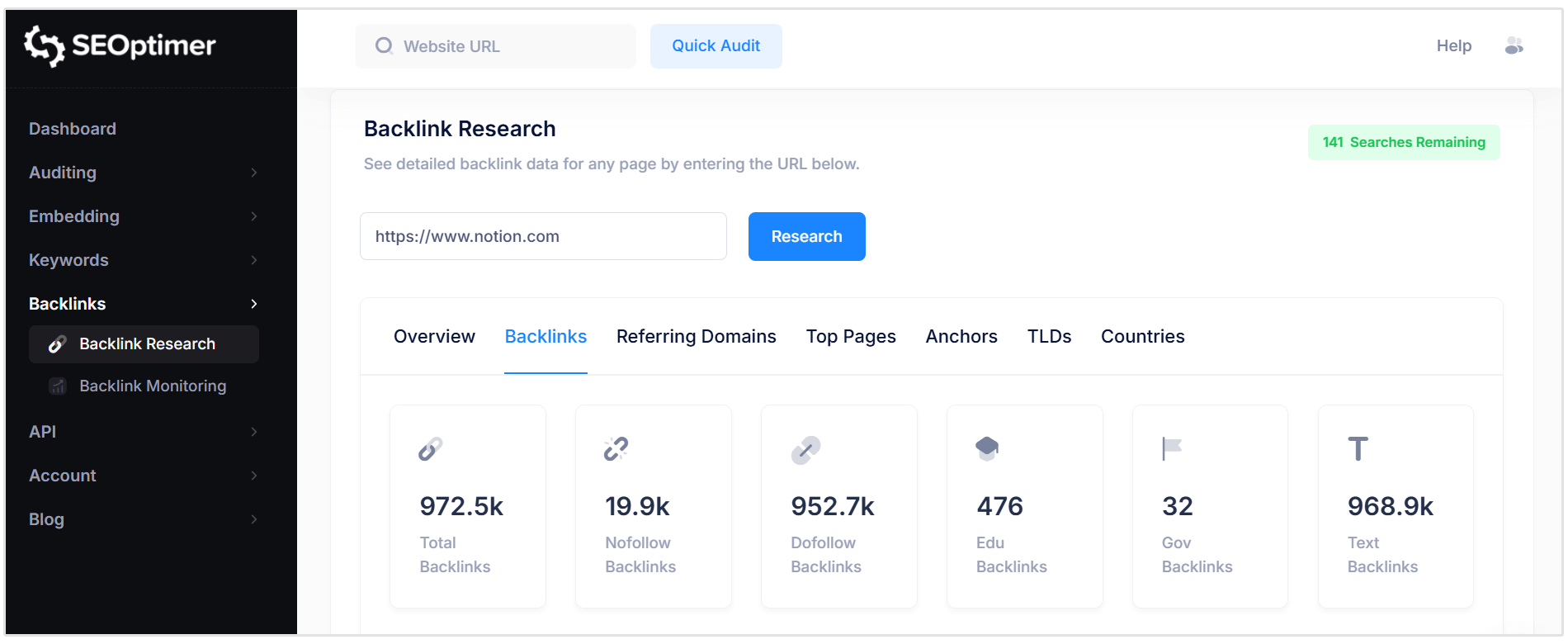
Hence, it has a high Domain Strength of 89 with 970K backlinks from more than 11K referring domains, when checked using the SEOptimer backlink checker.
A good example of low link velocity is the blog Money Bliss. It is a website that helps you gain financial freedom by sharing insightful blogs on money saving and debt-free living.
Despite having hundreds of blog posts and consistent publishing since 2017, its backlink growth has remained relatively slow compared to other similar finance blogs. The homepage has a Page Strength of only 59 with over 7K backlinks.
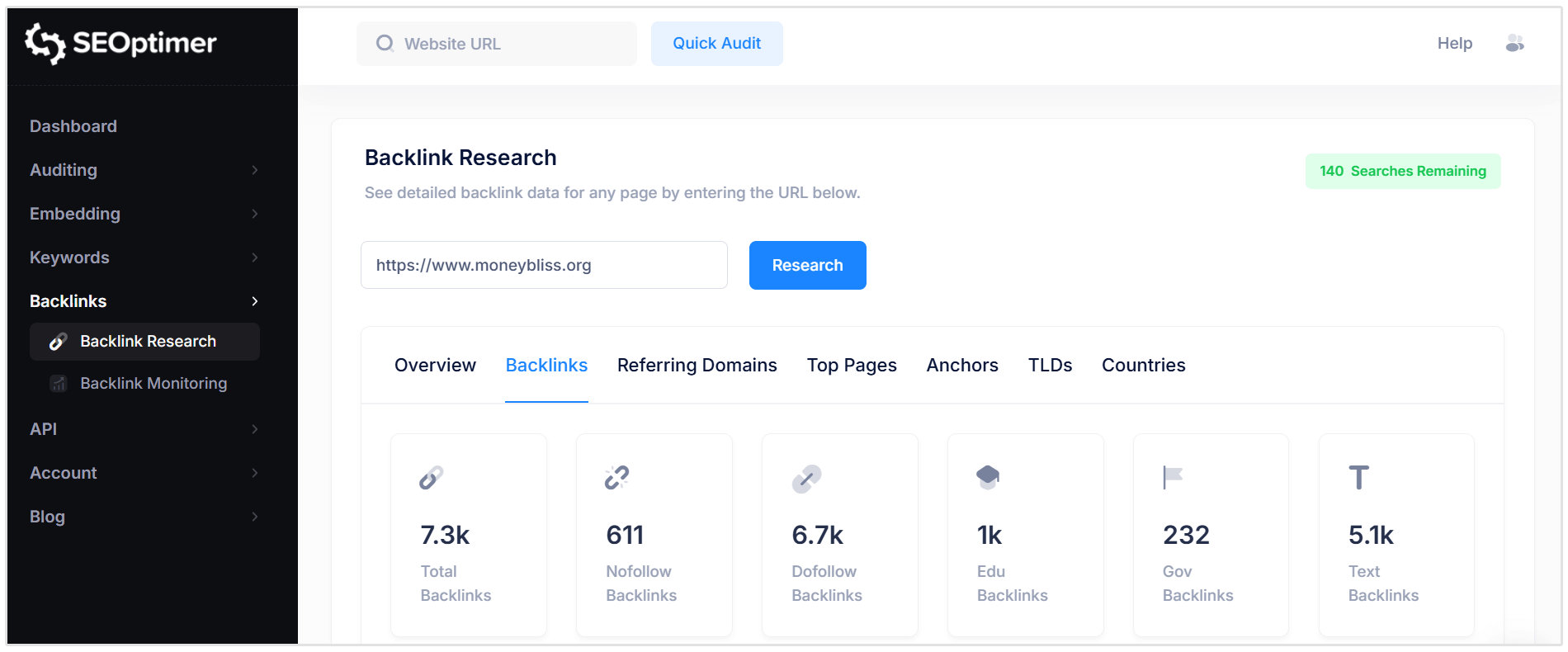
The site has incoming links from niche blogs, syndicated content platforms, and occasional guest posts, but none from major publications like NerdWallet, CNBC, or Investopedia.
The link velocity is low because there are no high-authority mentions, or PR activity.
Because of that, its Domain Strength and competitive search visibility are average. It struggles to rank in organic SERPs where other finance sites dominate. The website ranks for just one keyword, which is in position 64.
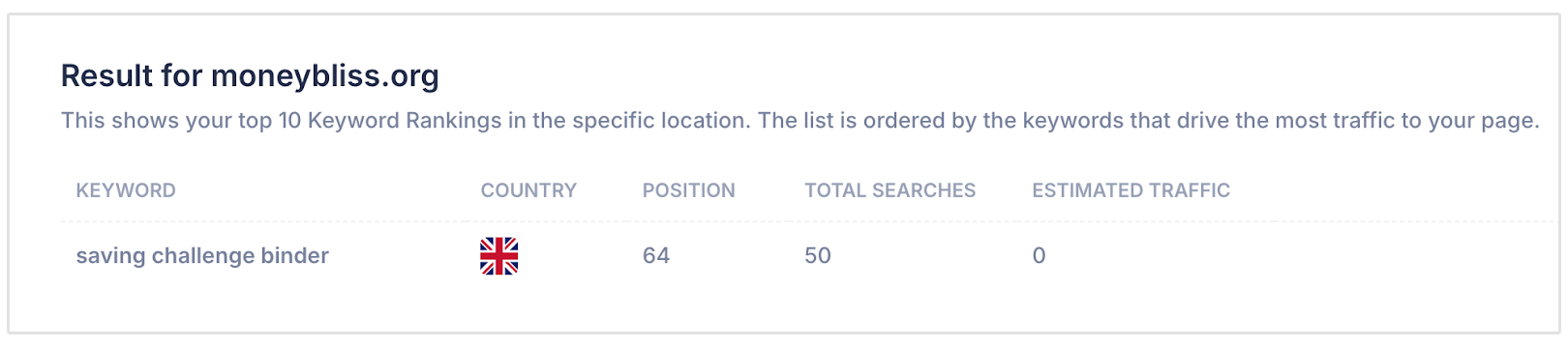
It is a great example of how even good content can stagnate in search if the link velocity reflects limited reach, weak referral sources, and no amplification strategy.
Why Link Velocity Matters in SEO?
Incoming link velocity directly influences how Google interprets the trustworthiness and authority of a website.
Consistent link growth from relevant, high-quality referring domains suggests a site is gaining attention organically through mentions and valuable content.
Hence, it supports positive link signals that improve organic SEO rankings.
However, rapid link acquisition or irregular spikes raise concerns.
Google’s looking for signals that match real-world popularity growth. If your site’s on nobody’s radar and suddenly picks up 200 links in a week, it better be because you broke a story or got some national press. Otherwise, it looks bought.
- Ivan Vislavskiy, CEO and Co-founder of Comrade Digital Marketing Agency
If the pattern resembles spamming or points towards black-hat SEO practices, it can trigger Google to take action.
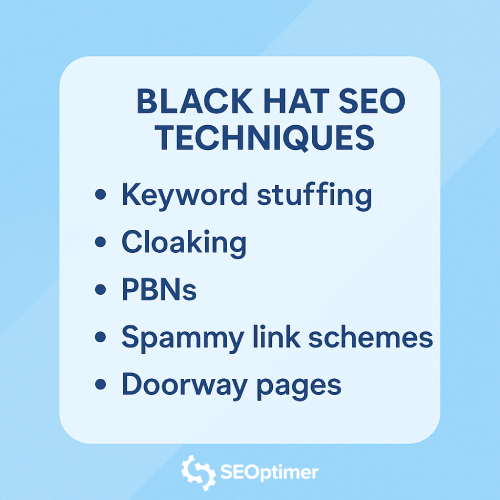
Unnatural backlink patterns without proper reasoning point towards manipulation rather than authentic growth, which may lead to ranking drops or algorithmic penalties.
SEO-wise, the goal should be to follow natural link-growth patterns by earning editorial links steadily over time.
A sudden flood of backlinks without supporting engagement or traffic looks suspicious. Balanced link velocity keeps your profile clean, reduces risk, and supports long-term organic rankings.
What’s a Healthy or Natural Link Velocity?
Google doesn’t penalize fast growth if it’s justified. What it flags is manipulated, inconsistent, or unnatural link behavior.
A healthy link velocity reflects contextual growth.
A startup featured in TechCrunch could get 100 links overnight, and that's fine because it's explainable.

On the other hand, a niche affiliate blog gaining 100 links from low-quality and free-for-all directories with exact-match anchors in two weeks is a major red flag.
Chris Kirksey, CEO of Direction.com, a digital agency offering healthcare SEO services, suggests that a big burst of links makes sense if a brand is in the news and has become a trend but if there is no reason behind it, it definitely looks suspicious.
Building your links naturally means that you are matching your growth to how your industry earns attention. Tech brands sees quick spikes right after launches while the local businesses grows slower through directories & community mentions.
- Chris Kirksey, CEO of Direction.com
Link velocity isn’t just speed; it’s how your website is acquiring the backlinks.
Your links should come from relevant and authoritative domains using organic anchors. They should be contextual and editorially given.
The rate at which you are gaining links follows your brand’s footprint (your marketing, your reputation, and your content).
Anything that feels automated, rushed, or synthetic breaks the pattern. Google is watching for that.
Risks of Unnatural Link Velocity
Here are the top risks of unnatural link velocity:
Search Engine Penalties
An unnatural increase in incoming links to your website should have a genuine reason, like a product launch or viral news.
If you can’t justify high link velocity and if the backlinks are coming from low-quality PBNs, link spam algorithms can detect such a spike as unnatural.
Hence, your website might face algorithmic penalties or even manual actions. Due to this, your site’s organic rankings may drop drastically. Recovery is difficult and can take months or longer.
Loss of Credibility
Website reputation is important for gaining and maintaining higher organic rankings.
Links from low-quality or irrelevant domains damage your brand's reputation. Maintaining high link velocity by building backlinks from low-quality referring domains is harmful to your business’s online reputation.
Ranking Volatility
Unnatural link velocity can cause unstable SERP performance. A high spike in backlinks might raise your website rankings temporarily. However, your rankings might drop suddenly as soon as link spam detection systems detect unnatural links.
Inconsistency in organic rankings makes long-term SEO planning harder. It also points out to Google that your backlink profile lacks authenticity.
Wasted Budget
Buying large volumes of backlinks from link sellers via platforms like Fiverr or Upwork may seem efficient, but most are flagged or devalued. Most of these links come from private blog networks created for the purpose of selling backlinks.
Hence, your links lose credibility in no time, and so does your investment.
The ROI from unnatural link building is short-lived. Worse, it may require future spending to undo the damage.
Poor User Experience
If you add your website’s backlinks to irrelevant content, people might click on them only to close the page. If visitors land on irrelevant content, they quickly exit the site.
It increases bounce rate and hurts user engagement metrics. Such behaviors can negatively influence your search rankings.
Disavow Burdens
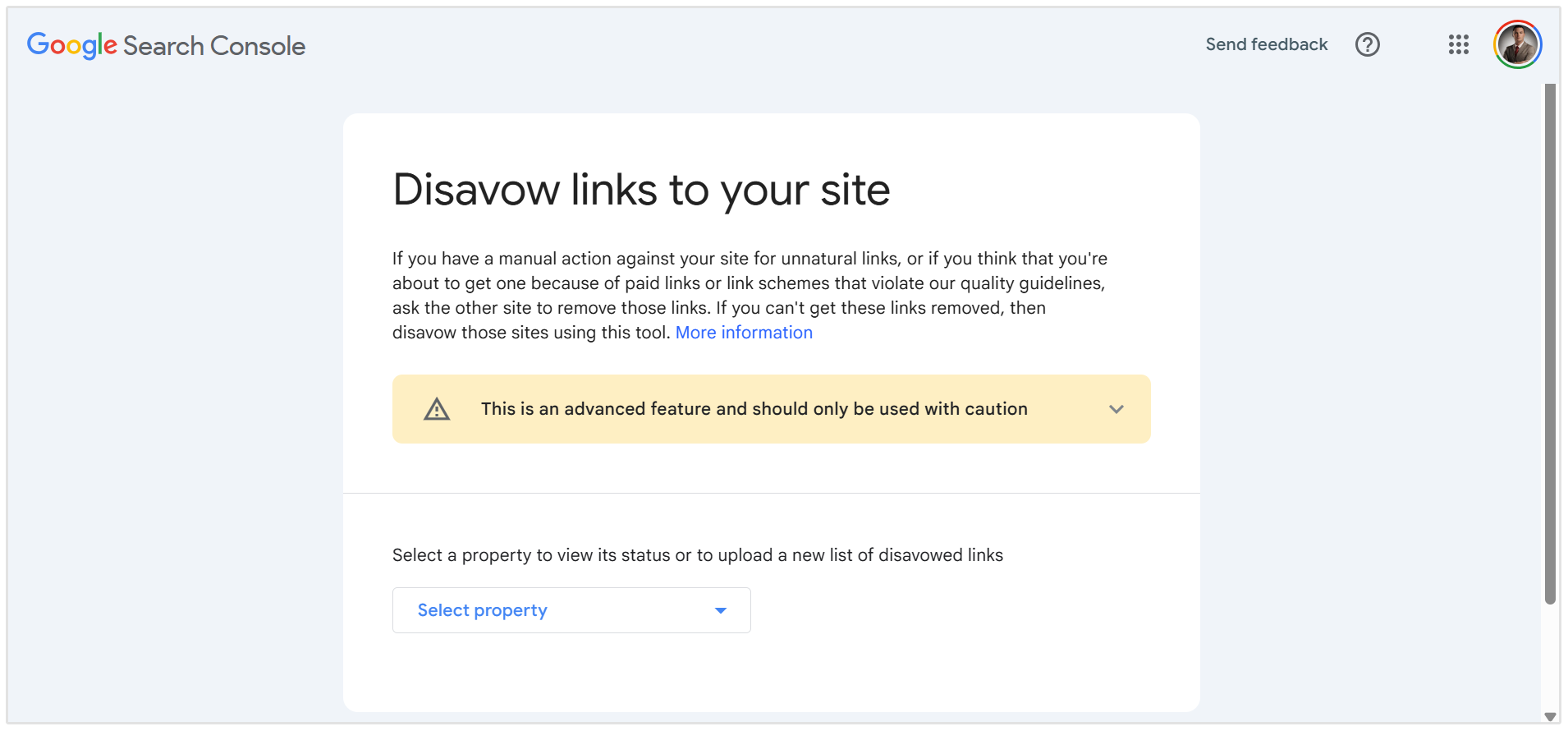
Fixing a bad link profile takes time and expertise. If your site faces a link spam penalty, it is extremely hard to get rid of it.
You will need to audit and can submit disavow files to Google. But take note, it is a long process that offers no guaranteed results.
How to Build Backlinks at a Natural Pace
You should build 3 to 5 backlinks per week for a natural and sustainable growth pattern. The best way to do this is through organic link building by earning editorial backlinks from relevant and high-authority sources.
Maintain a diverse link profile by combining links from blogs, PR sites, niche directories, and forums while avoiding PBNs and poor links that can weaken your SEO.
If you are consistently publishing press releases and acquiring editorial links naturally, there is no need to put the brakes on your link velocity, as Google sees this as a sign of growing authority.
Steve Morris, founder and CEO at NEWMEDIA.COM, actually suggests that website owners and marketers should match their competitors' growth month for month.
One of the techniques you can use it to count how many new links your competitors have gotten over the last 3-12 months, and calculate an average and a top outlier.
For example, we did this for a SaaS customer in the FinTech vertical. Their market average was about 14-18 new referring domains a month, but the top outliers were 25+, and those high-volume spikes typically corresponded with some kind of PR event or product announcement.
So we chose a campaign cadence that would start slow so as to build trust with Google, and then, once we crossed a certain threshold of domain authority, we could safely scale up to the top velocity we'd observed without any ranking volatility: +312% in monthly organic leads over 24 months.
- Steve Morris, founder and CEO at NEWMEDIA
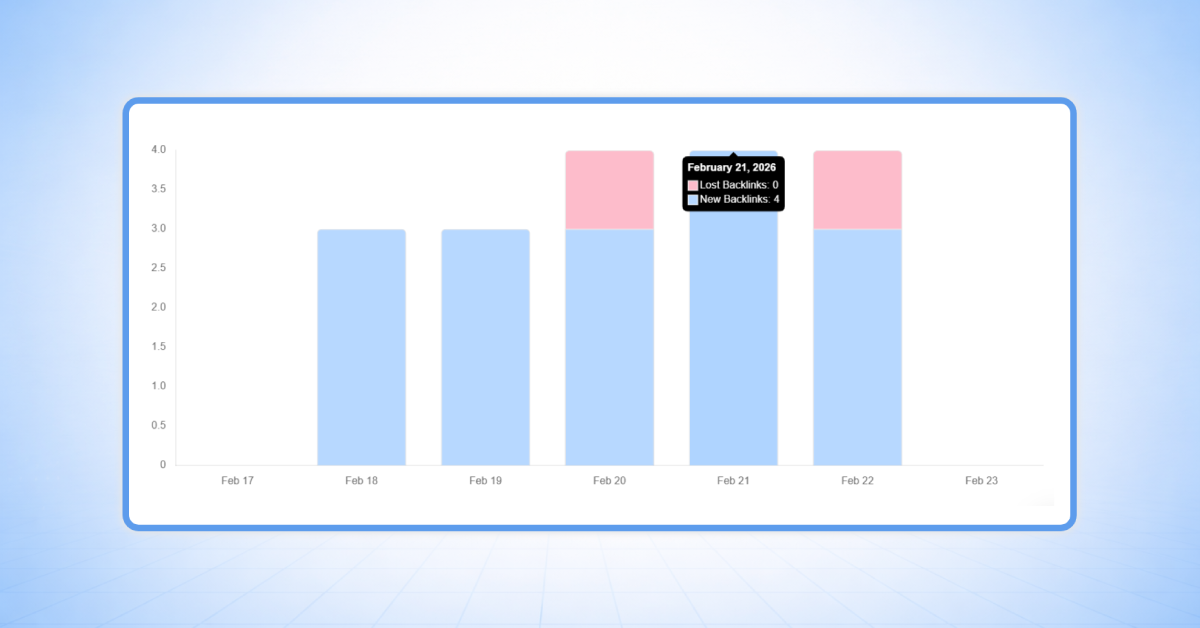
Also, you should regularly evaluate the quality of your backlink portfolio using tools like our backlink monitoring tool.
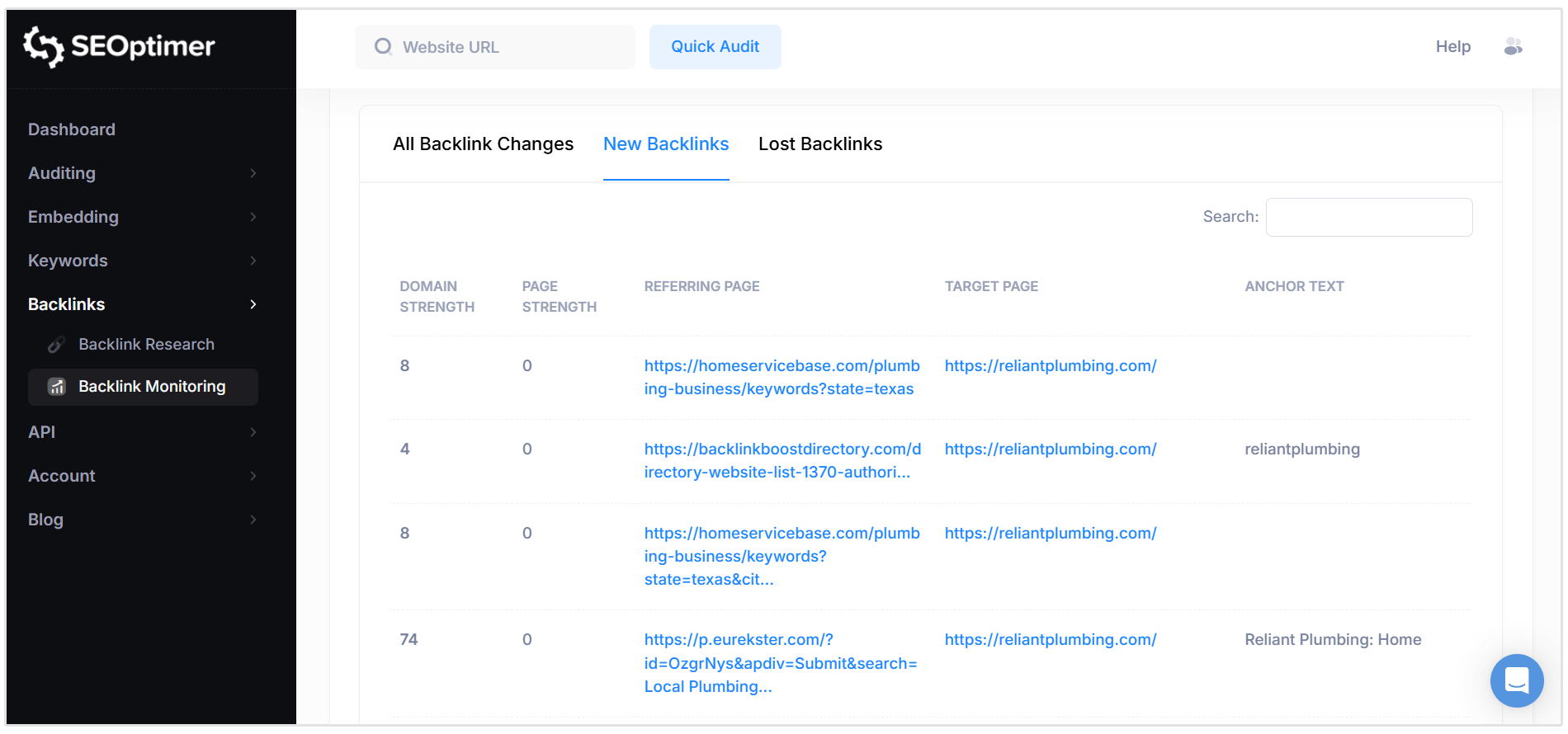
The tool lets you track new and lost links and also receive a weekly or monthly summary of your latest backlink changes in your email.
The most efficient and long-term profitable strategy to build a high-authority backlink profile is by creating top-notch content that earns trust and visibility across your industry.
You should stay consistent with safe link building practices that align with Google's expectations for relevance and quality.
FAQs
Is link velocity a Google ranking factor?
No, link velocity is not a direct ranking factor. However, Google might still use the document (webpage) inception date to measure how quickly it gains backlinks after publication.
Whether any algorithmic or manual action is taken on pages gaining links faster depends on various metrics, like the kinds of links acquired, UX signals, current domain strength, and other factors.
What’s a good monthly link velocity for a new site?
There is no specific number. The number of inbound links you can build to your new website or page depends on your niche, competition, and content quality.
Rick Pendrick, founder at Prism Agency, gave us some good insights on how they approach monthly link velocity for their agency clients.
The best pace is to pitch reporters one story angle per month. My agency creates one industry study per month that goes on our client's website. Once the content is live, we conduct a national PR campaign around it.
This means stories and backlinks trickle in throughout the month. We do the same thing each month so there is a steady flow of high quality links on different topics that tie into our client's business and industry.
If your content is link-worthy and people begin editorially linking to it as soon as it's published, even 100’s of links from new referring domains acquired naturally in a week is absolutely fine.
However, if you are building unnatural (non-editorial) links to your own website from spammy websites, then it might lead to algorithmic or manual search engine penalties.
Should I slow down if my link velocity is too high?
Whatever your site is gaining naturally, you don’t have to take any action on that. However, if you are running link building campaigns, then you definitely need to watch out for the number of backlinks your team is building.
Your link acquisition graph should be steady and free from abrupt spikes, especially if they include links from PBNs or low-quality domains.
Can link velocity be negative?
Yes, link velocity can be negative if a site loses more backlinks than it gains over time.
A decline in the rate of acquired incoming links indicates reduced authority, outdated content, poor-quality links, or technical issues like broken pages. Google monitors link loss patterns to evaluate credibility.
Losing links from trusted domains can hurt rankings, while dropping spammy links may have little or no impact. A consistent negative trend suggests the site is losing trust or visibility, which affects how Google scores its authority.
Conclusion
You should build natural SEO links at a steady pace by earning them through spontaneous mentions, outreach, digital PR, and high-quality content. It is always better to grow your backlink profile gradually rather than chasing aggressive spikes that may trigger penalties.
The best way to build trust with search engines is by avoiding link schemes, private blog networks, and other unnatural sources.
Try to attract links from relevant, authoritative websites that pass link equity and reflect real industry connections.