


Why Should You Sell SEO Services?
Over two-thirds of digital agencies sell SEO services. Clutch.co lists the number of digital agencies around the world and breaks them down by several attributes including services offered and country.
According to Clutch, 62% of digital marketing agencies around the world offer SEO Services.
Clutch.co says there are 74,000 digital agencies that offer SEO services, out of a total 118,000 digital marketing agencies listed on their platform. If we look at just the top 5 markets with the highest number of digital agencies, we can see that their average is a little higher (64%):
- 61% of US digital agencies offer SEO (21,215 agencies)
- 63% of UK digital agencies offer SEO Services (5,672 agencies)
- 69% of Indian digital agencies offer SEO (7,624 agencies)
- 60% of Canadian digital agencies offer SEO (2,640 agencies)
- 67% of Australian digital agencies offer SEO (1,808 agencies)
These numbers tell us that SEO services are a core offering of digital agencies around the world.
As the SEO landscape continues to evolve, agencies must adapt their strategies to remain competitive and meet changing client needs. If you don’t currently offer SEO services, now is the time to take part in this rapidly growing industry, now worth over $80B.
If you already offer SEO services, it may be also worth rethinking how you sell these services and how you can grow this part of your agency. Aside from the fact that organic search is such a fundamental requirement for most clients, the SEO industry is growing at over 16% CAGR and is estimated to be worth over $217,846 million in 2030.
Economics and Business Value of SEO Services
So we know the SEO industry is big and growing.
But let’s look at a few reasons why adding or enhancing SEO services to your digital agency will set you up well for the future.
The impact of SEO on revenue and profitability can vary significantly depending on the client's business model, such as eCommerce, subscription services, or lead generation.
1. SEO Performance Correlates to Business Outcomes
The great thing about search engine optimization is that the majority of things you do have a direct impact on a website's ability to rank in Google search results.
Higher search positions equate to more clicks. Higher traffic equates to more opportunities for conversion.
This is the great thing about SEO.
Most clients want to see ROI (Return on Investment) from their marketing spend which makes SEO ideal to help prove ROI to your client. Creating business value for your SEO clients also helps transition you from a mere 'service provider' to a trusted advisor.
2. High-quality SEO can be Delivered at a Lower Capacity than Other Digital Services
Capacity planning (traditionally the job of a Traffic Manager in an ad agency) is the process of estimating head hours required by each member across agency teams to fulfill the client project to the highest standard of quality.
Every SEO project has units of work/milestones, potentially broken down into tasks.
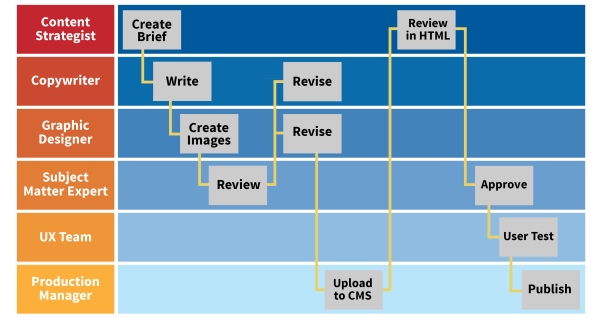
When looking at digital agency services, different disciplines demand different hours (ie: capacity).
SEO jobs are labor-intensive like any digital marketing discipline however a decent proportion of upfront auditing, data analysis and research can be automated, for example with free SEO tools.
This considerably lowers agency capacity requirements on SEO tasks so fewer head hours are consumed.
This makes projects either more affordable for clients or more profitable for agencies, or both!
3. SEO Services Make More Sense as Retainer Work
Agencies thrive on retainer work (ie: monthly fixed-fee services).
There has been much discussion in the industry about the decline of retainer work and a preference of project work by clients. Despite this, agency advisor Andy Brown said in an opinion piece that "agency retainers are definitely not dead".
"Retainers have not gone away, but those who don’t focus on retainer-based business have seen this revenue model evaporate."
Andy's point is important.
Focusing on clients that can support retained work or evolve into retained work is key.
SEO lends itself very well to retained work. It connects to tangible business value as mentioned in point #1 but not only that, SEO requires constant effort.
SEO is never 'done'. New content must be published continually, keywords researched, competitors audited, backlinks built, optimizations made - the work is ongoing.
Attracting SEO clients that understand this and value the results that these services yield will set your agency up for rapid growth.
4. SEO Services Tend to Facilitate Cross-Sell to Other Digital Marketing Services
SEO actually encompasses lots of different sub-services such as SEO auditing/crawling, on-page optimization, keyword research, content production, content creation (which is crucial for improving visibility and establishing authority), link building and publisher outreach. Not only is there good potential for a client to grow their SEO account but all these other areas can trigger other non-SEO services too. Most commonly these are:
- Website redesign / rebuild
- Search Engine Marketing (SEM) / Pay Per Click (PPC)
- Social media marketing
- Content SEO strategy
- Overall digital marketing strategy
5. SEO services can scale
Agency and scale might sound like an oxymoron but SEO services have the potential to scale. As Roger Parent, Founder of Digital Position highlights the importance of process definition:
"If I were to start an agency over again (and had money and time to do so), I’d spend 3 months forming every single process before acquiring any clients."
And Roger would know. He scaled Digital Position to a $100K per month agency in just over 2 years:

 But how do these services scale? Process, People and Tech.
Positioning Your SEO Services
What we mean by positioning is how your agency differentiates itself in market from all the other agencies vying for the same pool of clients.
Positioning helps potential customers make sense of your offering and decide whether it’s worth talking to you further.
Analyzing your direct competitor can help agencies refine their positioning and pitch by clearly demonstrating how they outperform key rivals. Throughout much of our communications with our agency customers, we’ve seen a few typical ways that agencies position themselves in market.
One of the most successful strategies we’ve seen is to niche down to a particular industry or service.
Doing so gives your agency an unfair advantage over a ‘one-stop-shop’, especially for clients who are similarly looking for a specific offering.
Niching down levels the playing field against the bigger agencies and enables small agencies to thrive and grow. Many digital agencies use automation tools and reporting to scale their services and improve their market position.
1. Industry Niche
Targeting clients in a particular industry helps you immediately stand out from competitors when pitching for client work. Put yourself in the client’s shoes.
If you’re an eCommerce brand and you meet an agency founder focused solely on working with e-commerce clients, it’s hard to deny how much they would stand out from the pack immediately before even talking to them.
Small business owners also benefit from industry-specific SEO expertise tailored to their unique needs. Specialization matters, even if most of the underlying work at the end of the day is similar.
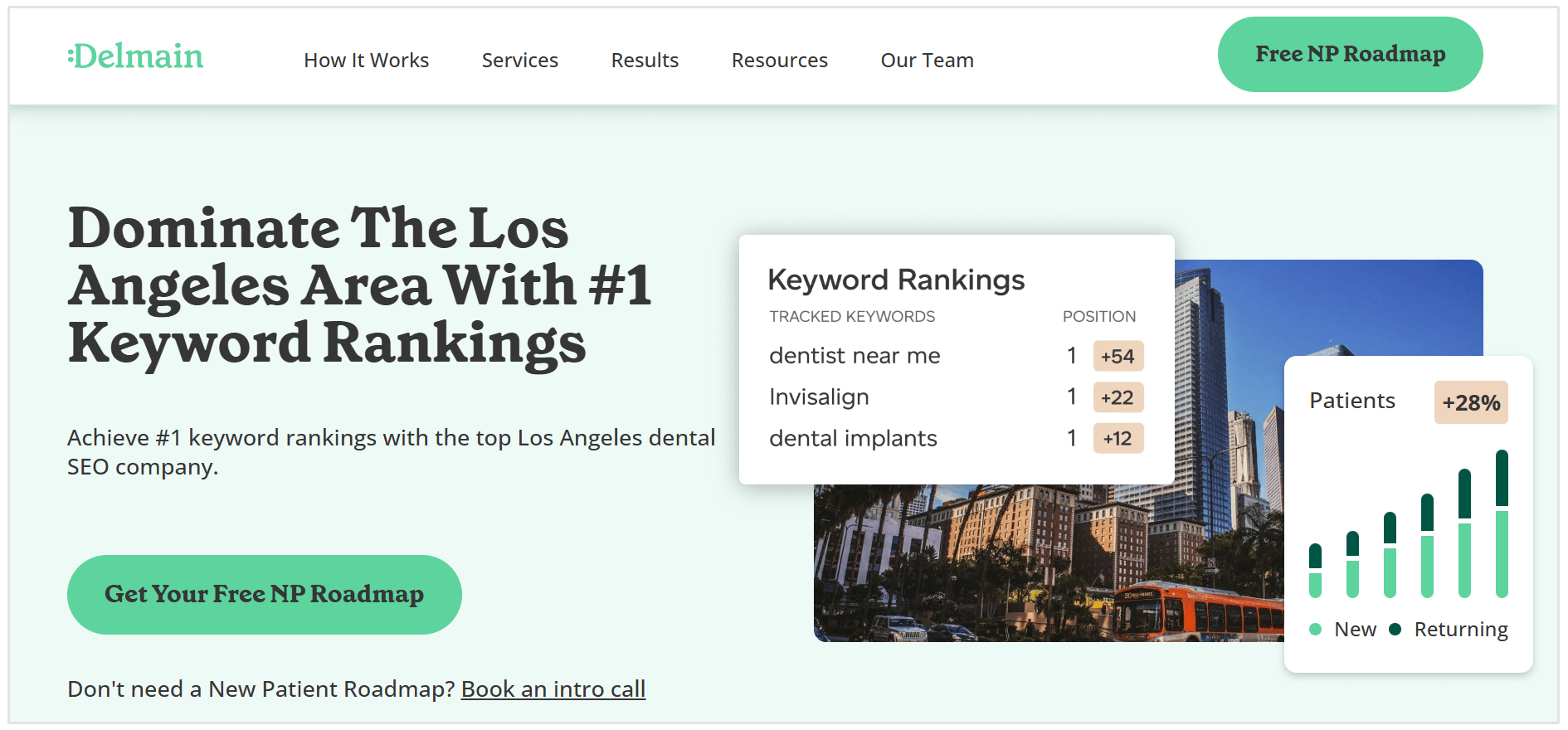
An example of an SEO agency that went with the industry niche is Delmain, an agency focused on dental SEO services:
Clients work with agencies who understand their business and their broader industry.
The Agency Management Institute surveyed CMOs asking what they wanted from their agency partners and the number one answer was this: “industry knowledge”.
AMI founder Drew McLellan says:
"Clients expect their agencies to either come to them with a deep level of expertise in the client’s business/industry or else, get up to speed in a hurry. It’s pretty difficult to bring proactive ideas and solutions to the table if you don’t know the game that’s being played."
2. Service Offering Niche
Another popular niche positioning strategy is by service offering.
On the surface, it's a fair assumption that an SEO agency is more skilled in SEO than a full-service agency that offers ten services of which SEO is one. While that's an unfair comparison, in the eyes of the client, it tends to make some sense.
Like industry niching, the perception that the agency specializes in a single service can result in a perceived higher quality of service.
The irony is not lost on us that this article is preaching the benefits of adding an additional service offering of SEO.
"Niching down" is not for every agency and introduces it's own challenges, especially around recruitment (ie: working within a potentially smaller talent pool). However many agency founders we've spoken to are reducing offerings and doubling down on SEO because that's where they're seeing the greatest demand from clients.
3. Location Niche
This is a popular niching strategy for Local SEO or Local Marketing agencies who target clients in a specific city.
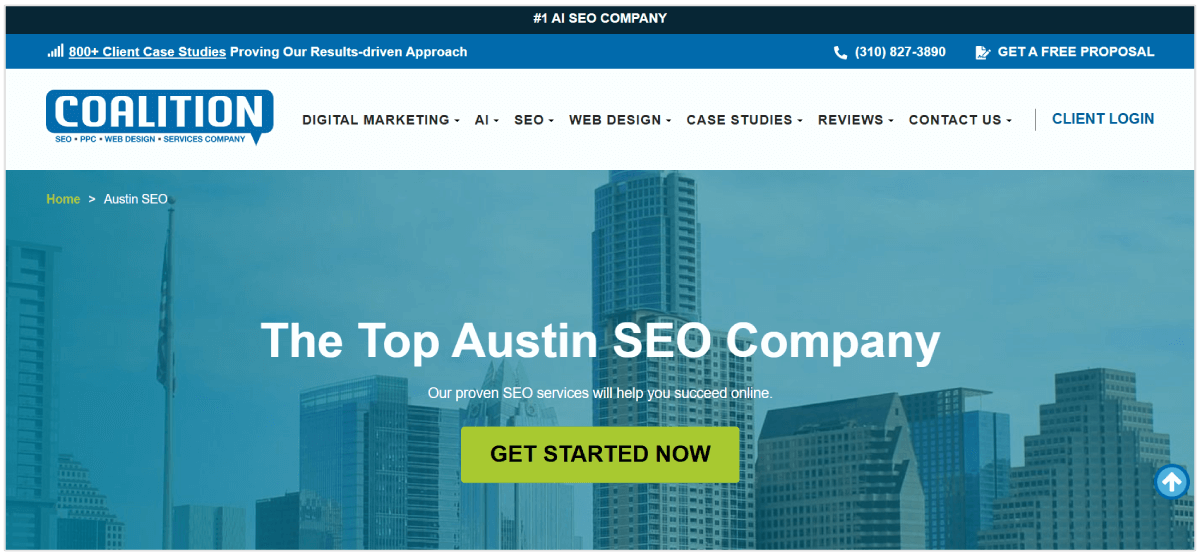
You could almost say this is the way that most agencies start. Personal connections and local networks are the source of many first clients, usually local. Then the agency evolves from there.
4. Business Goal Niche
This type of niching is less common but agencies who focus on a business goal - for example, Lead Generation Agencies or CRO (Conversion Rate Optimization) Agencies.
These agencies might work across several industries and utilize omni-channel strategies but their specialization is usually a single metric like number of leads or conversion rate.
Implementing Processes for Selling SEO
Your ability to effectively prospect for new leads and convert those new leads will ultimately dictate your success as an agency.
Generating leads through other marketing channels, and integrating SEO with other marketing efforts, is crucial for attracting the right clients and maximizing your agency’s growth.
Upselling or expanding work with existing clients is obviously another growth tactic and in fact both should be run in parallel.
Creating and documenting an SEO sales process is something worth investing the time and thought into because it’s the key ingredient for scaling what you do.
Clear processes help new hires or other people you work with to get up to speed quickly and replicate the things you do that work the best.
Following is a list of process necessities to set your agency up for success:
SEO Sales Process Documentation
This is a bit meta, but your first task is to decide where/how you document your process.
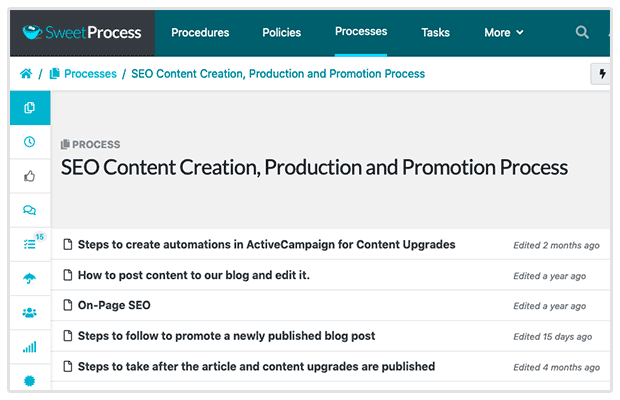
This can be as simple as a Google Doc but you might want to consider a specialty tool such as SweetProcess which is built specifically for this purpose:
We can't overstate the importance of clearly defined processes in an agency. Without this, you'll be wasting so much time onboarding new employees, getting them trained up on how to sell SEO. Invest the time upfront and reap the efficiency rewards as you grow.
Inbound Lead Generation
Any agency already offering SEO as a service knows the power of organic search for their clients.
The natural extension for a digital agency is to build the performance of their inbound marketing activities. Publishing high-quality, keyword-optimized, valuable content on the agency website and social media is still a highly effective inbound marketing tactic.
Focusing on high traffic pages and targeting high value keywords can further maximize lead generation and improve organic results.
Driving more organic traffic to your agency website with high-quality link building helps build your domain authority. To attract more qualified leads and achieve quick SEO wins, agencies should also target long tail keywords and low competition keywords as part of their keyword optimization strategy.
The best way to convert traffic to a lead is on your website itself.
Using an Embeddable Audit Tool, you can capture lead details (eg: name, email, phone, website) while providing immediate value to the prospect with a free site audit.
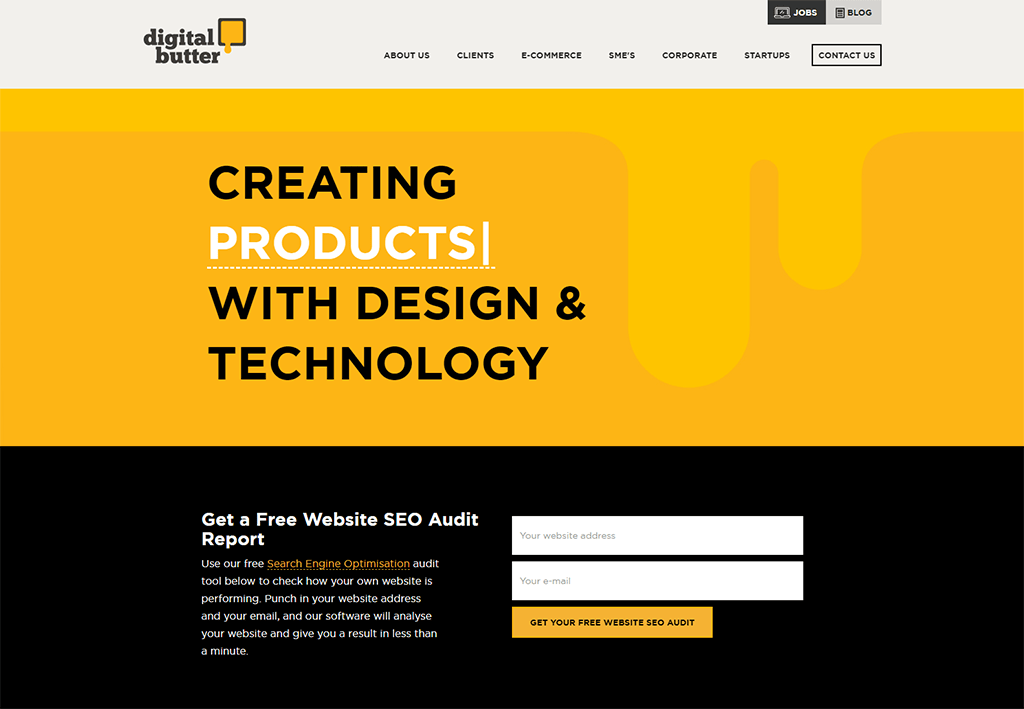
See more great examples of Embedded Forms on agency websites.
Outbound Advertising
Another obvious tactic for driving organic traffic to your agency website is paid advertising - for example, Google Ads, Facebook Ads, LinkedIn Ads, etc.
Utilizing Google ads as part of your paid ads strategy can complement your SEO efforts by providing immediate visibility while your organic rankings grow.
Most advertisers see great value in using tactical paid advertising to remarket to website visitors who don’t convert.
Ever since iOS 14.5 - this has become more difficult when retargeting iOS handsets however there’s still great opportunity to reach relevant audiences.
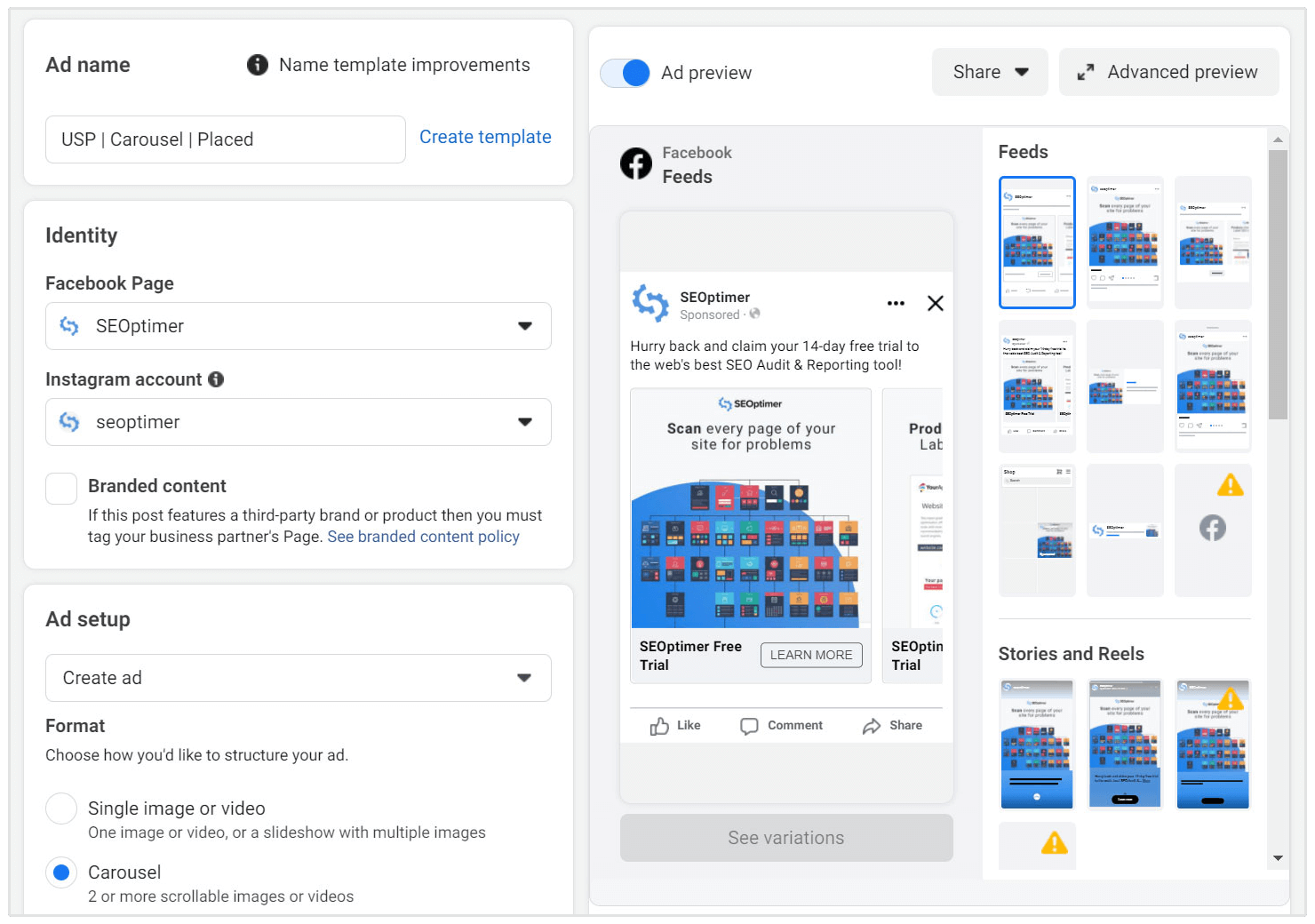
Here at SEOptimer, we run remarketing campaigns on Facebook & Instagram. Integrating paid ads with other marketing channels, including SEO, helps maximize your reach and overall marketing effectiveness.
You can see in the example below, the ad copy “hurry back and claim…” is a great way to speak directly to recent website visitors:
Sales Pipeline Management
Keeping track of leads and where they're at in the sales process is impossible as you scale without some kind of system / CRM to manage the pipeline.
Again, this can be simple in the early days, for example with a Trello board but you will quickly outgrow this as your SEO sales leads accelerate.
Remember, this is a good problem to have!
Once the time is right, moving to a dedicated CRM tool is the standard approach and helps you sell SEO more effectively. The main benefits of a CRM being:
- Higher efficiency of your SEO sales process and pipeline
- Nurture leads and increase propensity to convert
- Ability to collaborate with your team on prospects and actions
- Ability to visualize your sales pipeline and make projections
- Centralize all your sales data
- Streamline sales-related tasks and actions
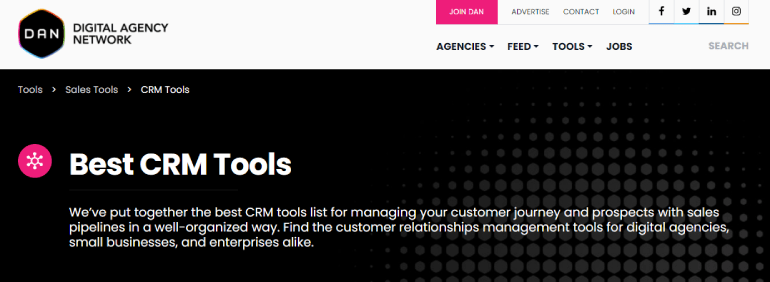
Digital Agency Network list some of the more popular CRM options used by agencies.
Marketing Automation
Marketing automation tools can help you to nurture your leads and push prospects closer to conversion. Like the other examples, starting off simple is a good way to prove the value of this before investing in dedicated tools. Zapier helps you connect many processes together with automated workflows.
As an example, if you've embedded an Audit Form on your agency website - you can push lead details automatically into a CRM like HubSpot, your email newsletter list or a simple Google Sheet - or indeed anywhere
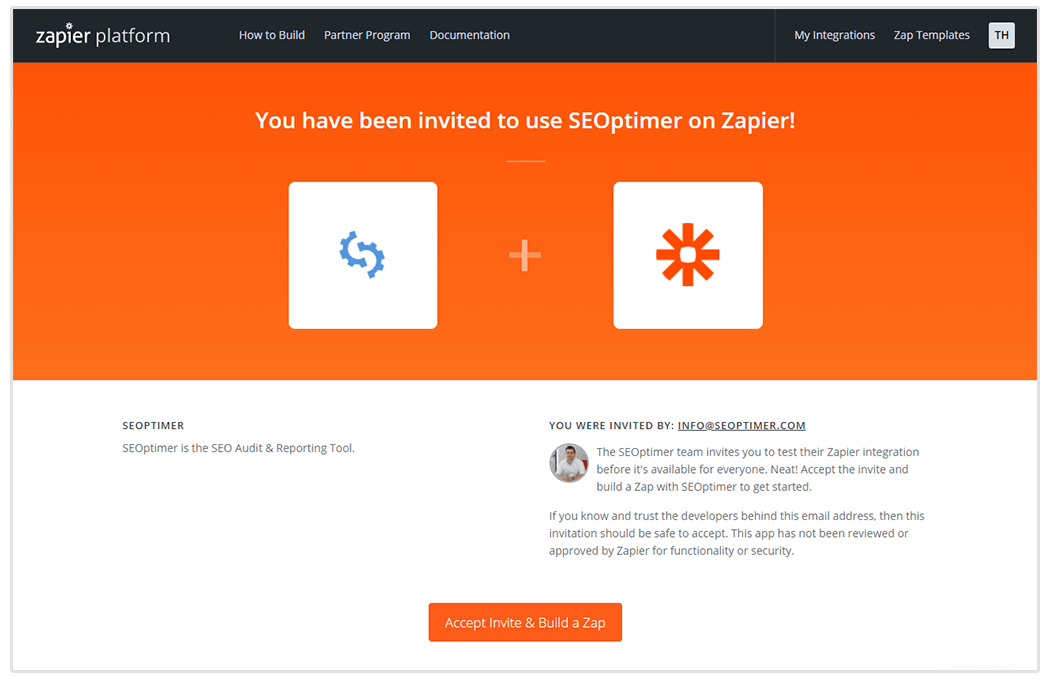
This kind of simple automation will save you time on repetitive tasks and keep your agency top-of-mind with your prospects.
Sales Tools for SEO Agencies
Sales enablement serves as the backbone for converting SEO prospects into paying clients, directly influencing how effectively your agency communicates search optimization value to potential customers.
In today's SEO agency landscape, agencies with robust sales enablement frameworks consistently outperform those relying on basic pitching methods, often seeing higher conversion rates.
Let's understand how strategic sales enablement transforms your SEO delivery and what specific tools drive the highest client acquisition success rates.
1. SEO Proposal Generators and Templates
Data-driven proposal systems significantly impact close rates compared to generic pitches.
Agencies using customizable SEO proposal generators report faster proposal creation and higher client engagement metrics.
These automated systems should integrate technical audit findings, competitive analysis data, and projected ROI calculations that directly address each prospect's search visibility gaps.
The most effective templates include visual ranking projections and organic traffic forecasting models that make abstract SEO concepts tangible for decision-makers.
SEOptimer can help agencies automate their SEO reporting for prospective customers. With our tool, users can create completely custom SEO reports with agency branding and reporting.
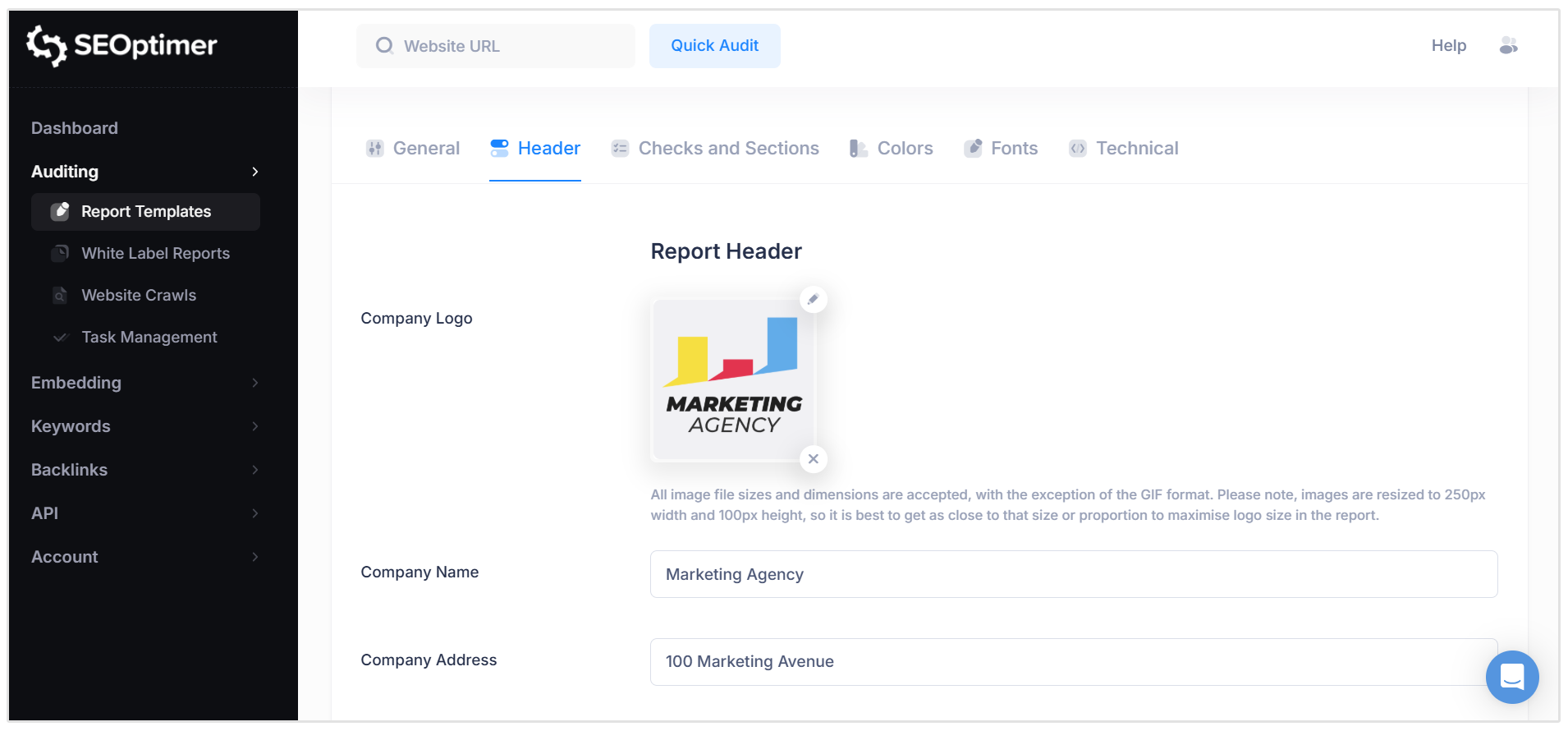
Each web audit includes detailed recommendations and steps on how to fix each problem.
2. Case Studies and Client Testimonials
Real performance data outweighs theoretical promises every time when it comes to SEO sales conversations.
Top-performing agencies maintain detailed case study libraries showcasing specific metrics.
For example, 150% organic traffic increases, first-page ranking improvements for high-value keywords, and measurable revenue attribution from search optimization efforts.
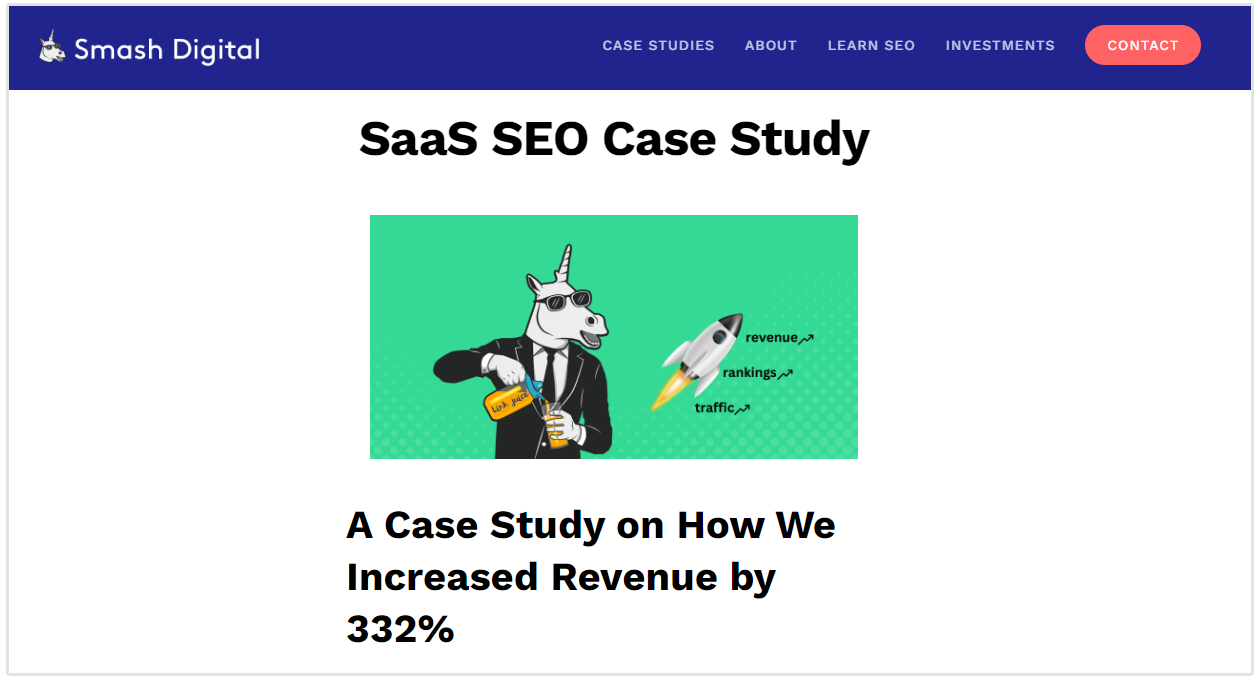
Client testimonials become exponentially more powerful when they include quantifiable business outcomes rather than general satisfaction statements, particularly when prospects can verify results through third-party SEO tools.
3. Demo Reports and SEO Audits
Technical audit demonstrations create immediate value perception and establish expertise credibility during sales processes.
Comprehensive site audits revealing critical issues like crawlability problems, Core Web Vitals failures, or content optimization gaps provide concrete evidence of optimization needs.
The most effective demo reports highlight quick-win opportunities alongside long-term strategic recommendations, showing prospects both immediate value and ongoing partnership potential. These audits often become the foundation for proposal pricing and scope definition.
4. Competitor Analysis Tools
Competitive gap analysis drives urgency in SEO purchase decisions more effectively than feature-benefit explanations.
Prospects respond strongly when shown specific keyword opportunities their competitors are capturing, link building advantages they're missing, and content gaps preventing market share growth.
Advanced competitor analysis reveals search visibility trends, helping prospects understand the cost of delayed optimization decisions.
The most compelling presentations include market share projections showing potential revenue impact of competitive positioning improvements.
5. Educational Content
SEO education materials reduce sales cycle length by addressing common misconceptions and timeline expectations upfront.
Effective sales teams leverage explainer content covering algorithm updates, ranking factor evolution, and optimization methodology transparency.
Well-informed prospects make faster decisions because they understand the strategic value beyond basic keyword targeting. Educational resources should address common concerns about SEO timeframes, measurement challenges, and ongoing optimization requirements that typically surface during decision processes.
6. Pricing Calculators and ROI Forecasting Tools
Revenue projection tools transform SEO investments from cost considerations into growth opportunities for potential clients.
ROI calculators using industry conversion benchmarks and organic traffic value estimates help prospects visualize search optimization returns.
The most sophisticated forecasting models incorporate seasonal trends, competitive dynamics, and market-specific conversion rates to provide realistic growth projections. These tools often become decision-making catalysts when prospects can clearly see how search optimization investments translate into measurable business outcomes.
Strategic sales enablement implementation separates successful agencies from those struggling with inconsistent client acquisition. The goal remains making value demonstration effortless while building prospect confidence in your optimization expertise and results delivery capabilities.
How to Sell SEO Services to Local Businesses
Most agencies who sell local SEO to businesses in their city almost always rely on in-person sales. The old adage of “people buy from people” is very relevant when targeting businesses.
Following are our recommendations on how to prospect and sell to businesses: Offering quality services not only builds trust but also helps attract new clients who are looking for proven results and reliability.
- Attend local events / conferences / meetups- Offer free training or workshops in local co-working spaces / institutions
- Find business websites that clearly need help with SEO (ie: rank poorly for target terms)
- Find complimentary agencies or organizations you can partner with
- Create high quality content to attract local prospects
- Offer free website audits to prospects
We also previously wrote on this topic and covered the top ideas for digital agency lead gen - check it out!
Local businesses, especially small businesses, are always hyper-focused on revenue or lead generation (depending on their business).
This means the perceived value of your services must make sense to them through this business value lens. If they can see (or if you can demonstrate) how your services will improve their revenue or increase their own leads - they will be more likely to work with you.
Small businesses are also typically price-conscious so make sure to structure your proposal with affordable, smaller options so they can grow with you over time.
Agencies can also leverage white label SEO services or other white label services to expand their offerings without increasing overhead, allowing them to provide comprehensive solutions to clients while maintaining their own brand.
It would also be worth mystery shopping at competitors and finding out how they structure their pricing and options too.
How to Sell SEO Services to Franchise Businesses
Franchise owners are just like local business owners above but some franchisees hold multiple franchise locations so they might have a particular interest in group / aggregate services.
Business owners managing multiple locations are even more time-poor so anything you pitch should paint your services as both increasing sales/leads in addition to saving time will be well received.
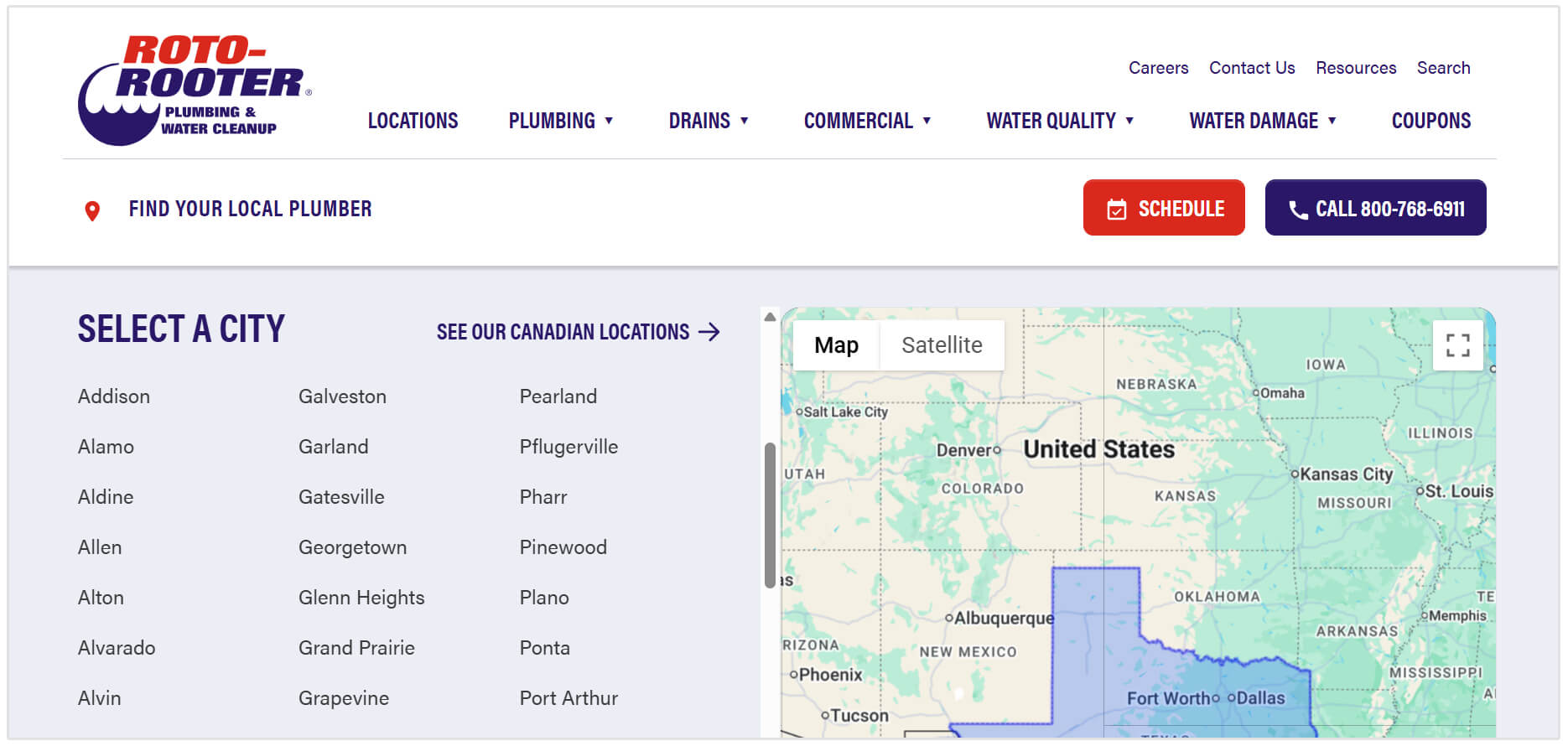
Some multi-location businesses also benefit from centralized administration or 'shared services' like marketing, payroll, HR, accounting, etc. Selling SEO services to these business owners is as much about the cost & efficiency benefits when taking into account all locations (ie: economies of scale).
Much of the recommendations above also apply to franchise businesses but also consider these additional tactics:
- Attend specific franchise business events or conferences
- Run competitor analysis audits on other franchise business (either adjacent businesses within the same brand group, or competitive against other brands outside of the group)
- Position the cost of your service as a centralized saving that their other locations can also benefit from
Ultimate SEO Pitch Script
We spoke to Daniel Bisett, Owner of Austintatious Design based in Wimberley, Texas about his SEO sales pitch process and how he positions his agency:
"I'm usually very... unscripted when I speak to leads about their specific needs."
The key to effective pitching is to listen first. It is vital to understand where the client is coming from and what they want to achieve. Aligning your pitch with the prospect's search intent ensures your recommendations are highly relevant and effective.
"While there are clearly many SEO service provisions that fit 85% of all businesses, I still do my best to approach the conversation (and free guidance at this point) towards truly beneficial methods specific to THEM. In doing so, it is my firm belief that I build that all important TRUST which is the cornerstone of every solid relationship (business or otherwise)."
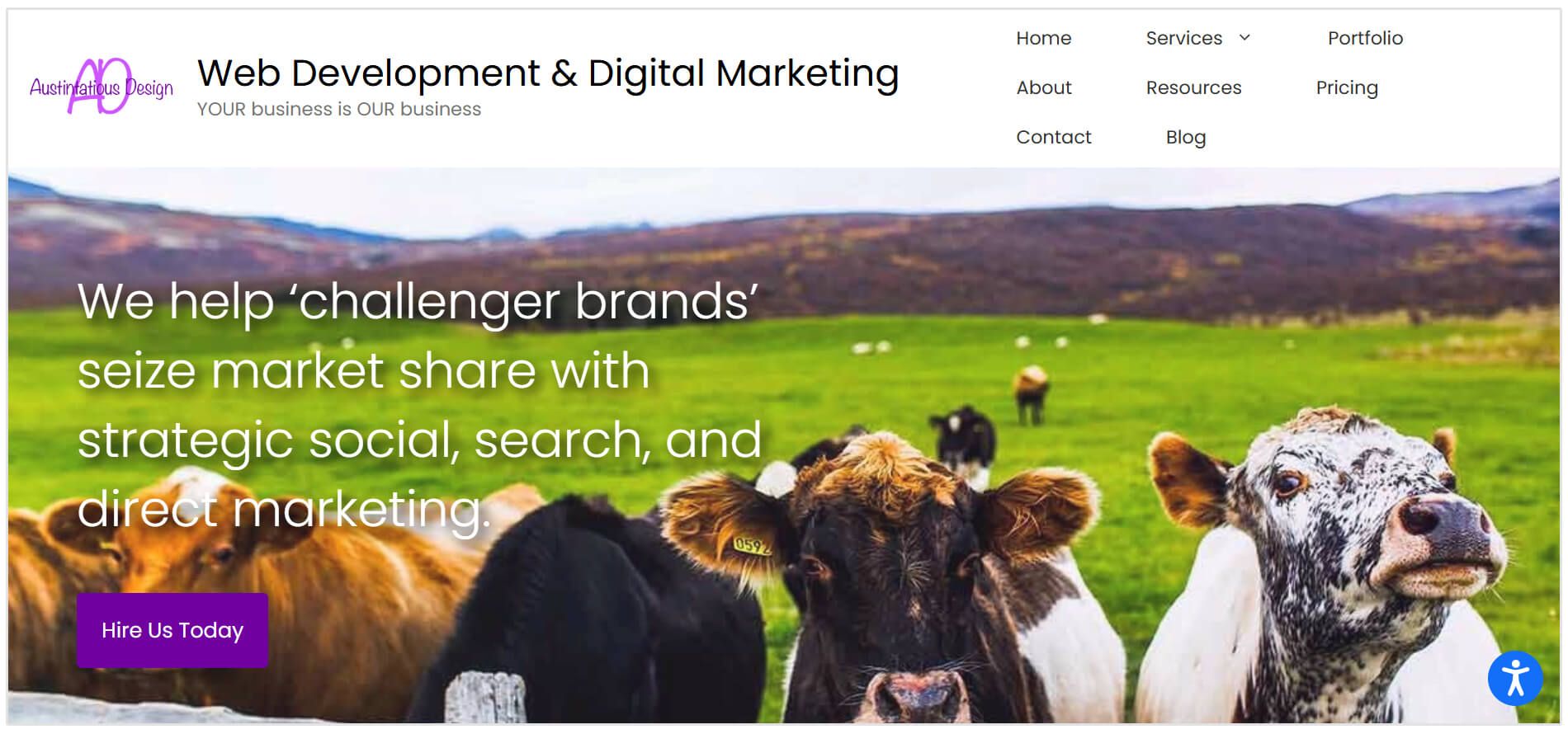
Daniel’s approach in building trust and providing value up-front is such an effective way to nurture new business leads.
Referencing previous client success stories during the sales pitch can further build credibility and demonstrate proven results. What’s really great about his process is how he connects the prospect’s experience with their desired outcome:
I typically ask the lead why they chose to have ME for an initial consultation. Almost invariably there will be a STRONG connection between the advice I just provided THEM and how they found ME.
I know it's cliche but, and while I genuinely HATE these billboards, it's almost like the billboards that read, "Do Billboards Work? This One Did".
I point out the direct correlation to how MY SEO brought them to me and say, wasn't that strategy one-in-the-same with what I've just advised for YOU?
If they came to me through a link in this article for example, and I also pitched them a strong Content Marketing strategy as their primary SEO push, once pointing that out, it's easy to see the proof in the proverbial SEO pudding!
So with that in mind, let’s look at an SEO Sales Pitch Script that takes into account those points about understanding the client and delivering value upfront.
Sales Context: Cold lead, first contact
This sales script is within the context of a cold phone call to a local business who don't know you. You've visited their website and after doing a quick site audit you can see there are several quick fixes you can implement to improve their site.
You can also see they don't appear on the first page of Google when searching for their products/services.
Hi <name>,
My name is <name> calling from <agency>. I was just doing a Google search for "<product/service> <city>" and noticed your business didn't appear on the first page of Google. Are you currently relying on other ways to sell <product> / generate leads for <service>?
Oh is that right?! We actually work with local businesses to get them ranking on page 1 of Google so they get more traffic to their website and more sales/leads.
I'm just on your website right now and see there's a few strategies that could be used to optimize the content and structure of your site to help you rank higher for your target search keywords. Would you be interested if I sent you a free website audit that shows these insights?
Great! What's your email address?
I'll send it through today and follow up with you in the next few days as I'd be really interested to hear your thoughts!
Have a nice day!
Sales Context: Warm lead, after sending site audit
This sales script is perfect for re-engaging an initially cold lead.
After you've had the first call with them and emailed their free site audit, this call is to follow up with them and motivate the prospect to take action.
Hi <name>,
It's <name> here from <agency>, how are you today?
That's great!
When we ran that site audit I got quite excited by all the opportunities we saw to improve your ranking position on Google. What did you think?
Well, there's some short term fixes we can do to make some immediate improvements, then there's some medium term items I can see as well as some longer term initiatives that would all make a huge difference to your rankings.
I always think it's great to start small and see some positive changes and then take it from there.
I would be more than happy to outline all the details about how we could get started - is there a day or time that would suit you?
Typical Sales Objections
Objection 1: We can't afford it
Cost is a deal killer. But dig a bit further because while some prospective clients are genuinely cash-strapped, the true underlying reason might be that they just aren't convinced that your service will help their business.
If cost really is the reason, you need to highlight the value of your service and the potential new traffic/sales/leads your client is likely to expect.
Another strategy is to compare your cost to other things they might be doing. For example, if they are spending thousands of dollars on local print ads or sponsoring events - sometimes putting costs into perspective will really help them see how cost-effective SEO really can be.
Objection 2: We're not ready for this service
This is a variation on objection #1. In fact the objection you receive may not be the real objection.
For a number of reasons around human psychology that we won't go into in this article, be mindful that the underlying objection might be cost-related but the prospective client might be framing it another way.
You can test this by recommending your lowest cost package/service. Alternatively, it may be that they just don't trust you (yet). If this is the case you'll need to communicate clearly how SEO is helping their competitors gain visibility in search. Let the data speak for you.
Objection 3: What we're doing currently is working fine
Remind the prospective client about what their competition is gaining from achieving high rankings in search.
Or if there are no good competitor comparisons, look to other cities or similar businesses. It's about showcasing how SEO is working for other businesses - run some site audits and find a few good examples.
Objection 4: We'll wait to hire a marketing person soon
Small businesses always plan ahead for their next hire typically waiting for revenue or growth milestones as the signal.
But these same businesses can wait months, even years to make the move. Remind these prospective clients that you can start delivering instant results for a fraction of the cost of hiring an employee.
Which is a great segue into the next sales objection...
Objection 5: SEO takes too long to generate results
This is a myth and it's up to you to bust it!
Of course there are many factors in play such as keywords, level of competition and search volume however it is very possible to see tangible increases in organic traffic within a few weeks.
Read about how we increased rankings for competitive keywords in just 4 weeks https://t.co/usvfQ0OqqJ #SEO #SME #marketingtips pic.twitter.com/WAAJmRh3mZ
— Reboot (@rebootonline) January 24, 2019
Generating SEO Sales Leads
We previously published a dedicated article about lead generation which is worth checking out.
For the 3,000+ digital agencies that rely on SEOptimer for white label reporting, a large proportion utilize our Embeddable SEO Audit Tool which generates SEO leads right on the agency’s website.
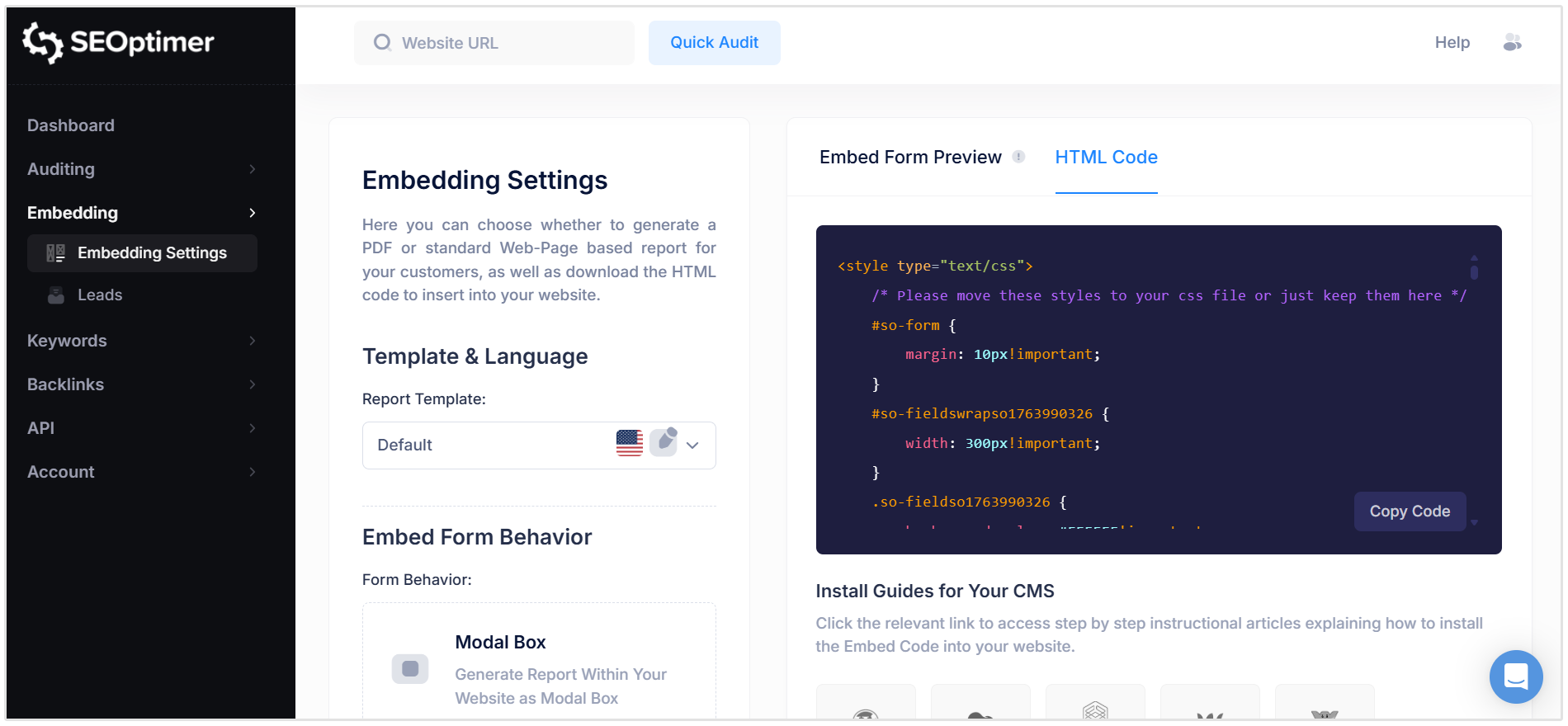
Successful SEOs and specialized service providers use a variety of strategies to generate leads, including tailoring their services to specific niches or local markets and sharing their proven methods for client acquisition.
Bonus tips:
- Leverage freelance platforms to connect with potential clients actively seeking SEO help.
- Share case studies and success stories to build trust and demonstrate your expertise to new leads.
Onboarding New SEO Clients: The First 30 Days
Winning a new client is fantastic and you should take the time to celebrate the win with your team!
After that the first few days, the first week and the first 30 days are three really crucial time periods to set a positive first working impression with your new client and deliver value early to reinforce and confirm in their minds that they've made the right decision working with you.
First Few Days: Deliver a Small-Size / Quick Win
Run your onboarding meeting as soon as humanly possible, really push for this meeting to happen ASAP after they sign the contract - ideally the same day!
During this meeting get all the logins and access you need to their website, Google Analytics, Google Search Console, etc so you are able to turn around some quick wins within the first few days.
Something really effective here is fixing all the on-page issues. If you didn't already do this upfront as part of your pitching process, run a full site crawl of the client's website and identify easy-to-fix issues and get them fixed.
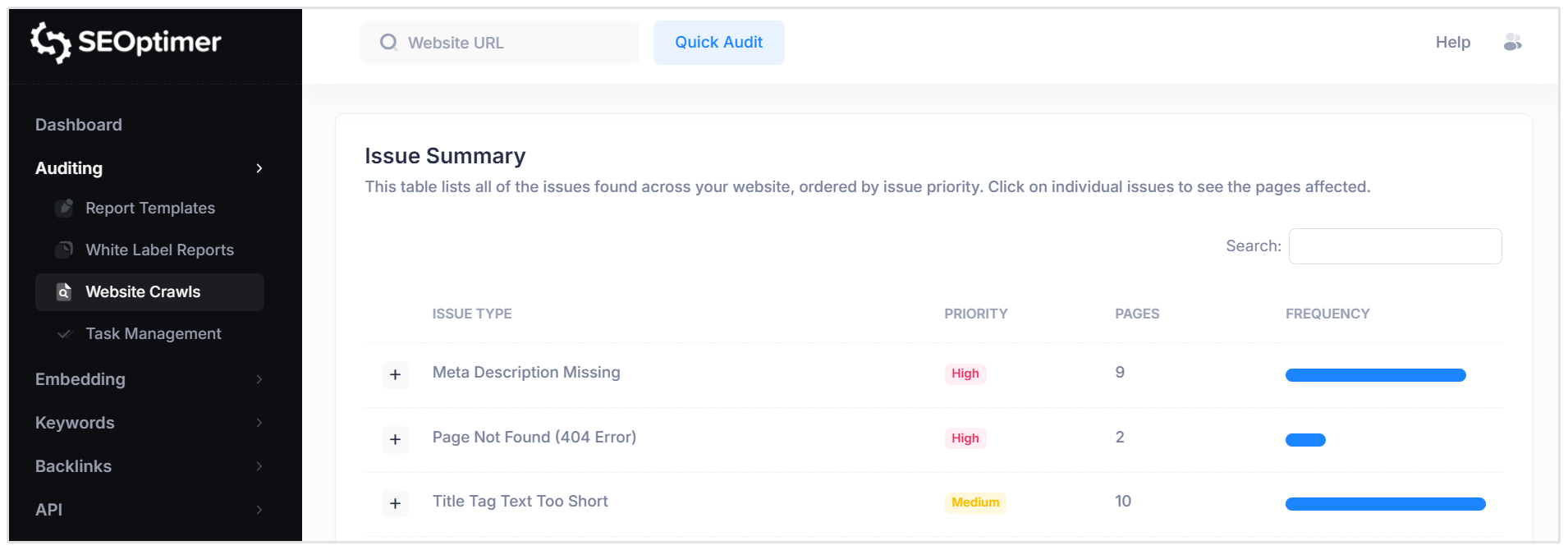
So issues like missing titles, meta descriptions, broken links, non-optimized keywords, spelling errors, missing OG tags - basically fix all the simple stuff and report back to them about all the improvements made literally in the first few days.
First Week: Deliver a Mid-Size Win
Keep the momentum up and report back to the client 1 week after your onboarding meeting with another win.
All this positive momentum within the space of just 7 days further confirms they made the right decision engaging your services.
Some ideas here could be a backlink from a high domain authority site or fixing particularly tricky config such as GA Goals, event tracking or Search Console.
First 30 Days: Delive a Big Win
Deliver a big win and make sure to highlight the significance of this to the client.
By 30 days you're looking for this win to be something like publishing a high value piece of content or increasing the ranking position for a key landing page or perhaps increasing their domain authority score.
In Conclusion
As you can see, adding SEO services to your digital agency can be a highly lucrative strategy based on the growth of the industry and the accelerated movement towards eCommerce and online serivces.