


It doesn’t matter which blog niche you cover, there are certain types of blog posts that tend to perform better in Google and help drive more organic traffic to your website.
In this post, I will discuss 10 high-performing blog formats to inspire your next series of blog content. You can pick the right blog post for your audience depending on your selected topics and KPIs.
Why Choosing the Right Blog Post Type is Important
Not all blog posts are for everyone. You first need to research your audience and pick the right keywords for your blog.
After that, you need to match blog post types to specific SEO objectives to build topical relevance and acquire more qualified traffic.
Here are the top reasons why the right blog post type directly influences SEO performance:
Direct Impact on Search Rankings
Search engines use multiple core ranking signals beyond keywords to rank blogs and other content pieces.
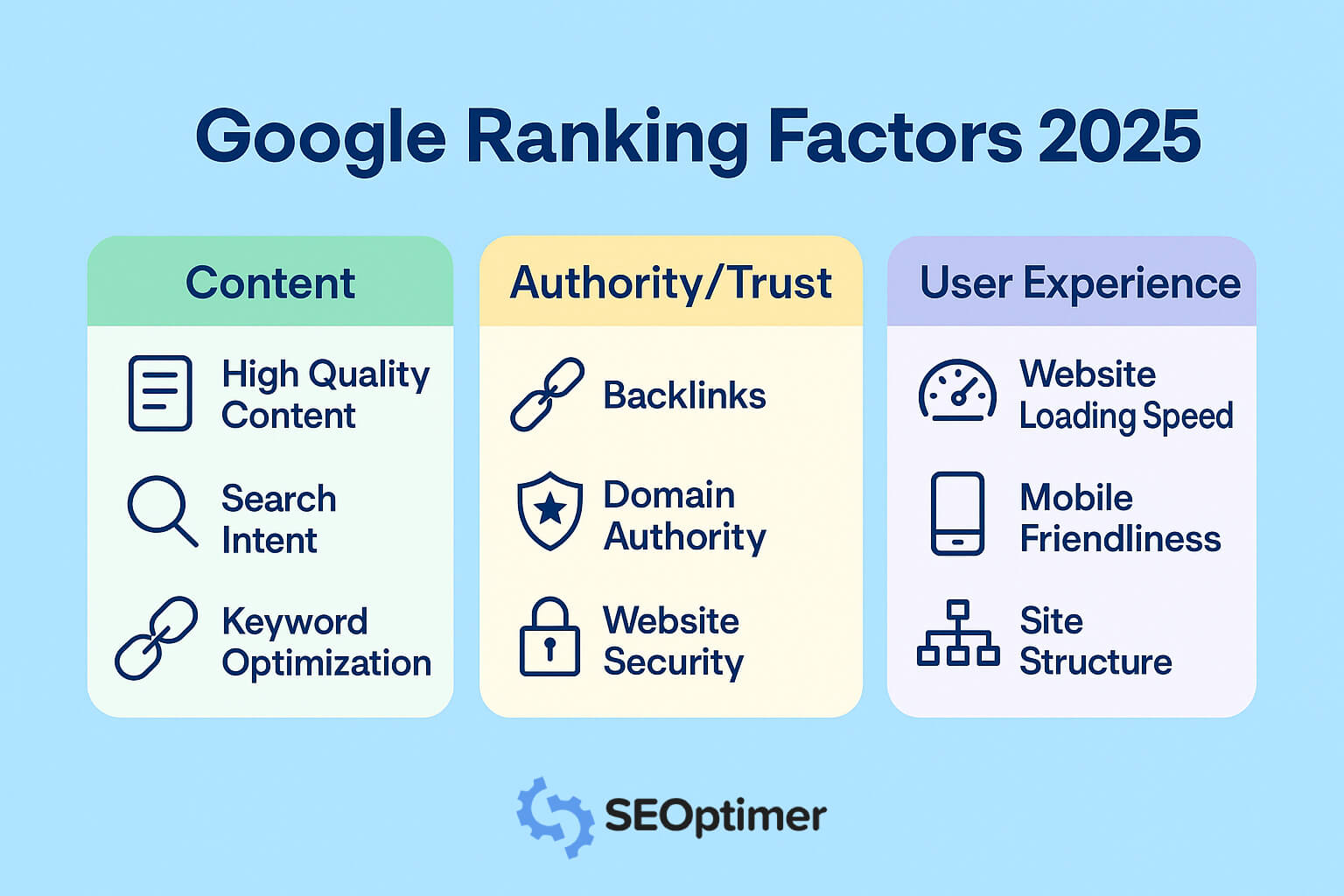
Content structure, format, and depth all contribute to how ranking algorithms determine relevance.
Selecting blog post types that present real-value information in the best possible format is important.
Blogs built on proven building blocks like heading, introduction, hero image, sub-headings, main content, and conclusion are easier to crawl, understand, and index by search engines.
Broader Keyword Targeting and Semantic Coverage
A single blog post can rank for several keywords. Content formats that naturally cover a full range of semantic variations, long-tail phrases, and related entities can rank for tons of differnet searches.
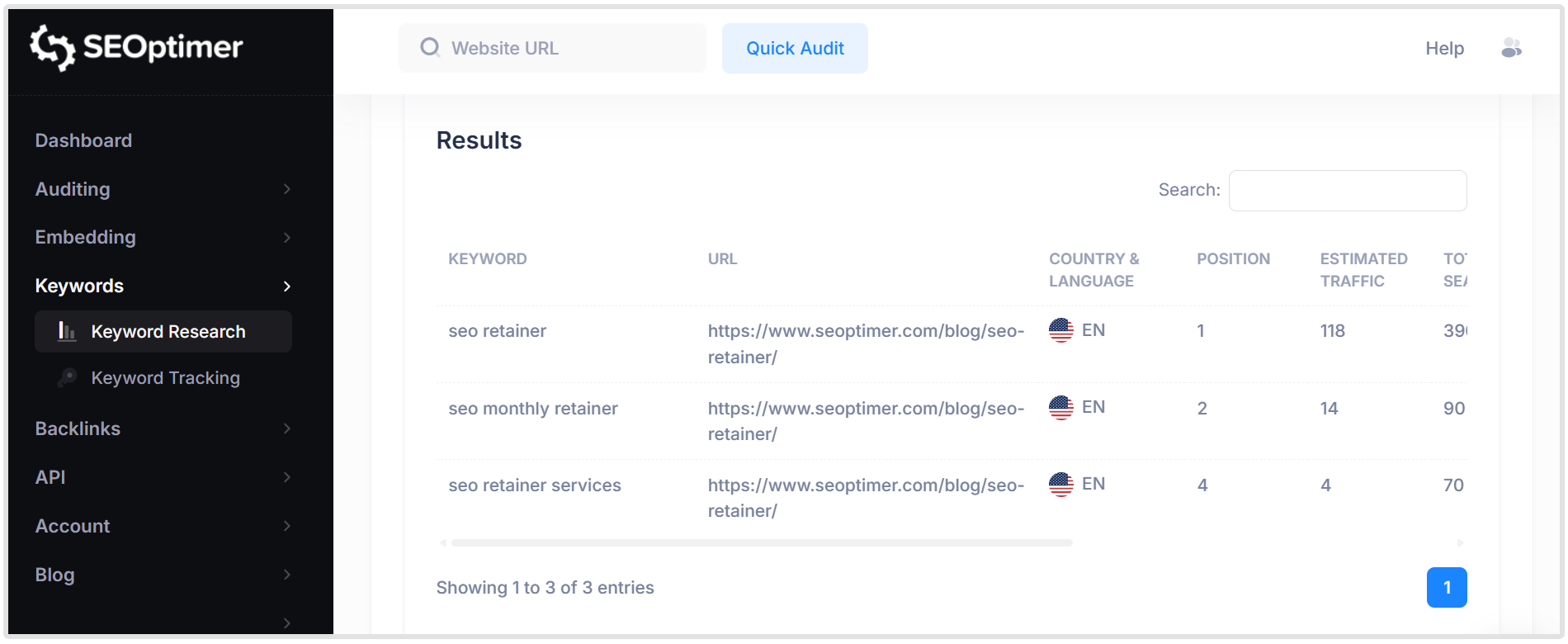
For instance, in the below screenshot you can see our blog post targeting the keyword 'seo retainer' ranks for other variants and related keywords like 'seo monthly retainer' and 'seo retainer services.'
High-quality and easily digestible listicles or guides allow you to target several related subtopics within one primary piece of content.
You can also include FAQs with people-first content to get your content ranked under People Also Ask boxes, featured snippets, and other different conversational queries.
By expanding keyword coverage, you can create stronger topical completeness that Google rewards with higher relevance scoring across your entire blog content cluster.
Higher Backlink Earning Potential
Inbound links are one of the top Google ranking factors. 80% of SEOs believe external links help to rank a website higher.
Certain blog post types are more likely to attract organic citations and editorial backlinks from other websites.
You should prioritize blog formats such as data studies, statistics roundups, and expert roundtables, as they have the best chances of acquiring incoming links. When your blogs provide unique value that others want to reference, you can accelerate your link acquisition efforts.
Naturally earned backlinks strengthen your domain reputation and improve organic ranking positions across multiple keywords.
Publishing blog content helps you earn links passively for long-term SEO growth.
Best Types of Blog Posts for SEO
Here are the top blog post types that are important for your SEO strategy:
How-to Guides
Publishing how-to-style blogs is a widely used tactic to acquire consistent organic traffic.
People are always looking for solutions, and when you write in-depth how-to-styled content with visuals, you can attract the attention of users with problem-oriented search intent.
Evergreen “how-to” guides are consistently one of the most effective blog post types for driving long-term traffic. They target specific, high-intent queries, provide clear, actionable solutions, and remain relevant for years with only occasional updates.
- Luke Hickman, Chief Marketing Officer at Bird Marketing
For instance, this National Geographic article on ‘How to Plan a Trip Around The World’ is a nice example of a how-to-style blog.

See how each section in the guide ends with a "How to do it" part. The section is useful for readers and offers direct benefits by offering real providers, sample itineraries, pricing, and booking guidance.

To prepare how-to-style blogs, you should ensure each step clears audience pain points in a sequential and executable manner.
Use a language understood by your target audience to enhance readability. Include visual elements such as high-quality screenshots, original diagrams, and easy-to-understand charts to explain complex topics.
Add proper internal links to expand topical coverage and capture multiple search queries.
Having a logical and reader-friendly how-to-blog structure increases time on the page and enhances authority signals to search engines.
Listicles
List-based content captures both search visibility and user attention. It is one of the best types of blog posts to attract audiences looking for a list of resources.
Ciara Edmondson, SEO & Content Manager at Max Web Solutions gave a useful piece of advice for creating winning listicle type posts.
Listicles (when done properly) can also work very well. They’re skimmable, easy to share, and often capture 'best of' or 'top tips' style searches.
The trick is to avoid the overally generic bits and instead make them genuinely useful, with a depth of insight that sets them apart from competitors.
- Ciara Edmondson, SEO & Content Manager at Max Web Solutions
Depending on your target buyer persona, you should create high-performing listicles that are easy to scan and deliver information in a digestible structure.
When you publish listicles targeting informational search queries, you can attract users looking for curated options, rankings, or recommendations.
For instance, our listicle on the top SEO software for small businesses is a great example of a listicle-styled blog.
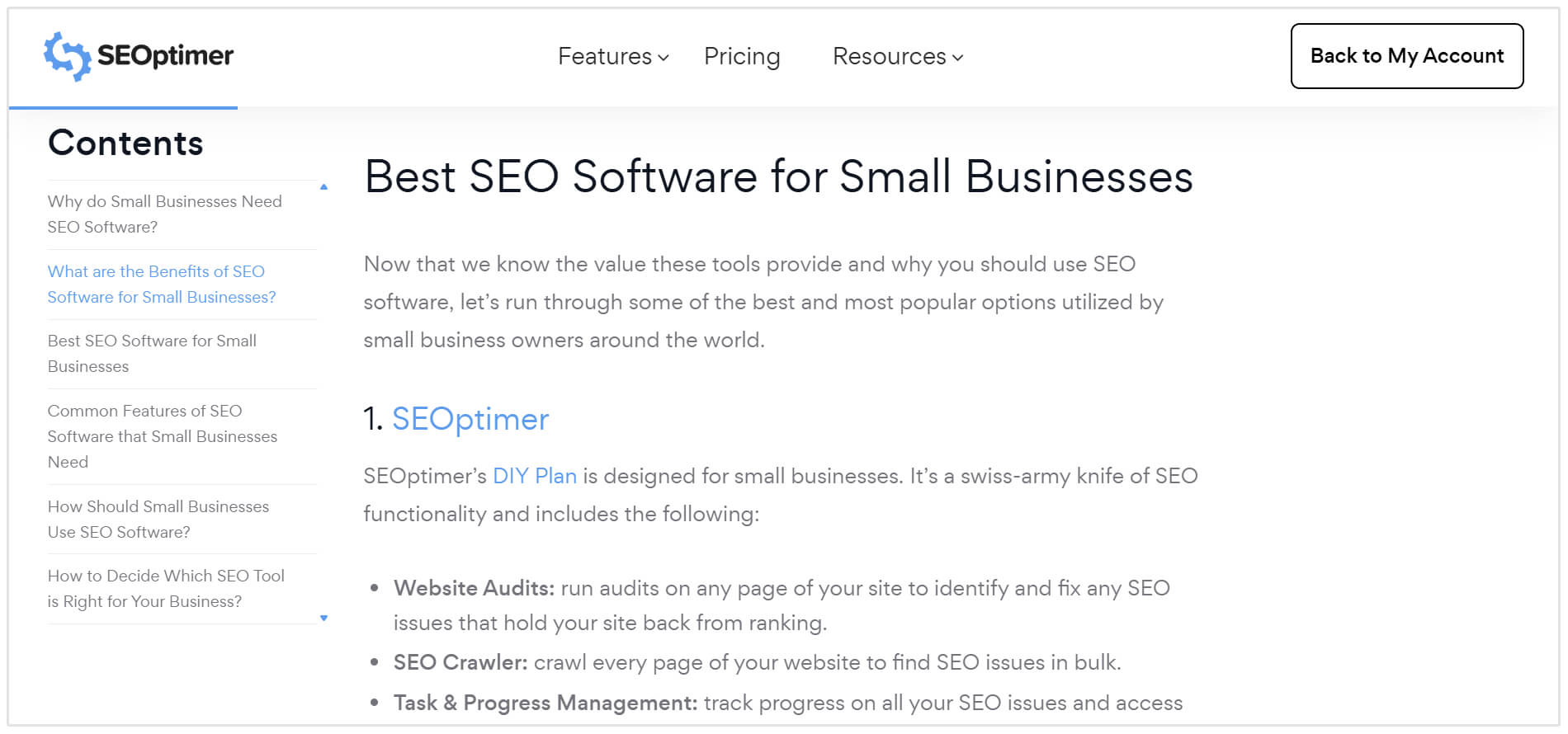
Every section introduces a new tool, explains its key features, and provides practical tips on how small businesses can use it.
To prepare listicle-style blogs, you should prepare a comprehensive list of tools or resources that your target audiences would love to share.
Include data, examples, tables, and other points missing from other already-ranking resources. Well-structured listicles support better keyword coverage across related queries.
Ultimate Guides/Pillar Posts
Pillar posts are a central hub for a content cluster.
You should create pillar posts and ultimate guides to build topical authority in your niche and capture high-volume search terms.
Long-form pillar blog posts cover an entire topic in-depth, offering readers a complete reference point.
Moreover, ultimate guides help answer multiple related questions within a single post, making them highly valuable for SEO and user experience.
Danyon Togia from Expert SEO, an agency based in New Zealand, told us that if you want sustainable growth and authority, nothing beats a well-researched, well-structured Ultimate Guide on a broad, high-interest topic.
For every site I’ve worked on (whether it’s brand new or already pulling thousands of visitors a day) the content type that’s delivered the biggest traffic wins has been the Ultimate Guide.
- Donyon Togia, Founder at Expert SEO
This ultimate guide to ecommerce SEO by Neil Patel is a fine example of a pillar post.
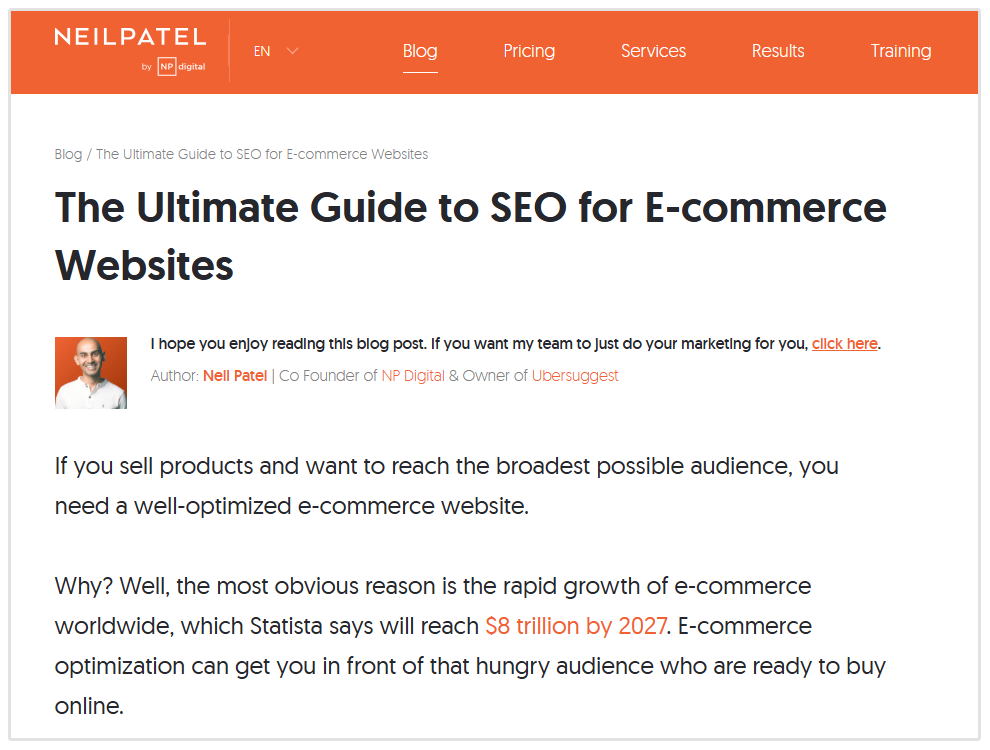
The guide covers the topic in-depth and contains real examples, statistics, graphs, and tools. It targets both beginners and advanced users, making it useful for different audience levels.
Guide-styled blogs are longer, well-researched, and time-consuming to prepare. Hence, you should spend a good amount of time writing in-depth ultimate guides.
Your pillar blogs should contain original diagrams, well-formatted tables, and the newest statistics to make it easier for audiences to understand the topic.
Well-crafted ultimate-style guide is one of the best types of blog posts that is great for ranking for high-search volume primary keywords and also for numerous related secondary keywords.
Case Studies
Real client success stories and case studies are a blog format for later stages of the buyer funnel.
It lets you present data-backed content to your target customers and lets them know how your services or products helped others.
For instance, Cognism’s case study is an interesting example of a case study styled blog article.
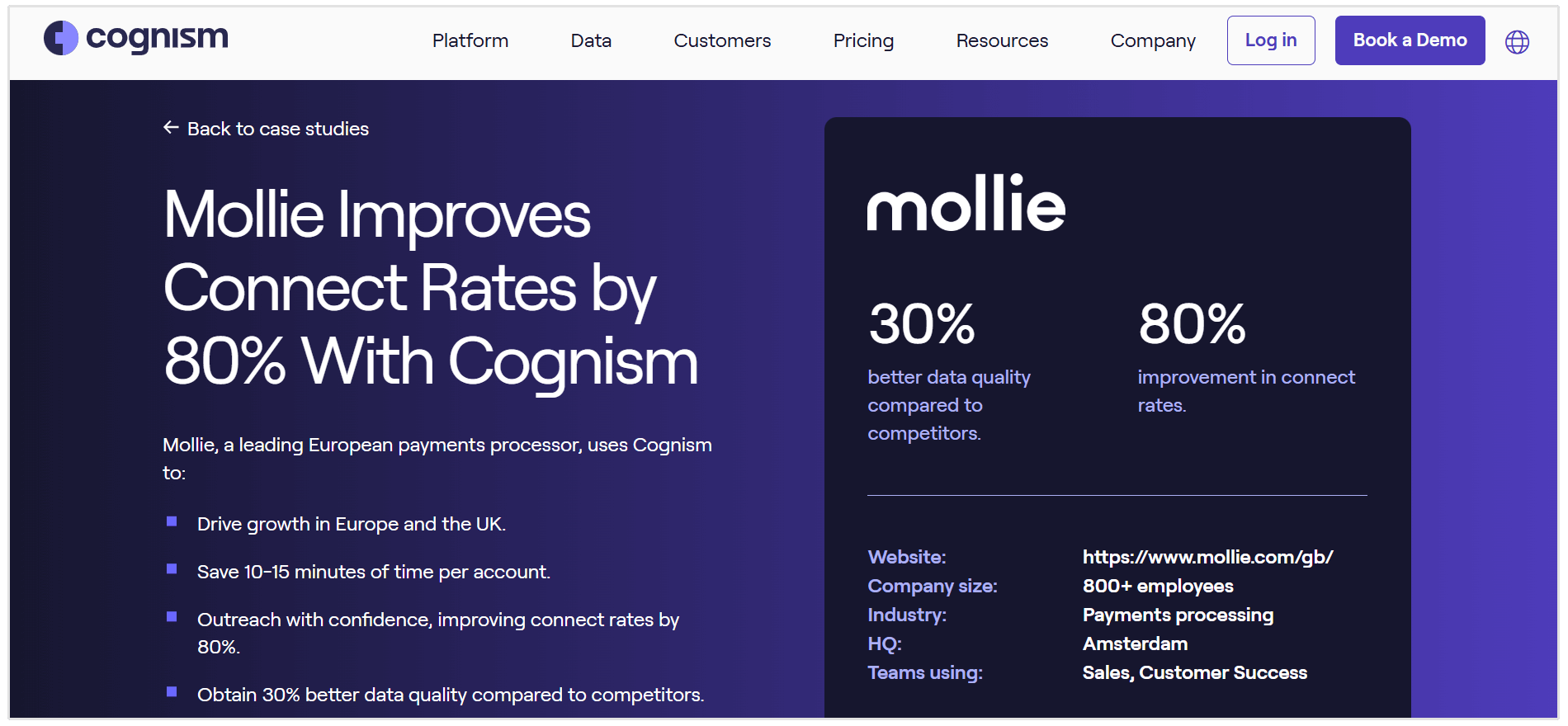
The study explains how Mollie, a European payments processor, used Cognism to solve data accuracy challenges in their outbound sales efforts.
It breaks down the full story, starting with their struggle to find reliable B2B contact data, followed by their trial process across multiple vendors, and finally highlights why Cognism outperformed competitors by 30% in data quality.
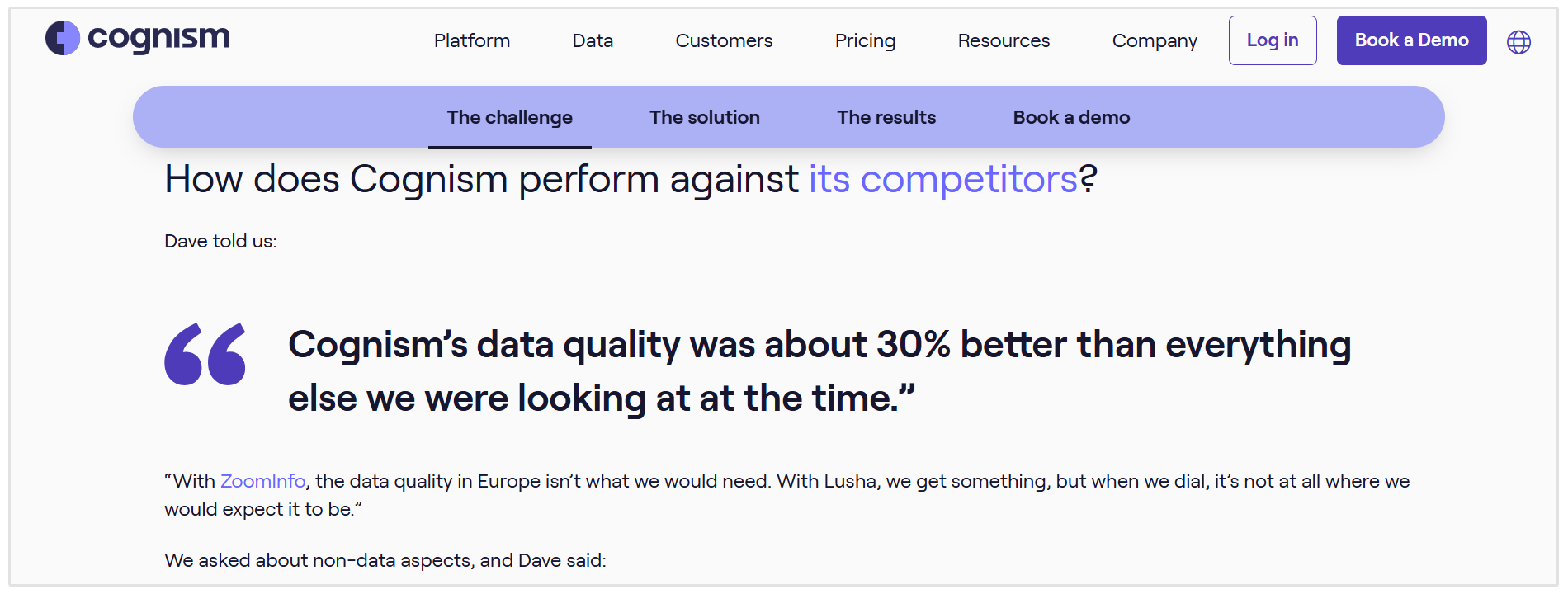
Good case studies tell a story and lead with a solution.
To prepare high-converting and audience-centric case studies, you should outline the client’s background, the problem, the solution implemented, and the actual results achieved.
Use relevant data, actual screenshots, and specific numbers to explain to your audience about the results. Keep easy-to-read sections for challenges, actions, and results.
Include real client quotes or testimonials to add credibility and elevate your EEAT score.
Well-documented and multi-format case studies are great for attracting qualified audiences that lead to conversions.
Comparisons and Alternatives
Publishing comparison and alternative posts helps capture search traffic from users researching products or services before making a decision.
Comparison blogs feature your brand as a helpful resource while targeting highly valuable bottom-funnel keywords.
For instance, CNET’s "Best VPN Service for 2025" is a strong example of a comprehensive comparison blog.
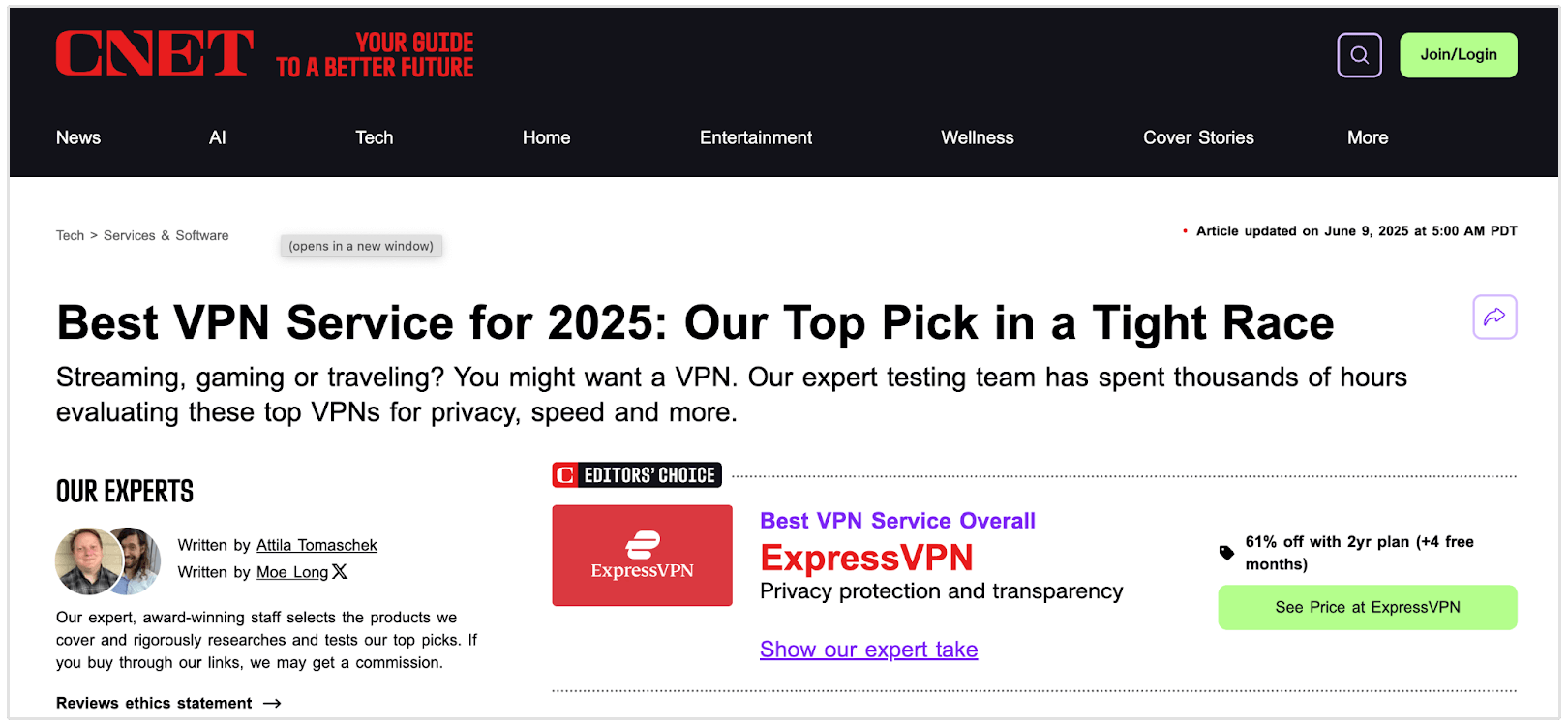
The article analyzes each VPN with a full breakdown across factors such as privacy, usability, speed loss percentages, pricing, and others.
Performance is quantified using thousands of speed tests, leak tests, and feature comparisons, creating highly actionable insights for readers.
The evaluations target both privacy-conscious users and general consumers seeking streaming, gaming, or international browsing support.
To prepare comparison blogs, you should include a full list of tools or services with objective summaries.
Highlight the most important differentiators, use tables or feature lists for quick reference, and cover pricing ranges where possible. Include internal links to product pages or related resources for further reading.
Well-organized comparison content ranks for valuable decision-stage keywords, attracts high-intent visitors, and supports both SEO and sales funnel progression.
Checklists
Checklists are a popular blog post type that works well for any niche.
Well-crafted and uniquely designed checklists simplify complex topics into manageable actions.
GoAbroad’s "The Essential International Travel Checklist PDF for Newbies" is a fine example of checklist-style content. The article guides international travelers through a structured pre-travel timeline.

To create checklist content, use numbered tasks or bullet points under each category to create a sense of progress. Add short explanations for why each task matters.
The checklist format for blogs works extremely well in both B2B and B2C content for capturing users who are ready to take action, while also earning strong SEO rankings for transactional, how-to, and evergreen queries.
Trends and Predictions
Trends and predictions are one of the most-used types of blog posts that analyze future developments and give readers insights into where an industry is heading.
These articles attract high-intent traffic because audiences seek forward-looking perspectives. You should identify emerging patterns, technology shifts, and evolving consumer behaviors relevant to your niche.
Ivan from Comrade Digital Marketing Agency told us that industry-specific statistics and trends are the most effective type of blog post for driving traffic in their agency.
This type of content not only informs but also builds trust with your audience, especially when the data is relevant to their specific business or professional needs.
For instance, our blog post on Law Firm Marketing Statistics shares valuable insights into the most effective strategies for marketing law firms.
- Ivan Vislavskiy, CEO at Comrade Digital Marketing Agency
For example, this prediction-styled blog about the future of SEO predicts what changes users and marketers will see in the SEO landscape in 2026.

You should support your predictions with credible data, expert opinions, and market research.
Garrett Carlson from The Loop Marketing actually told us that publishing your own research is one of the best ways to increase traffic.
With AI Overviews and more content being written by AI, the same things are starting to be said repeatedly. What AI cannot do is produce original research for you.
As an example, we publish an accident-related research piece every year for one of our clients, which consistently drives the most traffic to the site every single year.
- Garrett Carlson, Content Manager at The Loop Marketing
Prediction-based blog posts open opportunities for backlinks, as other creators tend to reference well-supported forecasts.
Question-Based Posts
Question-based posts are one of the best types of blogs that directly answer user queries. It helps your website rank in position zero or above the top 10 search results.
You should write blog posts answering question keywords because they are highly effective for ranking for featured snippets and PAA (People Also Ask) placements.
DoggieLawn’s FAQs About Dog Grass Pads is a good example of a question-style blog article.
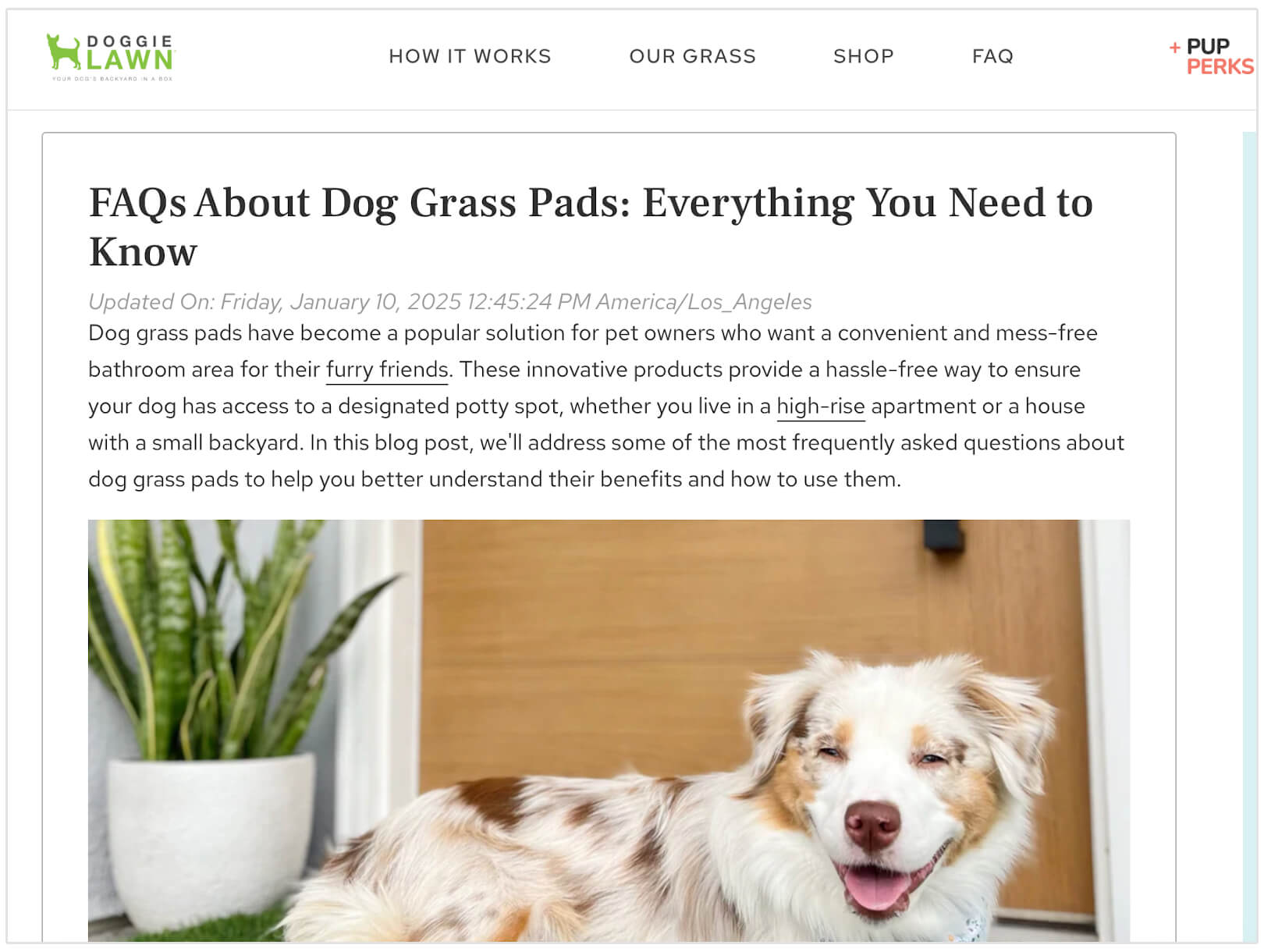
The content is divided into several question-and-answer sections related to the common objections or hesitations dog owners might have, while also educating them on the benefits of DoggieLawn’s real-grass product.
To create effective question-based posts, you should:
- Compile real questions users are asking through keyword research tools like SEOptimer.
- Find relevant question-based keyphrases using Google autocomplete, PAA boxes, and competitor research.
- Add one primary question as the H1 in your blog and use additional related questions as subheadings.
- Provide well-organized answers showcasing hands-on experience on the topic. Include relevant statistics and examples.
- Add internal links to other related pages for transfer of link equity.
Question-based blog format attracts both top-of-funnel and middle-funnel traffic. These are also great for acquiring spots on Google AI overviews.
Product Reviews
Honest and well-written product reviews are a blog post format that helps audiences inspire trust in your brand.
Product reviews rank for high-intent keywords such as:
- [Product name] review
- [Product name] pros and cons
- Is [product name] worth it
- best [product type] under [price]
- [product type] for [specific need]
- top [year] [product type] reviews
- [product type] buyer’s guide
- [Product name] user experience
- [Product name] real customer feedback
- [Product name] honest review
High-intent keyphrases attract bottom-of-funnel traffic that is close to conversion.
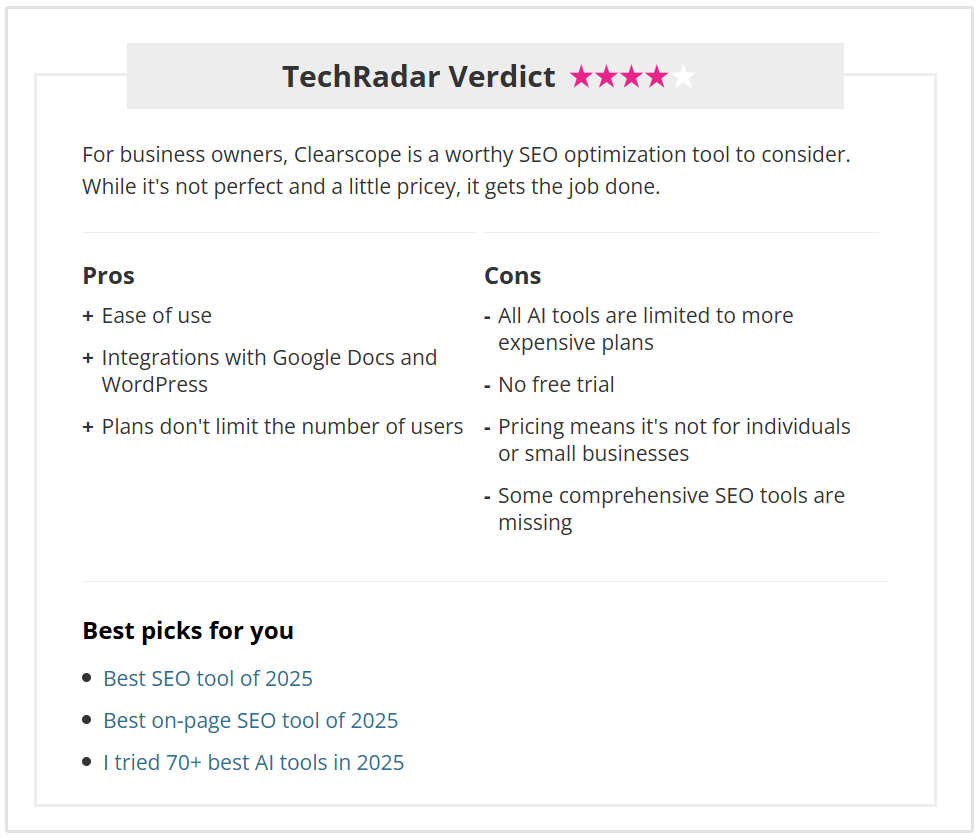
TechRadar’s Clearscope review is a good example of a review blog that systematically analyzes Clearscope’s feature set. It outlines installation steps, platform compatibility, pricing tiers, and ideal business use cases.
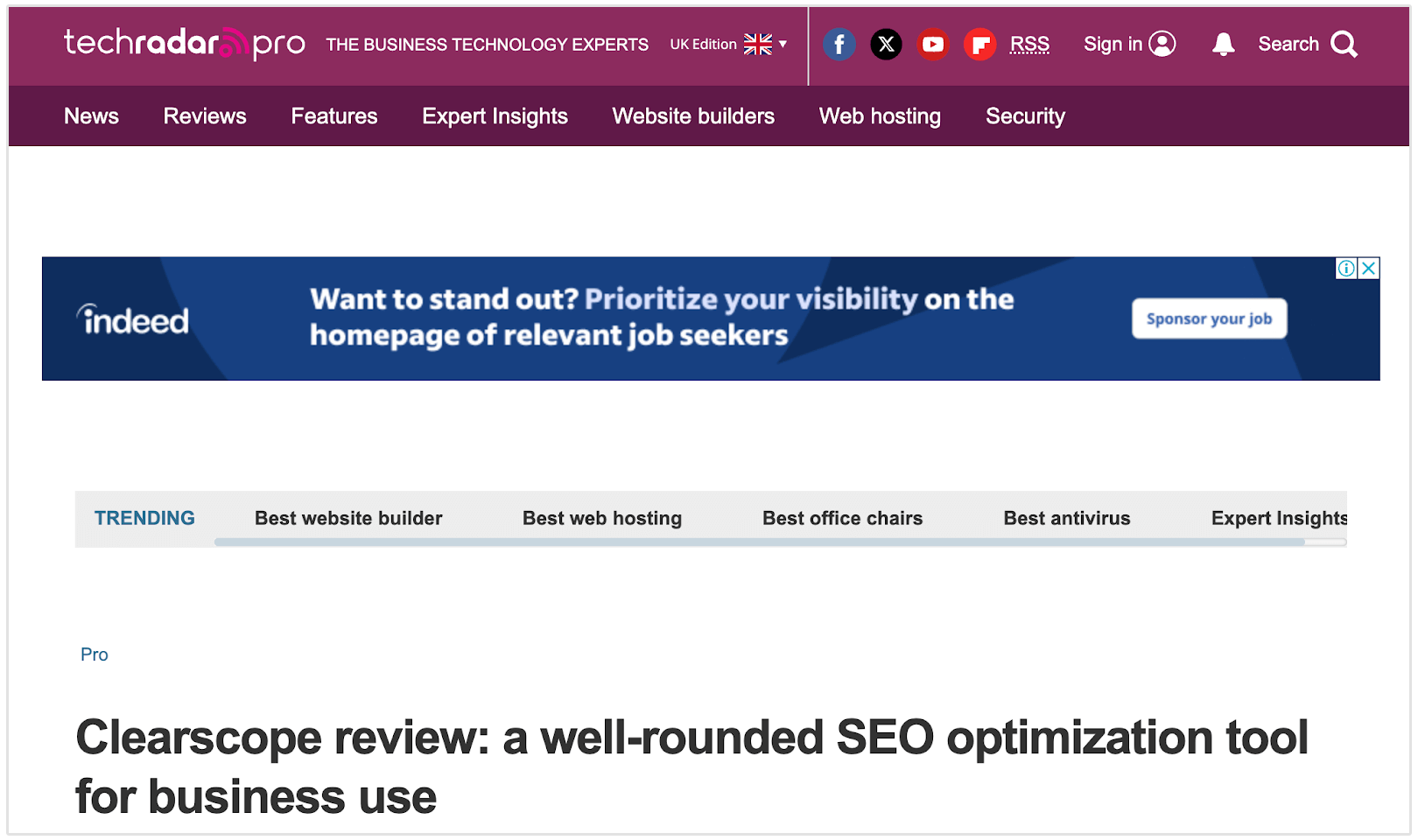
The review balances technical details with buyer-oriented commentary, ultimately positioning Clearscope as a premium content optimization platform.
To create product reviews that build trust and drive conversions, write about real use cases, customer experiences, and achieved results.
Emphasize what sets your product apart, and share both benefits and limitations honestly.
Roundups
Roundup articles consolidate multiple options into a single resource, helping readers compare top solutions, tools, or ideas in one place.
These posts perform well for commercial investigation queries such as “best SEO tools,” “top marketing platforms,” or “best SaaS products for small business.” Roundups also attract backlinks due to their comprehensive nature.
The "Data Privacy Expert Roundup 2025" on the Didomi Blog is an excellent example of a roundup-style blog post.

By including perspectives from multiple sectors, such as legal, marketing, academic, and others, it offers a well-rounded view of data privacy trends.
To create roundup content, identify top-performing solutions for the target category and organize your article into different sections.
Add summary tables for quick comparisons and conclude with expert recommendations based on user needs. Well-executed roundup articles attract organic traffic across mid-to-bottom funnel search queries and earn featured snippets.
How to Choose the Right Blog Post Type
Your SEO and content marketing plan depends a lot on selecting the correct type of blog post. Each blog format is based on a specific audience behavior and stage in the buyer journey.
Here are the top things to look for when planning your SEO blogging strategy:
Consider Your Content Goal
Every content piece on your website should have a purpose. Some content educates readers, some guide decision-making, and others drive conversions.
A defined SEO blogging goal helps shape your blog format, keyword selection, and depth of coverage.
Educational blogging goals work well with how-to guides and listicles. Conversion-focused goals perform better with reviews, comparisons, and case studies.
When you match content goals with audience needs, your blog performs better in both search rankings and user engagement.
Match Content to Search Intent
Prior to writing blogs, you should thoroughly understand the search intent behind that content. It can be informational, navigation, and transactional.
The key is to combine search intent research with clear and authoritative content that’s easy to navigate and understand. Matching blog format to your audience's needs is just as important as targeting the right keywords.
- Courtney Haddock, Senior SEO Content Executive at Quirky Digital
Informational queries perform best with how-to guides, ultimate guides, and listicles.
Navigational queries go well with product reviews, resource roundups, or company comparisons. Transactional queries are great for product comparisons, reviews, and case studies styled blogs.
You should match your blog post content to the exact search intent to offer an exceptional user experience and reduce the bounce rate.
Balance Evergreen vs Trending Content
Your editorial blogging calendar should have both evergreen and trending topics for steady organic traffic growth.
Evergreen formats, such as pillar guides and checklists, deliver long-term stable traffic through sustained relevance.
Trending formats, such as prediction posts or timely news updates, capitalize on search surges tied to current events or yearly cycles.
A balanced publishing calendar supports both consistent baseline traffic and timely bursts of content visibility to enhance branding and conversions.
Use Google SERP & PAA Questions for Clues
Google search engine result pages (SERPs) and People Also Ask (PAA) boxes help you decide on preferred content formats for specific queries.
Analyze the top-ranking pages to reveal the kind of blogs ranking for your selected keywords. It could be guides, listicles, comparisons, or reviews.
PAA questions expose additional sub-topics and related search terms and help you expand your keyword coverage.
SERP feature observation works as a real-time content blueprint for format selection, topic coverage, and well-placed optimization strategy.
What Type of Blog Post is Best?
No single blog post type works universally across all situations. The best types of blog posts depend entirely on search intent, keyword goal, and audience stage.
Here are the different blog post types based on your SEO goals:
- For broad traffic growth and authority building: Ultimate Guides/Pillar Posts
- For fast, shareable content with high CTR: Listicles
- For ranking for exact questions and featured snippets: Question-Based Posts
- For decision-stage, bottom-of-funnel traffic: Comparisons and Product Reviews
- For link earning and expert positioning: Roundups and Case Studies
- For stable long-term rankings: Checklists and Evergreen How-To Guides
- For trending or seasonal traffic bursts: Trends and Predictions
Can I Mix Multiple Formats in One Post?
Yes, you can use multi-format blogs. Mixing multiple formats inside one blog post strengthens your domain’s topical authority by addressing different layers of search intent within a single piece.
Visitors arrive on your website with varied expectations. Some seek detailed instructions, while others prefer quick answers or comparisons.
Combining different blog post formats helps you rank for informational, navigational, and transactional queries for maximum search engine visibility across the buyer journey.
Search engines recognize the added depth and reward helpful content. A post that answers multiple related questions, includes data, offers actionable steps, and provides decision-making support keeps users engaged for longer sessions.
Long-form blog posts also attract more backlinks, gain higher social shares, and establish stronger topical expertise within your niche.
Conclusion
Blogs are an essential part of your content marketing and SEO plan. Selecting the right blog post format and crafting people-first content based on the chosen topic helps you prepare publish-ready blogs that attract relevant organic visitors.
Always remember to follow the above tips for using the most appropriate blog post type based on your SEO and content goals. Don’t forget to optimize your content for on-topic keywords, and update your text regularly with fresh statistics to maintain your organic rankings.