


Key Takeaways
- SaaS SEO can reduce customer acquisition costs by up to 60% compared to paid advertising.
- Most B2B purchase decisions beging with a Google search.
- Successful SaaS SEO requires mapping keywords to three funnel stages: awareness, consideration, and decision.
- SaaS companies need 6-12 months to see significant SEO results, but early wins can be achieved by optimizing existing pages ranking positions 10-30.
- Content freshness and E-E-A-T (Experience, Expertise, Authoritativeness, Trustworthiness) are critical ranking factors for SaaS websites.
Doing SEO for a Software as a Service (SaaS) company presents a unique set of challenges.
Unlike traditional eCommerce or content sites, SaaS marketing involves a longer sales cycle, a focus on lead generation, and the need to educate potential customers about complex software solutions.
As an SEO SaaS ourselves, we've navigated these waters and understand what it takes to build a successful organic growth strategy.
This guide will walk you through everything you need to know about SaaS SEO.
We'll cover how to understand your customer's journey, build a powerful keyword strategy, and execute the technical, content, and link-building tactics that drive sign-ups and revenue.
Feature update
New AI Visibility Checks are Here. Is Your Site Ready?
Run a free audit to see how well your site is optimized for Google AI Overviews and LLMs.
Run Free AuditWhat is SaaS SEO?
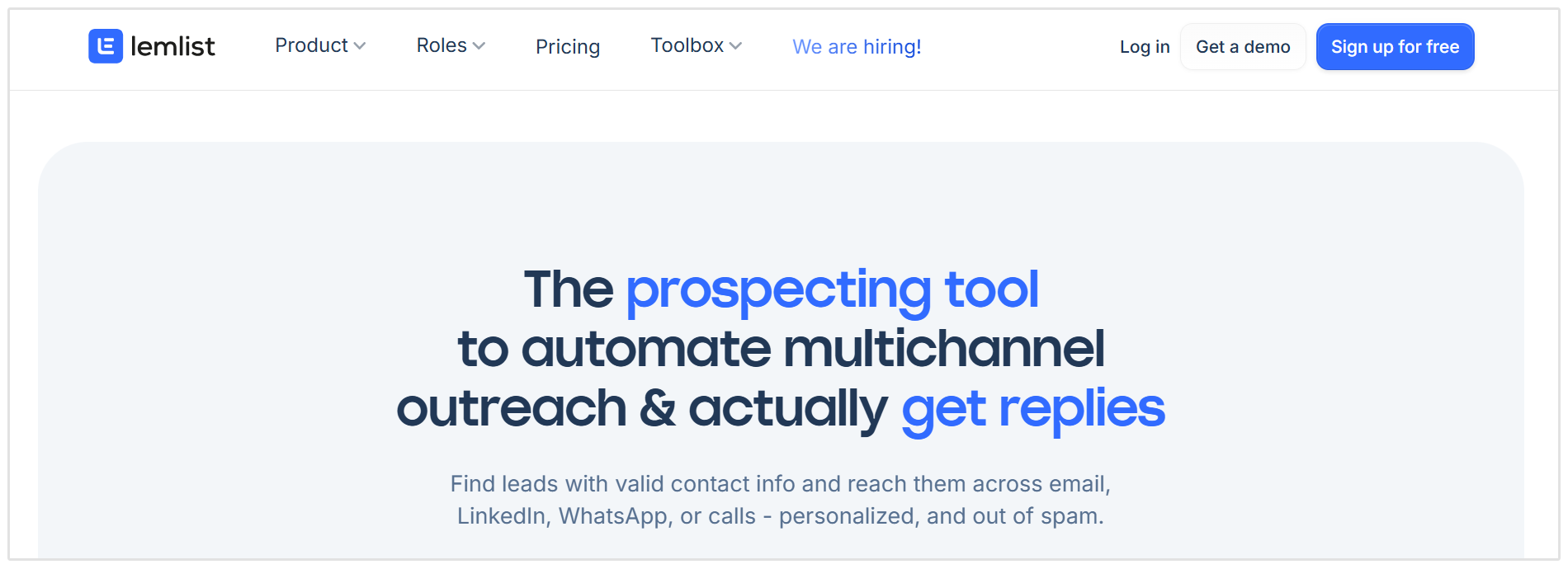
SaaS SEO is search engine optimization specifically for software-as-a-service companies. It works much like traditional SEO, but specifically focuses on the needs and challenges of software-as-a-service businesses. (e.g. HubSpot, Hootsuite, Monday.com, Lemlist, SEOptimer, etc.)
It focuses on optimizing SaaS websites, content, and technical infrastructure to attract organic traffic from prospects actively searching for software solutions.
Unlike generic SEO approaches, SaaS SEO strategies must account for longer sales cycles, multiple decision-makers, and the need to demonstrate software value before purchase.
The goal is to attract organic traffic from potential customers, guide them through your marketing funnel, and convert them into users or paying subscribers.
Unique Challenges in SaaS SEO
SEO for SaaS companies isn't the same as for a local business or an online store. The key differences create specific challenges that require a unique approach:
Longer Sales Cycles
B2B SaaS customers rarely make an impulse purchase.
They conduct extensive research, compare options, and often need buy-in from multiple stakeholders.
Benchmarks back this up. Data from more than 200 SaaS companies shows that the average B2B SaaS sales cycle is around 2.5 months. (source)
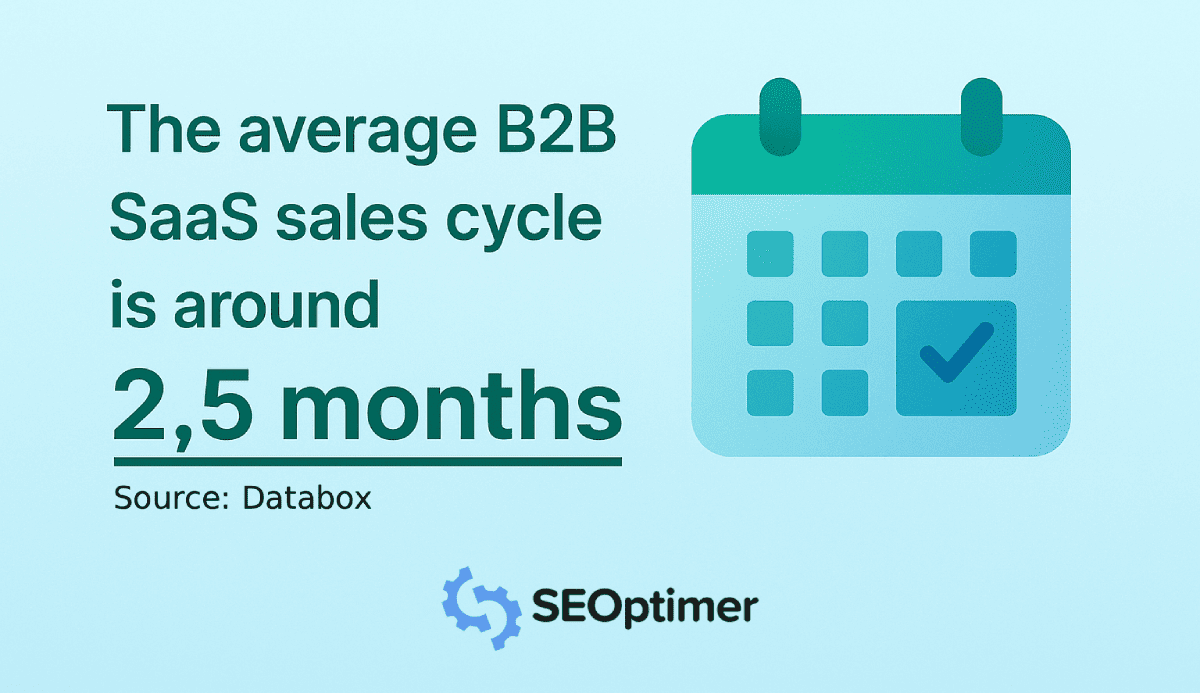
A major reason for this slowdown is the number of people involved: modern B2B buying groups frequently include 10 or more stakeholders, which naturally pushes sales cycles into the multi-month range for mid-market and enterprise customers.
Traditional SEO strategies often focus on immediate conversions and transactional keywords.
Your SaaS SEO strategy must support this long journey with content that educates and nurtures leads over time.
Varying Search Intent
A user searching for "project management software" could be a student looking for a free tool, a small business owner needing a simple solution, or an enterprise manager seeking a powerful, scalable platform.
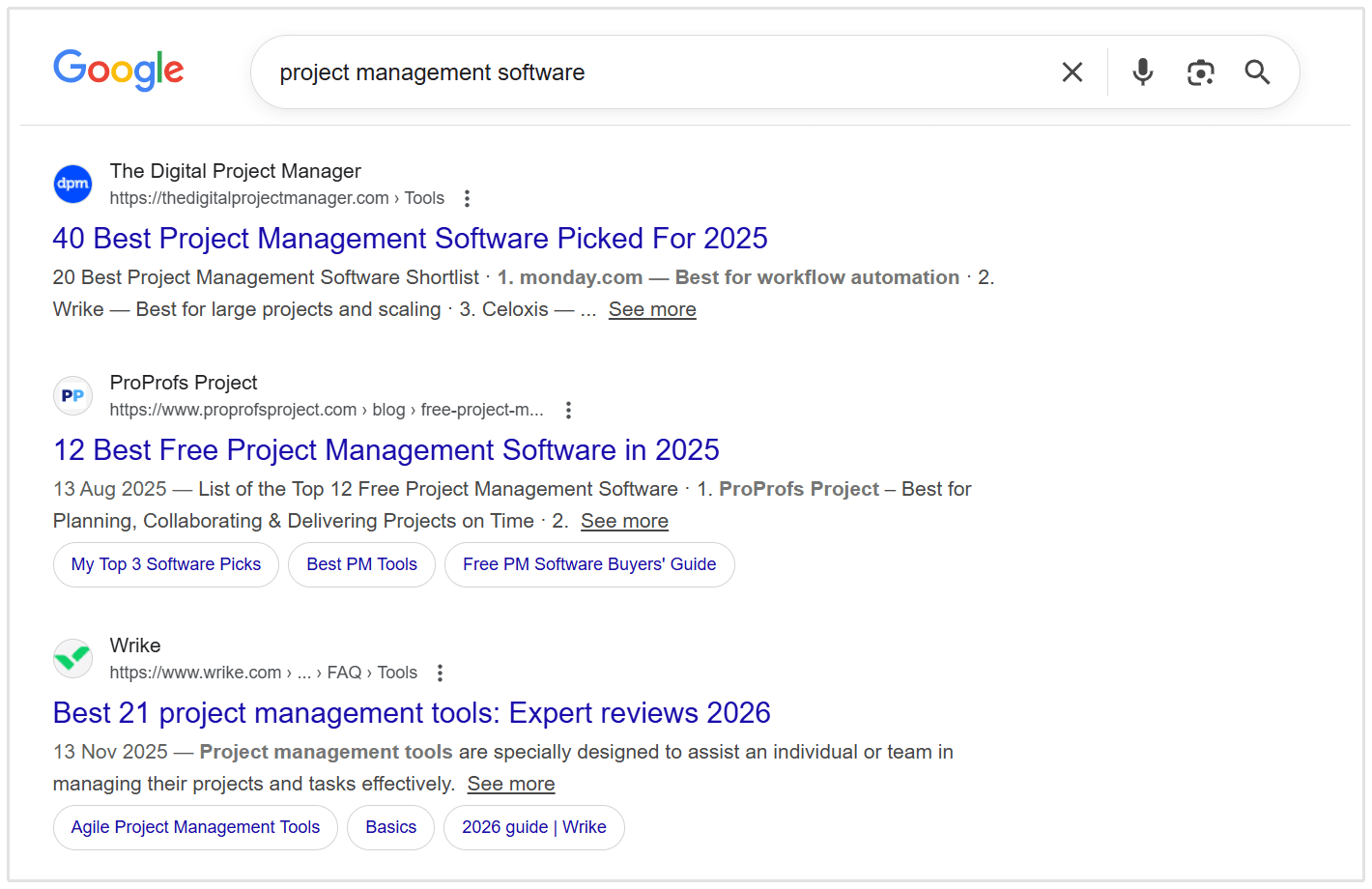
Understanding these different search intents is crucial for creating content that resonates with your ideal buyer.
B2B SaaS SEO requires creating content for multiple stakeholders—from end users experiencing daily pain points to executives evaluating ROI and implementation costs.
Niche and Technical Topics
Many SaaS products solve very specific problems with technical solutions.
This can lead to low search volume for core keywords and requires a deep understanding of your audience's pain points to find ranking opportunities.
Focus on Conversions, Not Just Traffic
Attracting thousands of visitors is meaningless if none of them sign up for a trial or demo.
SaaS SEO must be laser-focused on driving conversions, which means targeting the right audience with the right content at the right time.
Why SaaS Companies Need SEO
Based on data from Think With Google, search engines are the primary starting point for 71% of B2B purchase decisions.
When decision-makers encounter business challenges, their first instinct is to search for solutions, research options, and evaluate vendors.
This presents a massive opportunity for SaaS companies that can capture this intent-driven traffic through strategic search engine optimization.
The financial impact of SEO versus other acquisition channels is particularly compelling for SaaS businesses.
According to Abedin Tech, organic and SEO-driven customers are 40–60% cheaper to acquire than customers from paid-only or outbound channels, and they often come with higher lifetime value.
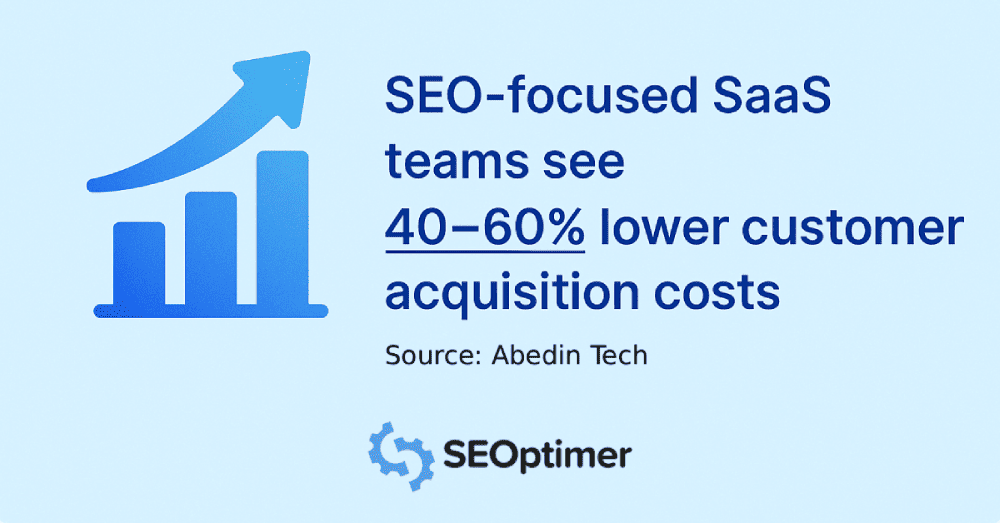
While paid ads require continuous budget allocation to maintain traffic flow, organic search results compound over time.
A well-optimized blog post or info page can drive qualified leads for months or years after publication, making SEO one of the most cost-effective customer acquisition strategies available.
Furthermore, building a strong organic presence protects SaaS companies from the volatility of paid advertising platforms and their frequent policy changes.
SEO provides diversification beyond social media algorithms and third-party platform dependencies. While social media reach can disappear overnight due to algorithm updates, search engine rankings tend to be more stable and predictable when built on solid foundations.
Now that we know why SaaS companies need SEO, let’s look at some tactics you can use for successful SaaS SEO.
A Complete Guide to SaaS SEO
1. Understand the SaaS Buyer Journey and Search Intent
Before you write a single word or create a product info page, you must understand how your customers find you.
The SaaS buyer journey typically follows these stages, each with a different search intent:
Top of the Funnel: At this stage, potential customers are aware of a problem but don't yet know about your solution. They use broad, informational keywords to understand their pain points.
For instance, a digital marketing agency might want to know how to track billable hours, so they might search for something like "how to track team billing."
The SERP for this will likely include a few product pages as well as guides on how to track billable hours.
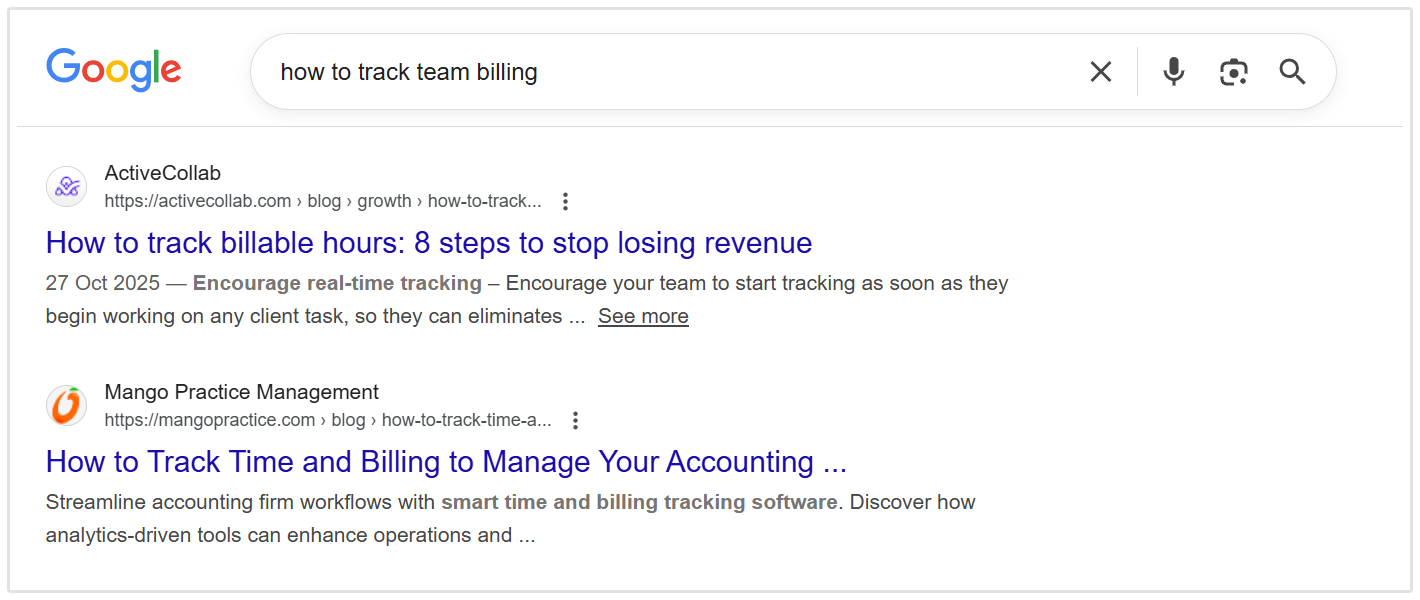
Middle of the Funnel: Prospects are now researching different types of solutions to their problem. They use keywords that compare categories or types of software.
Taking our example from above, the agency might look for "time tracking software for agencies" or something similar.
Here you'd expect to see product specific pages like these from Timely and Productive.
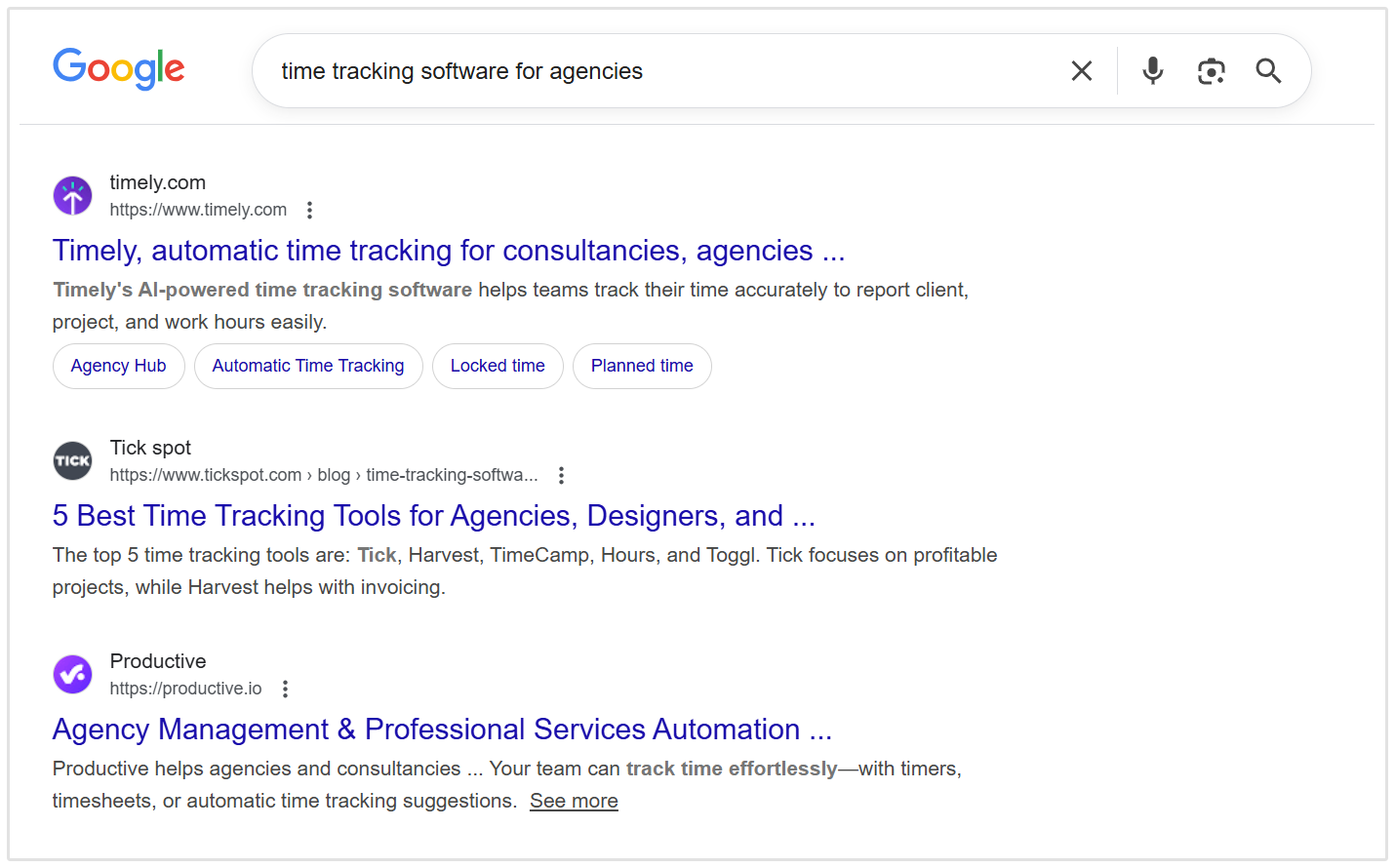
Bottom of the Funnel: At the final stage, prospects know about your product and are comparing it to competitors. They use transactional and navigational keywords as they get ready to make a decision.
In our example of time tracking software, common examples of keywords buyers might use are "toggle pricing" and "clockify alternatives."
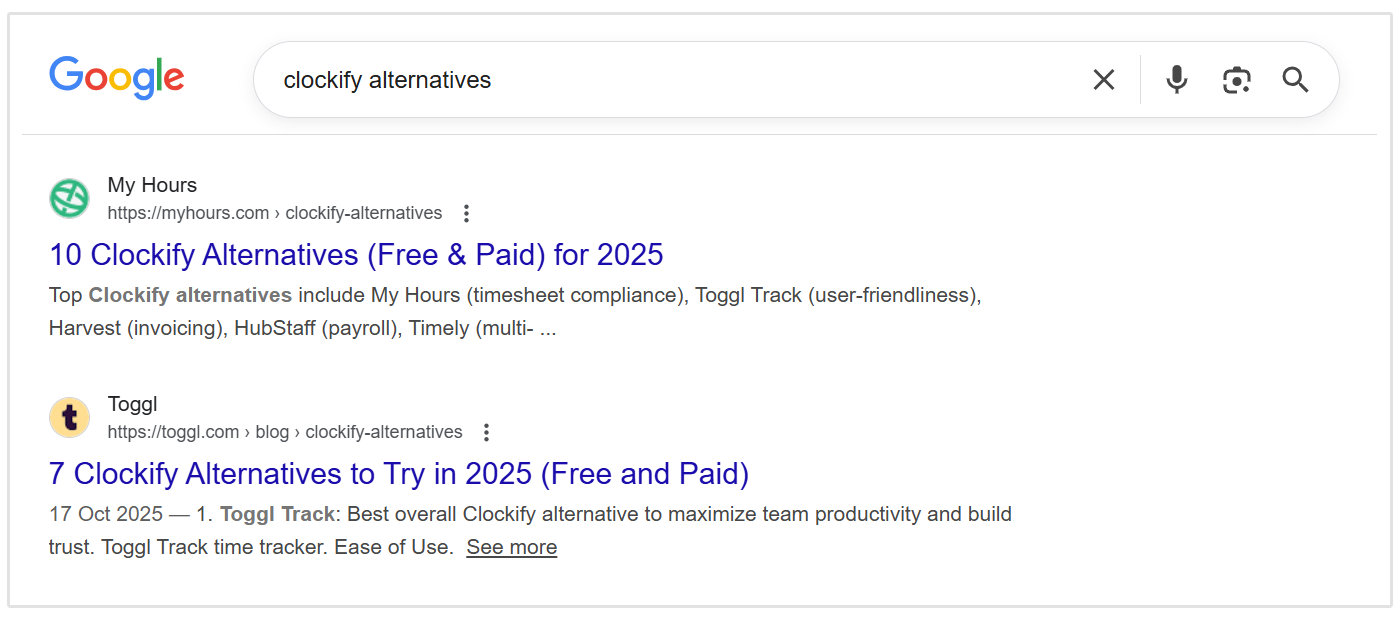
Mapping keywords to these stages helps you create a content strategy that guides users from initial awareness all the way to conversion.
2. Create a Keyword Strategy for SaaS SEO
A solid keyword strategy is the foundation of your SEO efforts.
It involves identifying the terms your audience uses and prioritizing them based on relevance, search volume, and difficulty.
Here are some methods you can use to find top SaaS SEO keywords:
- Brainstorm seed keywords: Start with broad topics related to your product. If you sell accounting software, seed keywords might include "bookkeeping," "invoicing," and "financial reports."
- Use SEO tools: Tools like SEOptimer’s Keyword Research tool are quite useful for SaaS SEO. Enter your seed keywords to find thousands of related terms, along with data on their search volume and keyword difficulty.
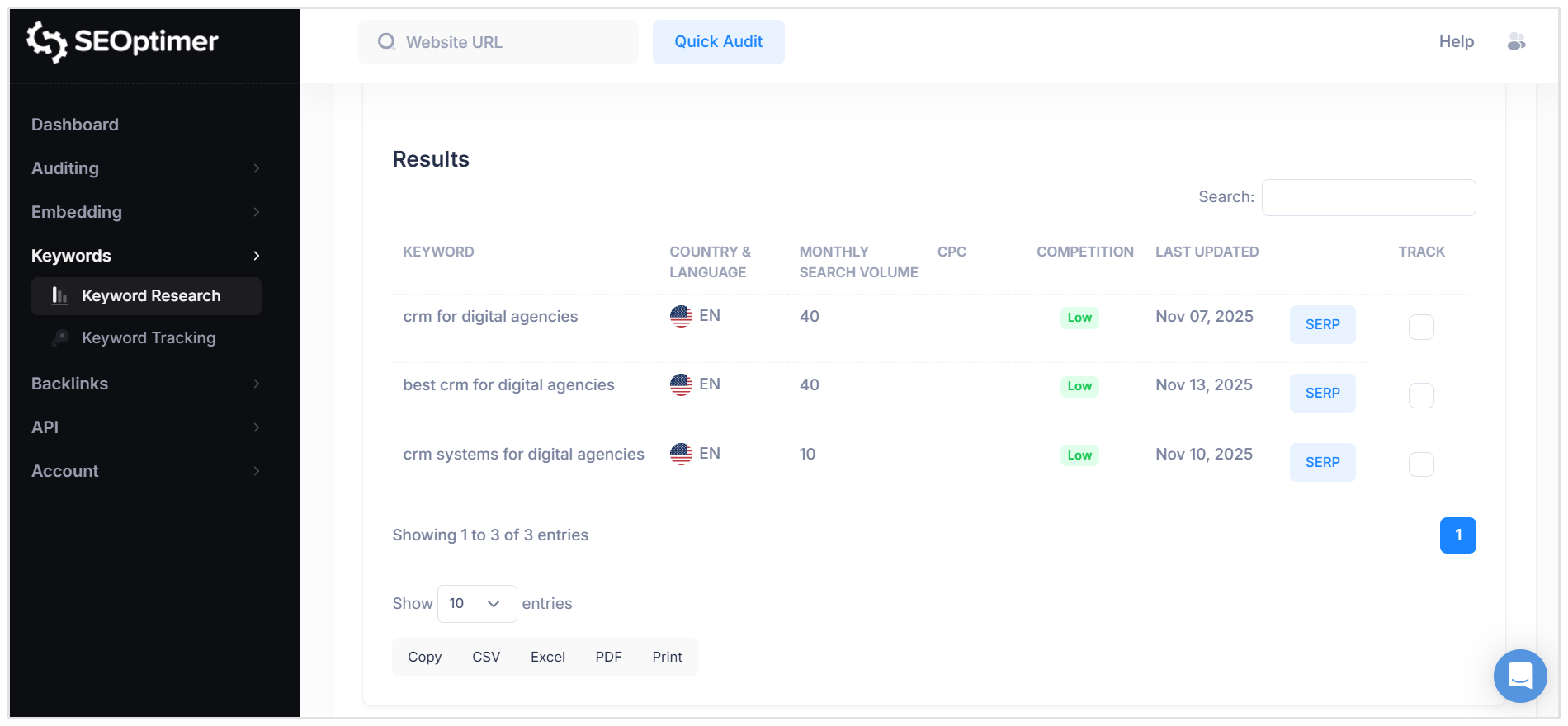
- Analyze competitors: Look at what your competitors are ranking for. This can reveal valuable keyword opportunities you may have missed. You can use our Search by Domain feature in the Keyword Research tool to find these keywords..
- Target the funnel: Categorize your keywords by their stage in the buyer journey. This ensures you have content to meet users at every step.
Focus on building a keyword list that includes high-value, bottom-of-the-funnel keywords for your landing pages and a wide range of informational, top-of-the-funnel keywords for your blog.
3. Build a Strong Technical SEO Foundation
Your content and link-building efforts will fall flat if your website has technical issues.
Technical SEO ensures search engines can crawl, index, and understand your site effectively.
Here are the key technical SEO elements you need to get right for your SaaS SEO strategy.
- Site Speed: A slow website frustrates users and hurts rankings. Compress images, leverage browser caching, and minimize code to improve your page load times. Aim for a Largest Contentful Paint (LCP) of under 2.5 seconds.
- Mobile-Friendliness: Your website must provide a seamless experience on all devices. Use a responsive design that automatically adjusts to different screen sizes.
- HTTPS: Secure your site with an SSL certificate. HTTPS is a confirmed ranking signal and builds trust with users who may be entering payment information.
- XML Sitemap: A sitemap is a file that lists all the important pages on your site, making it easier for search engines to discover and index your content.
- Schema Markup: Implement schema markup (structured data) to help search engines and AI crawler understand your content better. This can lead to rich snippets in search results, which improve click-through rates.
- Canonical Tags: Use canonical tags to tell search engines which version of a page is the "master" copy, preventing issues with duplicate content.
4. Plan a Strategic Content Strategy for SaaS
Content is the fuel for your SaaS SEO marketing strategy.
A well-planned content strategy attracts visitors, builds authority, and converts leads into customers.
Types of Content for SaaS SEO
Feature Pages: Dedicated pages that highlight specific features of your software.
An example of a feature page is Monday.com's Work Management page.
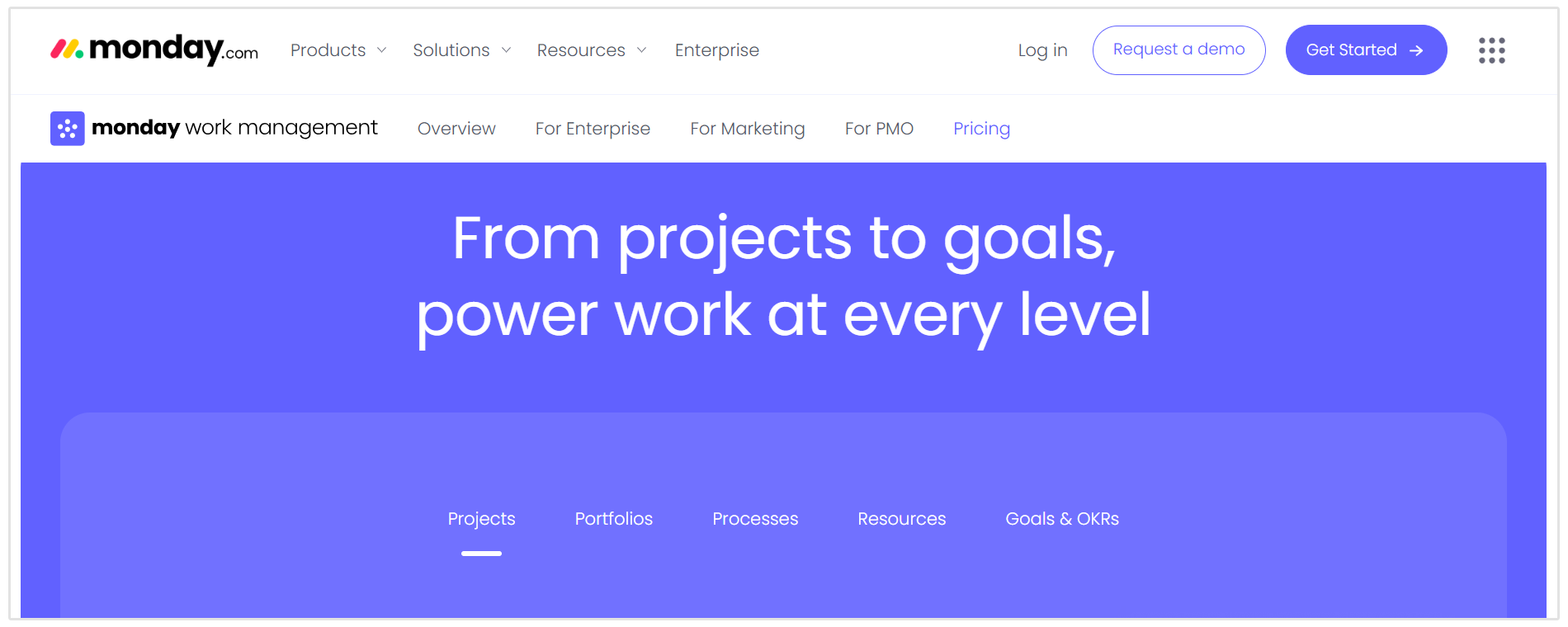
It explains all of the tool's work management features like Projects, Portfolios, Processes, Resources, etc.
A core pillar of SaaS SEO is the primary service or product landing page. This page needs to do more than just rank; it needs to convert. I often advise treating it like a long-form infomercial. The goal is to leave no stone unturned for a potential user. This means building a comprehensive page that clearly explains what the service does, who it's for, and why it's superior.
- Brian Vastola, CEO at MRB Marketing
Solution/Use-Case Pages: Pages that show how your product solves a specific problem for a particular audience.
For instance, Xero's accounting for architects page explains how architects can streamline processes using Xero's accounting software.

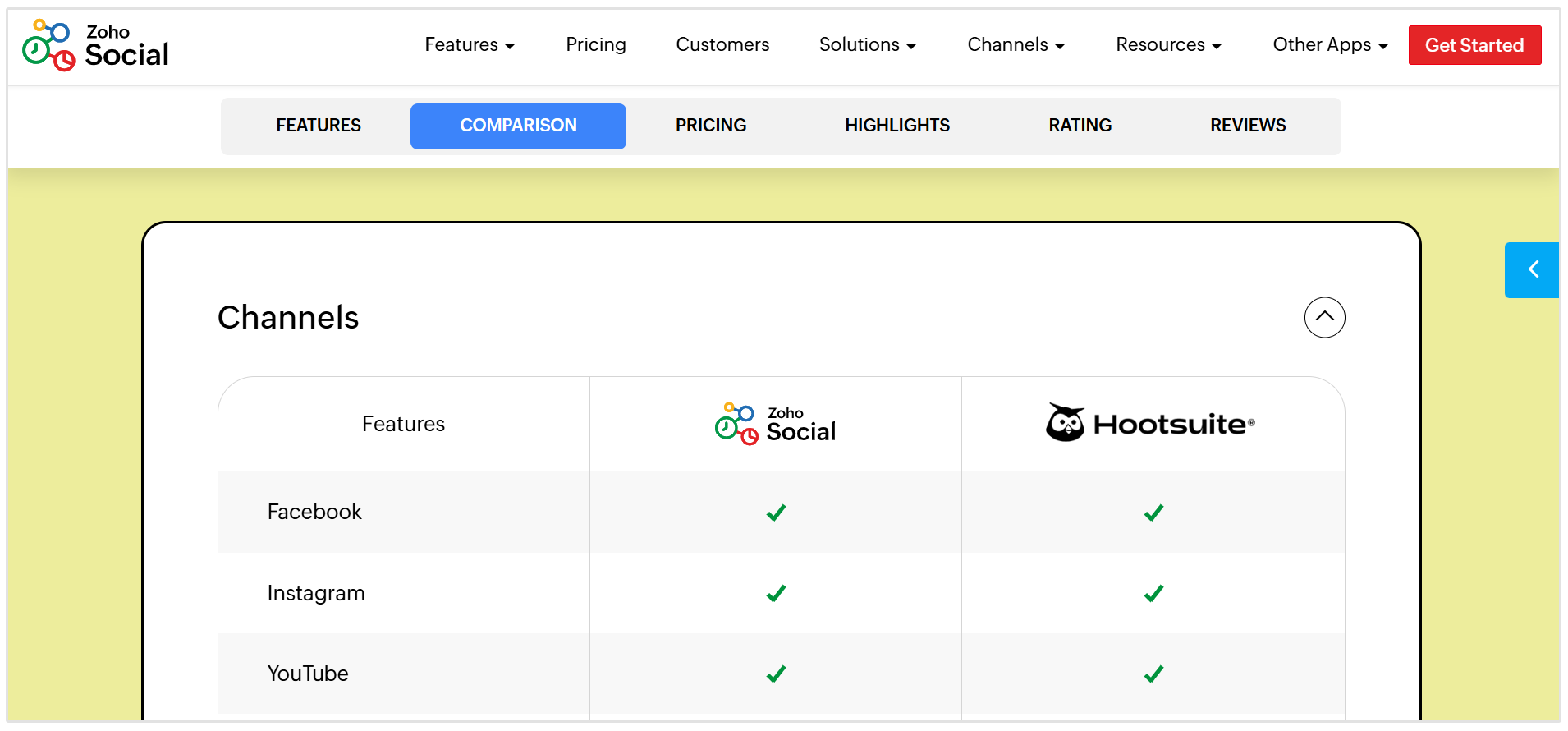
Comparison Pages: Pages that compare your product to a competitor (e.g., "YourBrand vs. Competitor"). These target high-intent, bottom-of-the-funnel users.
Zoho's Hootsuite alternative is an example of a great comparison page. It features a side-by-side table comparing Zoho's social media management features with Hootsuite.
Top-of-Funnel Blog Content: These articles are designed to attract a broad audience by solving problems related to your industry. They build brand awareness and establish topical authority.
In our experience, content is much more valuable when it educates people, as that is what earns trust long before a sales call takes place. I have always been a big believer in selling by educating.
What this means for SaaS companies is structuring SEO around learning pathways and not just keywords.
- Chris Sorensen, CEO at ArmorHQ
For example, an HR management tool might write an article on "How to Run Effective Meetings."
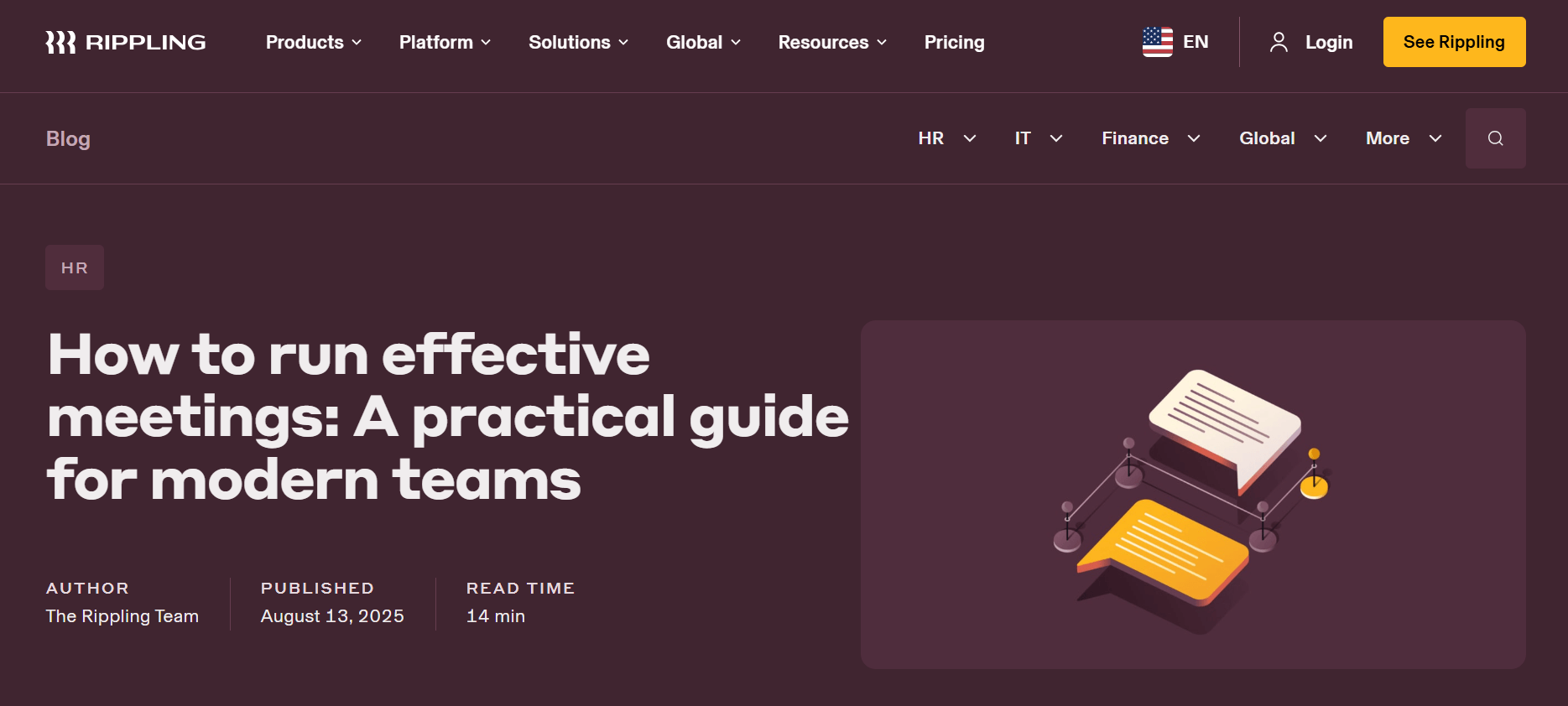
Free Tools and Templates: Offering free tools (like a headline generator or a loan calculator) or templates can be a powerful way to generate leads and earn backlinks.
I’d suggest creating an editorial calendar to plan your content production. For each piece and page, define the target keyword, target audience, and desired call-to-action.
5. Execute a Targeted Link Building Strategy
Backlinks are one of Google's most important ranking factors.
Backlinks tell search engines that your content is reliable and worth referencing, helping to boost your authority online.
Here are some effective link building strategies for SaaS SEO:
- Guest blogging: Write articles for other reputable blogs in your industry. This allows you to tap into their audience and earn a valuable backlink.
- Broken link building: Find broken links on other websites and suggest your content as a replacement.
- Digital PR: Create newsworthy content, such as industry studies or data-driven reports, and pitch it to journalists and bloggers.
- Unlinked brand mentions: Find where your brand is mentioned online without a link and ask the publisher to add one.
Focus on acquiring high-quality links from relevant, authoritative websites. Quality always trumps quantity.
For successful link-building, marketers need to see detailed backlink metrics. SEOptimer's Free Backlink Research tool provides all the most important data points for success.
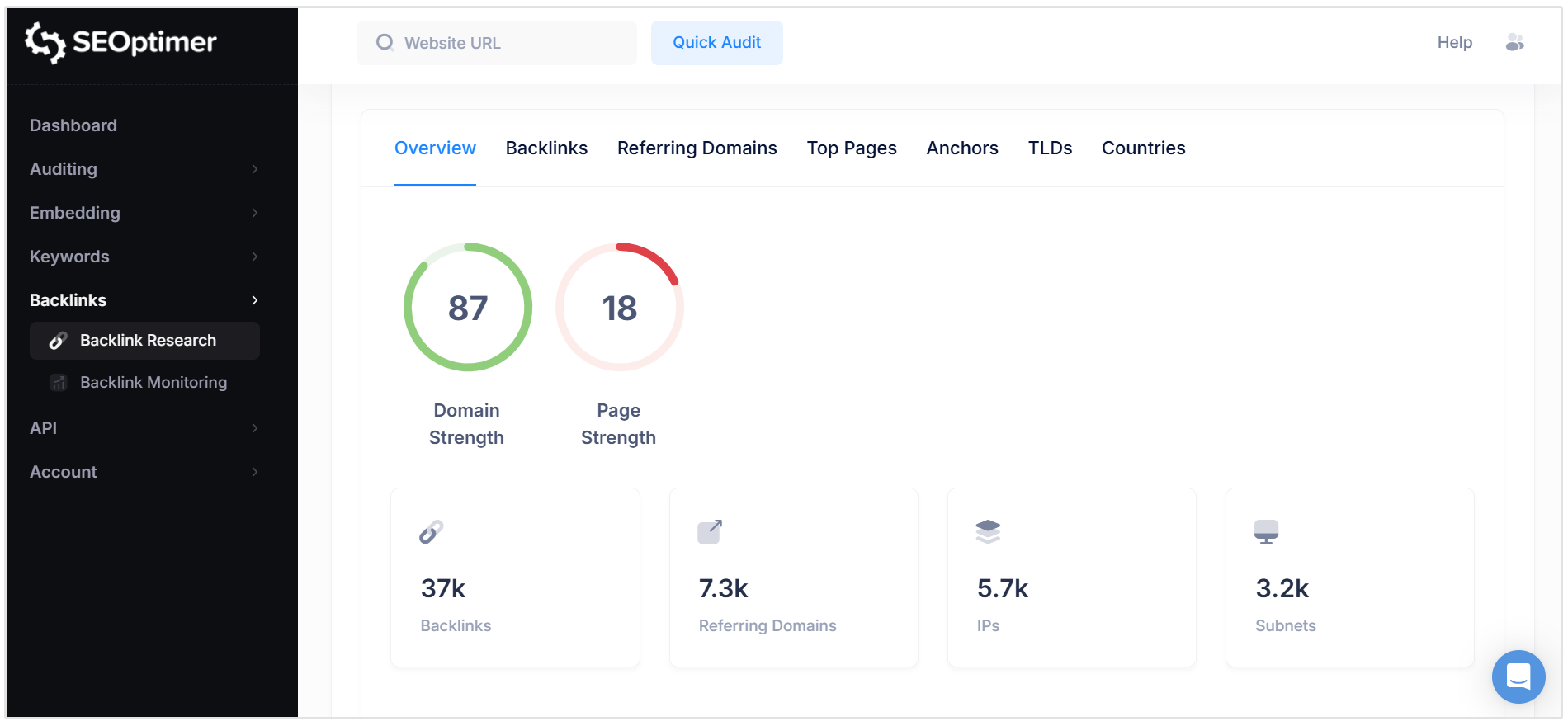
With our backlink research tool, users can view:
- Domain Strength and Page Strength
- Total Backlinks and Referring Domains
- Top Pages by Backlinks
- Anchors
- TLDs
- Top Referring Countries
- Referring Link Quality
6. Measure Your SaaS SEO Performance
To know if your strategy is working, you need to track the right metrics.
Measuring performance helps you identify what's working, what's not, and where to focus your efforts.
Some key SaaS SEO KPIs to track include:
- Organic Traffic: The number of visitors coming to your site from search engines.
- Keyword Rankings: Your position in search results for your target keywords.
- Conversions: The number of users who sign up for a free trial, book a demo, or become paying customers.
- Cost Per Acquisition (CPA): How much it costs to acquire a new customer through organic search.
- Customer Lifetime Value (LTV): The total revenue a customer generates over their lifetime. A good SaaS business model aims for an LTV to CPA ratio of at least 3:1.
Use tools like Google Analytics and Google Search Console to monitor some of these metrics regularly.
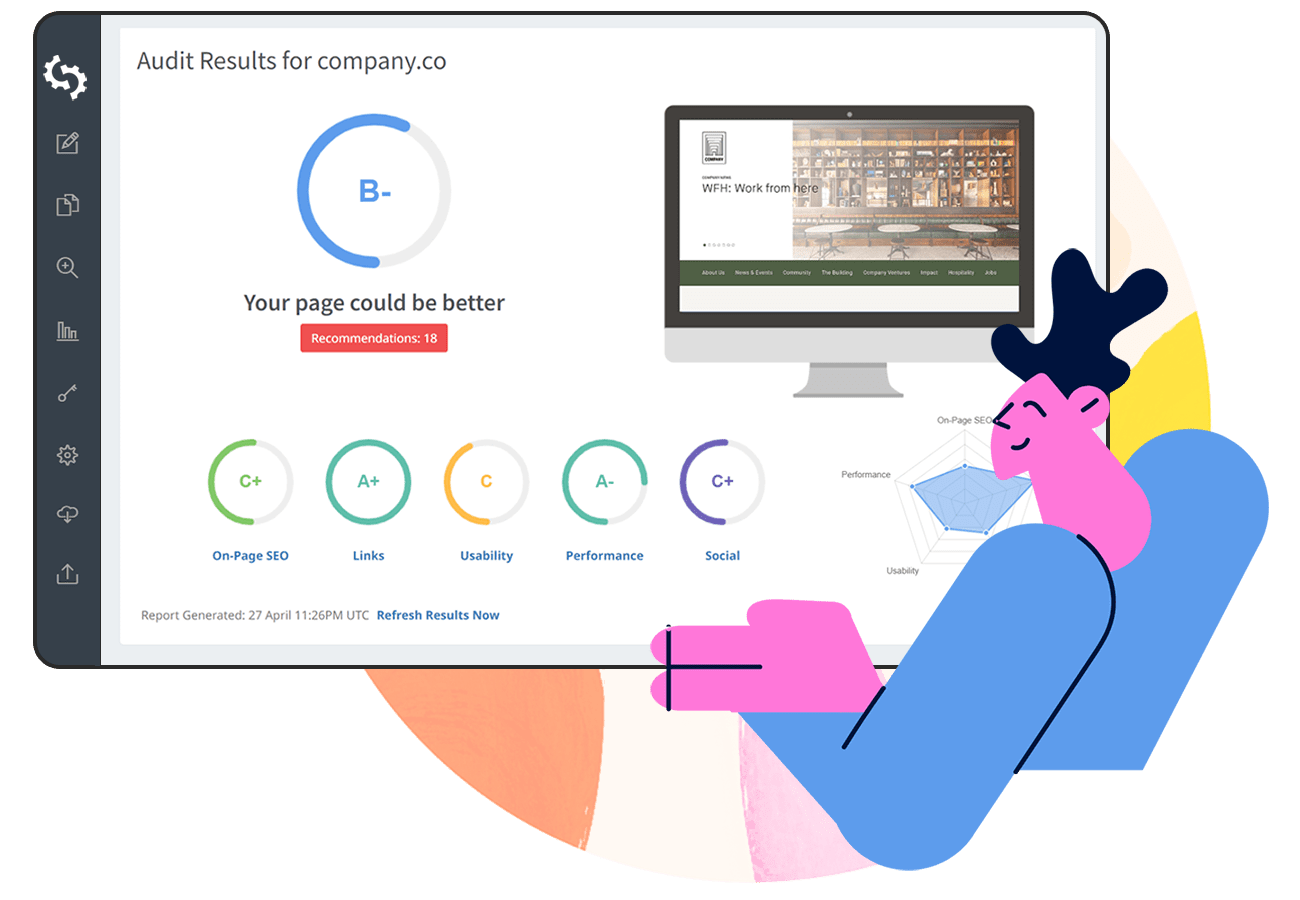
SEOptimer is the ideal solution for measuring the success of your SaaS SEO strategy.
Our comprehensive SEO toolkit includes a Keyword Tracking tool for marketers to keep an eye on their ranking changes over time. You can easily set this up, and our tool can even keep track of rankings on other search engines like Bing.
Users also have the option to track rankings on both Desktop and Mobile devices, or both.
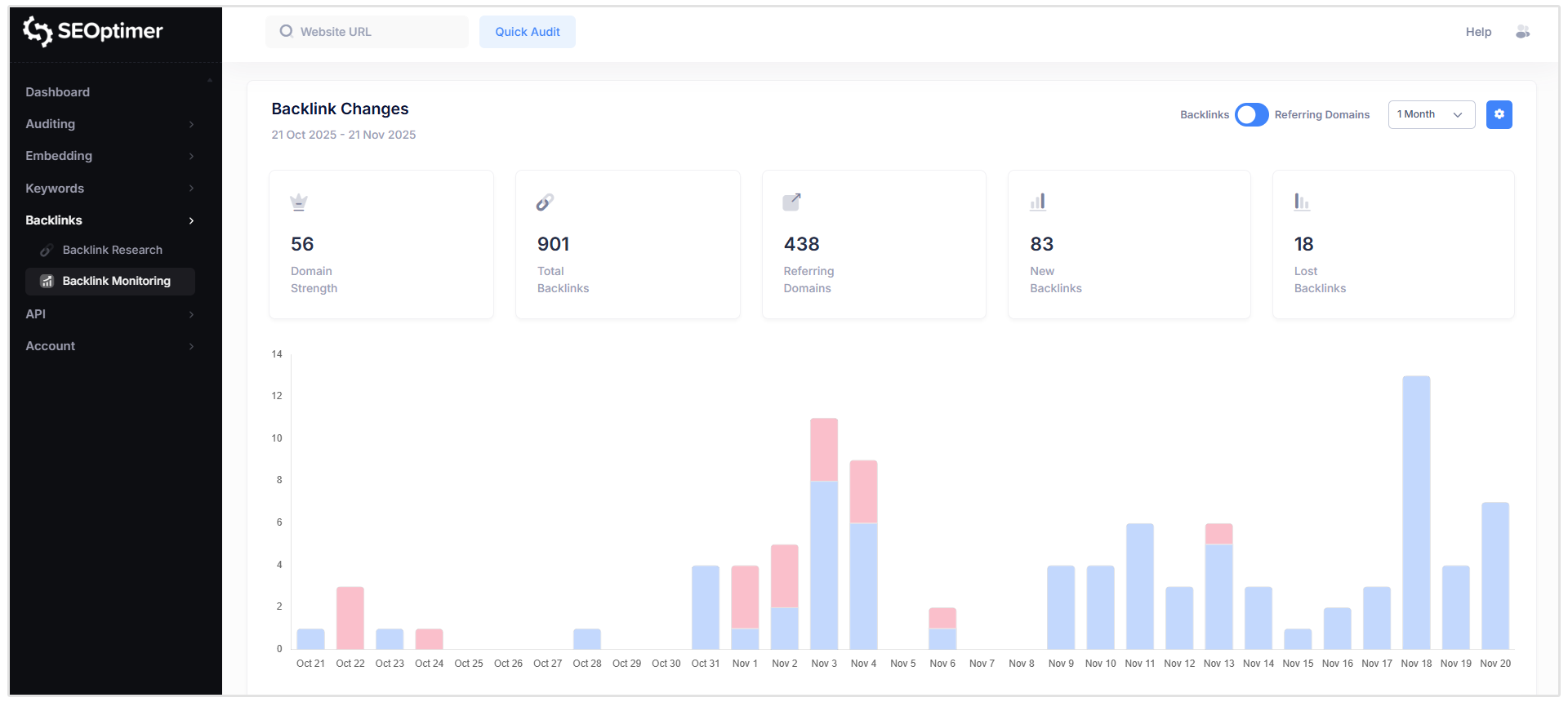
In addition to that, SEOptimer's Backlink Monitoring tool can be used to track the success of your link-building campaings. The tool automatically notifies users of new and lost links on a weekly basis.
You can visually see the changes to your link profile up to a year.
Emerging Trends in SaaS SEO
The world of SEO is always changing. Staying ahead of emerging trends can give you a significant competitive advantage.
Generative Engine Optimization (GEO)
With the rise of AI-powered search experiences like AI Overviews and tools like ChatGPT, the way users find information is shifting.
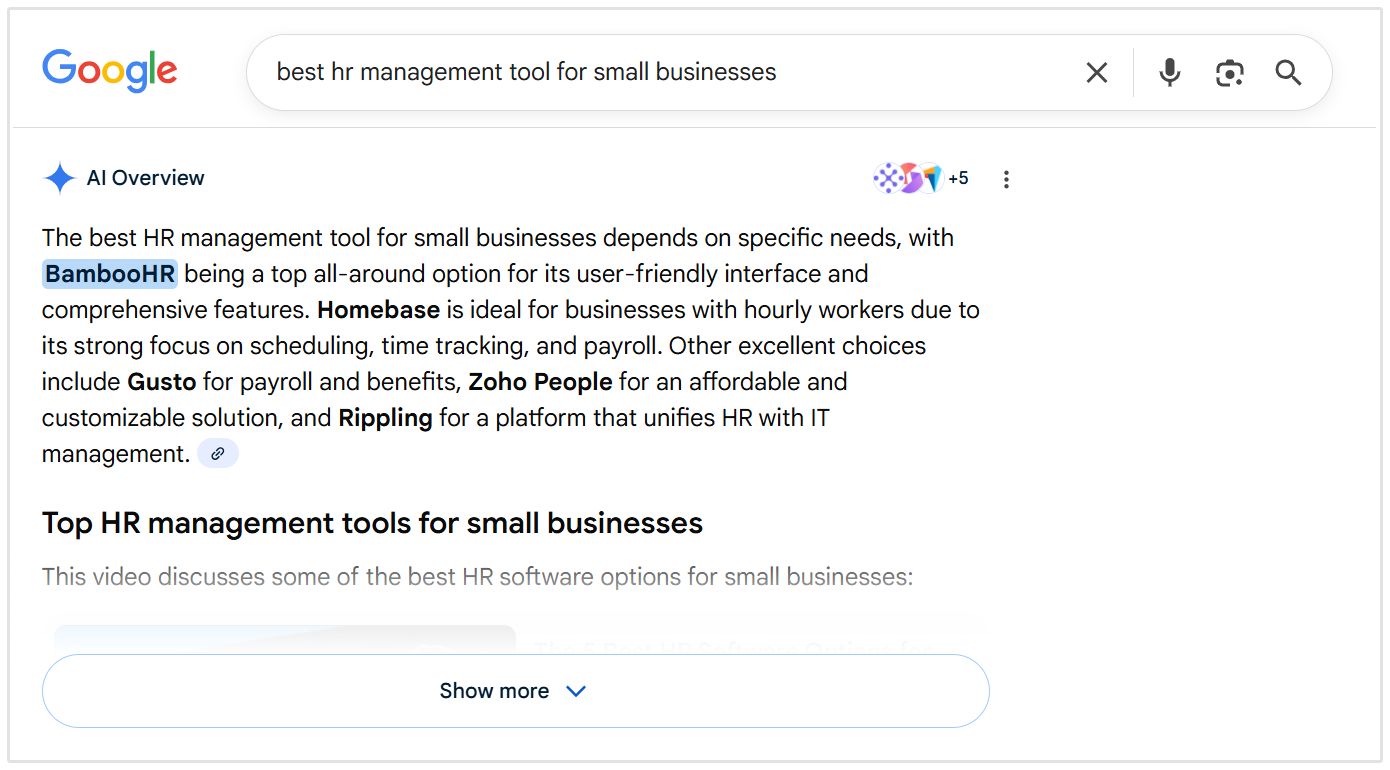
Generative Engine Optimization (GEO) involves optimizing your content, pages, and business info to appear in these AI-generated answers.
This means creating clear, concise, and authoritative content that directly answers user questions.
Related Reading: How to Rank in AI Overviews
Product-Led SEO
Product-led SEO is a strategy where the product itself becomes a primary driver of organic traffic.
This often involves creating free tools, templates, or resources that are part of the product and can be indexed by search engines.
These "marketing assets" attract users who can then be upsold to a paid plan.
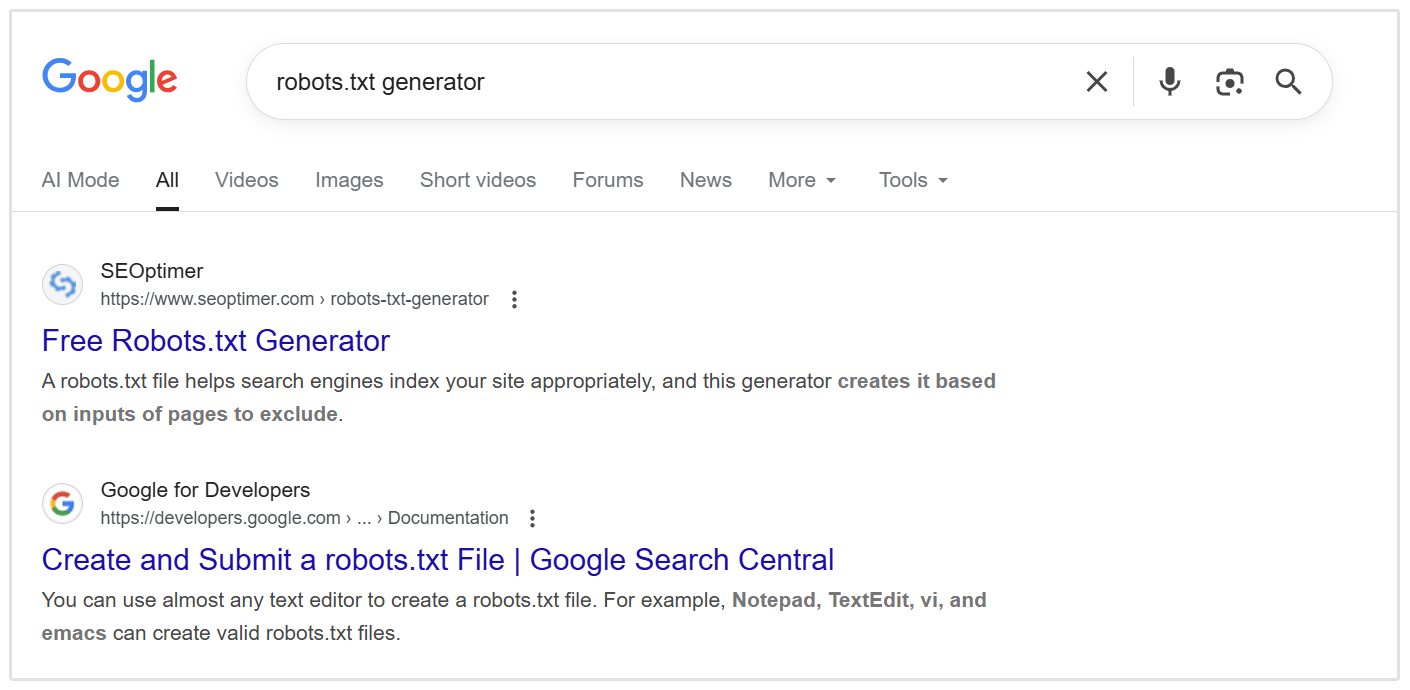
For instance in the case of SEOptimer, we’ve got an entire toolkit of free SEO tools.
These include:
- Meta Mescription Generator
- Robots.txt Generator
- Sitemap Generator
- Free AI writing tools
- Keyword Generator
Many of these tools are ranking in the top spot for their target keywords and as a result, have generated hundreds, if not thousands, of new leads and customer signups for SEOptimer.
Common SaaS SEO Mistakes to Avoid
Even with the best intentions, it's easy to make mistakes. Here are some common pitfalls to watch out for:
Ignoring Long-Tail Keywords
While high-volume keywords are attractive, long-tail keywords (longer, more specific phrases) often have higher conversion rates and lower competition. Don't neglect them.
Examples of these in SaaS include:
- affordable seo tools for marketing agencies
- best project management software for remote teams
- tools to track social media engagement
- crm systems for real estate teams
Neglecting Technical SEO
Many SaaS companies focus entirely on content and forget about the technical foundation.
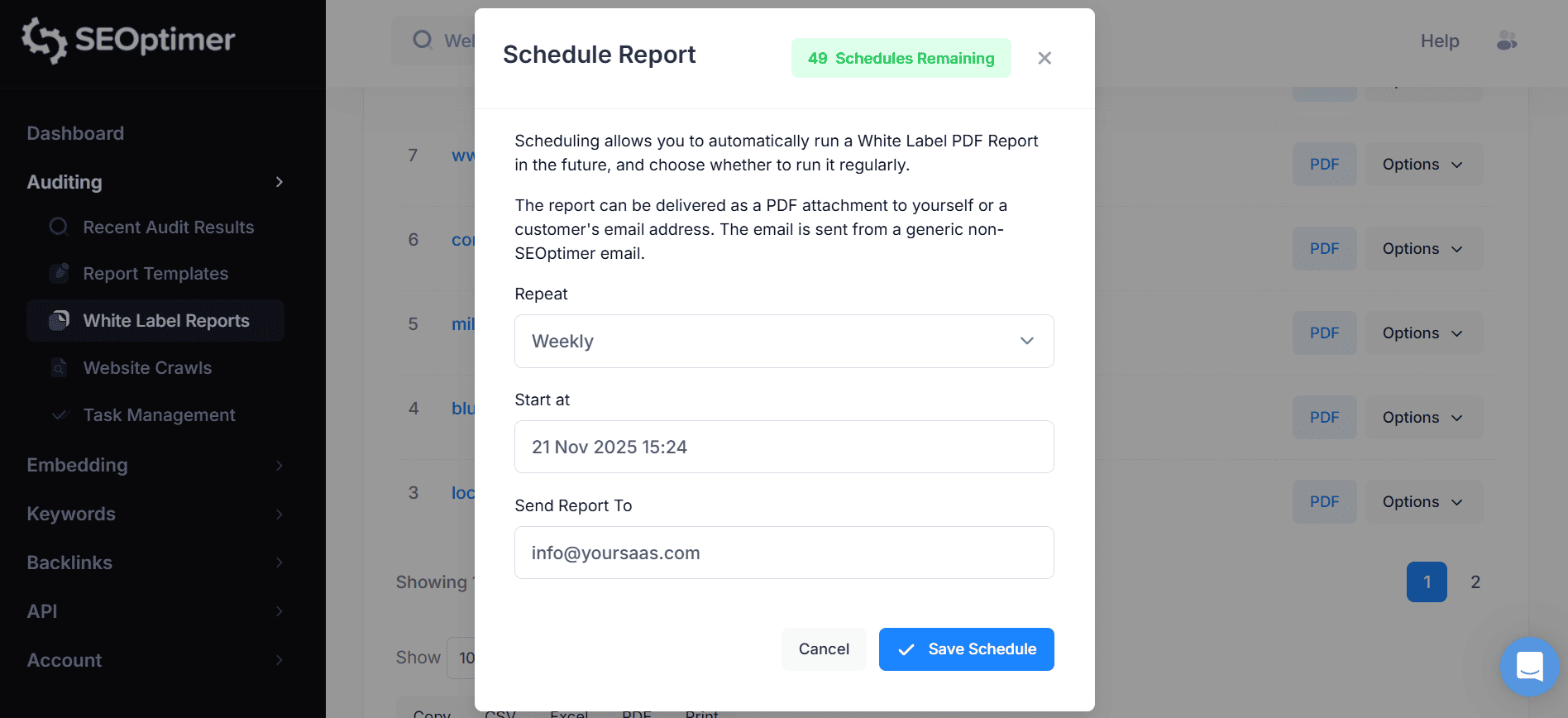
Scheduled site audits are essential to catch issues that could be holding you back.
Luckily, with SEOptimer it's very easy to schedule reports to run on a weekly or monthly interval.
Taking Shortcuts with Weak Link Building
Building a handful of low-quality links won't move the needle.
A successful SaaS SEO strategy requires a sustained, strategic approach to acquiring authoritative backlinks.
Conclusion
SaaS SEO is a long-term game that requires patience, persistence, and a strategic approach. By understanding your buyer's journey, building a comprehensive keyword and content strategy, and executing on technical SEO and link building, you can create a powerful engine for sustainable organic growth.
Don't let the complexity hold you back. Start with the fundamentals, measure your results, and continuously refine your approach. The effort you invest today will pay compounding dividends for years to come.