


Key Takeaways
- Reciprocal links aren’t inherently bad for SEO.
- Problems arise when link exchanges become excessive or irrelevant.
- Relevance and quality matter more than the link itself.
- Keep reciprocal links a small part of your overall strategy.
Are reciprocal links good for SEO? At first glance, they seem like a simple win: you link to me, and I’ll link to you.
We all know backlinks are influential SEO factors that you need to rank higher in Google and other search engines.
But the truth is, not all backlinks are the same.
Backlinks are crucial for ranking higher on Google, but building high-quality links is one of SEO’s biggest challenges. While it’s easy to get links from low-quality sites, these do little to improve your rankings.
To boost your SEO, you need backlinks from authoritative, relevant sites.
But is reciprocal linking the right strategy?
In this blog post, we will look at reciprocal linking for SEO, we'll answer the commonly asked question "Are reciprocal links good or bad for SEO?"
And by the end of this post, we'll show you how to do reciprocal linking the right way, without getting penalized by Google.
What are Reciprocal Links in SEO?
A reciprocal link occurs when two websites agree to link to one another. It is a mutual agreement: Site A links to Site B, and Site B links back to Site A.
In the context of search engine optimization (SEO), this creates a direct relationship between two domains.
Reciprocal links SEO strategies are often compared to a "barter system" for the web. Instead of earning a link purely through merit or high-quality content, you "pay" for a link by providing one in return.
However, not all reciprocal links are planned. Many just happen naturally.
How do Reciprocal Links Work in Practice?
To understand if these links are helpful or harmful, you have to look at how they are created.
There are generally two ways this happens:
- Naturally
- Manual outreach
1. Natural Reciprocity
This is the organic byproduct of creating great content.
Imagine you write a comprehensive guide on "Best Coffee Beans."
You link to a specific roaster because you genuinely like their product. A month later, that roaster writes a blog post about "Coffee Blogs You Should Read" and links back to you.
This is highly beneficial. It shows search engines that your site is part of a relevant community.
Here's another example of reciprocal linking from our website, SEOptimer.com.
Shopify recently published a blog post on "28 Free SEO Tools" and our Backlink Checker tool was featured along with a link back to our page.
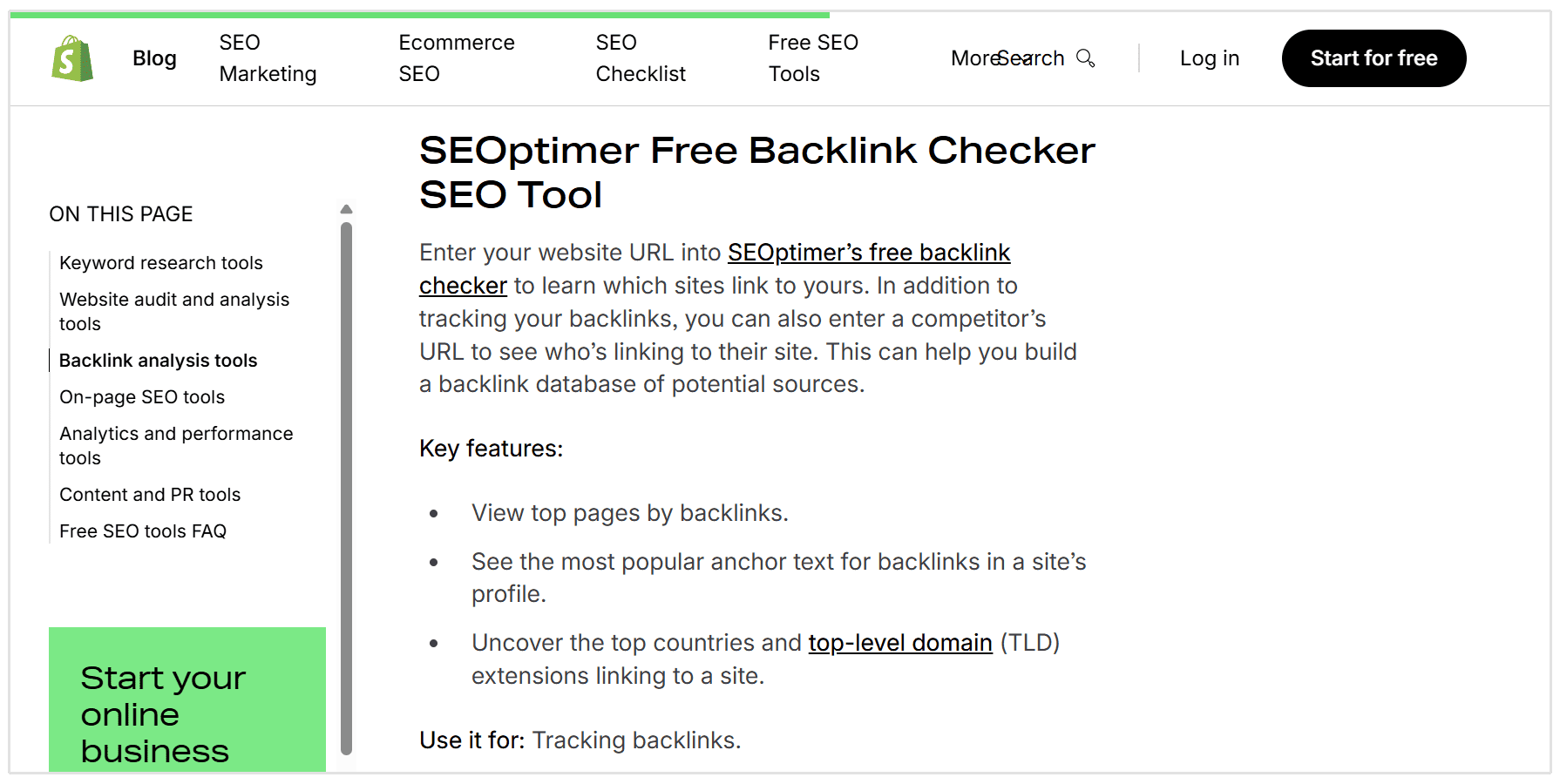
And on the SEOptimer blog, we featured Shopify in our blog post on "7 Best Content Management Systems (CMS) for SEO" with a link back to Shopify's homepage.
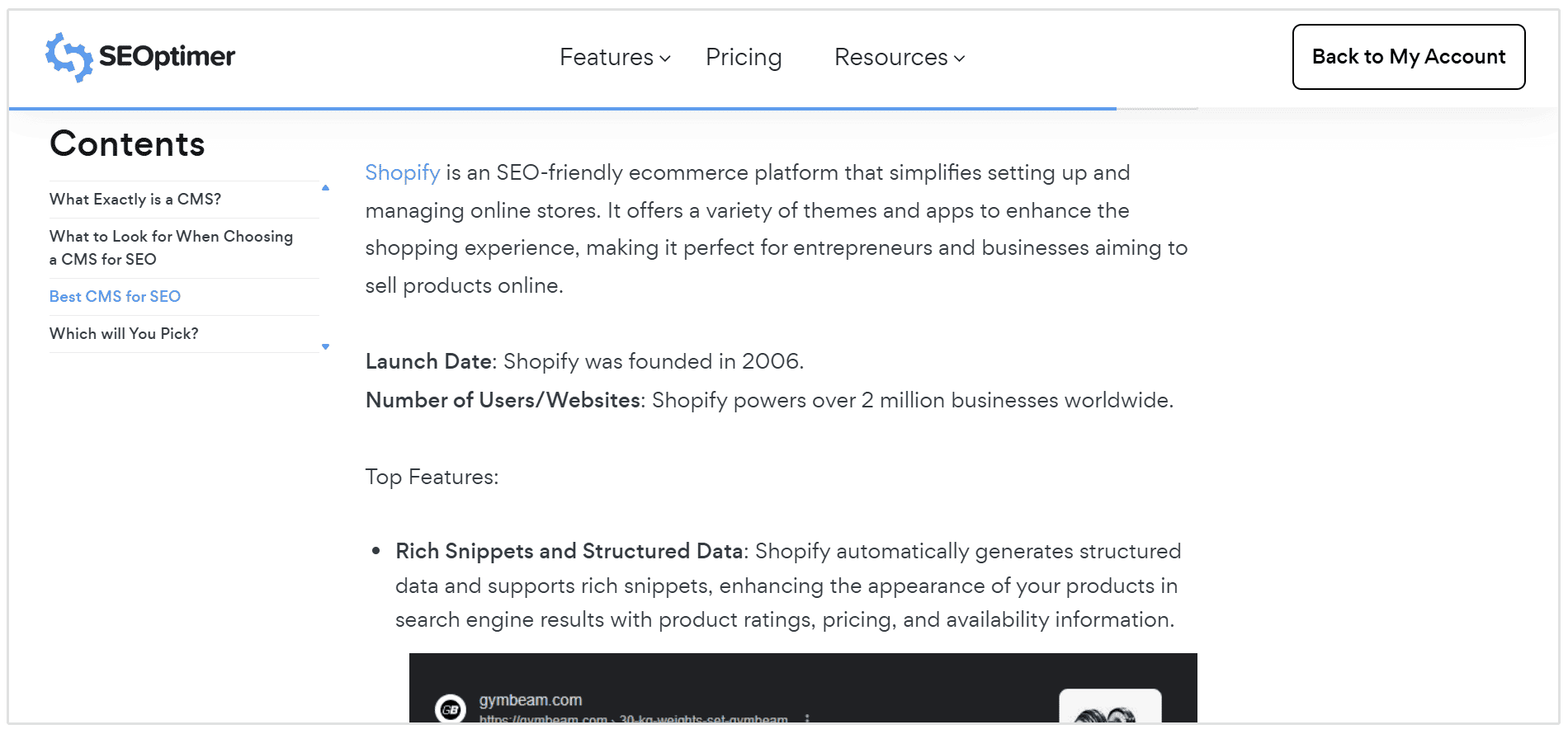
So technically, this is a form of reciprocal linking even though we didn’t have a mutual agreement to exchange links.
However, Rich Stivala, CEO and Founder of worldwideRICHES, agrees that reciprocal linking is bound to happen between partners.
Google understands that some reciprocal linking is natural. Legitimate businesses, partners, and publishers in related industries will reference each other organically, and that alone does not trigger penalties.
- Rich Stivala, CEO and Founder at worldwideRICHES Web Design and SEO
2. Manual Link Exchanges
This is a deliberate strategy to manipulate metrics.
This is how this could play off:
You join a Facebook group for bloggers. You post a message saying, "Let’s swap links! DM me."
You link to a gardening site, a crypto site, and a pet food site (none of which are relevant to your business) just to get a link back.
This is risky link building. It creates a footprint that search engines can easily detect as unnatural.
Are Reciprocal Links Good for SEO?
Yes, but only in moderation.
There is a misconception that Google instantly penalizes any site that links back to a site that linked to them.
If this were true, the internet would stop functioning. The web is built on interconnectivity.
When do Reciprocal Links Become Manipulative?
Google’s Spam Policies are very clear about what they consider Link Spam.
They explicitly list "Excessive link exchanges ('Link to me and I'll link to you') or partner pages exclusively for the sake of cross-linking" as a violation of their guidelines.
The keyword here is excessive.
If 90% of your backlink profile consists of people you have linked back to, it looks suspicious.
It signals to Google that your content isn't earning links on its own merit, but rather through deals and trades.
Reciprocal Linking Best Practices
If you are going to engage in link exchanges, or simply want to ensure your natural linking structure is safe, follow these best practices.
Ensure the Link is Relevant Enough
Relevance is the most critical factor in modern SEO.
If you run a digital marketing agency, swapping links with a graphic design software company makes sense.
Your audiences overlap, and the content is likely useful to readers of both sites.
Stick to partners in adjacent industries so the link provides actual value to the reader.
- Keran Smith, Co-Founder and Chief Marketing Officer at LYFE Marketing
Before accepting a link exchange, ask yourself: Will my readers actually find value in clicking this link? If the answer is no, don't do it.
Does the Link Have Good SEO Value?
Not all links have the same SEO value.
A reciprocal link from a brand-new site with zero authority offers you very little value, whereas a link from an established industry leader is gold.
You need to verify the quality of the partner site.
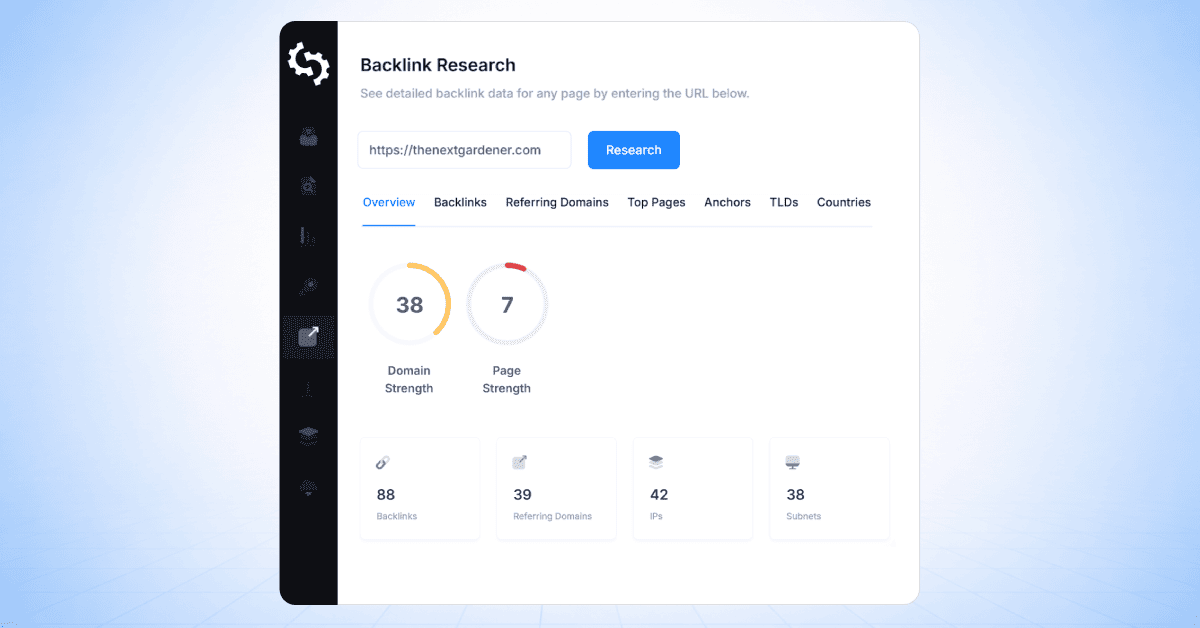
You can use SEOptimer's Backlink Research tool to instantly check the domain strength and traffic of any site you are considering linking to.
For instance, the below screenshot shows the backlink profile for HubSpot.
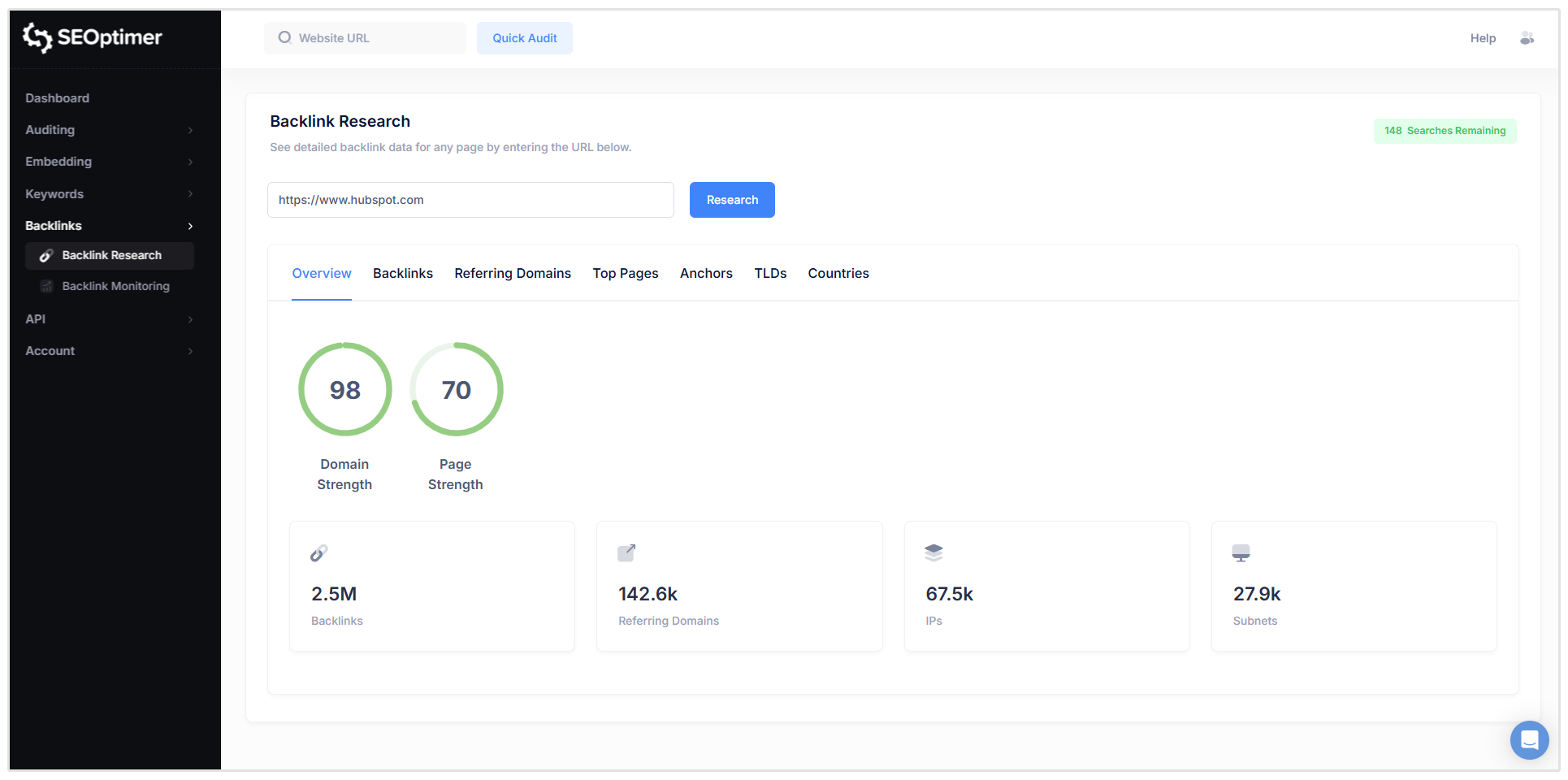
As you can see HubSpot has some very strong domain metrics (Domain Strength and Page Strength).
So, if you had a blog or business in B2B marketing or consulting, a link from them would be golden even if you already linked to them from a page on your website.
If the site looks spammy or has a history of toxic backlinks, avoid associating your site with it.
One of the biggest tips I can give to people looking to use reciprocal links without getting flagged is using an SEO tool and vetting the site you’re looking to exchange with beforehand.
If they either have: traffic all going to one page, traffic irrelevant to the site’s niche, or very volatile traffic; then it’s a red flag that Google won’t like your link.
- Will Gryba, Outreach Specialist at Quirky Digital
Don’t do Too Much Reciprocal Linking
While there is no magic number, you want to keep your reciprocity ratio low.
If you link out to 100 sites, and 80 of them link back to you, that is a massive red flag.
Aim to keep reciprocal links as a small percentage of your overall link profile. The majority of your backlinks should be one-way links earned through high-quality content.
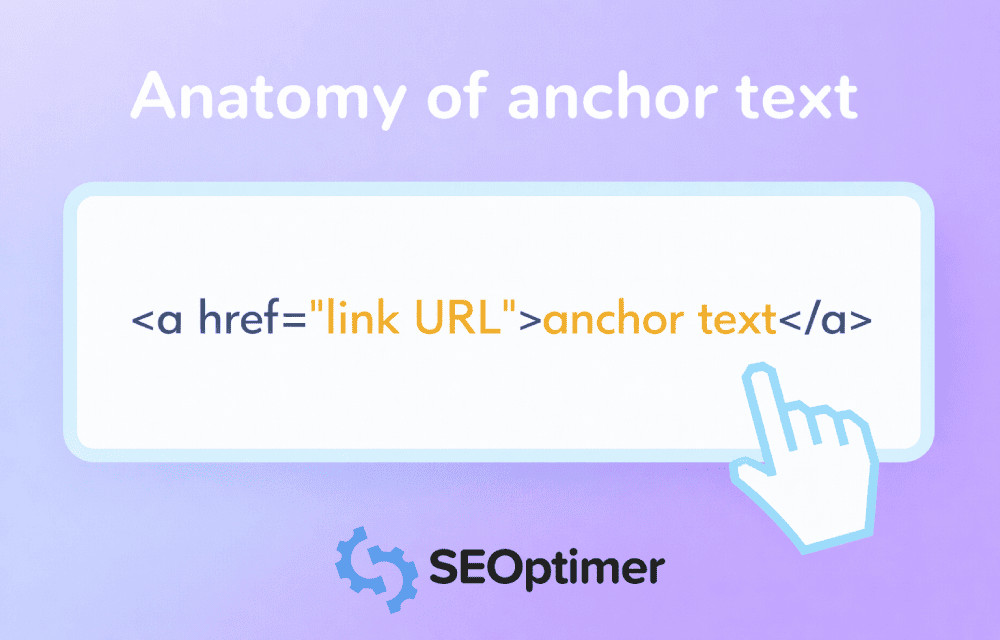
Use Unique Anchor Text
When exchanging links, do not use exact match anchor text repeatedly.
If you and a partner agree to swap links, ask them to link to you using your brand name or a natural phrase, rather than a specific keyword you are trying to rank for.
Natural link profiles contain a variety of anchor text.
The Best Alternative to Reciprocal Links
If you are worried about the risks of reciprocal links SEO, there are safer ways to build authority.
1. Just Create Great Content
The safest and most effective strategy is to create content that people want to link to.
Original data studies, infographics, and free tools are link magnets.
They generate one-way backlinks because they provide unique value that cannot be found elsewhere.
2. The 3-Way Link Exchange
This is a more sophisticated version of the link swap that is harder for algorithms to detect as a link scheme, though it still requires caution.
- Site A links to Site B.
- Site B links to Site C (which is owned by the owner of Site A).
This breaks the direct loop. However, this should still only be done if the content is relevant.
3. Guest Posting
Writing a high-quality article for another website in your niche allows you to earn a backlink naturally.
This provides value to the host site (free content) and value to you (a backlink), without requiring a direct reciprocal link on your own site.
How to Monitor Reciprocal Links
To maintain a healthy website, you need to know exactly who is linking to you and if those links are safe.
You cannot manage what you do not measure.
Check Your Backlink Profile
Use SEOptimer's Backlink Research tool to view your current link profile.
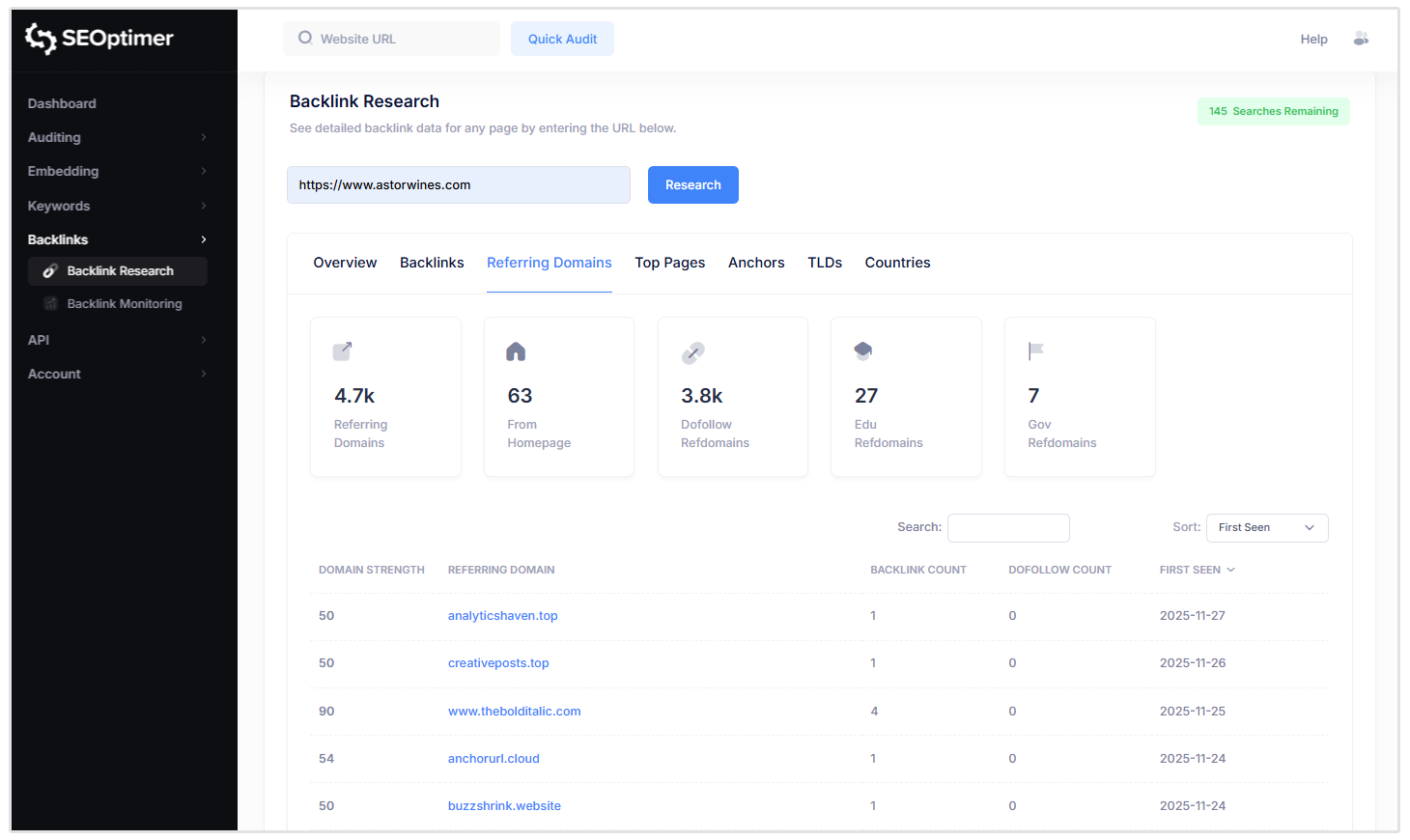
This tool allows you to:
- See every website linking to you.
- Identify high-quality partners versus spammy sites.
- Analyze the anchor text used to link to your site.
Monitor Changes Over Time
Like with most things in SEO, link building is not a set it and forget it task. You might exchange a link with a reputable site today, but if that site changes ownership or gets hacked next year, that link could become toxic.
The SEOptimer Backlink Monitoring Tool is essential for this.
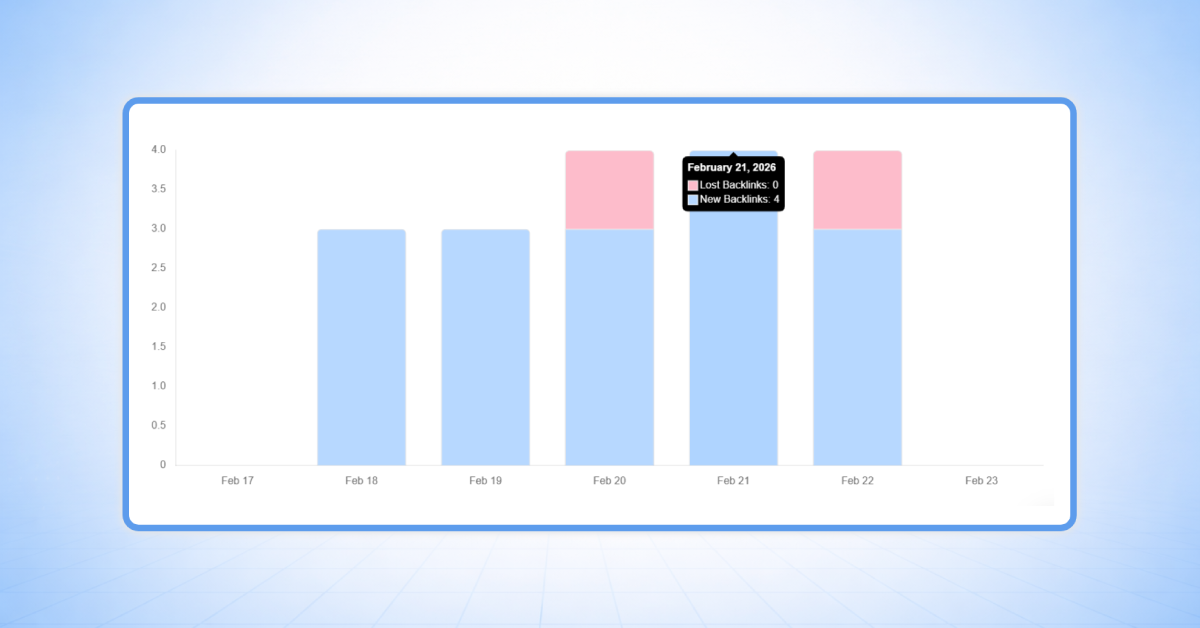
It tracks your profile over time and sends you alerts on new and lost links.
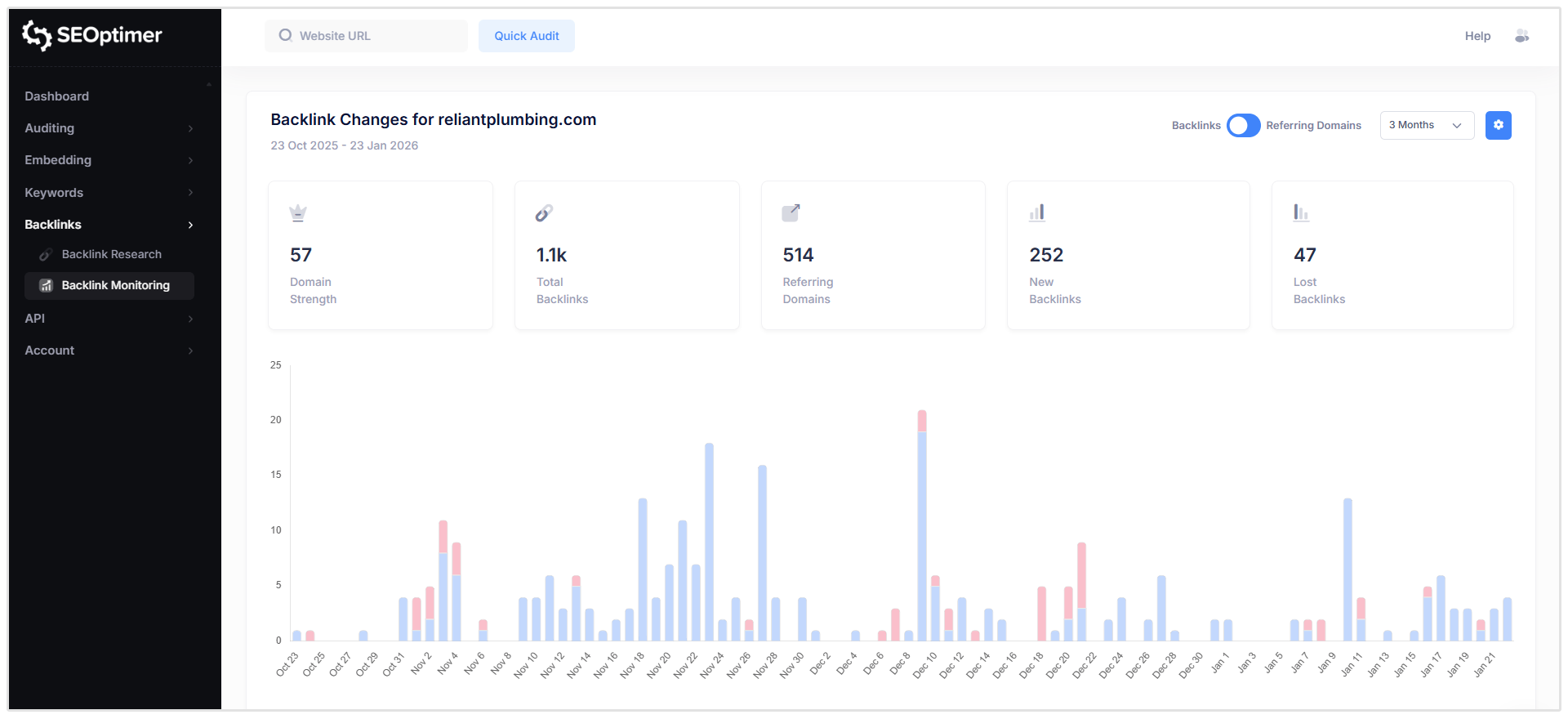
This helps you:
- Spot Lost Links: If a partner removes your link, you will know immediately and can reach out to fix it.
- Identify Negative SEO: If you suddenly gain hundreds of spammy reciprocal links that you didn't ask for, the monitoring tool will alert you so you can take action.
Reciprocal Links FAQ
Can reciprocal linking harm my website?
Yes, but only if done excessively or with irrelevant, low-quality sites. Google penalizes link schemes where the primary intent is to manipulate rankings rather than help users.
Should I avoid reciprocal linking entirely?
No. Natural reciprocal links are a normal part of the web. If you have a legitimate relationship with another business or valid reasons to reference each other, these links are safe and beneficial.
How many reciprocal links are too many?
There is no specific number provided by Google. However, industry studies suggest that if more than 40-50% of your link profile is reciprocal, you may be entering a high-risk zone. Aim to keep this ratio much lower.
Are reciprocal links considered link schemes?
They are only considered schemes if they are automated, excessive, or irrelevant. A handful of swapped links between partners is not a scheme; thousands of automated swaps are.
Should I disavow reciprocal links?
You should only use the Google Disavow tool if the links are spammy, toxic, or causing a manual penalty. Do not disavow a legitimate link just because it is reciprocal.
Conclusion
When used naturally to connect relevant content and helpful resources, reciprocal links build trust and authority.
But, when abused to artificially inflate rankings, they invite penalties.
The key to success is focusing on quality over quantity. Build relationships with real businesses, create content worth citing, and always prioritize the user experience over the algorithm.