

Every website owner wants to grow their traffic and improve organic performance. To do that, you should first know how people are visiting your website as there are differences between direct vs organic traffic.
Some users type your site URL directly, while others discover your brand by clicking through search engine results.
Knowing the differences between direct and organic traffic helps you optimize for the channels that drive high-converting visitors to your domain.
In this article, I will explain what direct and organic visitors mean, share real examples of each traffic source, and help you decide which traffic channel brings better opportunities for your website.
Difference between Direct vs Organic Traffic
The table below shares the primary differences between direct and organic traffic sources:
| Direct Traffic | Organic Traffic |
|---|---|
| Direct traffic comes from users who type your website URL directly into the browser or click a saved bookmark. | Organic traffic comes from users who click on your website through unpaid results in search engines. |
| People visiting your website directly show clear brand recognition and visitor intent. | Organic visits capture visits from different stages of the buyer journey, so users visiting your website might know or not know your brand. |
| No referral or search engine is involved in direct traffic. | Search engines are the primary source of organic traffic, which brings in traffic from different search queries. |
| Tracking direct visits provides limited attribution data. | Organic traffic offers detailed insights into keywords, queries, and user behavior. |
| Direct traffic increases through brand loyalty, offline campaigns, or direct outreach. | Organic traffic increases through content optimization, technical SEO, and link building. |
Types of Traffic Sources
Here are the top types of traffic sources for any website:
Paid
Paid traffic is the result of running paid ad campaigns containing high commercial intent keywords.
These ads can be run on platforms like Google Ads, Meta Ads, YouTube, Twitter, and programmatic display networks.
Traffic is generated by targeting users through keywords, interests, locations, and behaviors. You control when the ads run, what message is delivered, and who sees it.
For example, if I run a hotel business in Cape Town, I can run paid ads on search engines like Google to get qualified traffic to my website. Here is an example of a paid ad in action:
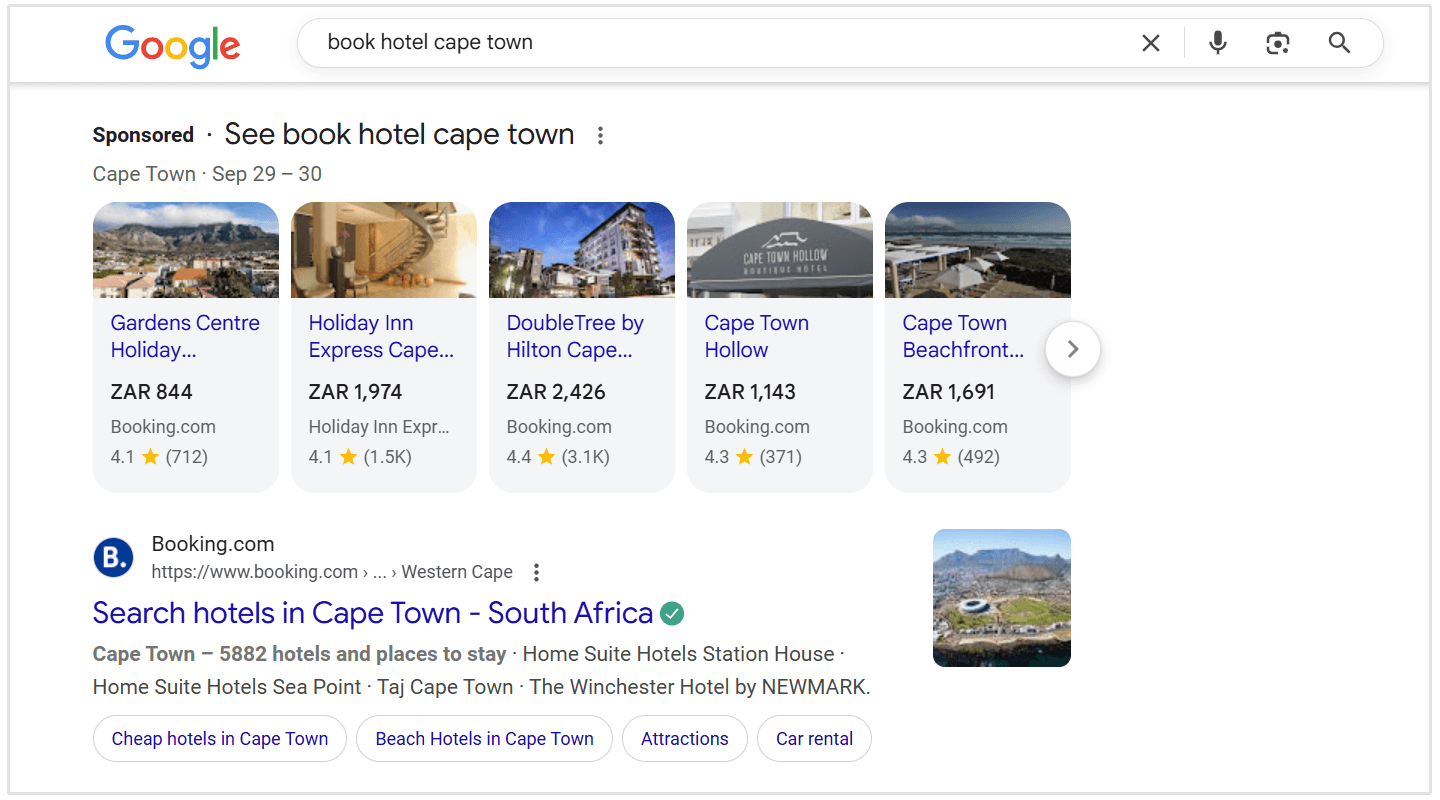
The main advantage of paid traffic is speed.
You can drive thousands of visitors to your website within hours. It gives full control over exposure, timing, and audience.
Paid traffic also helps with split testing landing pages, validating offers, and capturing leads quickly. It plays a major role in remarketing strategies, as you can bring back previous visitors using targeted messages.
The disadvantage is that paid traffic is temporary.
Once the budget ends, incoming users disappear. It also brings in users who may not have long-term intent unless you build a funnel to guide them.
In competitive industries, the cost per click can be very high, and results depend on how well campaigns are structured and maintained.
Poor targeting or weak ad creatives lead to low returns and ineffective performance.
Direct
Direct traffic refers to users visiting your website by entering the URL into the browser or clicking a saved link. No external source is involved.
Traffic arrives without a referral path, making it a clear signal of brand recognition or prior interaction.
Direct traffic reflects users' direct intent to access a specific website.
Direct traffic results from offline marketing, print materials, TV campaigns, or previous visits.
For example, I use team management software to manage my work, and Trello is my preferred tool.
So, I will directly enter the website in my browser’s search bar and visit it as often as I need to. That’s an example of direct traffic.
People visiting ecommerce platforms like Amazon or eBay directly to shop online are also good examples of direct traffic.
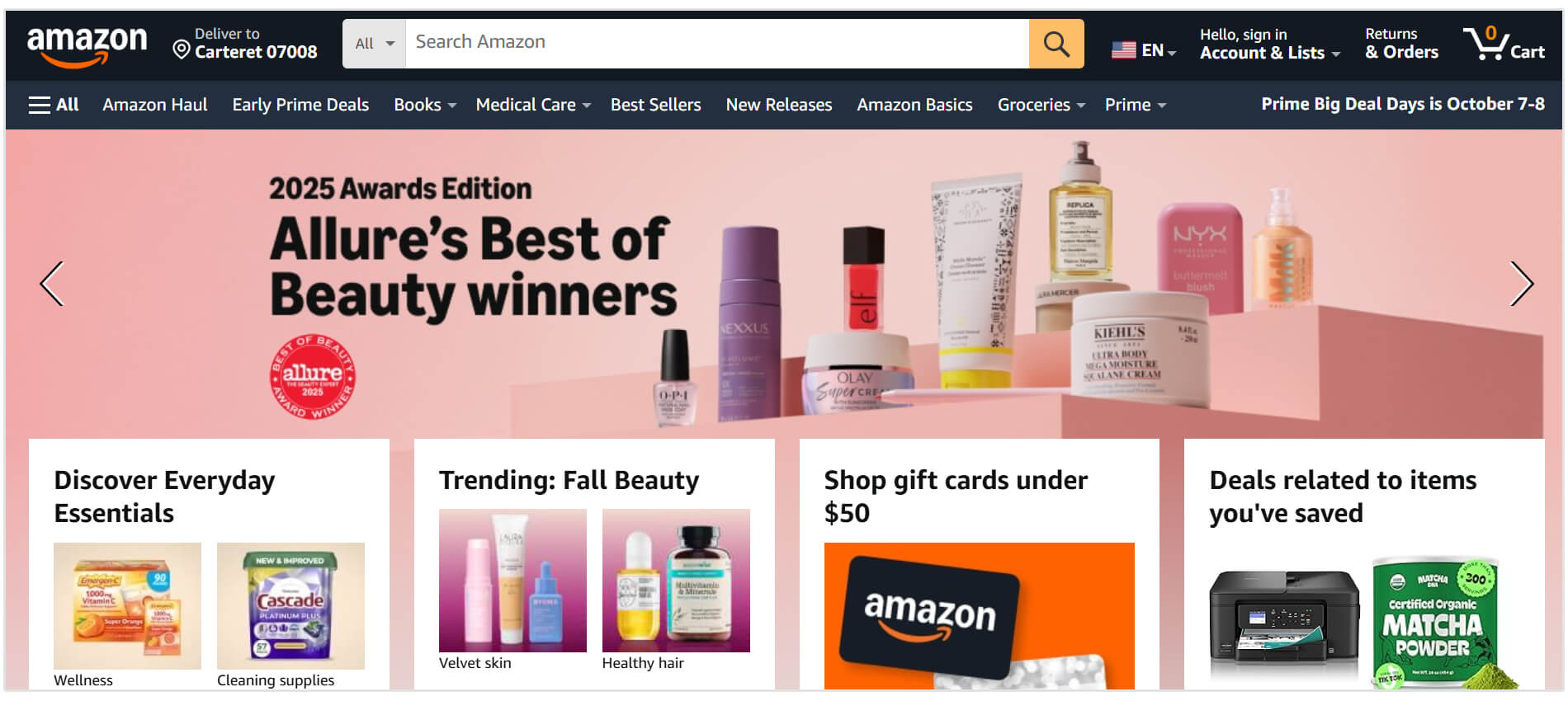
Direct traffic reflects high intent.
Users reaching your website through direct channels engage deeply, view multiple pages, and show stronger conversion behavior. Repeat visits and familiarity with your website indicate meaningful brand presence.
One disadvantage of direct traffic is inaccurate attribution.
Analytics tools group all visits without a defined source under direct traffic. Untracked links from apps, documents, or internal platforms are included in this category.
Data can become unreliable without proper tagging.
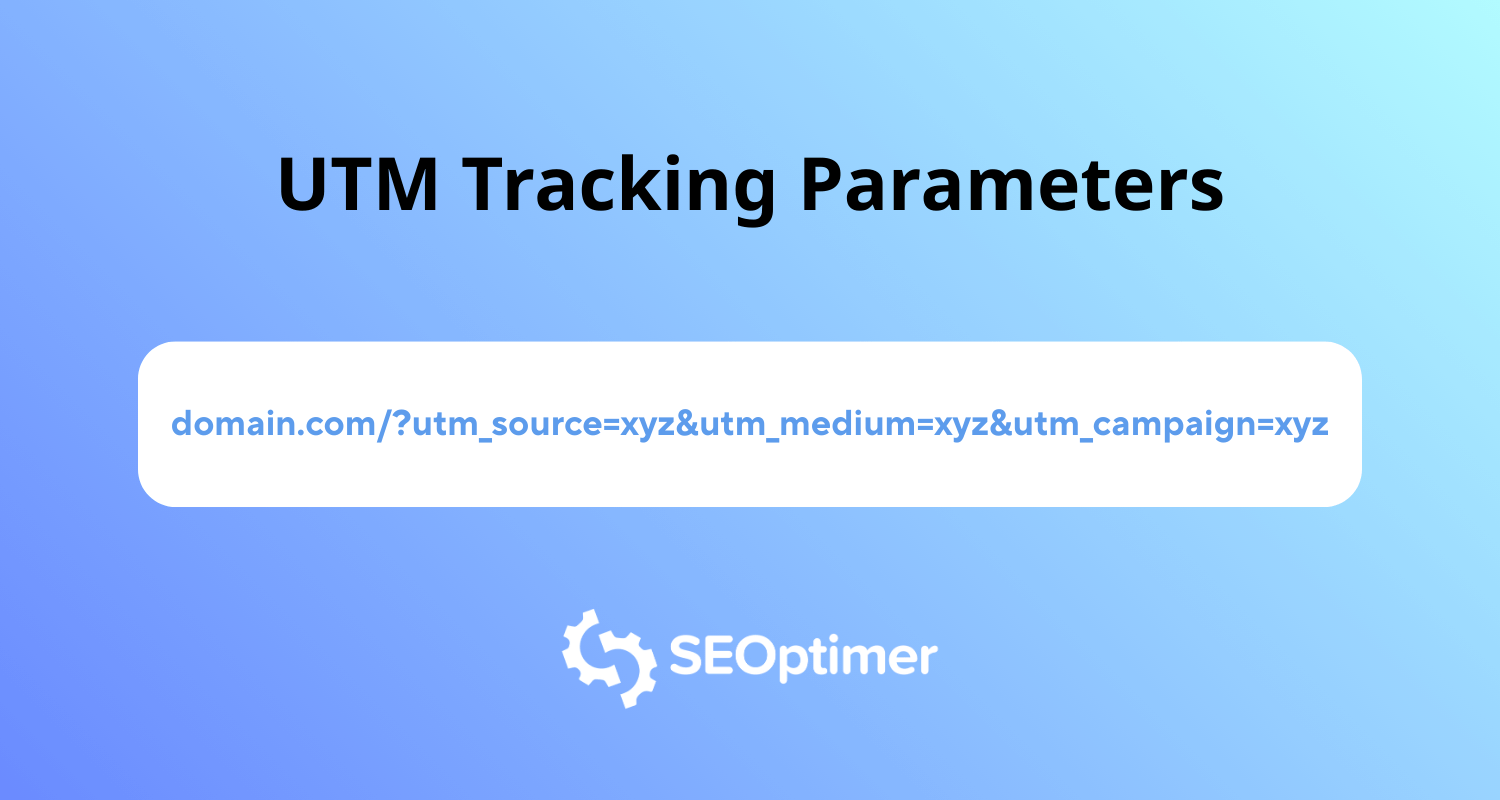
Hence, to ensure the traffic is marked accurately as direct, you should use URL tracking parameters and structured campaign labeling across all marketing activities.
Organic
Search engine traffic that lands on your website without paid promotion is called organic traffic.
Users arrive by clicking links that appear in search results based on relevance, authority, and content depth.
No payment is involved in ranking, and visibility depends entirely on how well your website answers the user’s query.
For example, if I type in ‘SEO audit tool’ in Google, SEOptimer ranks at the top.
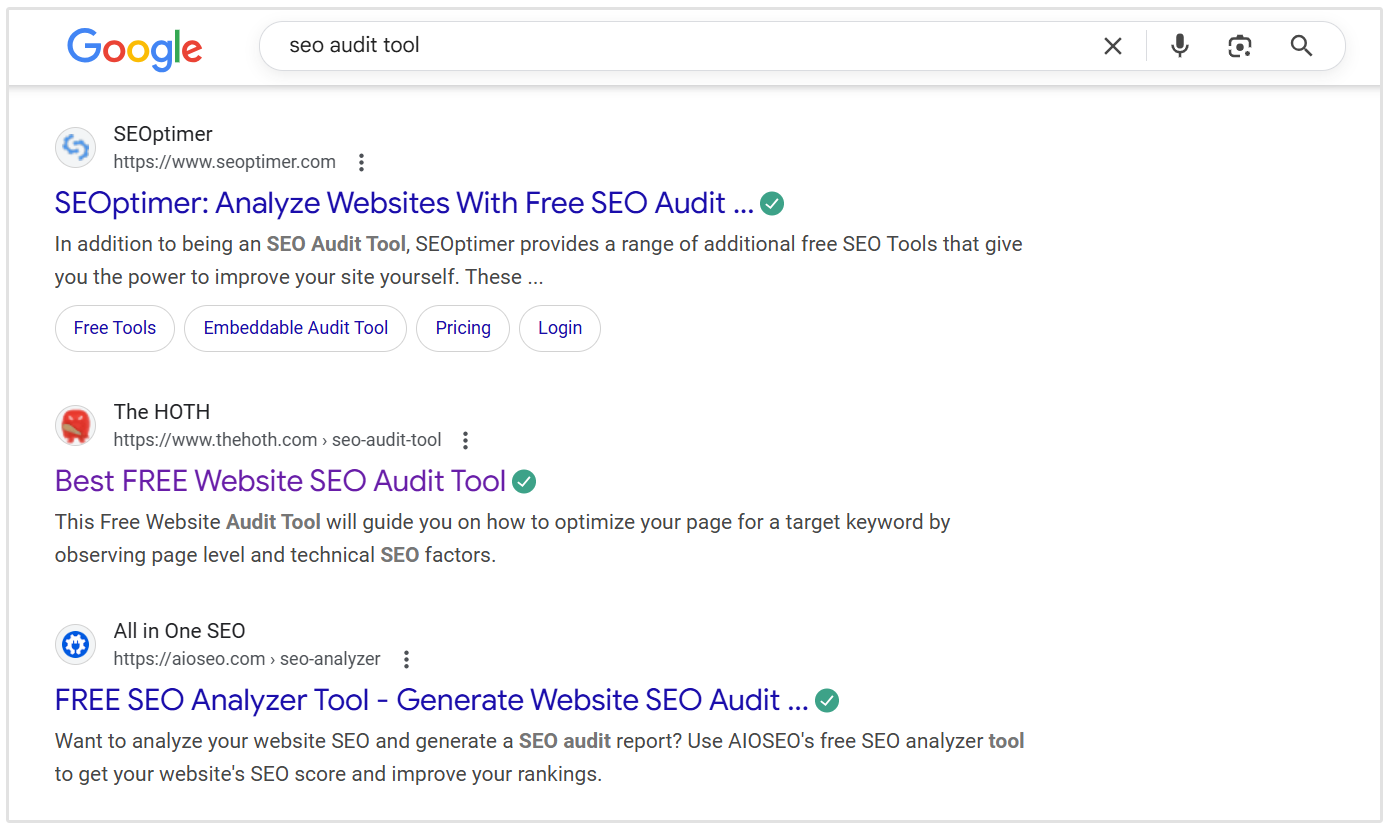
People searching for an SEO audit tool will find SEOptimer via Google because it ranks in the first position on Google organically.
Qualified users come through organic search because they are looking for information, services, or solutions.
Not only that, organic traffic is an essential traffic source for online success seeing as most website traffic comes from organic search.
About 53% of all website traffic comes from organic search.
- Garry Grant, Founder of SEO.inc
Since users visit your website out of genuine interest, website engagement metrics show longer sessions and higher conversion rates.
Referral
Referral traffic comes from users who visit your website by clicking links on other websites.
These links can appear in blog articles, news features, directories, press releases, or partner pages.
The source website acts as a gateway, passing traffic without the involvement of a search engine or direct access.
For example, PCMag lists the top VPN providers for 2025 containing affiliate links to different VPN services.
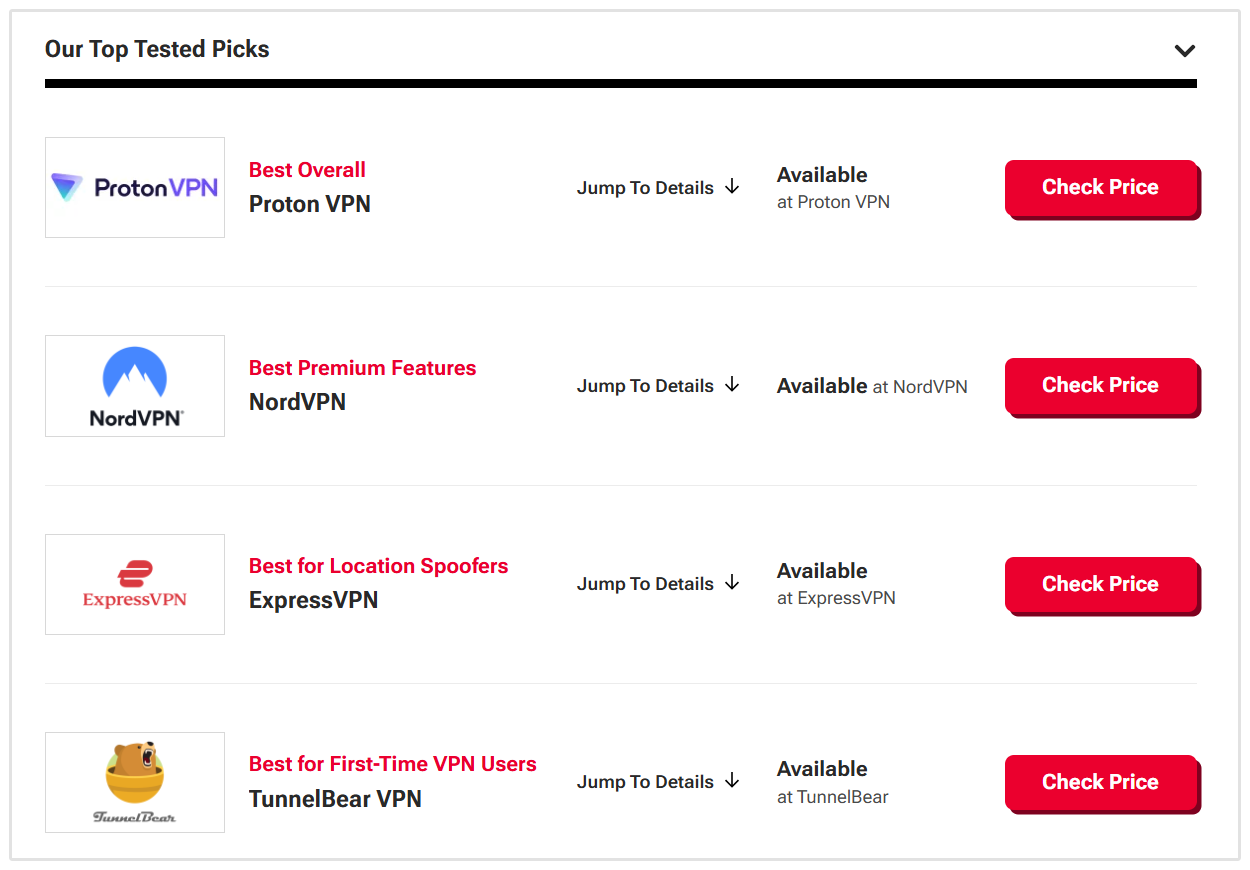
Traffic to these services will be counted as a referral via PCMag.
The quality of referral traffic depends on the relevance and trustworthiness of the linking site. Low-quality sources can bring unengaged visitors or inflate analytics data.
Referral spikes can also result from promotional events, earned media, or temporary mentions, making consistency difficult.
To improve referral traffic, you should attract meaningful partnerships, publish guest content on niche platforms, and acquire mentions from authoritative publishers within your industry.
Social
Social traffic brings users to your website from platforms like Facebook, LinkedIn, Twitter, Instagram, YouTube, and other social media channels.
Users coming to your site via social media click your website links in posts, profiles, or stories.
Traffic can come from both unpaid posts and paid social campaigns, depending on how you promote your content.
Here is an example of a Facebook ad driving qualified traffic to the main website:

Source: AdEspresso
Traffic from social platforms is not always consistent.
Algorithms, audience preferences, and timing all influence what gets seen. If your content does not perform well or your activity drops, traffic can fall quickly.
To acquire more social visitors, you should publish content that fits each platform, stay active, and respond to comments.
Social traffic rewards creativity, responsiveness, and relevance, making it one of the most dynamic ways to grow your website traffic.
Email visits happen when people click a link to your website from an email campaign.
Visits from email are high-quality because they bring in users who are a part of your email list. Also, traffic from email is trackable, and you can see how each campaign performs.
For instance, the email below from Elegant Themes captures the attention of their email subscribers and brings them back to the main site.
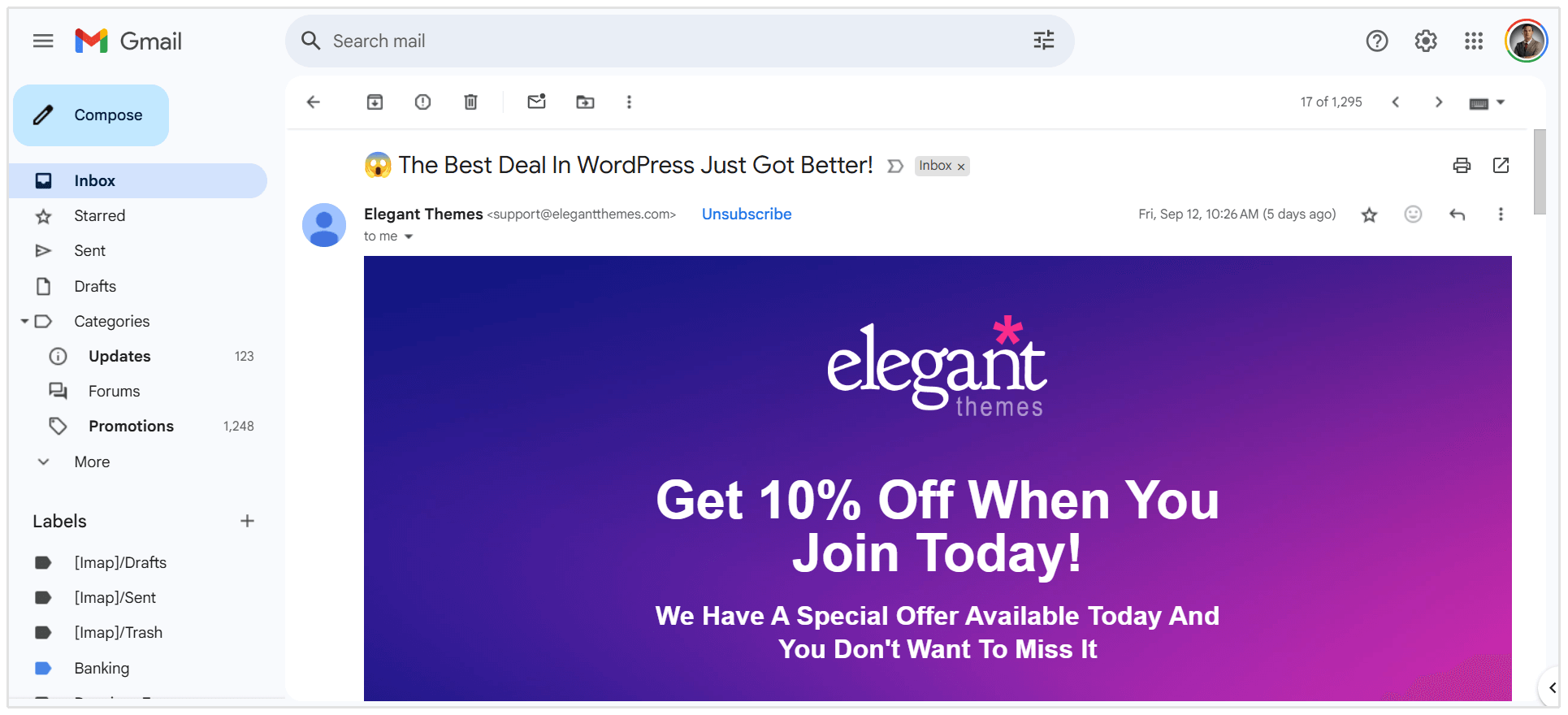
Different emails like these containing offers and the latest product collections can be sent to acquire more traffic.
Email traffic is one of the most valuable sources because it lets you connect with a known audience.
According to research from McKinsey and Co., email is 40 times more effective at acquiring customers than Facebook and Twitter combined.
Visitors from email are more likely to take action, engage with offers, or return for updates.
A well-timed and intent-driven message can drive consistent visits, increase conversions, and support customer retention.
Unlike social or search channels, you can control delivery, timing, and content when sending emails.
Sources of Direct Traffic
Here are the top sources of direct traffic:
- Manually typing your website URL into a browser.
- Clicking a saved link or browser shortcut.
- Accessing your website from a desktop or mobile app.
- Visiting from untagged links in email newsletters or campaigns.
- Clicking links within offline files like PDFs, Word documents, or PowerPoint presentations.
- Visits from QR codes or print advertisements without tracking parameters.
- Users coming to your site from messaging apps that strip referral information.
- Links in secure portals or intranet systems that do not pass referral data.
- Returning visits from previously cached sessions.
- Campaigns with missing or incorrect UTM tracking codes.
How do I Get More Direct Traffic?
Here are the best ways to acquire direct visits to your website:
- Run offline campaigns using branded short URLs that users can remember and type directly into browsers.
- Develop proprietary tools, dashboards, or resources hosted on your domain that users return to frequently.
- Create private content hubs or member-only areas accessible through direct navigation only.
- Use vanity domains in podcasts, interviews, or live events and redirect them to key pages on your website.
- Place QR codes on physical media that resolve to clean branded URLs with no visible tracking parameters.
- Print domain names on packaging, receipts, event materials, or merchandise with incentives to visit directly.
- Send browser push notifications that lead to direct visits by bypassing referral headers entirely.
Sources of Organic Traffic
Below are common sources of organic traffic:
- Google, Bing, Yahoo, DuckDuckGO, and other search engines.
- Image search platforms like Google Images.
- Voice searches performed through assistants like Siri or Google Assistant.
- Video search traffic from search engines indexing platforms like YouTube.
- Google Discover and related query-based suggestion feeds.
- Recommendations from AI platforms like ChatGPT.
- Mobile search traffic from search engines embedded in apps and browsers.
- Local search results, including Google Maps listings, leading to your website.
How do I Get More Organic Traffic?
Here are the best ways to increase organic visits to your website:
- Conduct detailed keyword analysis using an advanced keyword research tool to identify high-intent, low-competition, and well-searched search terms that can bring in qualified leads.
- Write descriptive and click-worthy page titles and headers to improve content relevance and crawlability.
- Create EEAT-friendly, helpful, and people-first content that fully answers the query and covers related subtopics to improve topical authority.
- Build internal links between related pages to guide both users and search engines through your content ecosystem.
- Acquire high-quality inbound backlinks from reputed domains with good organic traffic to increase trust signals and improve domain strength.
- Improve page speed, mobile responsiveness, and accessibility to enhance user experience and reduce bounce rate.
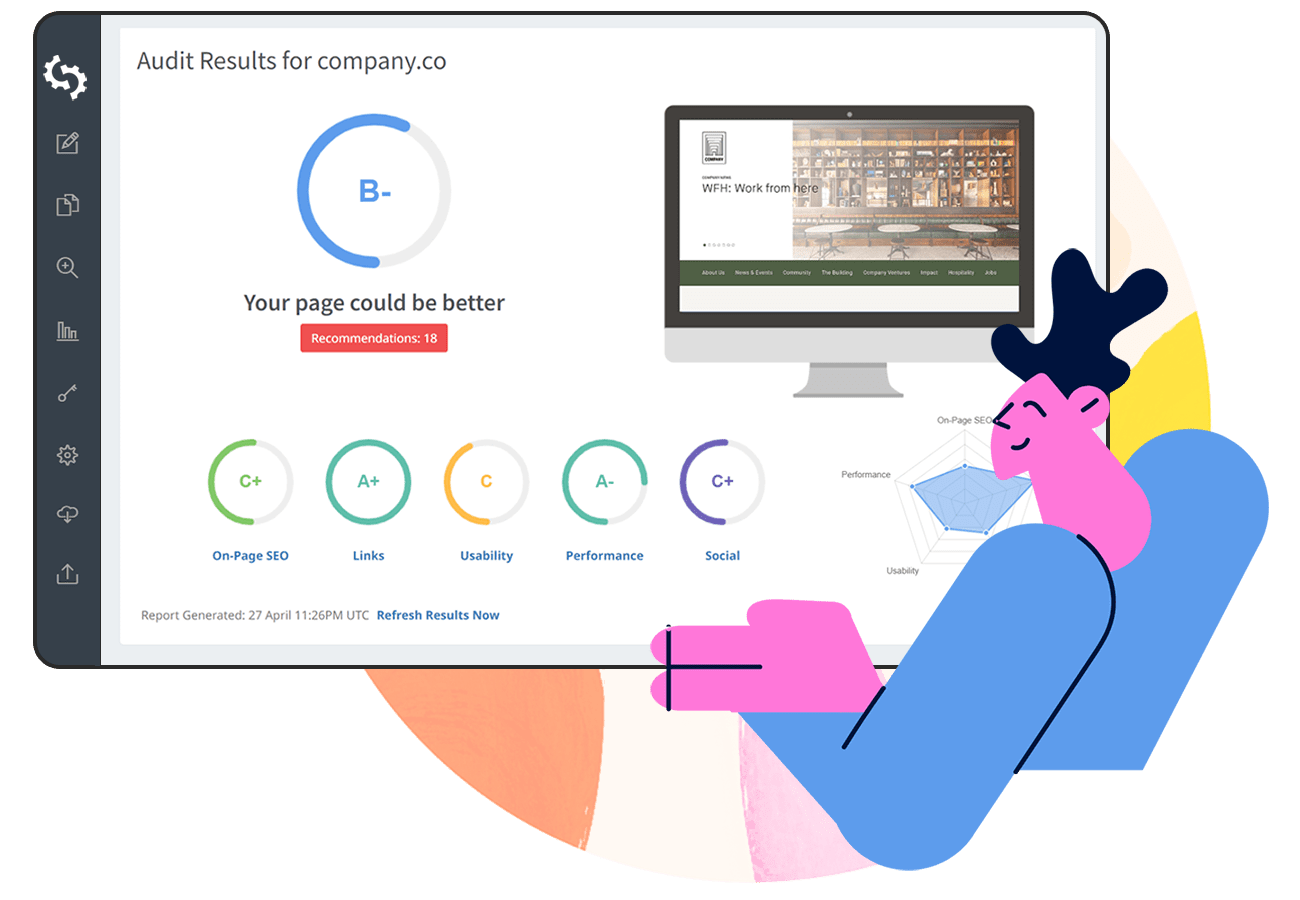
- Fix high-priority technical issues such as crawl errors, duplicate content, and indexation gaps using SEO audit tools.
- Regularly update older content with fresh statistics to retain rankings over time.
- Create content clusters around core topics and link them to strategic pillar pages to improve keyword coverage and search visibility.
Direct vs Organic Traffic: Which is Best?
The choice between organic vs direct traffic depends on your digital marketing goals.
Organic traffic is best for long-term growth, visibility, and audience acquisition. It brings high-quality visitors through search engines without requiring paid promotion.
Content that ranks well attracts users looking for local services and solutions. It also supports business expansion and search authority over time.
Direct traffic is best for measuring brand recognition and loyalty. It reflects repeat visits from users already familiar with the website.
People visiting your site directly have deeper engagement with your brand and are likely to lead to lower customer churn. However, direct traffic does not contribute to new audience growth.
If your goal is to attract new users at scale and increase visibility, organic traffic is the better source. When your focus is on repeat interaction and brand strength, direct traffic holds more value.
Therefore, both organic and direct visitors are important, but organic traffic is best for sustained growth across broader search demand.
Conclusion
Direct and organic traffic serve different roles but both are essential for a balanced and effective website strategy.
Organic traffic brings consistent discovery through search engines, supporting growth, visibility, and content performance. Direct traffic reflects existing awareness, loyalty, and intentional visits. Relying on one traffic source limits your business growth potential.
A high-performing website acquires both organic and direct visitors using content and SEO to attract new users, while reinforcing brand value to drive return visits.
Therefore, you should aim for a complete traffic profile (having both organic and direct traffic) to enhance brand discovery and customer retention for long-term results.