


Key Takeaways
- Small-scale, relevant backlink exchanges are safe whereas large or automated link swaps violate Google’s spam policies.
- Contextual and guest post exchanges work best when links are natural, useful, and editorially placed.
- Quality over quantity: Focus on earning links from high-authority, niche-relevant domains.
- Diversify your link profile with organic mentions, PR links, and content partnerships and not just swaps.
- Build genuine relationships, not link deals; long-term collaborations lead to stronger, safer SEO growth.
Backlink exchange is a popular link building tactic that can bring positive SEO outcomes.
However, Google does not approve organized link exchanges through partner pages created exclusively for link building.
You need to have the right skills and knowledge to do link exchange in a way that does not activate link spam algorithms.
In this article, I will tell you how to build white hat links via exchanges while staying away from link spam.
What is a Backlink Exchange in SEO?
A backlink exchange in SEO is an agreement between two or more website owners or managers who agree to link to each other’s websites. Mostly, the exchanged links are dofollow.
It is also commonly known as reciprocal linking, 3-way linking, or link swaps.
Link exchanges done on a small scale can happen organically using natural anchors. However, large-scale link swaps may lead to unnatural link patterns that violate Google’s guidelines.
For example, some site owners create a link partner page to add mutual link collaboration, or use automated programs to speed up the process.
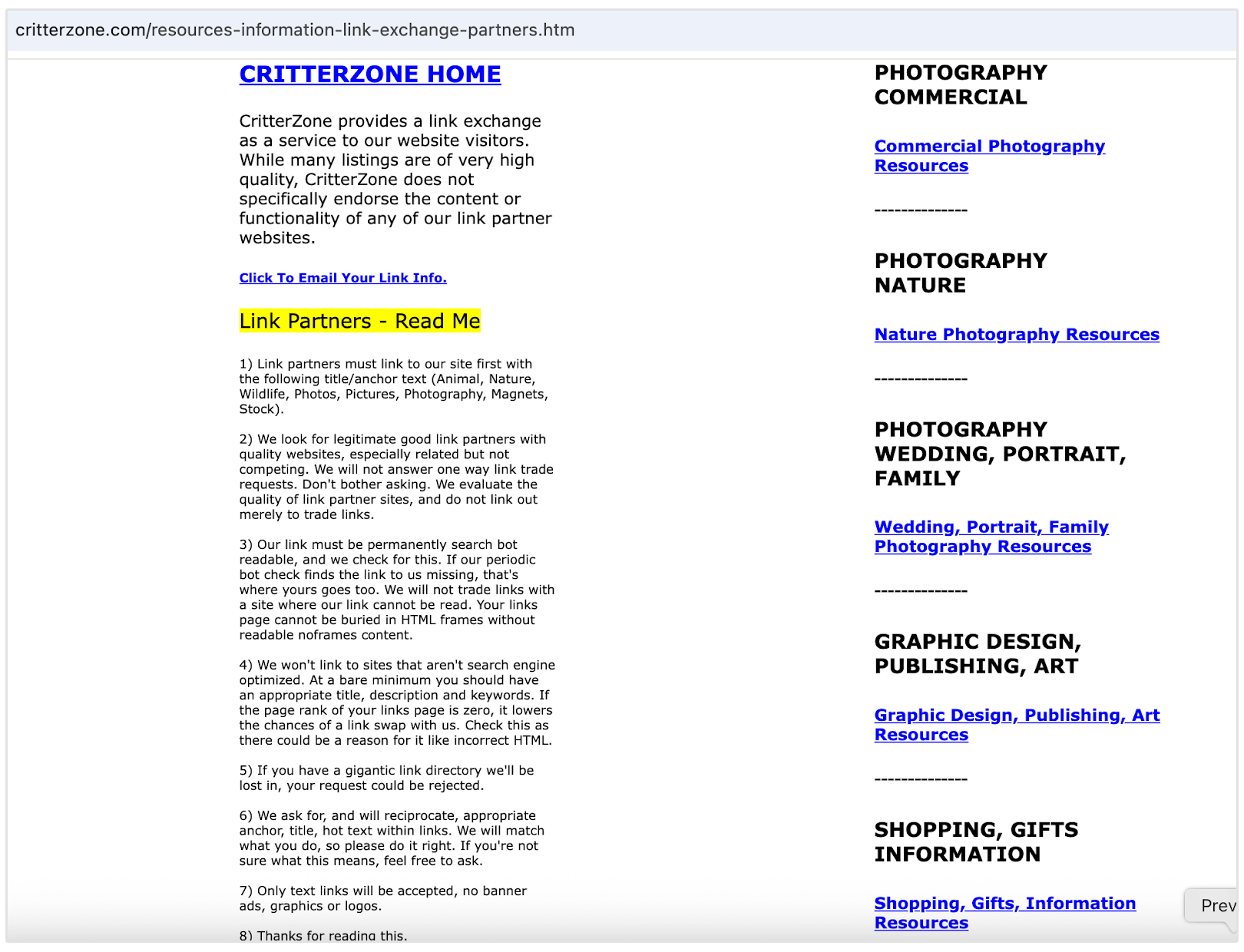
Here is an example of a link partner page from Critterzone, where they offer anchor-based backlinks to their link partners:
There are also websites that engage in exchanging money, goods, or services for links, which is considered a link scheme and violates spam policies for Google search.
Here is an example of a website that charges for dofollow promotional links in a guest post:
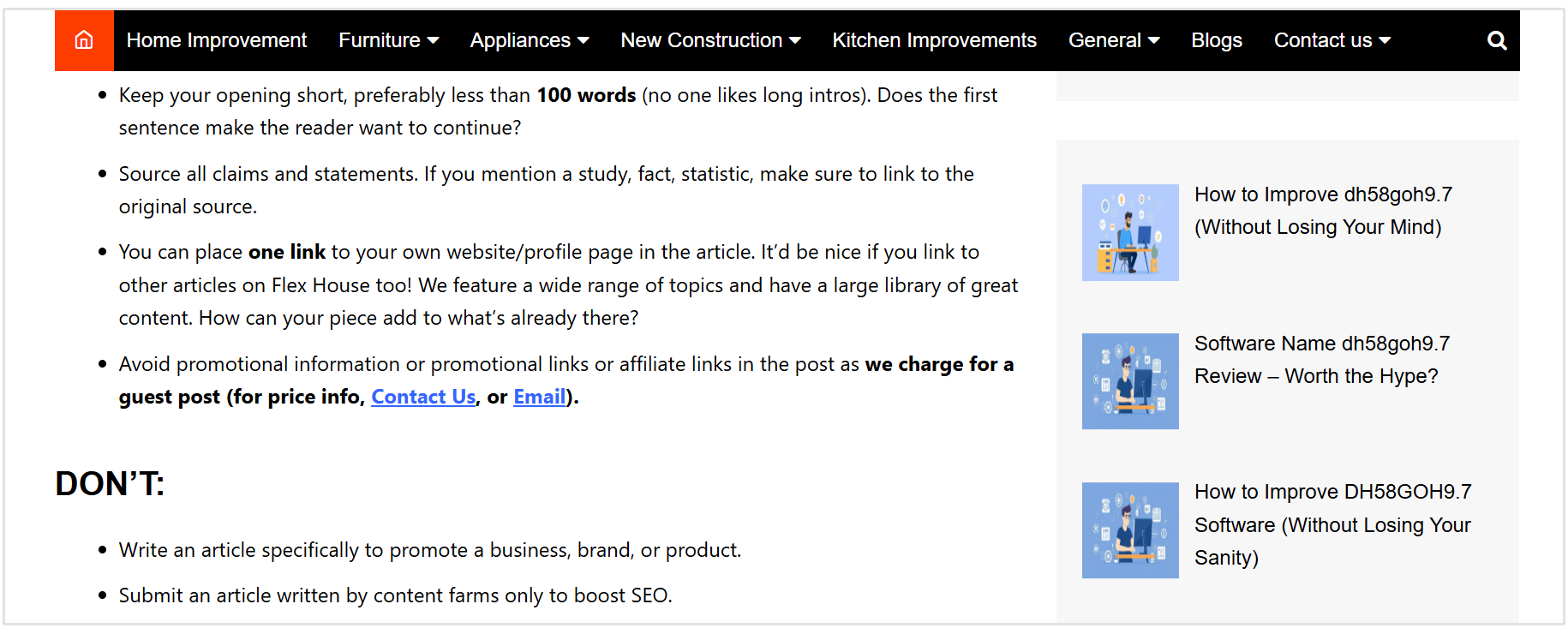
Backlink exchanges can be risky if not handled carefully. Google’s algorithm is highly capable of detecting patterns that appear manipulative.
Hence, you should always use a manual outreach process to establish industry partnerships without obvious reciprocation, maintaining quality and editorial standards.
Types of Backlink Exchanges in SEO?
Here are the primary types of backlink exchanges in SEO:
Direct Reciprocal Links
Direct reciprocal linking is the most basic form of backlink exchange where two websites agree to link to each other.
You can use this method to build links from partner business websites.
Here is an example of a reciprocal link page containing links to partner websites:
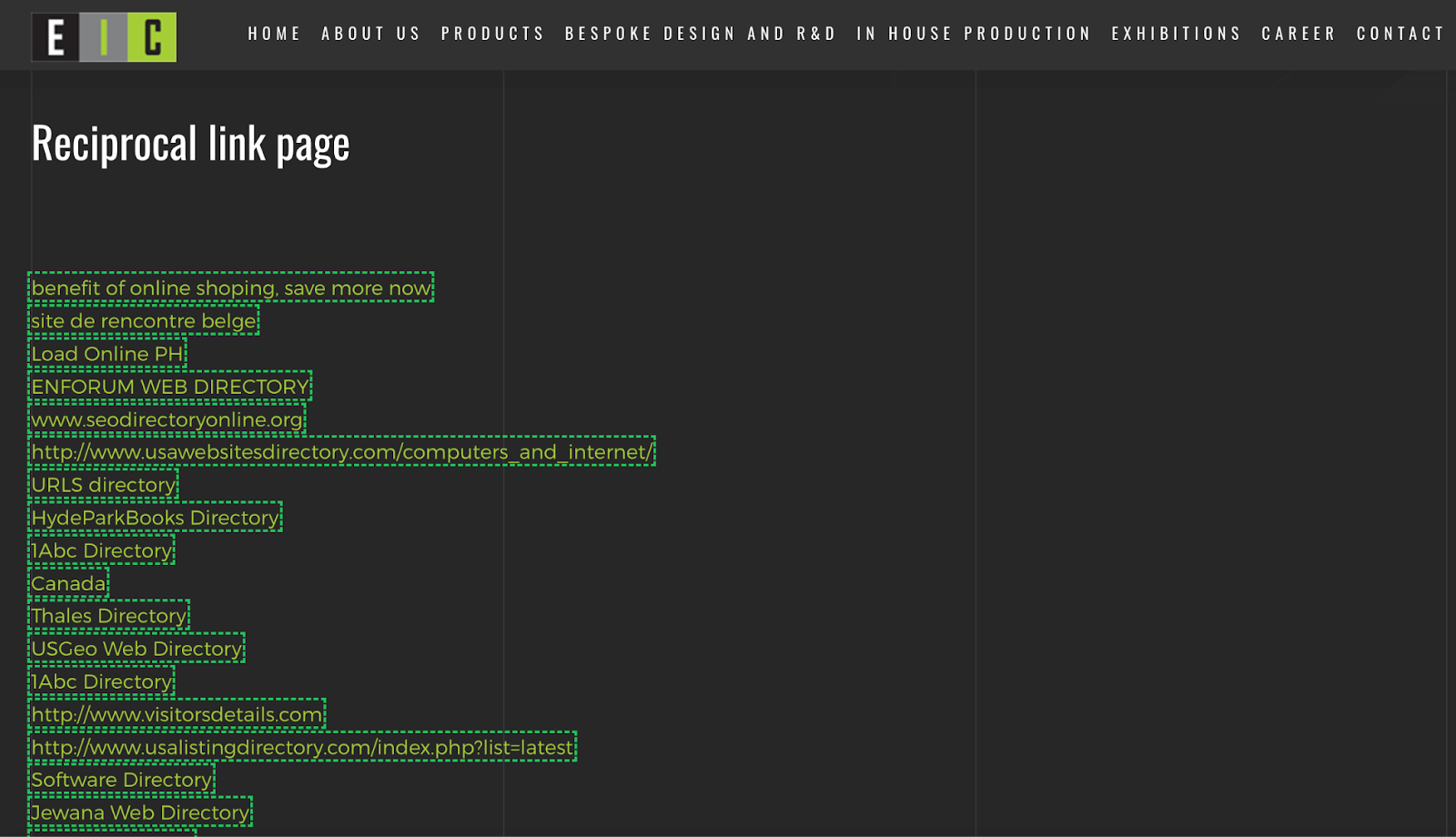
However, remember that search engines expect links to be earned based on content merit, not mutual deals. Hence, you should not build direct reciprocal links on a large scale.
Aaron Whittaker, VP of Demand Generation at Thrive Marketing Agency believes that Google wants to see real collaborations with the goal of helping readers.
Aaron suggets that if you do link exchange based on content synergy rather than manipulation, then you'll have all the right signals flying.
Keep your link ratios balanced: no more than 10 to 15% of inbound links should be from reciprocal sources, this keeps your footprint looking more natural.
Three-Way Link Exchange (ABC Linking)
A three-way link exchange was once a popular link building activity among link builders. However, now it has diminished in popularity because of new techniques like link insertion.
In three-way link exchange, Site A links to Site B, Site B links to Site C, and Site C links back to Site A. Three sites are used to mask reciprocal intent and avoid direct detection by link spam algorithms.
However, if the pattern is repeated or comes from the same group of domains, it becomes traceable.
Like all forms of exchange, quality and relevance matter. If all links are organic, contextual, and valuable to users, the risk is reduced.
However, Google can still penalize if the loop is part of a larger cross-linking scheme.
Contextual Link Swaps
Contextual link exchanges are one of the safest link acquisition tactics. In contextual link swaps, you place links naturally within content, using natural keywords and anchors.
When done properly, contextual links look organic and contribute to the user experience.
For example, if I link to a page about live chat software from the below article, the link would be purely natural.
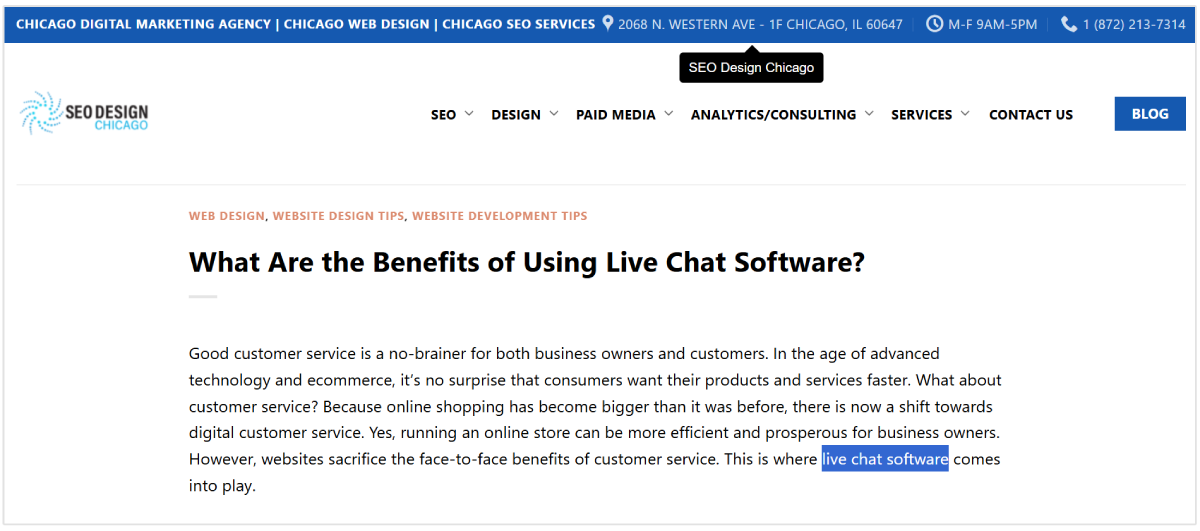
In return, I can link back to the website from any other page in my website that talks about SEO, design, PPC, analytics, or any other topic to keep the link relevant.
Contextual organic link exchange works best when both sites are in the same niche and links are surrounded by meaningful content.
Guest Post Swaps
In a guest post swap, two site owners agree to write guest posts for each other’s blogs, each embedding a backlink within their content.
Here is an example of a guest post with a link to the author’s website:
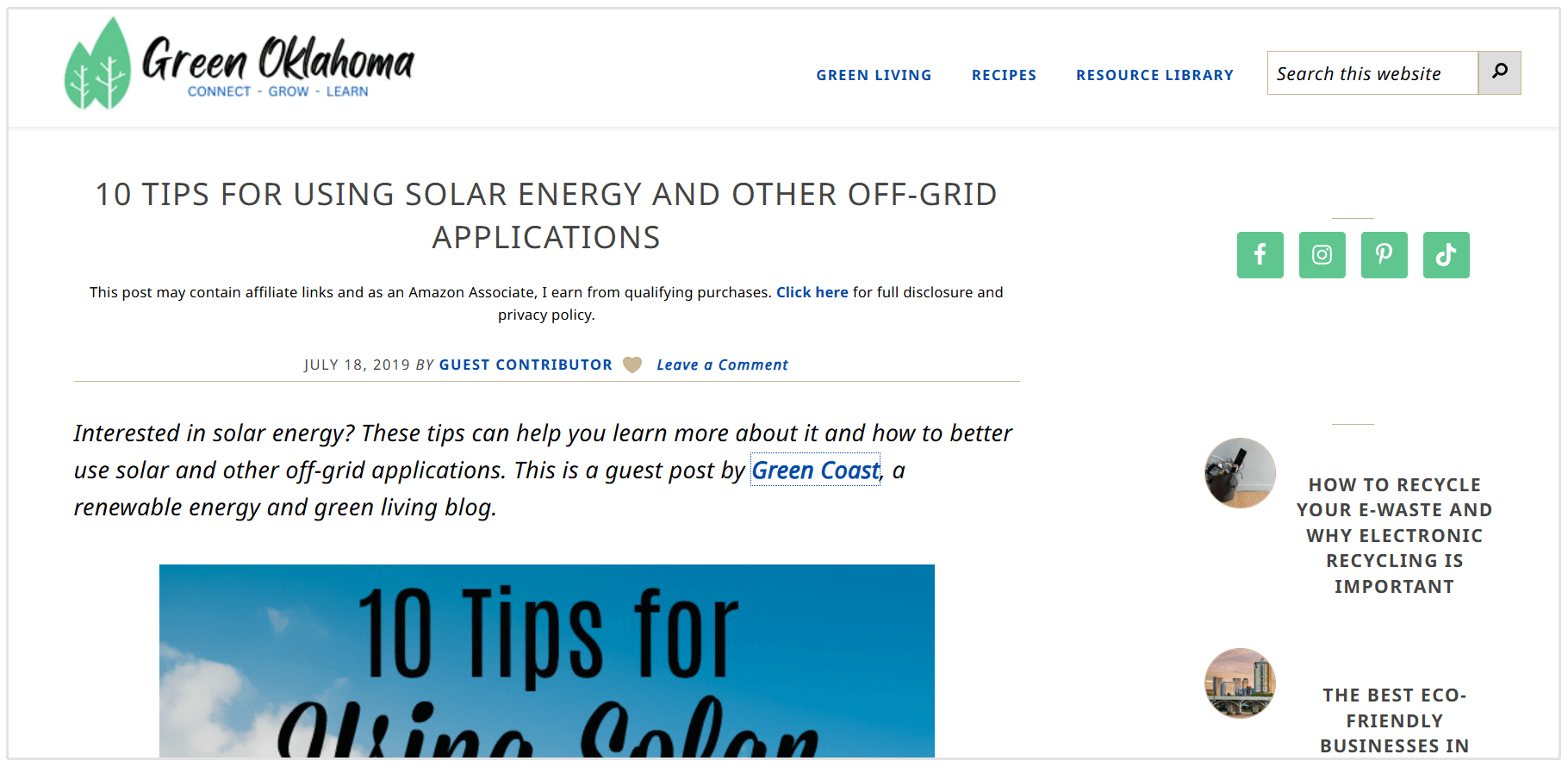
Google permits guest posting for audience exposure, not for manipulating rankings.
Swapping too frequently or inserting irrelevant backlinks triggers scrutiny.
Guest post link exchanges work better when the content is genuinely informative and the link fits naturally.
Aaron from Thrive Marketing Agency says that guest posting works the best for their agency and their clients.
Guest post collabs always work better than others. It lets both brands demonstrate expertise, maintain control of anchor text, and obtain valuable context-rich backlinks. Direct link swaps can also be beneficial, but they are effective only when they seamlessly integrate with the existing content or add value to it.
- Aaron Whittaker, VP of Demand Generation at Thrive Marketing Agency
Avoid templated writing or keyword-stuffed anchors, and make sure the outreach process maintains editorial integrity.
Link Exchange Through Slack or Facebook Groups
You can also participate in link building communities on platforms like Slack or Facebook to arrange link swaps with other members of the community.
Members share their domain metrics and suggest trades with other niche-relevant websites.
Here is an example of a Slack link building community where members can share link requests:

While convenient, this method can quickly lead to unnatural linking if participants are careless. Mass exchanges, repeated patterns, or irrelevant linking can raise red flags.
Google’s algorithms and manual reviewers can detect link schemes originating from coordinated platforms. Hence, you should ensure each link passes editorial checks and provides actual value to readers.
The exchange must appear as a natural editorial decision, not a pre-planned deal.
Transactional Link Exchanges
Transactional exchanges involve paying money or offering goods/services in return for backlinks. This includes sponsored placements, paid guest posts, or product reviews with embedded links.
Here is an example of a transactional link exchange page:
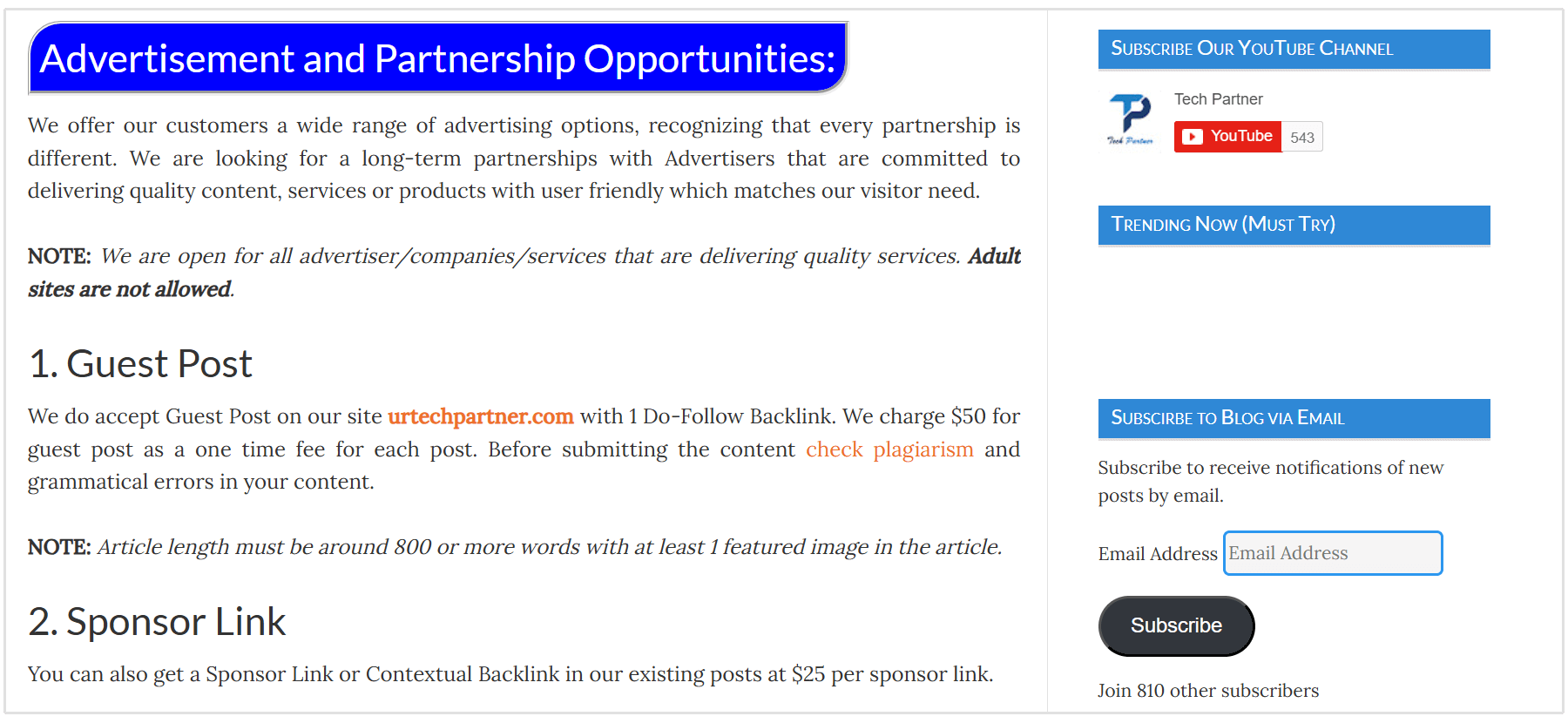
Google strictly considers such actions as part of link schemes unless the link uses a nofollow or sponsored attribute.
Links obtained by exchanging money or goods/services are among the highest risks due to their blatant intent to manipulate PageRank.
Is Backlink Exchange Allowed by Google?
Backlink exchange is allowed only at a small scale, where it happens organically.
However, doing it in a systematic way violates Google’s guidelines.
According to Google’s backlink policy, any attempt to manipulate rankings through mutual linking is considered unnatural linking.
John Mueller stated this explicitly, warning that link exchanges are against Google guidelines when used as a tactic rather than a genuine editorial decision.
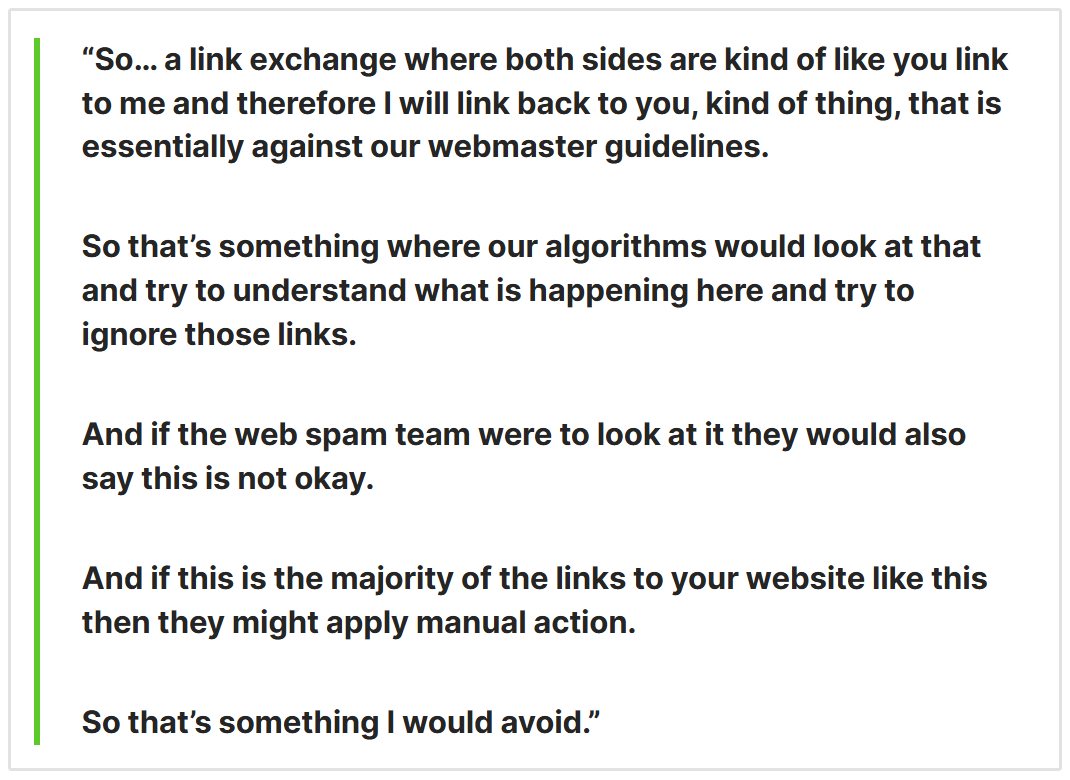
Mutual link swap arrangements resemble spammy link schemes, especially when repeated across multiple domains. They should be avoided when done on a large scale or when using easily detectable patterns.
However, detecting organic link exchanges using natural anchors is not easy for Google’s link spam systems, which is why occasional and relevant exchanges may go unnoticed.
If you’re going back and forth constantly between the same Facebook groups and manipulating the rankings on purpose with no value, then it’s not safe. But, if you genuinely do it with value in mind for both parties, they can still be effective.
- Will Gryba, Outreach Specialist at Quirky Digital
Risks of Backlink Exchanges
Here are the major risks of unnatural link swaps:
Violation of Google’s Backlink Policy
Backlink exchanges intended to manipulate rankings clearly violate Google’s guidelines. Google classifies these as link schemes, especially when done in a systematic or large-scale manner.
Even if both sites are relevant, the intent matters more than the context. Google wants backlinks to be earned editorially, not negotiated.
If caught, your site may receive an algorithmic penalty that significantly affects search performance. Rebuilding trust with Google after a penalty is resource-intensive and slow.
Domain Strength Dilution
Linking to unrelated or low-authority sites through exchanges weakens your own Domain Strength. Low-quality outbound links point towards poor quality control, especially if there’s no editorial reason for the link.
Over time, such links reduce your website’s importance in the eyes of search engines.
It can also impact how your inbound links are weighted. Even a strong backlink profile can be compromised by toxic outbound hyperlinks.
Loss of Brand Credibility
Links are important in building your brand credibility online. A high number of quality inbound links from reputed domains help to raise your domain reputation.
Search engines view domains with good quality backlinks as more trusted.
When you engage in link exchange with poor quality sites with low-grade or thin content, it leads to a loss in online brand trust. Even linking to low-quality sites does the same and damages your business’s reputation.
Risk of Manual Penalties
If you engage in unnatural link swaps, it could lead to manual link penalties. Such penalties take away most of your traffic and are hard to end.
Repetitive backlink exchanges are the largest risk, as they can be discovered when the same two sites exchange links too often or have similar characteristics. I had a client who lost 42% of his traffic because he exchanged 150 backlinks, using the same anchors and looks in each case. These links looked natural to people, but were patterns to the search engines.
- Jin Grey, SEO Expert and Consultant
Any site that receives a manual penalty loses its organic rankings and traffic depending on the kind of Google penalty received.
Site-wide penalty applies to the entire domain, while page-specific penalty applies to a single page or a collection of pages.
To recover from Google penalties, you need to audit your entire backlink profile and submit a reconsideration request. The process takes time and offers no guarantee of success.
In many cases, sites struggle to regain their former visibility even after bad link cleanup.
How to do Backlink Exchanges the Right Way
Follow these steps to do link exchanges in the correct manner:
Prioritize Relevance
You should only exchange links with websites that are topically related. Google systems evaluate backlink relevance based on content quality, anchor text, and page-level semantics.
For example, if you are promoting a law firm, your backlinks should come from websites publishing high-quality legal content.
If you trade links with unrelated domains, search engine spam filters will notice them. You should analyze the target site’s keyword focus, audience, and topical authority before initiating a swap.
A relevant backlink improves both authority and semantic depth, whereas irrelevant links dilute ranking signals and risk link devaluation.
Quality Over Quantity
Quality always wins in link building. When engaging in backlink exchange, you should prefer taking links from relevant and high-quality domains.
Be selective and avoid spam domains or free-for-all sites.
Leury Pichardo from Digital Ceuticals actually believes that none of the traditional link exchange tactics tend to work these days.
None of the traditional tactics work. The most effective strategy by far is the content partnership. This involves co-creating something of immense value, like a joint research report, a comprehensive data study, or a co-hosted webinar. The goal is to build an asset so useful that it becomes a natural link magnet, earning placements from many sources, not just your partner's site.
- Leury Pichardo, Director of Digital Marketing at Digital Ceuticals
You should use tools like SEOptimer to check domain and page-level metrics to pick the best sites.
Remember, low-quality backlinks from spam domains can harm your backlink profile. High-quality links pass link juice and lead to higher organic rankings.
Diversify Your Link Profile
You should never rely solely on reciprocal links or link exchanges to build your profile. A healthy backlink profile includes earned links, citations, brand mentions, guest posts, and contextual placements.
You should alternate anchor types, vary referring domains, and maintain a natural link velocity.
Google detects link manipulation through overuse of exact match anchors and repeated patterns. You should also blend dofollow and nofollow links to maintain a realistic footprint.
Use Indirect (ABC) Link Exchanges
You should consider using ABC link exchanges to minimize direct reciprocity. ABC or Three-way link exchanges mean Site A links to Site B, Site B links to Site C, and Site C links back to Site A.
While this method masks the pattern, you should still ensure all links are topically relevant and editorially placed. Google can still detect indirect networks if the exchanges are excessive or executed between low-quality domains.
You should use 3-way link exchanges sparingly and never automate the process. The goal should be value and visibility, not artificial link loops.
Be Transparent and Build Relationships
You should treat link exchanges as part of long-term relationship building, not a transactional exchange. Be upfront about your goals and only partner with sites that maintain high editorial standards.
Building genuine connections with publishers, bloggers, and niche brands opens the door to natural backlink opportunities.
You should focus on collaborations like co-authored content, expert roundups, or resource sharing. These links are harder to fake and more defensible under manual review.
Strong relationships produce high-quality and earned backlinks.
Tools for Finding Backlink Exchange Partners
Here are the top tools for finding backlink exchange partners:
SEOptimer
SEOptimer is a great tool for discovering top-notch backlink exchange opportunities.
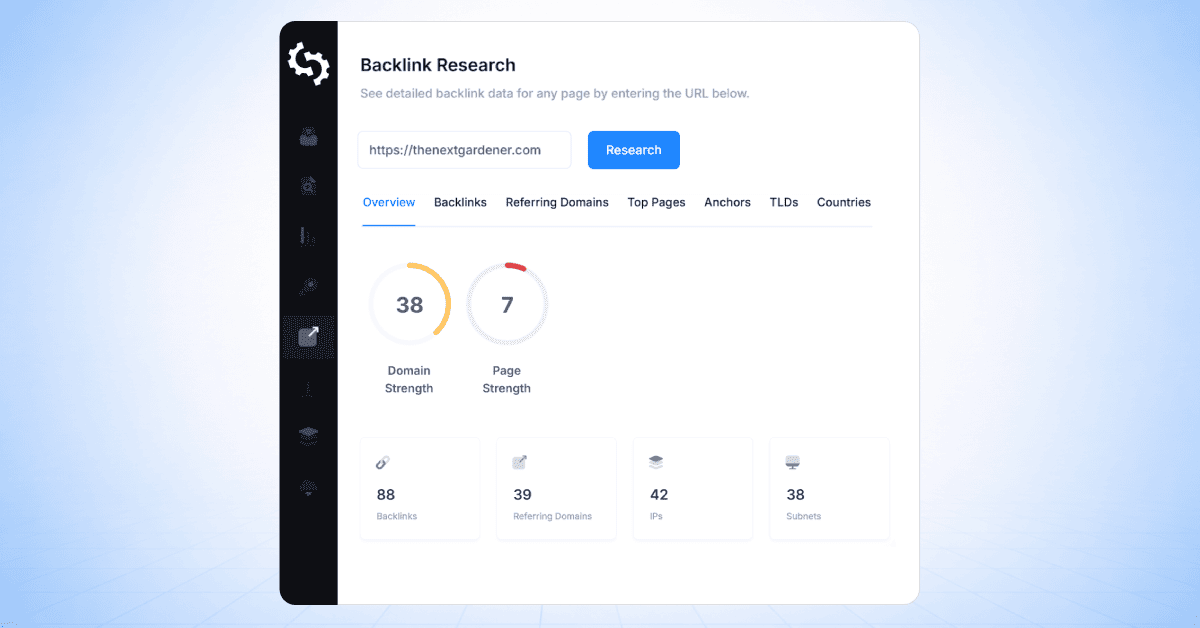
You can use the backlink checker tool to track competitors’ links and find websites that are giving them contextual links. You can check the Domain & Page Strength, anchor text, and follow status for each link.
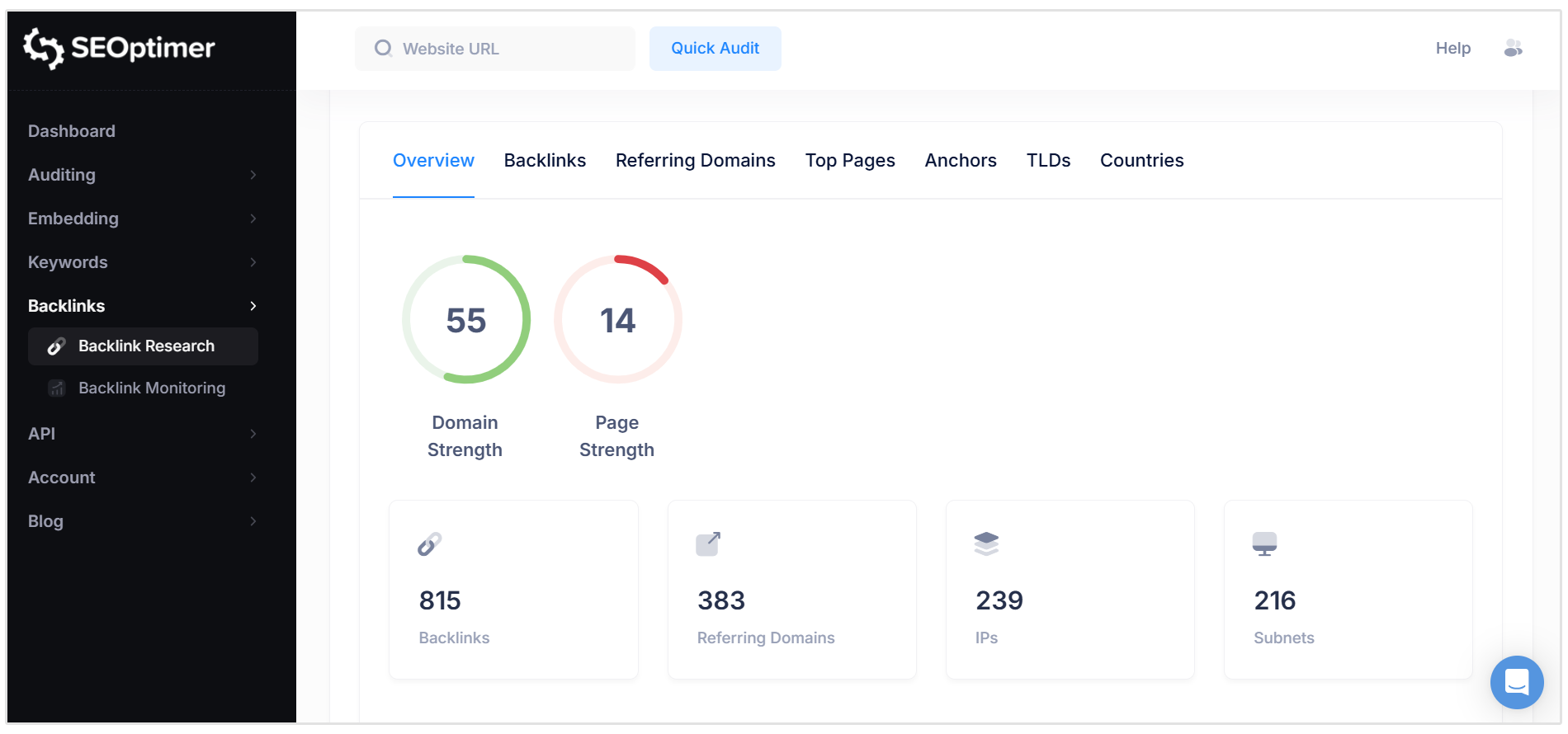
Once you have prepared a list of domains to approach, you can email them after careful filtering based on page-level and domain-level metrics.
BuzzSumo
BuzzSumo helps in content research and finding influencers, making it valuable for backlink prospecting.
You can use BuzzSumo's media database to discover journalists, bloggers, and content creators in your niche who are publishing industry-specific content and giving genuine backlinks.
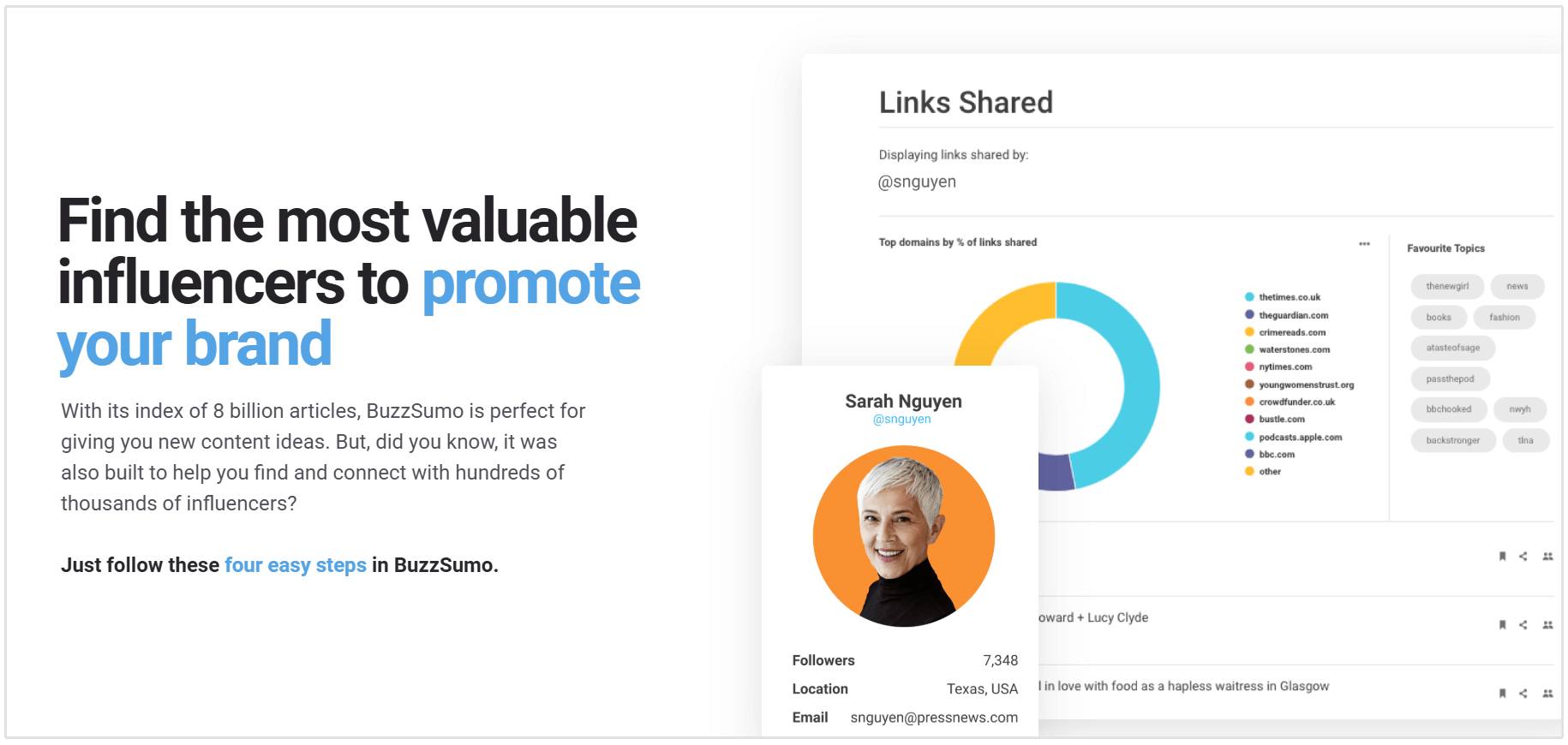
BuzzSumo also reveals journalists, domains, and amplification data, helping you prioritize prospects based on authority and activity. It’s especially helpful for identifying content-based link exchange opportunities, such as roundups or resource lists.
Hunter.io
Sometimes it is difficult to find the contact details of the website owner.
In such cases, where there is no specific contact mentioned on the website, you can use Hunter.io. It is an email discovery tool designed to help you find verified contact details for any domain.
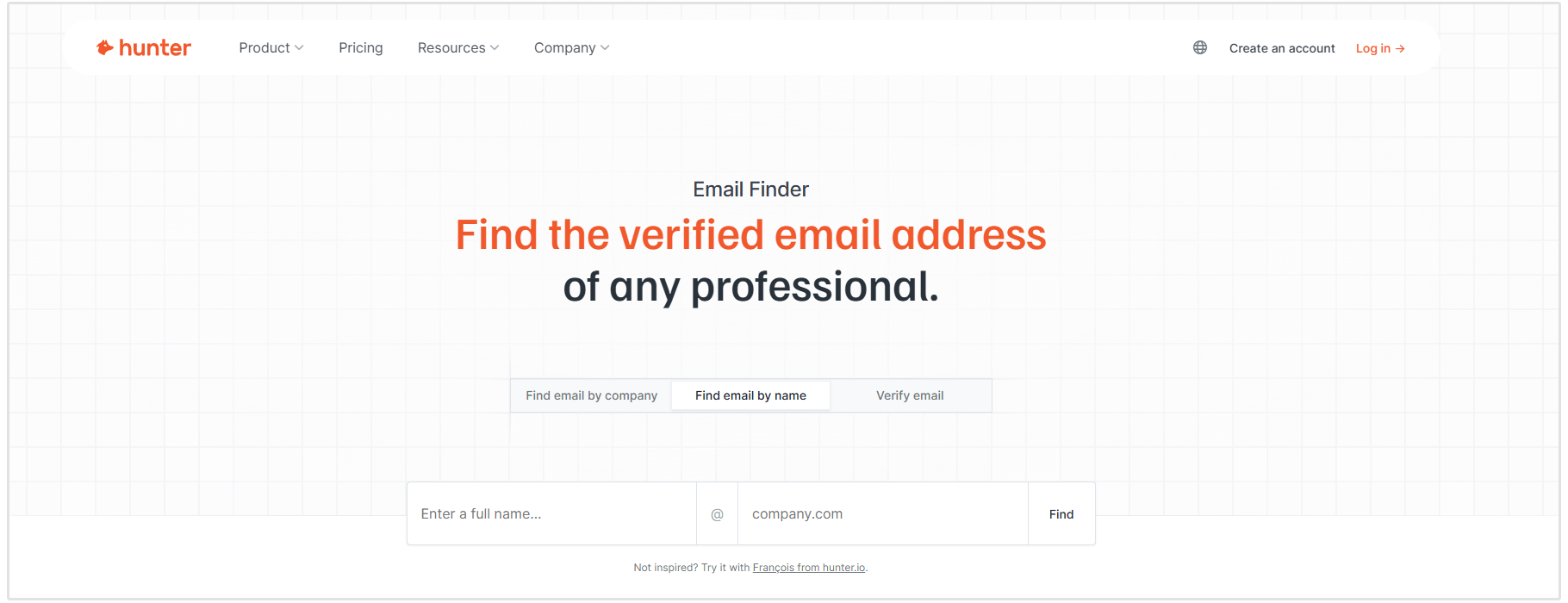
Their Domain Search feature lets you find email addresses from any website. You can enter the domain name, and the tool will automatically find relevant contacts for you.
Hunter also offers bulk domain search, email verification, and outreach templates.
While it doesn’t find backlinks, it’s essential for executing backlink exchange campaigns by optimizing contact discovery and increasing outreach success rates.
Backlink Exchange FAQs
Are backlink exchanges safe for SEO?
Backlink exchanges are safe only when they happen naturally and involve relevant, high-quality websites. You should avoid repetitive patterns, keyword-stuffed anchors, or links from unrelated niches.
Google’s link spam systems are designed to detect manipulative link building, and excessive exchanging can lead to penalties or devaluation.
Can Google detect backlink exchanges?
Yes, Google can detect backlink exchanges using different techniques, such as link graph analysis, anchor text patterns, and domain relationships.
Obvious reciprocal or high-scale ABC linking across unrelated domains is easy to trace. Even if not penalized directly, those links may be ignored algorithmically and offer no SEO benefit.
What is the difference between reciprocal links and ABC link exchanges?
Reciprocal links are like you link to my site, and I will link to yours.
ABC links are different. It involves three sites where the first site links to the second, the second links to the third, and the third links to the first. ABC links are safer than reciprocal backlinks.
Should you Use Backlink Exchanges in your SEO Strategy?
Yes, you should use backlink exchanges in your SEO campaign in parts. A larger part of your link building strategy should consist of content marketing to attract links naturally.
Other parts of your link acquisition strategy should consist of different link building techniques like guest posting, link exchanges, link inserts, business directory links, PR links, and other tactics.