Ücretsiz Open Graph Oluşturucu
Sayfanız Facebook, LinkedIn ve bu etiketleri kullanan diğer platformlarda paylaşıldığında nasıl görüneceğini belirleyen Open Graph etiketlerini oluşturun.
Çıktı
Open Graph Etiketleriniz:
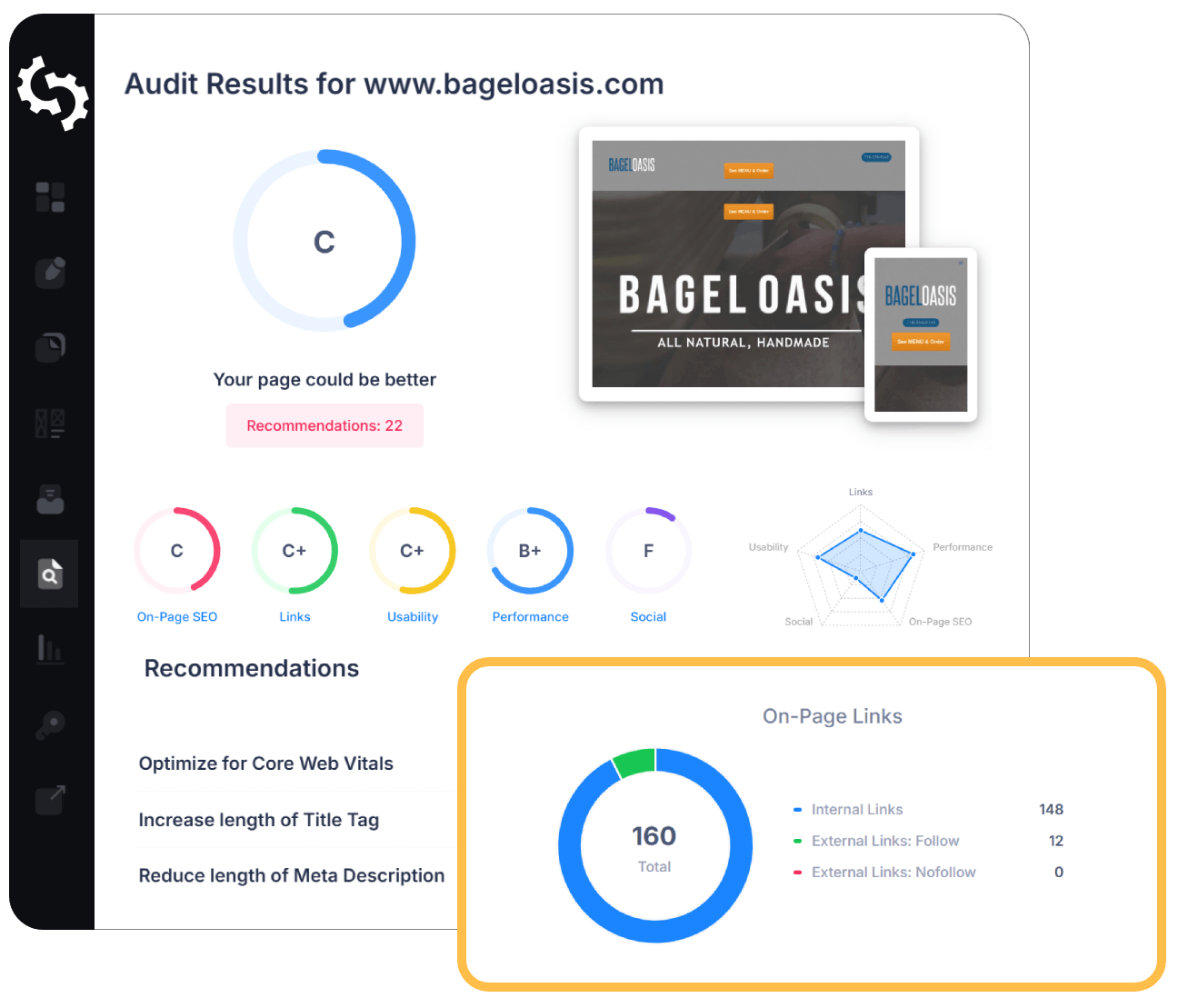
Saniyeler İçinde Herhangi Bir Sitede SEO Denetimi Yapın
+ Her İşlev İçin Kapsamlı SEO / GEO Araçları
Web sitenizde Sayfa İçi SEO, Kullanılabilirlik, Performans, Sosyal Medya ve Bağlantılar genelinde 100'den fazla kontrol gerçekleştirin. Artık her raporda GEO da var. SEOptimer ayrıca anahtar kelime araştırması, sıralama takibi, backlink analizi ve eksiksiz bir site tarayıcısı sunar.

Open Graph Etiketleri Hakkında
Open Graph etiketleri neyi kontrol eder
Open Graph etiketleri, biri sayfanıza bağlantı verdiğinde bu bağlantının nasıl görüneceğini belirler. Başlık, altında yer alan özet ve kartın büyük bölümünü kaplayan görsel.
Bunlar olmadan platform tahminde bulunur ve tahminleri genellikle kötüdür: bulduğu ilk görseli (çoğu zaman logonuz veya stok bir fotoğraf) ve sayfanın üst kısmından kazıyabildiği metni kullanır.
Bu format Facebook'ta ortaya çıktı ve artık LinkedIn, WhatsApp, Slack, Discord ve bir bağlantının yapıştırıldığı diğer platformların çoğu tarafından okunuyor. Tek bir etiket grubu hepsini kapsar.
Ayarlanması gerekenler
- og:title - kartta görünen başlık; kısaltılmadan önce yaklaşık 60 karakter.
- og:description - en fazla iki satır. Başlığı tekrarlamak yerine, okuyucunun ne elde edeceğini belirtin.
- og:image - mutlak bir URL, 1200x630 boyutunda olmalı ve bağlantının tıklanıp tıklanmayacağı üzerindeki en büyük tek etkendir.
- og:url - kurallı URL’dir; böylece izleme parametreleri içeren varyantların paylaşımları aynı sayfa olarak sayılır.
- og:type ve og:site_name - küçük ayrıntılardır ve eklenmeleri yalnızca bir saniye sürer.
Yaygın hatalar
- Platformların çözemeyeceği göreli bir görsel yolu.
- Kart boyutunda okunamayacak kadar küçük metin içeren bir görsel.
- Akışta bir bağlantıyı gören kişi yerine arama motorları için yazılmış başlıklar.
- Şablon kullanarak aynı etiketleri her sayfada çoğaltmak.
- Platformların önbelleğe alma özelliğini unutmak. Değişikliklerin geçerli olması için paylaşım hata ayıklayıcısının kullanılması gerekir.
Open Graph etiketleri SEO'yu etkiler mi?
Doğrudan etkilemez ve aksini iddia etmek yanıltıcı olur. Bunlar bir sıralama faktörü değildir.
Etkiledikleri şey, paylaşılan bir bağlantıya tıklanıp tıklanmayacağıdır ve tıklanıp başkalarına iletilen bir bağlantı, kaydırılıp geçilen bir bağlantıdan daha değerlidir. Getirisi de buradan gelir.
Ayrıca diğer etiketler eksik olduğunda yedek görevi görürler; bu nedenle iyi Open Graph verilerine sahip bir sayfanın, öngörmediğiniz bir yerde kötü şekilde gösterilme olasılığı daha düşüktür.
Open Graph oluşturucuyu kullanma
Uygun olanları doldurun ve sonucu sayfanın head bölümüne yapıştırın. Sayfa bazındaki etiketler, site genelindeki varsayılan ayarlara kıyasla açık ara daha etkilidir; çünkü akışta bir sayfanın diğerinden farklı görünmesini sağlayan şey görsel ve başlıktır.
Ardından, kartı herkesten önce görebilmek için sayfayı bir kez gizli olarak paylaşın.
Sonraki adımlar
Open Graph test aracı ile yayınladıklarınızı kontrol edin, X Kartı oluşturucusuyla X'i ayrıca kapsayın ve belirttiğiniz sosyal medya bağlantıları profillerinin gerçekten siteden bağlantılandırıldığını doğrulayın.
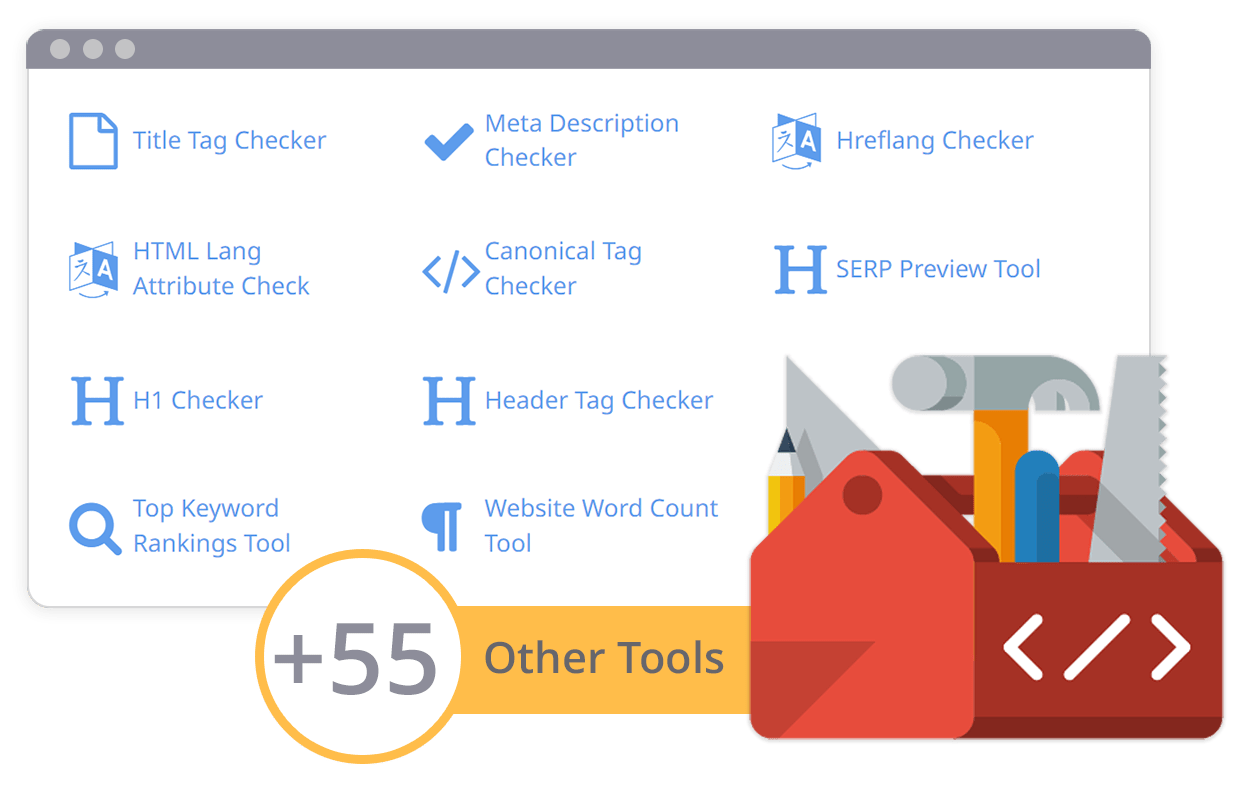
55'ten Fazla Araç İçeren Kapsamlı SEO Araç Kutusu
Başlıkları, meta açıklamalarını, başlık etiketlerini, Schema işaretlemelerini, Core Web Vitals'ı, SSL'yi ve Robots.txt'yi kontrol edin. Meta etiketleri, site haritaları ve .htaccess kuralları oluşturun; CSS, JS ve HTML'yi küçültün ve AI Yazma Araçlarımızla anında ve ücretsiz olarak içerik taslakları hazırlayın.
Daha fazla okuma
Daha Fazla Gör
Why are Social Media Links Important for Your Website?
If you’ve created a Facebook page or Twitter account for your business, chances are, you would've already linked to your website within yo...

How to use Social Media Marketing to Promote Your Website
In this day and age, you’d be hard-pressed to find a business that doesn’t have a Facebook page. But if you’re simply posting on your social...

How to Drive Up Your CTR and SEO
What Is CTR?
CTR stands for Click Through Rate, and is defined as the percentage of people who click a search result after seeing it.
To see...
What is a Title Tag? How to Write Better SEO Titles
What is a Title Tag?
A title tag is an HTML element that tells search engines and users what a webpage is about. It appears as the c...