キーワード難易度チェッカー
SEOptimerのキーワード難易度チェッカーは、キーワードの検索順位を上げる難易度を、検索ボリューム、クリック単価、検索意図、現在ランキングされているページの被リンクプロファイルと併せてスコア化します。
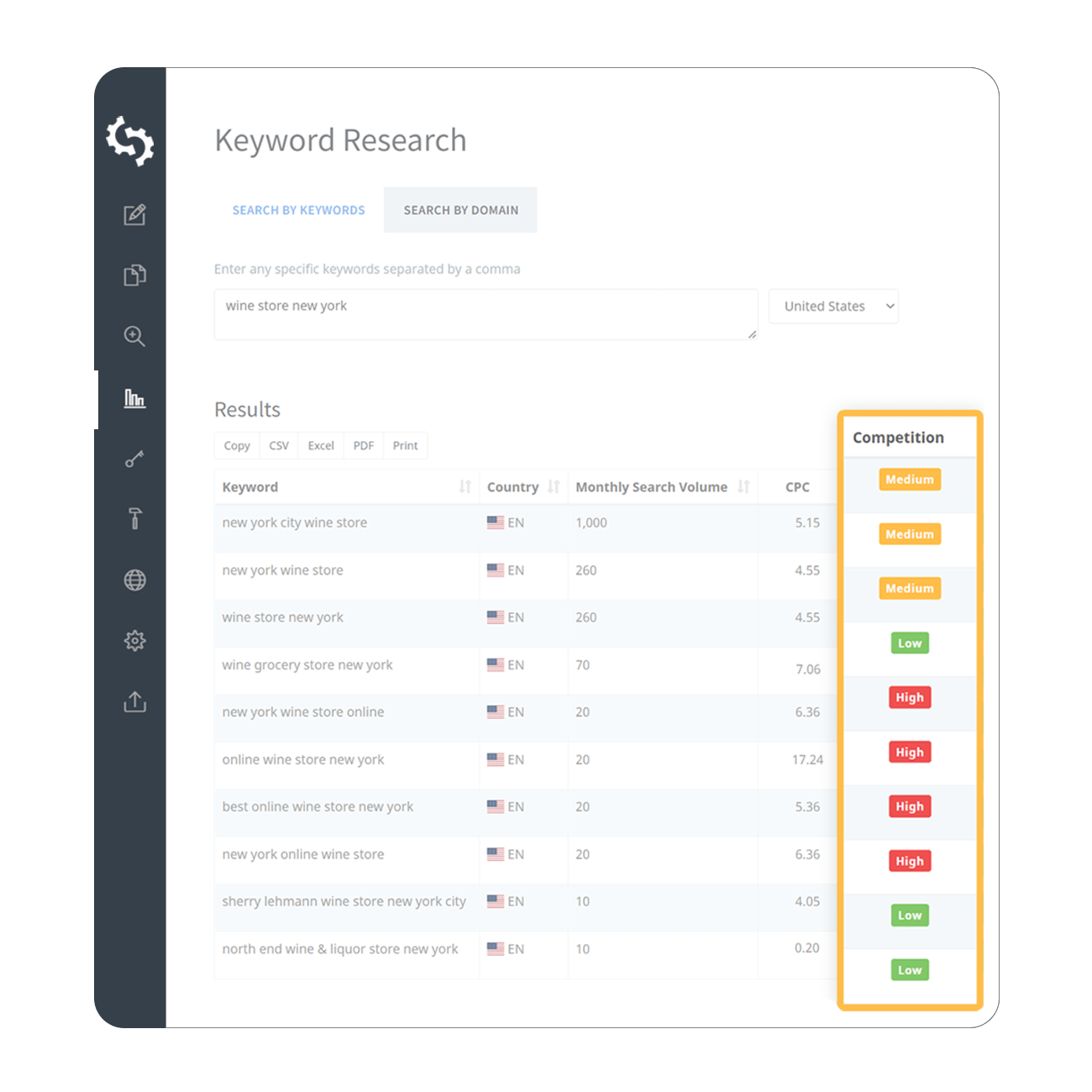
上位表示する価値のあるキーワードを見つけ、その順位の変動を追跡する
あらゆる市場の実際の検索ボリューム、CPC、競合データを確認できるため、始める前にどのキーワードが労力に見合うかを把握できます。その後、GoogleとBingでデスクトップ・モバイルの順位を毎日追跡し、ローカル検索では市区町村単位まで確認できます。スケジュールレポートでは、何が変わったのかをクライアントに正確に伝えられます。

キーワード難易度について
キーワード難易度とは?
キーワード難易度は、ある検索語で検索結果の1ページ目に到達する難しさを0~100のスケールで推定したものです。この数値は、その検索語自体の特徴ではなく、現在その順位を占めている競合の状況を表します。
この数値は、現在ランキングされているページの強さ、主にそれらを支えるリンクプロファイルの規模と質に基づいて算出されます。検索語の難易度が高いのは、確立されたページがその検索結果を占めているためであり、単語が珍しいからでも、トピックが専門的だからでもありません。
したがって、キーワード難易度のチェックは、そのキーワードに対する判定ではなく、競合状況を読み解くものです。何が障壁となっているかは示しますが、その語句を狙う価値があるかどうかについては、まったく示していません。
スコアの読み方
各区分は、厳密なしきい値ではなく、一般的な目安です。大まかに言えば、低い範囲の語句は、適切に作り込んだページで十分に狙えます。中間の範囲では、そのページを支える確かな権威性が求められます。上位の範囲は、1本の記事ではなく、キャンペーンとして取り組むべき領域です。
スコアは抽象的な基準ではなく、自サイトとの比較で読み取りましょう。確立されたドメインにとって40は一般的な目標ですが、先月公開されたばかりのサイトにとっては現実的ではありません。同じ数値でも、それぞれにとって意味は異なります。
検索ボリュームが大きく難易度が低いキーワードは、喜ぶよりも疑ってかかるべきです。通常、それはその語句が曖昧であるか、季節性があるか、クリックせずに検索意図を満たせる検索結果が表示されていることを意味します。スコアの下に表示される被リンクの平均値を確認するのが、その理由を最も早く見極める方法です。
2026年でも、キーワード難易度は重要ですか?
作業の優先順位を決めるうえで重要です。ほとんどのサイトでは、対応できる量をはるかに上回る候補キーワードが存在するため、難易度は長いリストを「今すぐ狙えるもの」と「後のプロジェクトに回すもの」に振り分ける最も手軽な方法です。
ただし、1つの数値がどれほど多くの情報を圧縮しているかは、覚えておく価値があります。スコアが45の2つのキーワードでも、必要となる作業はまったく異なる場合があります。一方はより強力なページを必要とし、もう一方はまったく別の種類のページを必要とするかもしれません。しかし、そのスコアだけでは両者を区別できません。
スコアは現在の状況も表しています。現在ランクインしているページのスナップショットなので、1ページ目の顔ぶれが入れ替わるたびに変動します。1年前には参入が難しいと思われたキーワードでも、決めつけずにもう一度確認する価値があります。
キーワード難易度とAI検索の関係
AIによる回答は通常、すでに上位表示されているページをもとに作成されるため、難易度は引用されるために必要なコストを測る妥当な指標であり続けます。1ページ目に表示されることと、回答内で引用されることは、基本的に同じ作業の一環です。
スコアが実態を過小評価しているのは、具体的で疑問文の形をしたキーワードです。こうしたキーワードは、答えやすいからこそ難易度が低くなることが多く、そのためAIによる概要が質問に直接答え、検索結果ページへの訪問数も順位が示すほど多くなりません。
実務上は、難易度を単独で見るのではなく、検索意図と併せて確認することが重要です。別の場所で検索を終わらせてしまう難易度の低いキーワードよりも、難易度は高くても、行動を起こす準備ができたユーザーを自社サイトに呼び込めるキーワードの方が価値があります。
キーワード難易度に関するベストプラクティス
- 関連性のないトピック間ではなく、同一トピック内で難易度を比較しましょう。
- 検索ボリューム、検索意図、クリック単価と併せて確認してください。単独では何の意味もありません。
- このスコアを絶対的な指標として扱うのではなく、自サイトの実力と照らし合わせて評価してください。
- 数値だけを信頼せず、その数値の背景にある被リンクの平均値を確認してください。
- 検索ボリュームの大きいキーワードでスコアが低くても、簡単に成果を得られると考えず、詳しく調べるきっかけと捉えてください。
- 1ページ目の結果は変化し、それに伴ってスコアも変わるため、定期的に再確認してください。
このツールがチェックする項目
キーワード難易度チェッカーは、そのキーワードを当社のインデックスで検索し、難易度スコアと、それを判断するための指標を併せて表示します。指標には、月間検索ボリュームと直近の推移、クリック単価(CPC)と広告主の競合度、そのキーワードに記録されている検索意図、現在ランキングしているページの平均被リンク数および参照ドメイン数が含まれます。
結果ページ全体を併せて表示するキーワード難易度ツールとは異なり、このツールは意図的に指標の表示にとどめています。概要だけで完結しており、リアルタイムの検索結果ページについては、すでに当社のSERPツールで確認できます。
数値はリアルタイム検索ではなく、当社のインデックスに基づいています。そのため、今この瞬間にブラウザに表示される内容ではなく、そのキーワードと地域についてインデックスが保持している状況を示します。これは計画には適していますが、昨日行った変更を確認する目的には適していません。
次に行うこと
難易度は、そのキーワードに取り組むコストを示す指標です。判断に必要なその他の情報は別の場所にあります。キーワードジェネレーターで候補となるキーワードのリストをさらに広げ、競合キーワードの調査で競合がすでに獲得しているキーワードを確認し、SERP順位チェッカーで検索結果の1ページ目が実際にどのような内容かを確認しましょう。
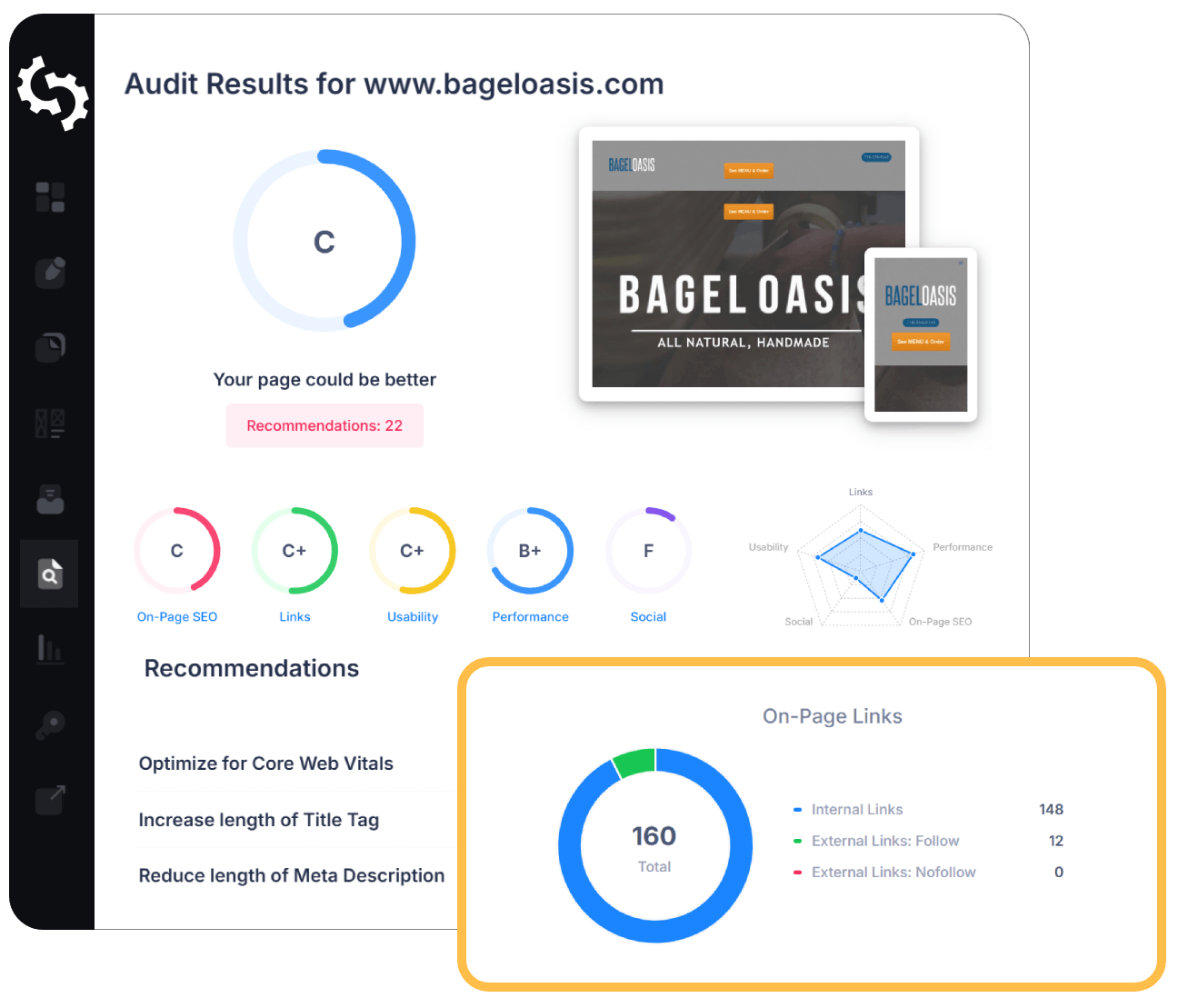
数秒であらゆるサイトをSEO監査
+ あらゆる機能に対応する包括的なSEO/GEOツール
オンページSEO、ユーザビリティ、パフォーマンス、ソーシャル、リンクに関して、ウェブサイトを100項目以上チェックします。すべてのレポートにGEO分析も追加されました。SEOptimerでは、キーワード調査、順位追跡、バックリンク分析、サイト全体のクローリングも利用できます。
関連記事
もっと見る
SEOのための低い果実のキーワードを見つける方法
大手の競合がトップの座を独占している中で、SEOランクを上げることが不可能な上り坂の戦いのように感じますか?先を行くための秘密は、「低い位置にある果実のキーワード」をターゲットにすることにあります。 これらの「low hanging fruit」キーワードは、あらゆ...

6 Powerful Tips to Rank in a Competitive Niche
Ranking in a competitive niche can feel like an uphill battle. But with the right strategies, it's entirely possible to start ranking for th...

SEOにおけるキーワードリサーチの重要性を示す5つの理由
キーワードリサーチはSEOにとってまだ重要ですか?その質問に対する答えは、間違いなくイエスです! キーワードリサーチは、あらゆるSEOおよびSEMマーケティングキャンペーンの基盤です。それがなければ、SEO担当者、マーケター、ウェブマスターは、実際の「ビジネス」...

Long Tail vs Short Tail Keywords: What’s the Main Difference?
Many SEOs and marketers wonder what's the difference between long tail vs short tail keywords. Understanding the difference between these tw...

ハイインテントキーワードとは何か?そしてSEOでの使い方
高意図キーワードを理解し、活用することは、ターゲットとなるトラフィックを増やし、コンバージョンを高めるために非常に重要です。これらのキーワードは、多くの成功したマーケターやSEO担当者の秘密の武器です。 しかし、高い意図を持つキーワードとは具体的に何であり、それらを...

SEOでの人気のあるキーワードの9種類(およびそれぞれの使用方法)
検索エンジンであなたのウェブサイトを最適化したい場合、SEOにおける異なるタイプのキーワードを理解することは非常に重要です。 キーワードを正しい方法で使用することで、コンテンツの可視性を大きく向上させ、よりターゲットを絞ったトラフィックをあなたのサイトにもたらすこと...