Tentang Kesulitan Kata Kunci
Apa itu kesulitan kata kunci?
Kesulitan kata kunci memperkirakan seberapa sulit untuk mencapai halaman pertama hasil pencarian untuk suatu istilah, dalam skala 0 hingga 100. Nilai ini menggambarkan tingkat persaingan dari halaman yang sudah menempati posisi tersebut, bukan tentang frasa itu sendiri.
Angka ini dihitung berdasarkan kekuatan halaman yang saat ini mendapatkan peringkat, terutama ukuran dan kualitas profil tautan yang mendukungnya. Suatu istilah sulit karena ditempati oleh halaman yang sudah mapan, bukan karena kata-katanya tidak umum atau topiknya bersifat teknis.
Oleh karena itu, pemeriksaan tingkat kesulitan kata kunci merupakan pembacaan kompetitif, bukan keputusan akhir tentang kata kunci tersebut. Pemeriksaan ini memberi tahu Anda apa yang menjadi penghalang, tetapi sama sekali tidak menunjukkan apakah istilah tersebut layak ditargetkan.
Cara membaca skor
Rentang tersebut merupakan konvensi, bukan ambang batas. Secara umum, istilah dalam rentang rendah dapat ditargetkan oleh halaman yang kompeten, rentang menengah membutuhkan otoritas yang kuat di baliknya, sedangkan rentang tinggi merupakan sebuah kampanye, bukan sekadar artikel.
Baca skor tersebut dengan membandingkannya dengan situs Anda sendiri, bukan secara abstrak. Skor 40 merupakan target yang wajar untuk domain yang sudah mapan, tetapi tidak realistis untuk situs yang baru dipublikasikan bulan lalu, dan angka yang sama dapat memiliki arti berbeda bagi masing-masing situs.
Volume tinggi yang disertai tingkat kesulitan rendah patut dicurigai, bukan dirayakan. Biasanya, ini berarti istilah tersebut ambigu, bersifat musiman, atau dilayani oleh hasil yang memenuhi kebutuhan pencarian tanpa klik, dan rata-rata backlink di bawah skor tersebut adalah cara tercepat untuk mengetahui penyebabnya.
Apakah tingkat kesulitan kata kunci masih penting di 2026?
Ini penting sebagai cara untuk mengurutkan pekerjaan. Sebagian besar situs memiliki jauh lebih banyak istilah kandidat daripada kapasitas yang tersedia, dan tingkat kesulitan adalah cara paling praktis untuk mengurutkan daftar panjang menjadi mana yang dapat dijangkau sekarang dan mana yang merupakan proyek untuk nanti.
Perlu diingat seberapa banyak informasi yang diringkas oleh satu angka. Dua istilah dengan skor 45 dapat menuntut pekerjaan yang sepenuhnya berbeda: yang satu memerlukan halaman yang lebih kuat, sementara yang lain memerlukan jenis halaman yang sama sekali berbeda, dan skor tersebut tidak dapat membedakan keduanya.
Skor ini juga menggambarkan kondisi hari ini. Ini adalah gambaran siapa yang saat ini mendapat peringkat, sehingga skornya berubah seiring pergantian halaman pertama, dan istilah yang tampak sulit ditembus setahun lalu layak diperiksa kembali daripada langsung diasumsikan demikian.
Bagaimana tingkat kesulitan kata kunci berkaitan dengan pencarian AI
Jawaban AI biasanya disusun dari halaman yang sudah memiliki peringkat tinggi, sehingga tingkat kesulitan tetap menjadi perkiraan yang cukup baik tentang upaya untuk dikutip. Mendapatkan tempat di halaman pertama dan mendapatkan tempat dalam sebuah jawaban pada dasarnya merupakan pekerjaan yang sama.
Di mana skor tersebut tidak sepenuhnya menggambarkan situasi adalah pada istilah spesifik berbentuk pertanyaan. Istilah-istilah ini sering memiliki tingkat kesulitan rendah justru karena mudah dijawab, yang juga menjadi alasan ringkasan AI cenderung menjawabnya secara langsung dan halaman peringkat mendapatkan lebih sedikit kunjungan daripada yang ditunjukkan posisinya.
Tindakan praktisnya adalah menilai tingkat kesulitan bersamaan dengan maksud pencarian, bukan secara terpisah. Istilah mudah yang mengakhiri pencarian di tempat lain nilainya lebih rendah daripada istilah yang lebih sulit tetapi mengarahkan seseorang kepada Anda dalam keadaan siap bertindak.
Praktik terbaik tingkat kesulitan kata kunci
- Bandingkan tingkat kesulitan dalam satu topik, bukan di antara topik-topik yang tidak terkait.
- Baca bersama volume, maksud pencarian, dan biaya per klik; jika berdiri sendiri, metrik ini tidak berarti apa-apa.
- Bandingkan skor tersebut dengan posisi situs Anda sendiri, bukan menganggapnya sebagai nilai mutlak.
- Perhatikan rata-rata backlink yang mendasari angka tersebut, alih-alih hanya mempercayai angkanya.
- Anggap skor yang mudah pada istilah bervolume tinggi sebagai alasan untuk melihat lebih dekat, bukan kemenangan cuma-cuma.
- Periksa kembali secara berkala, karena halaman pertama berubah dan skor pun ikut berubah.
Yang diperiksa alat ini
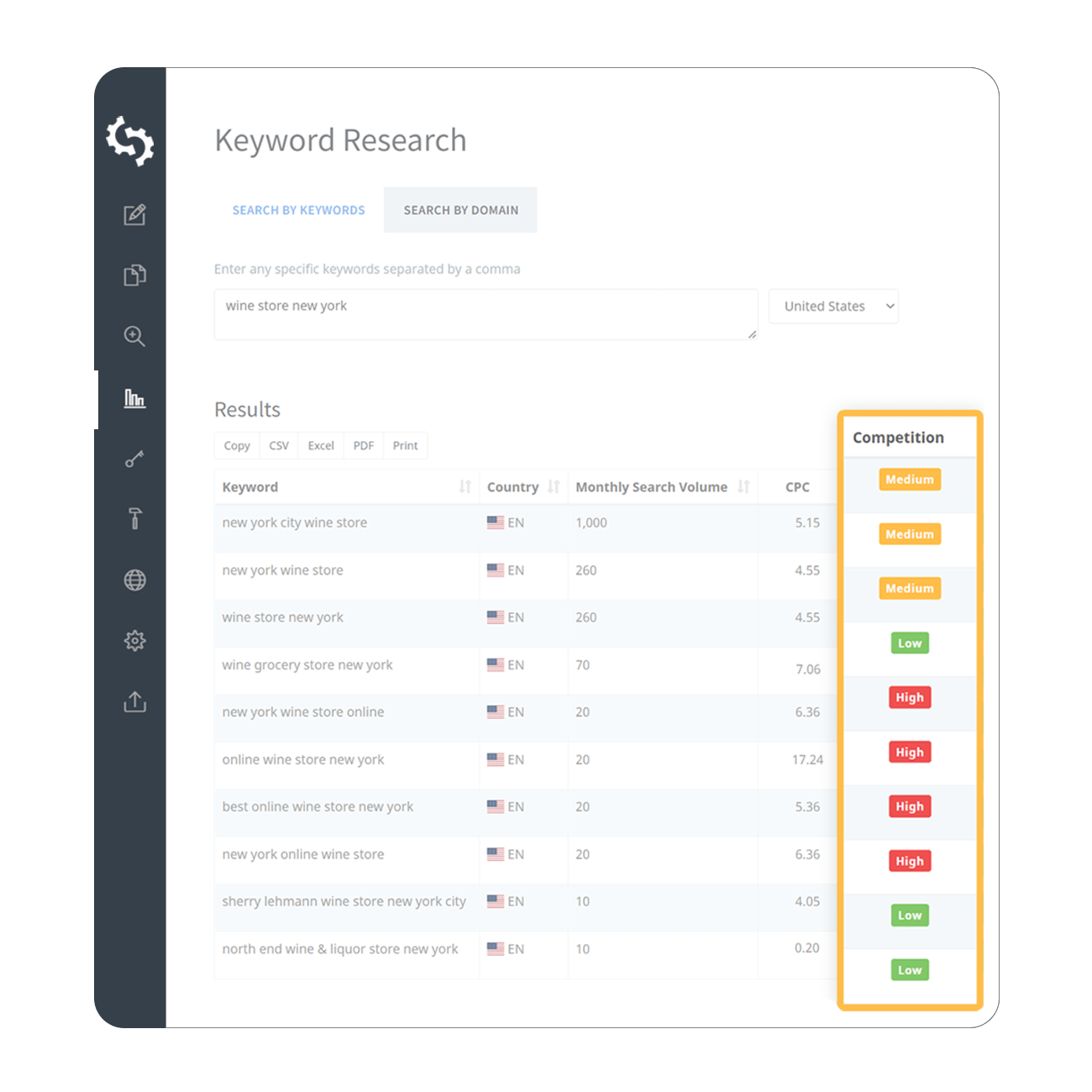
Pemeriksa tingkat kesulitan kata kunci mencari istilah tersebut di indeks kami dan melaporkan skor kesulitannya, beserta angka-angka yang memberikan konteks: volume pencarian bulanan dan trennya baru-baru ini, biaya per klik dan persaingan pengiklan, maksud pencarian yang tercatat untuk istilah tersebut, serta rata-rata jumlah backlink dan domain perujuk dari halaman-halaman yang saat ini berada di peringkat teratas.
Tidak seperti alat tingkat kesulitan kata kunci yang sekaligus menampilkan halaman hasil lengkap, alat ini sengaja berhenti pada metrik. Ringkasannya sudah cukup berdiri sendiri, sementara halaman hasil langsung merupakan kebutuhan terpisah yang telah dijawab oleh alat SERP kami.
Angka-angka tersebut berasal dari indeks kami, bukan dari penelusuran langsung, jadi angka itu menggambarkan data yang tercatat untuk istilah dan lokasi tersebut, bukan apa yang akan ditampilkan browser kepada Anda saat ini. Hal ini cocok untuk perencanaan, tetapi bukan alat yang tepat untuk mengonfirmasi perubahan yang Anda buat kemarin.
Ke mana selanjutnya
Tingkat kesulitan memberi tahu Anda biaya suatu istilah; sisa pertimbangannya ada di tempat lain. Buat daftar kandidat yang lebih panjang dengan
generator kata kunci, lihat mana yang sudah dikuasai pesaing menggunakan riset
kata kunci pesaing, dan periksa seperti apa tampilan halaman pertama sebenarnya dengan
pemeriksa peringkat SERP.