Google SERP順位チェッカー
SEOptimerのGoogle SERP順位チェッカーでは、任意のキーワードのオーガニック検索結果上位10件を確認できます。どのサイトが何位にランクインしているかを正確に把握できます。
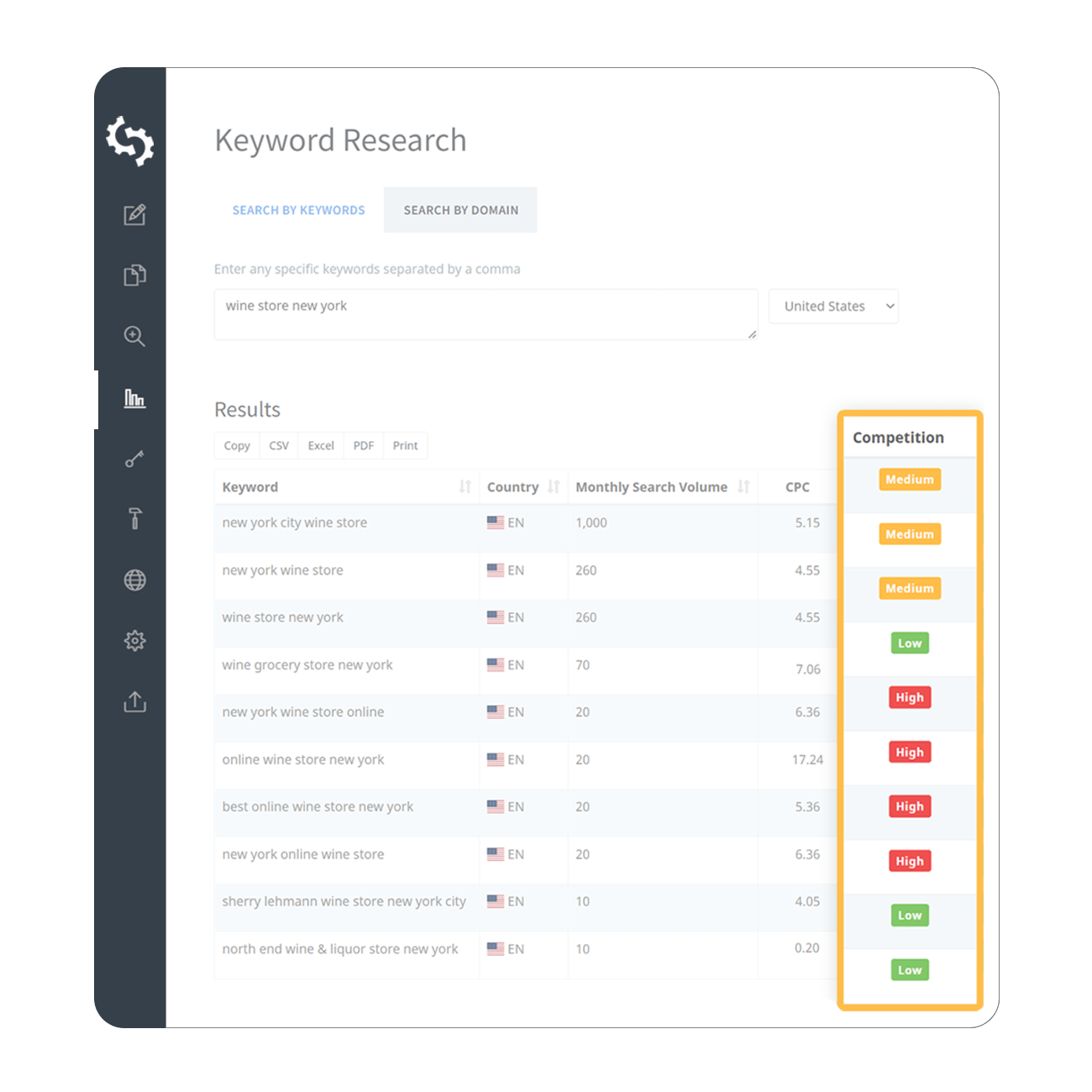
上位表示する価値のあるキーワードを見つけ、その順位の変動を追跡する
あらゆる市場の実際の検索ボリューム、CPC、競合データを確認できるため、始める前にどのキーワードが労力に見合うかを把握できます。その後、GoogleとBingでデスクトップ・モバイルの順位を毎日追跡し、ローカル検索では市区町村単位まで確認できます。スケジュールレポートでは、何が変わったのかをクライアントに正確に伝えられます。

Google SERPについて
SERPとは何ですか?
SERPとは「検索エンジン結果ページ(Search Engine Results Page)」の略で、誰かが検索クエリを入力した後にGoogleが返すページを指します。検索を実際に体験する人が目にする唯一の画面であり、ランキングに関するあらゆる議論が最終的に行き着く場所です。
Google SERPチェッカーは、キーワードに対してそのページを取得し、表示された内容を順位順に一覧表示するだけです。アカウントの作成も、トラッキングの設定も、データが蓄積されるまで待つ必要もありません。
自分で検索するのではなく、ツールを使う理由は、自分で見た検索結果が中立ではないからです。Google は検索履歴、現在地、アカウントに基づいて表示内容をパーソナライズするため、あなたの目の前に表示されるページは、見知らぬ人に表示されるページとは異なります。
検索結果ページで「順位」が実際に意味するもの
順位とは、オーガニック検索結果の並び順における位置のことです。1位、2位、3位というように、ページを下へ進むにつれて続きます。一見明白に思えますが、複雑なのはこれらの検索結果を取り囲む要素です。
- 広告はオーガニック検索結果のリストの上部と下部に表示され、その一部には含まれません。
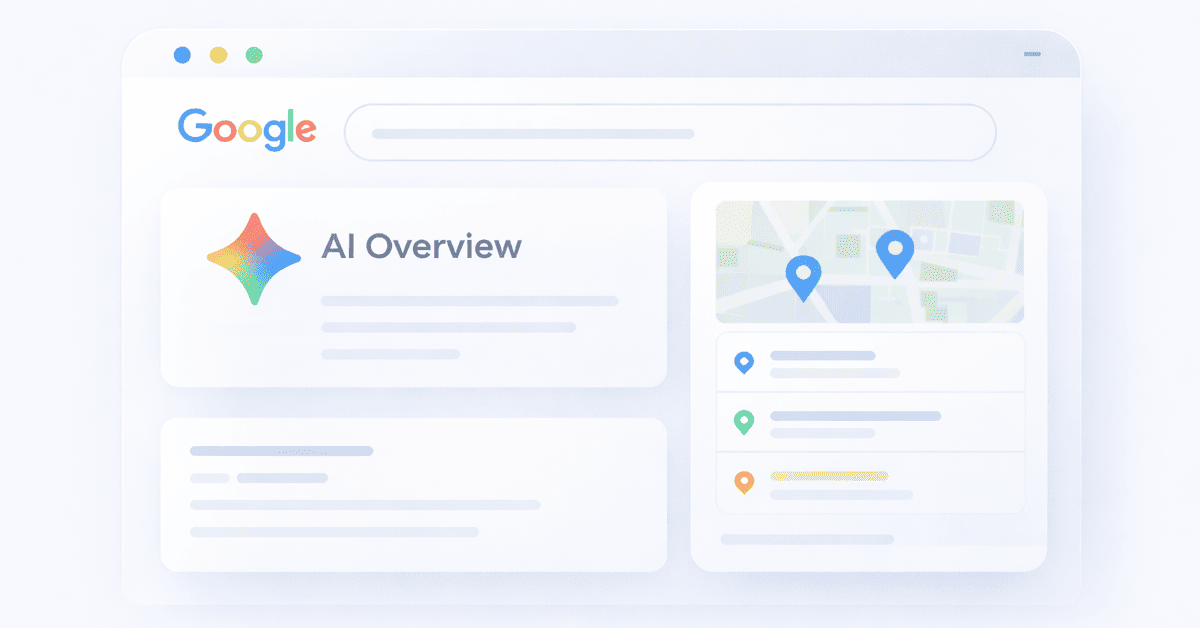
- AIによる概要、強調スニペット、ナレッジパネルによって、1位の結果が画面のはるか下まで押し下げられることがあります。
- ショッピング、動画、画像、ローカルパックは、オーガニック検索結果の間のスペースを占有します。
- 現在では、多くの情報系クエリにディスカッションやフォーラムのブロックも表示されます。
つまり、「3位にランクインしている」というのは、リスト上の位置を示すものであって、ページ上の位置を示すものではありません。GoogleのSERP順位チェッカーはリスト上の順位を表示しますが、そのリストが画面のどれほど下から始まるかは別の問題であり、ますます重要になっています。
結果の読み方
まず、どこにいるかを見る前に、誰がいるかを確認しましょう。1ページ目が出版社や比較サイトで占められているなら、そのクエリは情報収集目的であり、どれだけ適切に最適化しても、商品ページで上位に食い込むのは難しいでしょう。
次に、タイトルをひとまとまりとして読みます。タイトルからは、Googleが現在そのクエリをどのような意味だと認識しているかが分かります。個々のオンページ要因よりも、その検索意図に合わせることのほうが重要です。
通常、参考になるのは4位から10位までのページです。これらのページはランクインするには十分ですが、上位を独占するほど強くはありません。そこを超えることが、あなたに必要となる基準です。
数週間後に同じキーワードをもう一度実行すると、比較はさらに有用になります。Google SERP順位チェッカーは、今日の結果を見せるだけでなく、何が変動したのかを示してこそ真価を発揮します。
2026に表示されていた結果と異なる理由
パーソナライズだけが理由ではありません。全国規模に見える検索クエリでも、場所によって結果は大きく変わります。デバイスによって順位だけでなく、スクロールせずに画面上部に表示できる情報量も変わります。また、Googleはリアルタイムで多くのテストを実施しているため、同じ都市にいる2人でも異なるページが表示されることがあります。
AI Overviewsによって、変動要因がさらに一つ加わりました。表示される検索もあれば表示されない検索もあり、同じクエリでも今日表示されたものが明日は表示されないことがあるため、その下にあるすべての要素が変動します。
だからこそ、自分のブラウザを信頼するのではなく、SERPを意図的に確認する必要があります。場所を指定したクリーンな検索なら、個人の検索結果では決して得られない再現性があります。
このツールがチェックする項目
キーワードを入力して場所を選択すると、このGoogle SERP順位チェッカーは、その検索でGoogleが表示するオーガニック検索結果の上位10件を、ページタイトルとURLとともに順位順で返します。
選択したキーワードと地域について、その都度新たに検索しており、保存されたランキングを参照しているわけではありません。そのため、表示されるのは過去の順位ではなく、現在の順位です。
次に行うこと
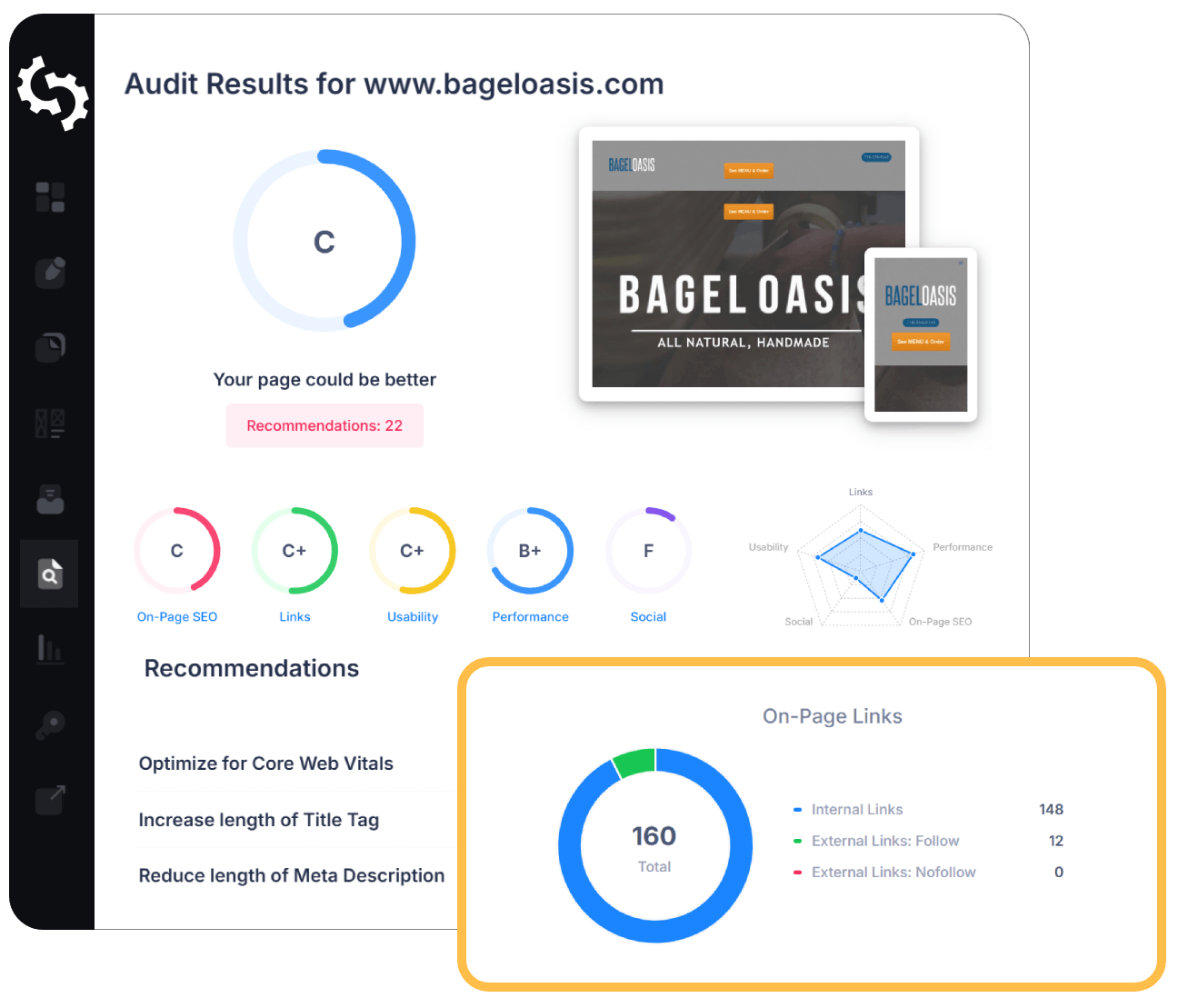
数秒であらゆるサイトをSEO監査
+ あらゆる機能に対応する包括的なSEO/GEOツール
オンページSEO、ユーザビリティ、パフォーマンス、ソーシャル、リンクに関して、ウェブサイトを100項目以上チェックします。すべてのレポートにGEO分析も追加されました。SEOptimerでは、キーワード調査、順位追跡、バックリンク分析、サイト全体のクローリングも利用できます。
関連記事
もっと見る
検索エンジンのポジショニング:ページランキングを改善する方法
検索エンジン最適化の主な目標は、特定のターゲットキーワードでできるだけ高いランクを獲得することです。その理由は単純で、ランクが高ければ高いほど、あなたのウェブサイトはより多くのトラフィックを獲得します。 これにより、より多くのリードと潜在的なコンバージョンのため...
SERP機能への入り方:完全ガイド
重要なポイント SERPの機能は現在、ファーストビューの可視性を支配し、有機的なCTRを減少させています。 [構造化され], [簡潔]で抽出しやすい[コンテンツ]がより多くのSERP機能を獲得します。 特集スニペットを獲得するために使用される同じ[技術...

SERPを追跡する重要性:検索パフォーマンスを追跡する4つの理由
検索エンジンの結果ページ(SERP)は、ユーザーがGoogleのような検索エンジンで検索を行ったときに表示されます。 ユーザーは検索バーに検索クエリ(キーワードとしても知られている)を入力します。 検索クエリに基づいて、検索エンジンはトップ10のオ...

Googleのための最も重要なSEOランキング要因40選
だから、Googleでのランキングを上げたいのですね。 ええ、あなたも、他のみんなも—そしてみんなのお母さんも。SERPsを頭に思い描いているのはあなただけじゃない。 あなたと競合している何百万ものウェブサイトが、より高いランキングとより多くのオーガニックトラフィ...

CTRとSEOを向上させる方法
CTRとは何ですか? CTRはClick Through Rateの略で、検索結果を見た後にクリックする人の割合として定義されます。 サイトのリンクのCTRを確認するには、関連するすべてのデータがGoogleアナリティクスまたはGoogleサーチコンソールにあります。 CTRは...

SERP競合ランキングを確認する方法
すべてのSEO専門家やビジネスオーナーが知っていることが一つあるとすれば、それは検索エンジンでの可視性が重要であるということです。しかし、単に自分のウェブサイトのパフォーマンスを追跡するだけでは不十分です。自分のニッチで本当に支配するためには、競争相手を注視する必要があります。...