Generatore gratuito di tag hreflang
Genera tag hreflang per una pagina pubblicata in diverse lingue, includendo l'autoreferenziazione e x-default, elementi facili da dimenticare.
Output
I tuoi tag Hreflang:
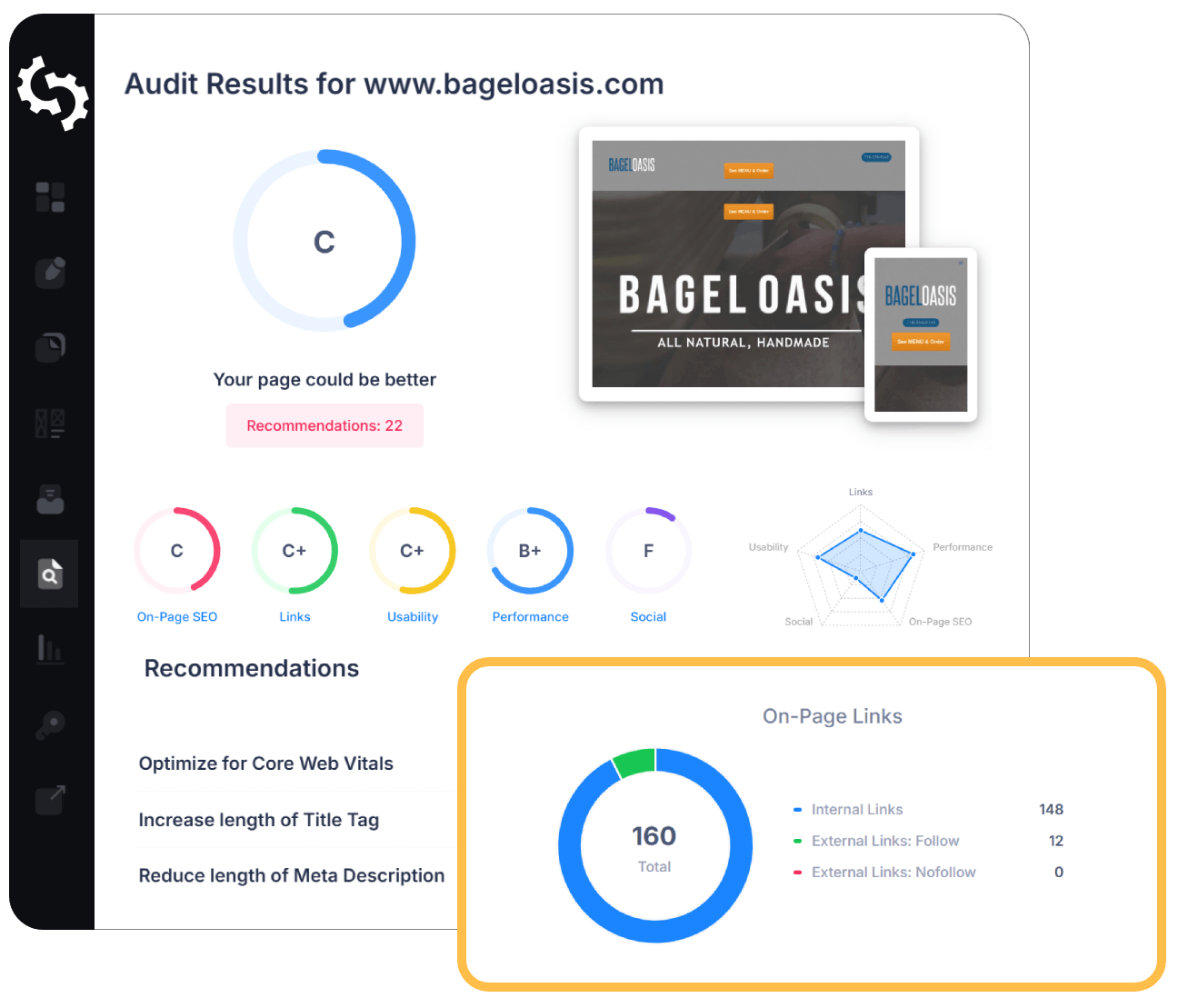
Esegui un audit SEO su qualsiasi sito in pochi secondi
+ Strumenti SEO / GEO completi per ogni esigenza
Esegui oltre 100 controlli sul tuo sito web per SEO On-Page, usabilità, prestazioni, social e link. Ora con GEO incluso in ogni report. SEOptimer offre anche ricerca di parole chiave, monitoraggio del posizionamento, analisi dei backlink e un crawler completo del sito.

Informazioni sui tag hreflang
Cosa fanno i tag hreflang
I tag hreflang indicano ai motori di ricerca che diverse pagine contengono lo stesso contenuto in lingue differenti e quale pagina mostrare a ciascun utente. Senza di essi, le versioni competono tra loro e quella sbagliata viene mostrata al pubblico sbagliato.
Sono anche la soluzione a un problema di contenuti duplicati che non sapevi di avere: due pagine in inglese per il Regno Unito e gli Stati Uniti sono quasi identiche, e gli hreflang spiegano perché entrambe esistono.
Questo generatore crea l’insieme di tag per una pagina, includendo anche le parti che è facile dimenticare.
Le regole che traggono in inganno
- Ogni pagina di un insieme deve elencare tutte le pagine dell’insieme, inclusa se stessa.
- I riferimenti devono essere reciproci. Una pagina elencata che non rimanda a sua volta alla pagina di riferimento viene ignorata.
- Prima la lingua, poi la regione: en-gb, non gb-en, e mai una regione da sola.
- Utilizza URL assoluti.
- x-default è destinato a chiunque abbia una lingua non coperta e conviene impostarlo.
L’autoreferenzialità è l’omissione più comune e invalida l’intero insieme, non solo la singola voce.
Errori comuni
- Codici inventati. È en-gb, non en-uk, che non è una regione valida.
- Hreflang che punta a un URL mentre il canonical di quella pagina punta altrove.
- Inserimento di un URL che reindirizza o che non esiste più.
- Aggiungere hreflang tra pagine che in realtà non hanno gli stessi contenuti.
- Gestire manualmente un insieme numeroso di pagine, ed è proprio lì che si insinuano gli errori di reciprocità.
Hreflang è ancora importante nel 2026?
Per qualsiasi sito che pubblica contenuti in più di una lingua o si rivolge a più di un Paese, sì. Nulla lo ha sostituito e il problema che si verifica in caso di errore è rimasto invariato: la tua pagina in spagnolo si posiziona per gli utenti che effettuano ricerche in inglese, i quali abbandonano il sito.
È importante anche per gli assistenti, perché devono sapere da quale versione attingere per un determinato pubblico, e i tag sono l'indicazione più chiara disponibile.
L’unica cosa che hreflang non fa è aiutare una pagina a posizionarsi se non si posizionerebbe comunque. Determina quale delle tue pagine viene mostrata, non se qualcuna di esse verrà mostrata.
Utilizzo del generatore di tag hreflang
Inserisci questa pagina e la relativa lingua, aggiungi una riga per ogni traduzione e il riferimento alla pagina stessa verrà aggiunto automaticamente. Incolla il risultato nell’elemento head di quella pagina.
Ripeti quindi la procedura per ogni altra pagina del gruppo, indicando gli stessi URL. È ripetitivo per scelta: è la reciprocità a farlo funzionare.
Cosa fare dopo
Controlla i tag una volta online con il verificatore hreflang, verifica che ogni pagina dichiari l'attributo attributo lang HTML corretto e assicurati che il tag canonical di ogni versione punti a se stesso anziché a un'altra lingua.
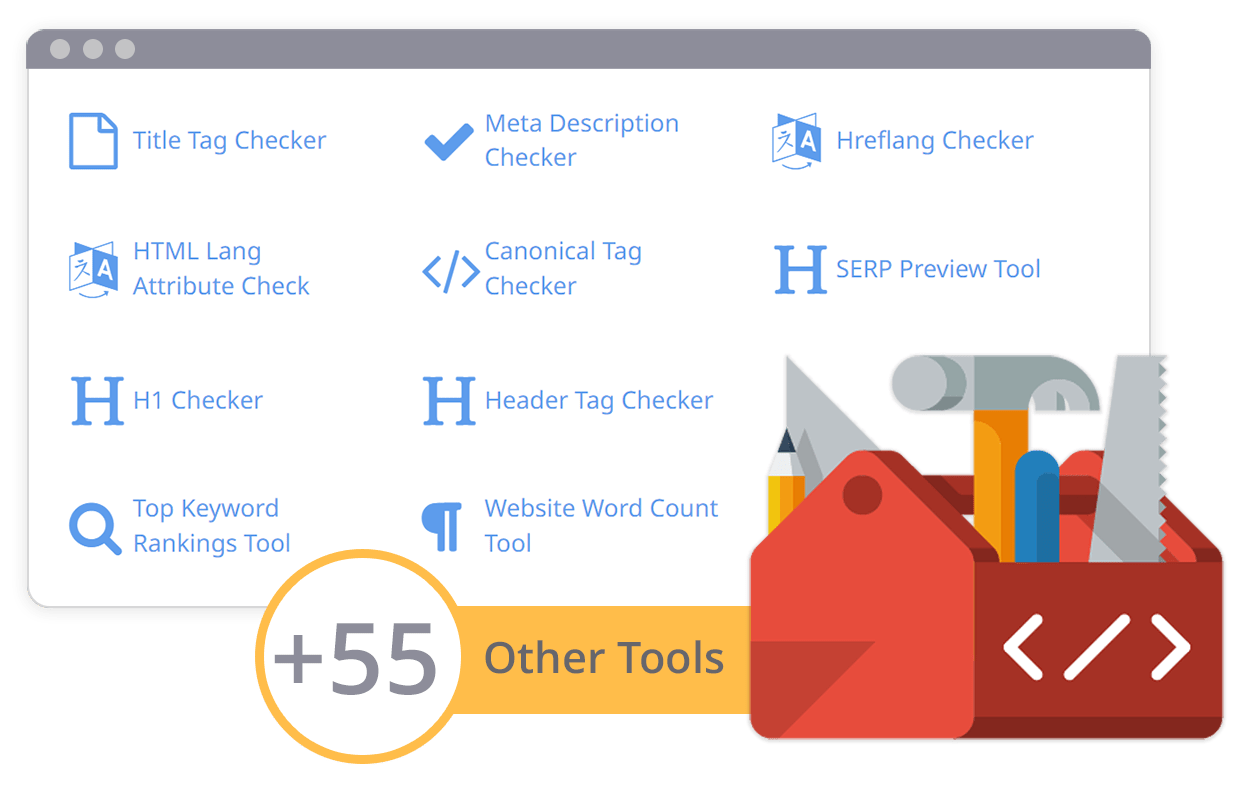
Strumento SEO completo con oltre 55 strumenti
Controlla titoli, meta description, intestazioni, dati strutturati, Core Web Vitals, SSL e robots.txt. Genera meta tag, sitemap e regole .htaccess, minimizza CSS, JS e HTML e crea contenuti con i nostri strumenti di scrittura basati sull’IA, istantaneamente e gratuitamente.
Approfondimenti
Vedi di più
Tag hreflang: Come Implementarlo & Errori Comuni
Il contenuto tradotto sul tuo sito web ti permette di raggiungere un pubblico più ampio, superando le barriere linguistiche e le regioni....

Multilingual SEO: How to Optimize Your Site for Any Language
Multilingual SEO opens up your website to millions—or even billions—of new potential customers.
You know the rush you get when you're r...

International SEO: 4 Challenges You Need to Overcome
It's a small world when it comes to SEO. With just a few clicks, you can reach new customers in every country.
In fact, tapping into in...

When to use Localized Domains, and their SEO Impacts
Does Domain Localization Help My SEO?
Over the last few years, we have seen the rise of local SEO. Here are local SEO stats by Soc...
Canonical URLs: Why They Are Important & How to Use Them
Canonical URLs help webmasters solve the problem of duplicate content issues.
Knowing how to implement them correctly is essentia...