Kontrol af LLM-læsevenlighed
SEOptimers LLM-læselighedskontrol gengiver din side i en rigtig browser og rapporterer, hvor meget læsbart indhold en AI-assistent faktisk ville finde på den.
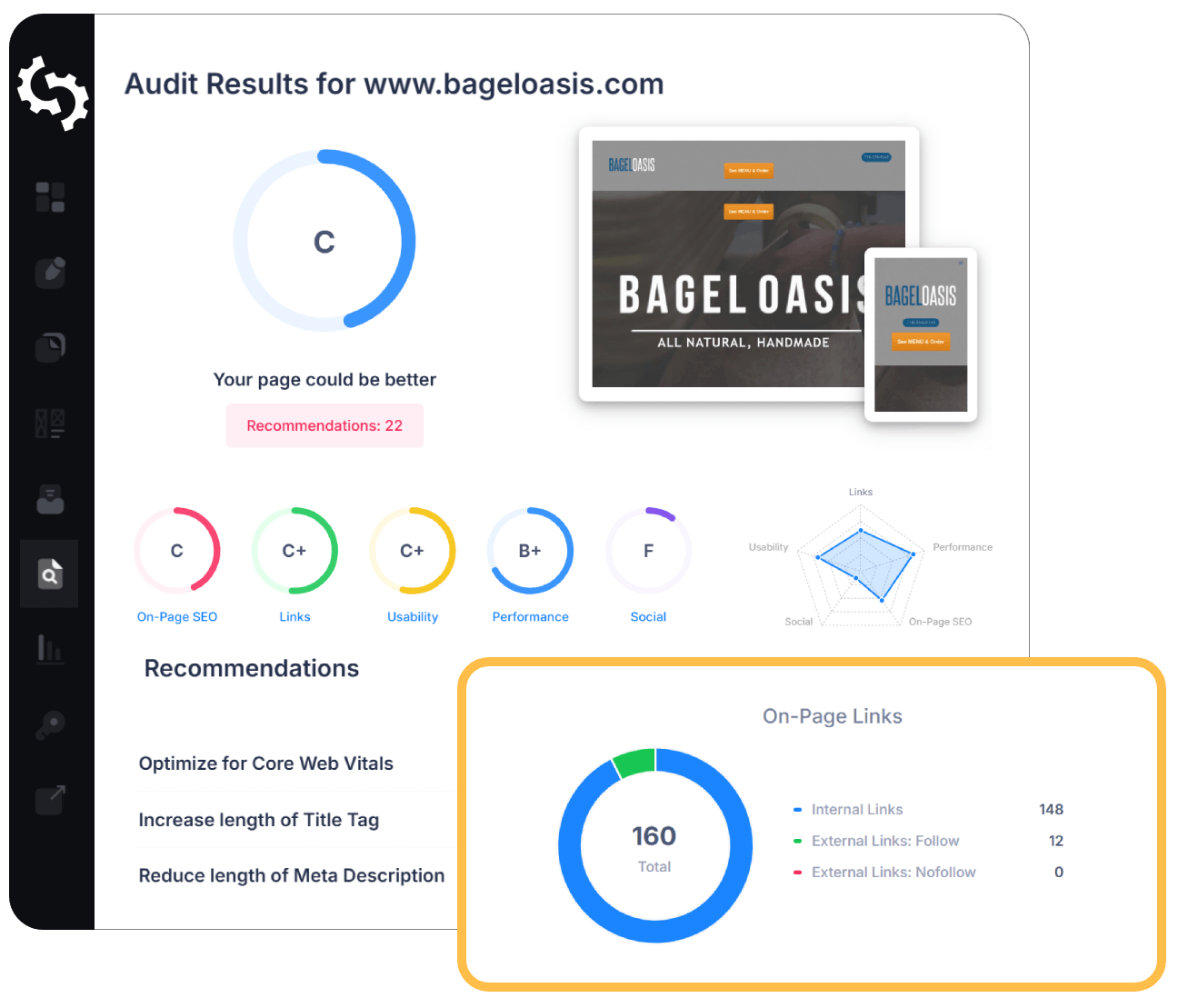
SEO-audit af ethvert website på få sekunder
+ Omfattende SEO-/GEO-værktøjer til alle funktioner
Kør over 100 kontroller af dit website inden for on-page SEO, brugervenlighed, ydeevne, sociale medier og links. Nu med GEO i alle rapporter. SEOptimer tilbyder også søgeordsanalyse, rangsporing, backlinkanalyse og en komplet webcrawler.

Om LLM-læsbarhed
Hvad er LLM-læsbarhed?
LLM-læsbarhed er, hvor meget af din side en AI-assistent faktisk kan læse, når den er blevet gengivet. Det er ikke det, en besøgende ser, og heller ikke det, der står i din kildefil, men den tekst, der er tilbage, når siden er indlæst, og markuppen er fjernet.
De tre ting afviger mere, end folk forventer. En side, der ser indholdsrig ud, kan ende med kun at indeholde et par hundrede brugbare ord, når navigation, cookiebeskeder, widgets med relaterede indlæg og script-tags er trukket fra.
Denne kontrol indlæser din side i en rigtig browser på samme måde som vores audit og rapporterer, hvor meget læsbart indhold der er. En side, som et system kan læse grundigt, kan blive citeret; en side, som det knap nok kan læse, bliver forbigået til fordel for en konkurrent, som det kan læse.
Hvorfor den renderede version er det, der tæller
Indhold, der samles af JavaScript efter indlæsning, er muligvis ikke tilgængeligt for noget, der læser siden. Ikke alle crawlere udfører scripts, og de crawlere, der gør, giver hurtigt op, så en side, hvor hovedteksten indlæses sent, kan blive læst som næsten tom.
Den pålidelige løsning er at levere meningsfuldt indhold i den oprindelige HTML-kode via server-rendering eller statisk generering. Et langsomt script forringer dermed brugeroplevelsen i stedet for at gøre en side usynlig.
Forholdet er lige så vigtigt som mængden. En side, hvor den faktiske tekst er begravet under lag af præsentationsmarkup, er sværere at udtrække rent fra, selvom den gengives perfekt for en person.
Dette er den mindst glamourøse del af at blive citeret og samtidig blandt de mest afgørende, fordi alt andet forudsætter den. Struktur, overskrifter og schema tager alle for givet, at teksten kan tilgås, og det er den del, der har størst sandsynlighed for at gå ubemærket i stykker ved en redesigning – siden ser stadig rigtig ud for alle, der tjekker den i en browser.
Det, der typisk mangler
- Tekst, der indsættes med JavaScript efter det første svar.
- Indhold bag faner, harmonikaer eller "læs mere"-knapper, der aldrig åbner.
- Alt inde i en iframe, som er et separat dokument.
- Tekst, der kun findes inde i et billede, uden et tilsvarende tekstformat.
- Sider, der primært består af brugergrænsefladen, hvor det egentlige indhold kun er et afsnit.
Hvad dette værktøj kontrollerer
Den gengiver din side i en headless-browser og rapporterer det læsbare indhold, der kommer ud af det, så du ser omtrent det, som en maskine, der læser siden, ville have at arbejde med.
Sammenlign det med det, du mener findes på siden. En stor forskel tyder på indhold, der afhænger af scripts, eller på en side, der indeholder mindre substans, end layoutet antyder.
Hvad kan du gøre som det næste
Læsbar tekst er råmaterialet; struktur er det, der gør den anvendelig. Kontrollér, at header-tags giver siden en fornuftig struktur, bekræft, at ordoptælling svarer til det, du havde til hensigt at publicere, og se efter JavaScript-fejl, der kan forhindre indholdet i at blive indlæst.
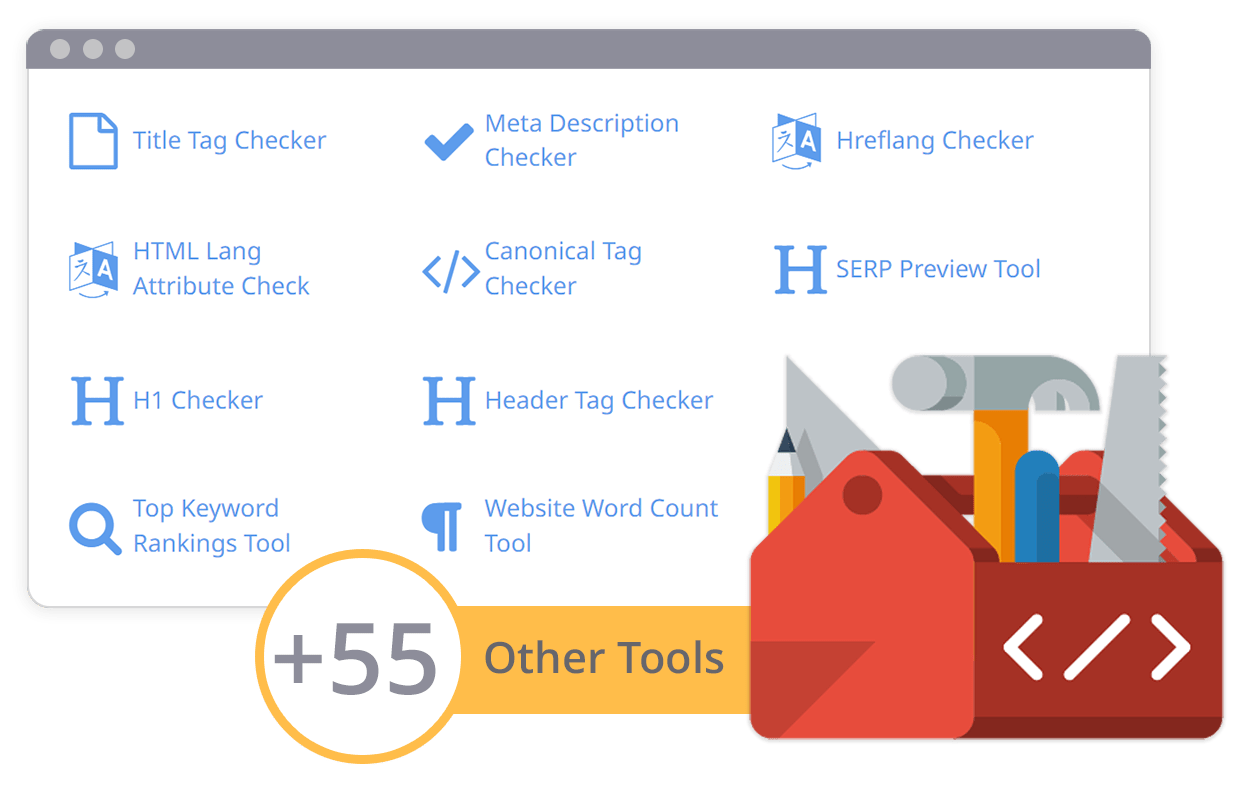
Omfattende SEO-værktøjskasse med over 55 værktøjer
Tjek sidetitler, metabeskrivelser, overskrifter, Schema, Core Web Vitals, SSL og robots.txt. Generér metatags, sitemaps og .htaccess-regler, minificér CSS, JS og HTML, og udarbejd tekster med vores AI-skriveværktøjer – øjeblikkeligt og gratis.
Yderligere læsning
Se Mere
What is Rendered Content and How it Affects AI Crawlers?
Key Takeaway
Rendered content refers to the version of a webpage that a browser displays after executing HTML, CSS, and JavaScript....

AI Crawlability: Should You Let AI Bots Access Your Site and How Can You Check?
As more people use ChatGPT, Claude, Perplexity, and Google’s AI search features, AI crawlability is becoming increasingly important for webs...
How to Structure Content to Get Cited in AI Answers
How to Structure Content for AI Citations
Put the main point at the top of each section.
Make headings describe the exact quest...
AI Content Optimization: How to Optimize Content with AI + Prompts
AI content optimization helps marketers create and refine content by highlighting gaps, improving clarity, and aligning content with what us...
LLM Optimization: How to Get Cited in AI Answers
LLM optimization can help increase the chances of your website being mentioned or cited in answers generated by ChatGPT, Gemini, Claude, and...

Generative Engine Optimization (GEO): Sådan bliver du nævnt i AI-søgemaskiner
Dagene med kun at se 10 blå links i SERP'erne er ved at være slut. Vi ser etablerede aktører som Google og Bing vise AI-sammendrag fo...