AI Slogan Generator
Create catchy, memorable slogans with our AI Slogan Generator. Just enter your brand description, tone, and language to get a unique slogan for your business or website in seconds.
Input
Output
Generated content:
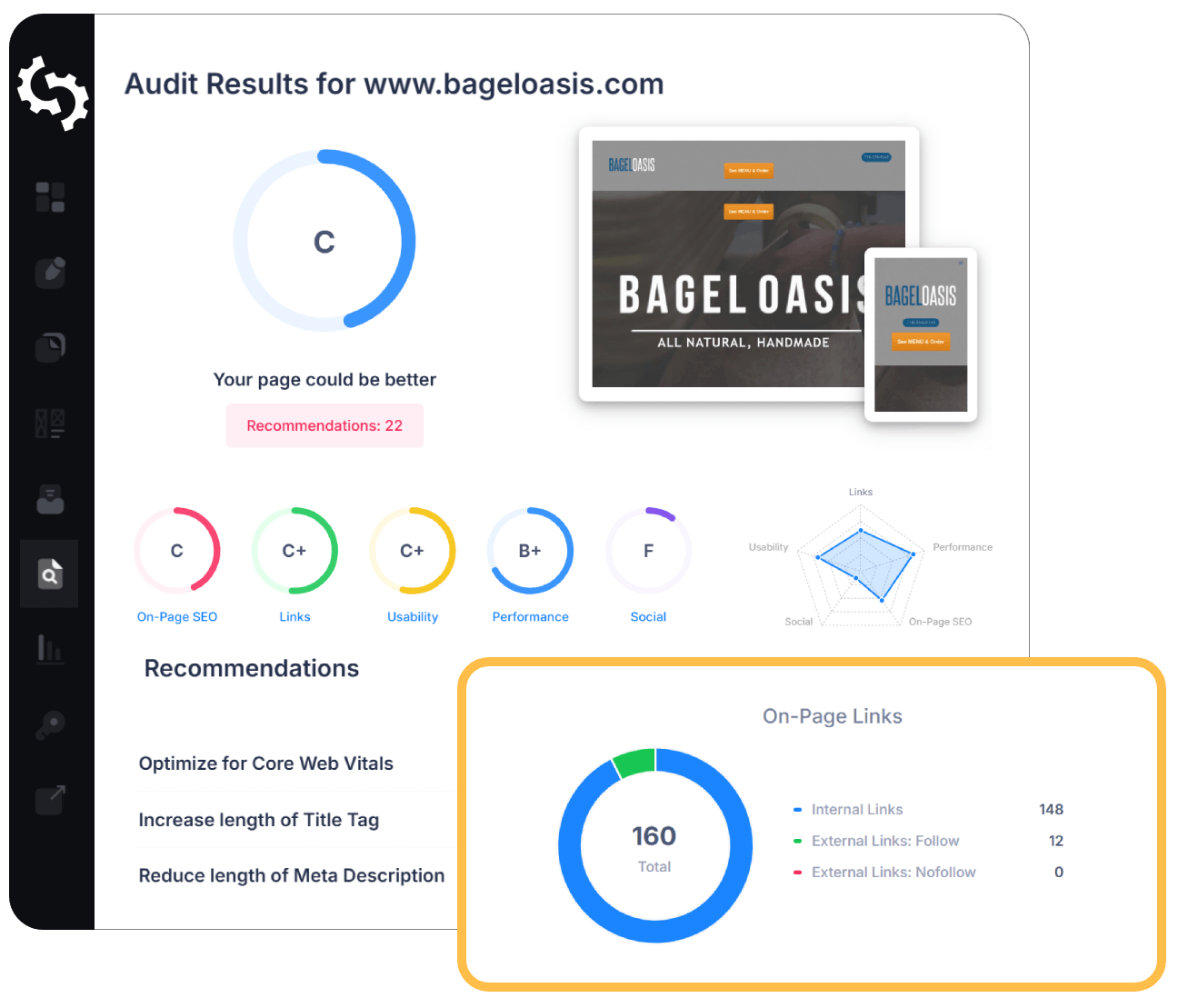
SEO Audit Any Site in Seconds
+ Comprehensive SEO / GEO Tools for Every Function
Run over 100 checks on your website across On-Page SEO, Usability, Performance, Social and Links. Now with GEO in every report. SEOptimer also offers keyword research, rank tracking, backlinks and a full site crawler.

About Slogans
What is a slogan, and how does it differ from a tagline?
The two words get used interchangeably, but the working distinction is useful. A tagline is permanent and sits with the logo; a slogan belongs to a campaign, a product or a season, and is expected to be replaced.
That makes a slogan freer. It can be playful, tied to a moment, or aimed at one audience, because it is not carrying the whole brand for the next decade.
It still has to be memorable enough to survive being heard once, which is the harder constraint and the one most drafts fail.
What makes a slogan stick
- Brevity, because a slogan that needs a breath in the middle is too long.
- Rhythm, since the ones people repeat almost always scan well aloud.
- One idea, not a summary of everything the business does.
- A claim that is actually true of you and not of your competitor.
- Plain words, because a slogan is heard before it is studied.
Common mistakes
- Claims any business in the category could make: quality, service, trust.
- Puns that need the written form to work, then get used on radio.
- Internal language that means nothing to a customer.
- A slogan promising something the product does not deliver, which turns every use into a reminder.
- Choosing by committee, which reliably lands on the least interesting option.
Slogans and brand recall in 2026
A slogan is not a ranking factor, and it would be dishonest to pretend otherwise. What it does is drive the thing that actually helps, which is people searching for you by name.
Branded search is one of the strongest signals of a real business, and it is the one signal competitors cannot copy. A slogan that lodges in memory feeds it every time someone half-remembers an ad and types the phrase.
The same holds for answer engines in 2026: a distinctive phrase attached consistently to your name across sites is part of how a brand becomes a recognisable entity rather than a string of words.
Where the generator helps, and where it does not
Slogan writing is a volume game. Agencies produce a hundred and keep one, and having thirty options in front of you is a far better starting point than three.
The generator has no ear for your market and no memory of what your competitors already say, so the judgement stays with you. Say the shortlist aloud, in a room, before deciding.
Using the AI slogan generator
Describe the brand and choose a tone, and the tool returns several slogan options. A description including what makes you different produces much better results than one listing what you sell.
Run it more than once with different tones. The gap between a playful and a confident set is often where the good idea appears.
Where to go next
If you need the permanent line rather than the campaign one, use the AI tagline generator. The AI ad copy generator turns the idea into a running ad, and the AI business description generator handles the longer form.
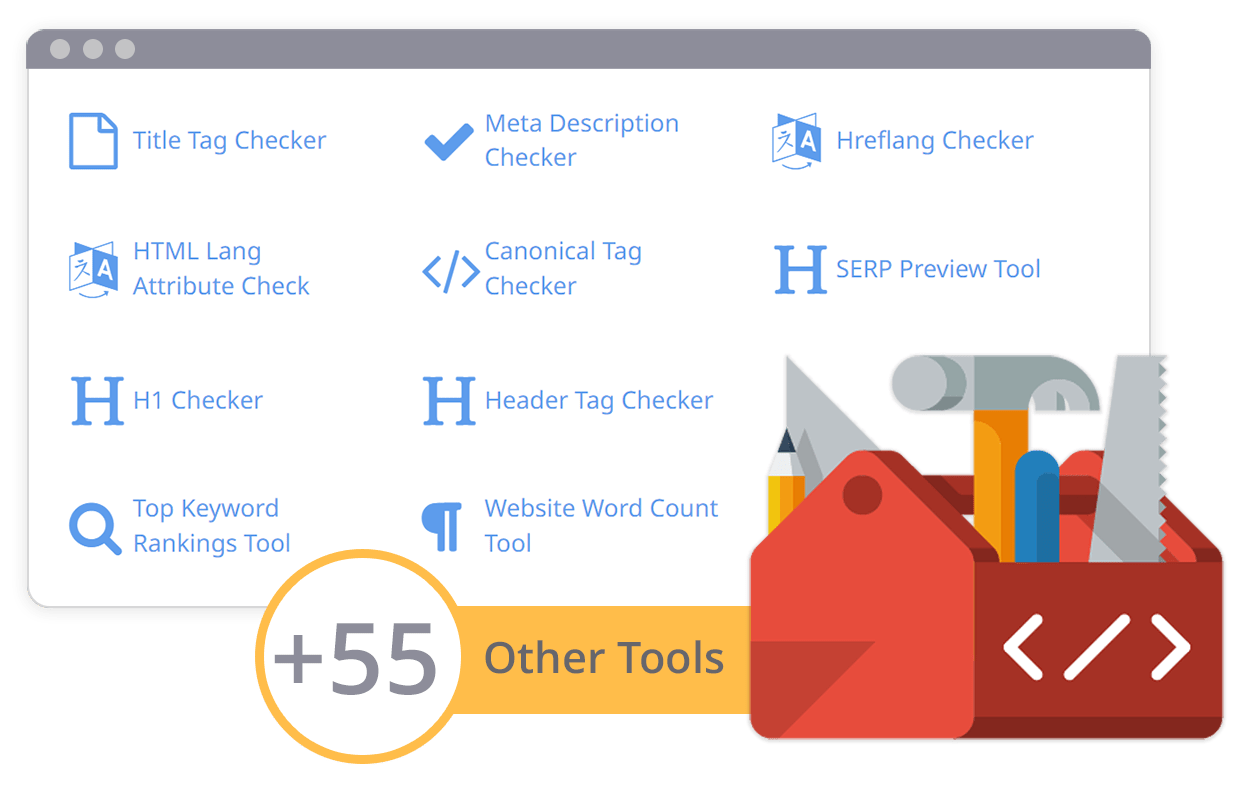
Comprehensive SEO Toolbox with over 55 Tools
Check Titles, Meta Descriptions, Headings, Schema, Core Web Vitals, SSL and Robots.txt. Generate Meta Tags, Sitemaps and .htaccess Rules, minify CSS, JS and HTML, and draft copy with our AI Writing Tools - instantly and for free.
Further Reading
See More
How the Art of Storytelling Can Help Marketers With Brand Positioning
Creating a strong brand positioning strategy is not an easy task in today’s highly saturated markets. People’s attention spans are shorter t...
How to do a Brand Audit with Template & Examples
Today’s business landscape is filled with competition, from new startups to already established companies trying to outwit each other. In...

SEO Copywriting Checklist for Higher Ranking Content
Following an SEO copywriting checklist is quite important if you want to improve your website’s search engine visibility and outrank your co...