AI Ad Copy Generator
Generate high-converting ad copy in seconds with our AI Ad Copy Generator. Simply enter your product description, target audience, value proposition, tone, and CTA to create engaging ads that drive action.
Input
Output
Generated content:
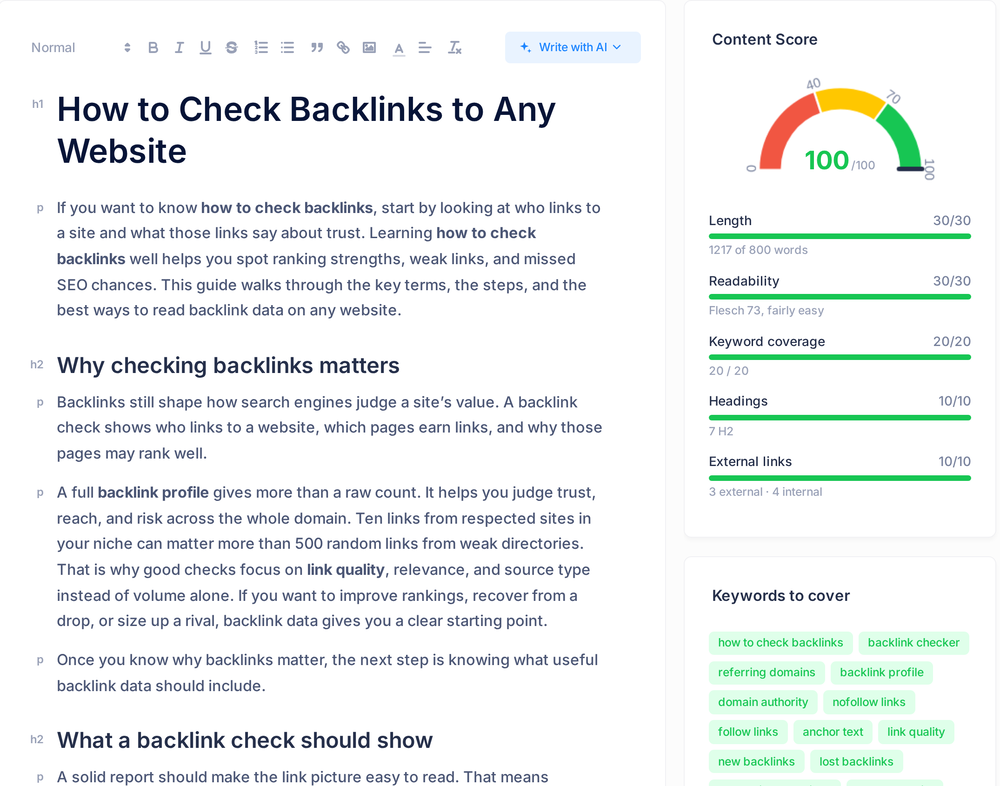
Write SEO Optimized Articles Instantly with AI Writer
AI Writer researches the pages ranking for your target keyword, instantly writes a full article and scores it for keywords, readability, links and length. Create the best content possible with the highest ranking potential with our proprietary algorithms.

About Writing Ad Copy
What makes ad copy work?
Ad copy is interruption. Nobody sought it out, so it has to earn attention in the first few words and then be specific enough to be worth a click that costs you money.
The strongest ads usually name the problem before naming the product. A reader recognising their own situation in the first line will read the rest; a reader shown a product first will not.
The second thing that separates good ad copy from filler is specificity. "Faster reporting" is noise, "reports in under a minute" is a claim, and a claim is what gets remembered.
What belongs in the copy
- The audience, named or clearly implied, so the wrong clicks self-select out.
- The problem, in the words the reader would use themselves.
- One concrete benefit, ideally with a number attached.
- A reason to act now, where a genuine one exists.
- One clear action, since a second option reliably reduces both.
Common mistakes
- Ad copy that does not match the landing page it points to.
- Cramming three propositions into an ad with room for one.
- Superlatives instead of evidence, which readers discount automatically.
- Targeting broadly in the copy and then complaining about lead quality.
- Running one version, so you never learn which idea was doing the work.
Message match deserves the top spot on that list. The click is paid for; the mismatch wastes it after you have already spent the money.
Ad copy and AI in 2026
Ad platforms increasingly generate and recombine assets themselves, which makes the raw production of variants close to free. The scarce input is now judgement about which claim is true and which audience it is for.
That shifts the work upstream. Feeding the machine a sharp proposition and a well-defined audience matters far more than polishing the ninth variation of a headline.
It also raises the value of the landing page, since more automated ad copy means more traffic arriving with expectations set by a machine rather than by you.
Where the generator helps, and where it does not
Variant production is exactly what it is good at. Ten angles on the same product give you something to test, and testing is how ad copy actually improves.
It will invent benefits and specifics if your description is thin, and in advertising an invented claim is a liability rather than an embarrassment. Verify everything factual before it runs.
Using the AI ad copy generator
Enter your product or service, your target audience and your value proposition, then choose a tone. The tool returns ad copy built around that proposition and ending in a call to action.
Generate several sets from genuinely different angles rather than one set of near-identical lines, then test them against each other.
Where to go next
An ad is half the job. Make the destination match with the AI website copy generator, sharpen the ask with the call to action generator, and use the hook generator when the opening line is the part that will not come.
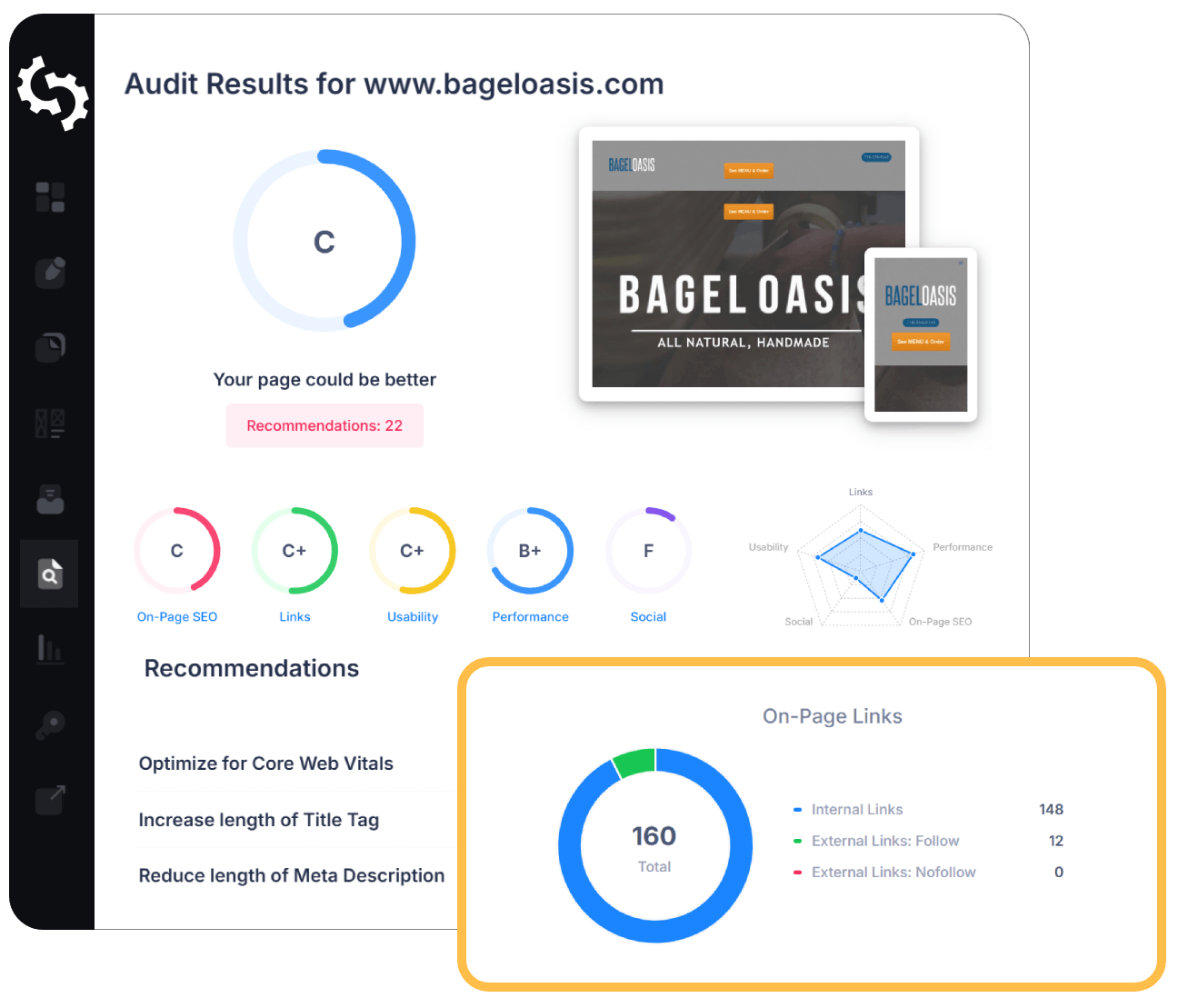
SEO Audit Any Site in Seconds
+ Comprehensive SEO / GEO Tools for Every Function
Run over 100 checks on your website across On-Page SEO, Usability, Performance, Social and Links. Now with GEO in every report. SEOptimer also offers keyword research, rank tracking, backlinks and a full site crawler.
Further Reading
See More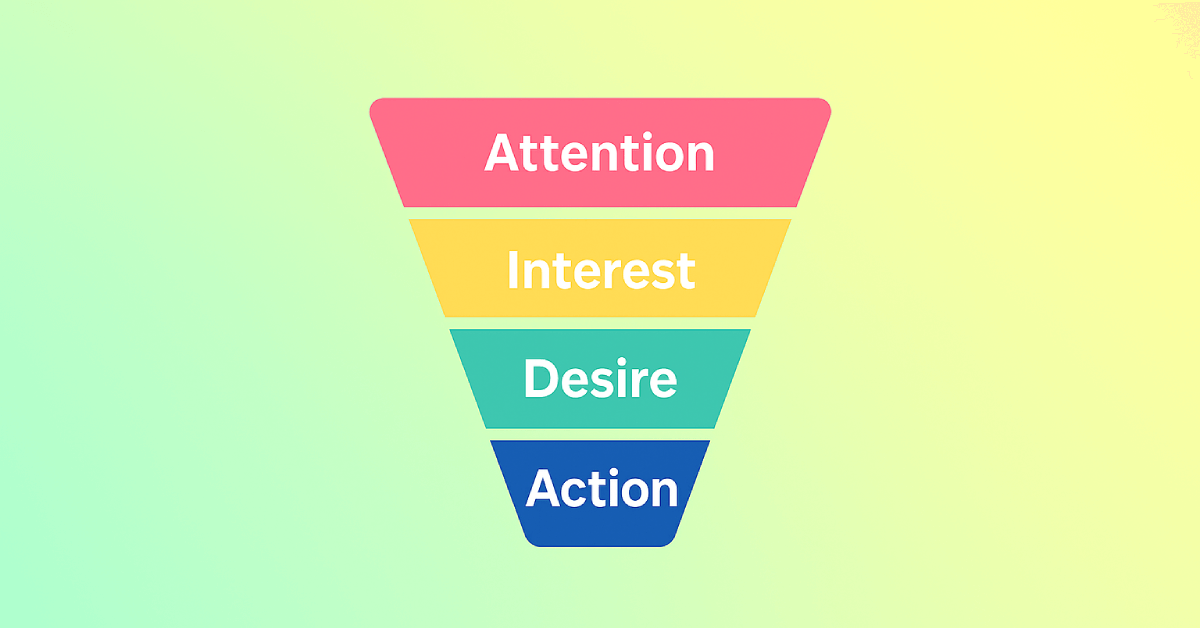
What is AIDA Copywriting?
Copywriting is an essential skill for writing marketing messaging.
Regardless of the medium (digital or physical), copywriting is ho...

How to Drive Up Your CTR and SEO
What Is CTR?
CTR stands for Click Through Rate, and is defined as the percentage of people who click a search result after seeing it.
To see...

SEO Copywriting Checklist for Higher Ranking Content
Following an SEO copywriting checklist is quite important if you want to improve your website’s search engine visibility and outrank your co...

20 of the Best Landing Page Examples for Inspiration
Studying great landing page examples is one of the best ways to learn effective strategy. We’ve rounded up some of our favorites and will...

What is a Conversion Funnel and How Do You Optimize It?
Any business offering products or goods for sale is attempting to shepherd potential customers from general awareness of the business and...