AI Headline Generator
Create compelling, SEO-friendly headlines in seconds with our AI Headline Generator. Just input your topic, tone, and language to get the perfect title for your content.
Input
Output
Generated content:
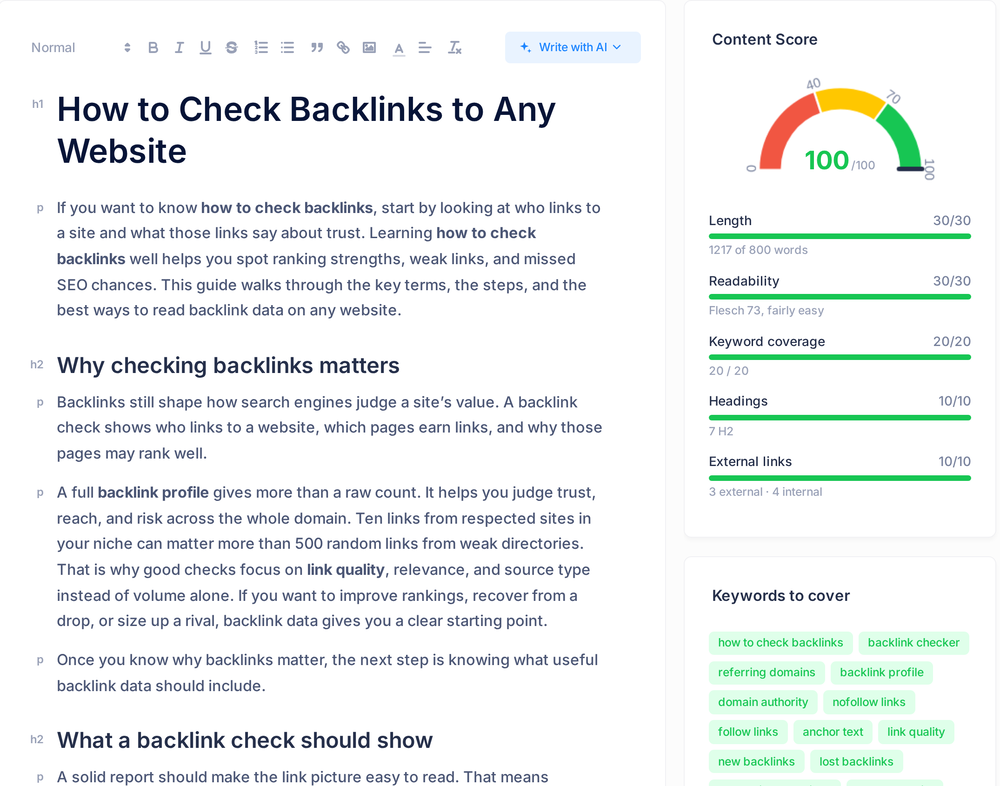
Write SEO Optimized Articles Instantly with AI Writer
AI Writer researches the pages ranking for your target keyword, instantly writes a full article and scores it for keywords, readability, links and length. Create the best content possible with the highest ranking potential with our proprietary algorithms.

About Writing Headlines
What makes a good headline?
A headline makes a promise, and the piece underneath has to keep it. Everything else about headline writing follows from that one obligation, including the parts that feel like tricks.
The reader is deciding in about a second whether this page is about their problem. A good headline answers that by being specific rather than by being clever, which is why "How we cut crawl budget waste by 60%" outperforms "The secret to better crawling" almost every time.
Specificity also protects you. A vague headline attracts everyone and satisfies nobody, and the bounce that follows tells search engines exactly what happened.
What a strong headline contains
- The subject, near the front, where a skimming eye lands first.
- A concrete outcome, number or timeframe rather than an adjective.
- The audience, where the piece is not for everyone.
- A reason this version is different from the twenty results above it.
- A length that survives truncation, which in search results means roughly 70 characters.
Common mistakes
- Curiosity gaps the article never closes, which readers now recognise instantly.
- Headlines written for the writer, describing the process rather than the payoff.
- Stacking every keyword into one headline until it stops sounding like a sentence.
- Superlatives with nothing behind them: ultimate, complete, definitive.
- Writing the headline last, in a hurry, after the real work is done.
How headlines relate to AI search
Headlines and subheadings are how a page gets pulled apart. A system answering a question does not usually quote a whole article; it takes the section whose heading matches, which makes every heading on the page a label deciding what that passage is understood to cover.
A headline naming its subject plainly is far easier to match to a question than one hiding the subject behind a metaphor. The workable compromise is wordplay at the top and clarity in the subheadings beneath, so the page reads well and still breaks apart sensibly.
The other shift is volume. Competent, generic headlines are effectively free to produce now, so the ones earning attention are those carrying a specific claim only you can make - which is also what makes a section worth quoting rather than summarising.
Where the generator helps, and where it does not
It is very good at breaking the grip of your first idea. Most writers latch onto one phrasing and never see the six alternatives, and a list of options makes the range visible immediately.
What it cannot do is know which promise you can actually keep. That depends on what is in the article, which is why the strongest headline usually appears after you edit one of the suggestions to match your real result.
Using the AI headline generator
Enter your topic and pick a tone, and the tool returns several headline options. Feeding it the specific angle rather than the broad subject produces noticeably better results.
Shortlist two, then rewrite them with your own numbers. That step is where a generated headline becomes yours.
Where to go next
A headline is the start of a chain. Check how it will look in search with the SERP snippet preview, tighten the opening with the introduction paragraph generator, and confirm the page title itself with the title tag checker.
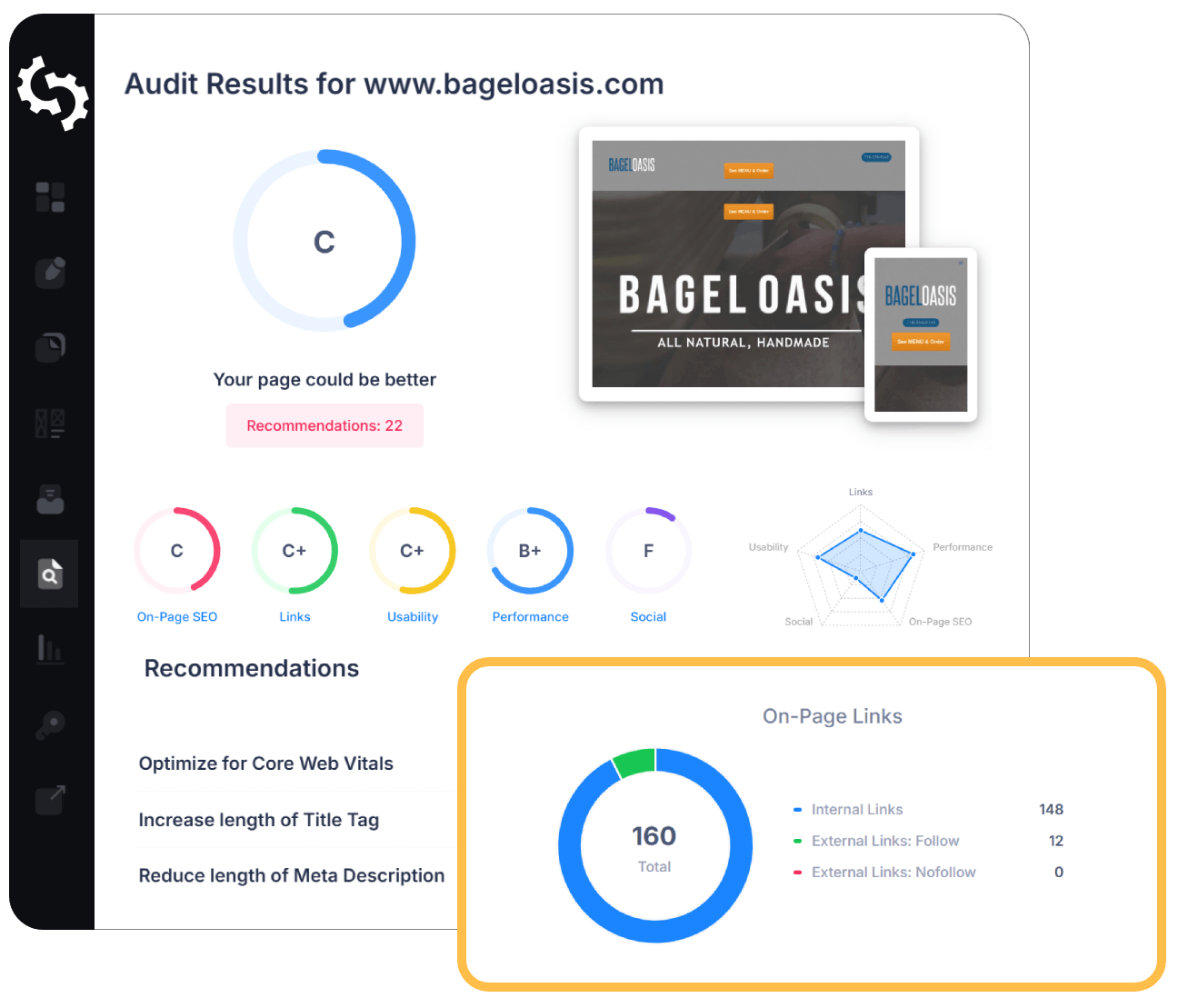
SEO Audit Any Site in Seconds
+ Comprehensive SEO / GEO Tools for Every Function
Run over 100 checks on your website across On-Page SEO, Usability, Performance, Social and Links. Now with GEO in every report. SEOptimer also offers keyword research, rank tracking, backlinks and a full site crawler.
Further Reading
See More
H1 HTML Tag: What Is It? How to Create One and Best Practices
H1 tags are a critical part of your website. Search engines use H1 tags to learn the primary content of a web page.
H1 was always...

SEOptimer's Guide to Header Tags
What are Header Tags?
HTML header tags are used to differentiate different levels of headings and sub-headings within a page.
...

How to Write SEO Headlines That Google Will Love
Writing compelling SEO headlines is a skill that can significantly impact your website's visibility on search engines.
Google's alg...

How to Drive Up Your CTR and SEO
What Is CTR?
CTR stands for Click Through Rate, and is defined as the percentage of people who click a search result after seeing it.
To see...
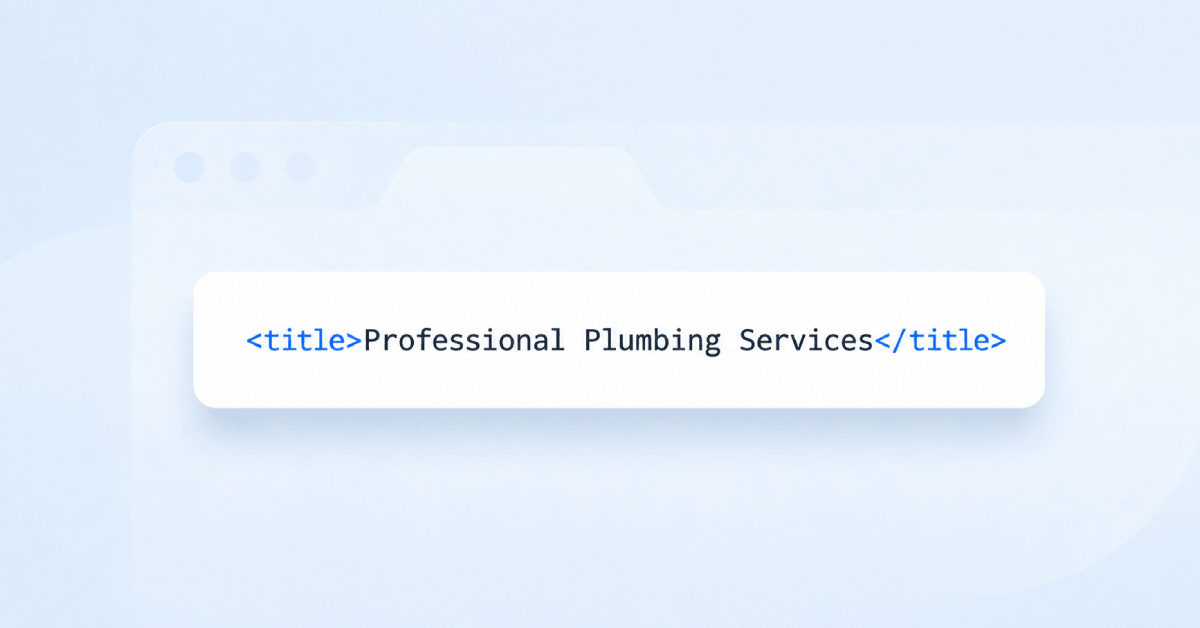
What is a Title Tag? How to Write Better SEO Titles
What is a Title Tag?
A title tag is an HTML element that tells search engines and users what a webpage is about. It appears as the c...

SEO Copywriting Checklist for Higher Ranking Content
Following an SEO copywriting checklist is quite important if you want to improve your website’s search engine visibility and outrank your co...