AI Acronym Generator
Create smart, memorable acronyms in seconds with our AI Acronym Generator. Just enter your ideas or text, and get a custom acronym that fits your brand or concept.
Input
Output
Generated content:
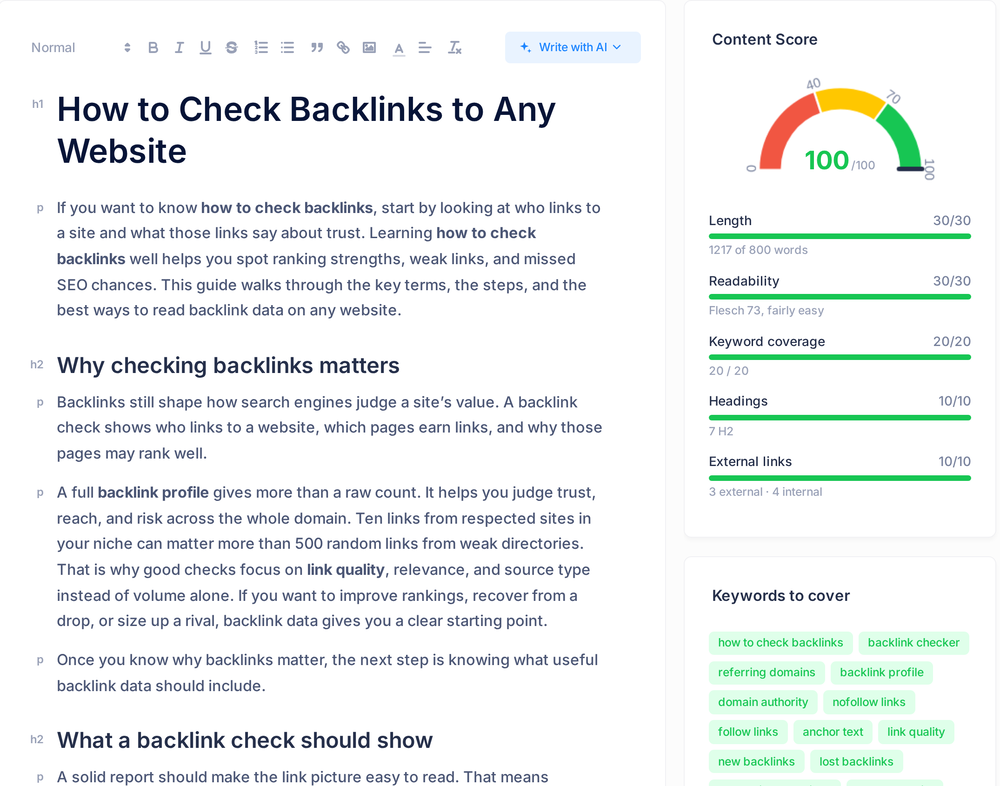
Write SEO Optimized Articles Instantly with AI Writer
AI Writer researches the pages ranking for your target keyword, instantly writes a full article and scores it for keywords, readability, links and length. Create the best content possible with the highest ranking potential with our proprietary algorithms.

About Acronyms
What makes a good acronym?
A good acronym is pronounceable, memorable, and short enough that saying it is genuinely faster than saying the thing it stands for. If people spell it out letter by letter, it has failed at the only job it had.
The best ones mean something in their own right, so the word itself carries a hint of the subject. That is what separates an acronym people adopt from one that appears once in a document and is never spoken aloud.
It also has to survive the expansion being forgotten. Most people using a well-established acronym could not reliably state what the letters stand for, which is fine, and a sign the acronym is doing its work.
What to check before adopting one
- Say it out loud. If it is awkward to pronounce, it will not be used.
- Search it. A collision with an established acronym in your field creates permanent confusion.
- Check it in other languages, particularly if you operate internationally.
- Make sure it is not already taken as a product or company name.
- Test whether it survives being written without explanation.
- Ask whether it earns its place at all, which is the question most often skipped.
Write the full term on first use and keep both forms in play afterwards. People look for whichever version they happen to know, and for an acronym you have coined yourself the expansion is the only thing giving the short form any meaning.
When not to use an acronym
Acronyms are a compression tool, and compression only helps when the term is used often enough to be worth compressing. A term appearing three times in a document should be written out three times.
They also exclude. Every acronym is a small barrier to anyone who does not already know it, which makes them costly in writing aimed at newcomers and cheap in writing aimed at specialists.
The safe convention is to expand on first use, then abbreviate. Writing that does not bother is usually writing that has forgotten who it is for.
Where an AI acronym generator helps, and where it does not
It is good at the combinatorial part, which is tedious by hand: finding letter arrangements that produce a real, pronounceable word from the concepts you supply.
It cannot tell you whether the result is already in use, whether it means something unfortunate in another language, or whether your audience will adopt it. Those are the checks that decide whether an acronym survives.
Treat the output as a shortlist to research rather than a name to announce.
Using the AI acronym generator
Enter your ideas or text and the tool proposes acronyms built from them. Supplying the key concepts rather than a full description gives it better material to work with.
Then do the checks above before committing. Renaming something after it has been published is far more expensive than searching for a collision beforehand.
Where to go next
Naming problems come in families. Try the abbreviation generator for a shorter form, the slogan generator if you need a line rather than a name, and the AI blog post generator tool when it is time to explain the thing you have named.
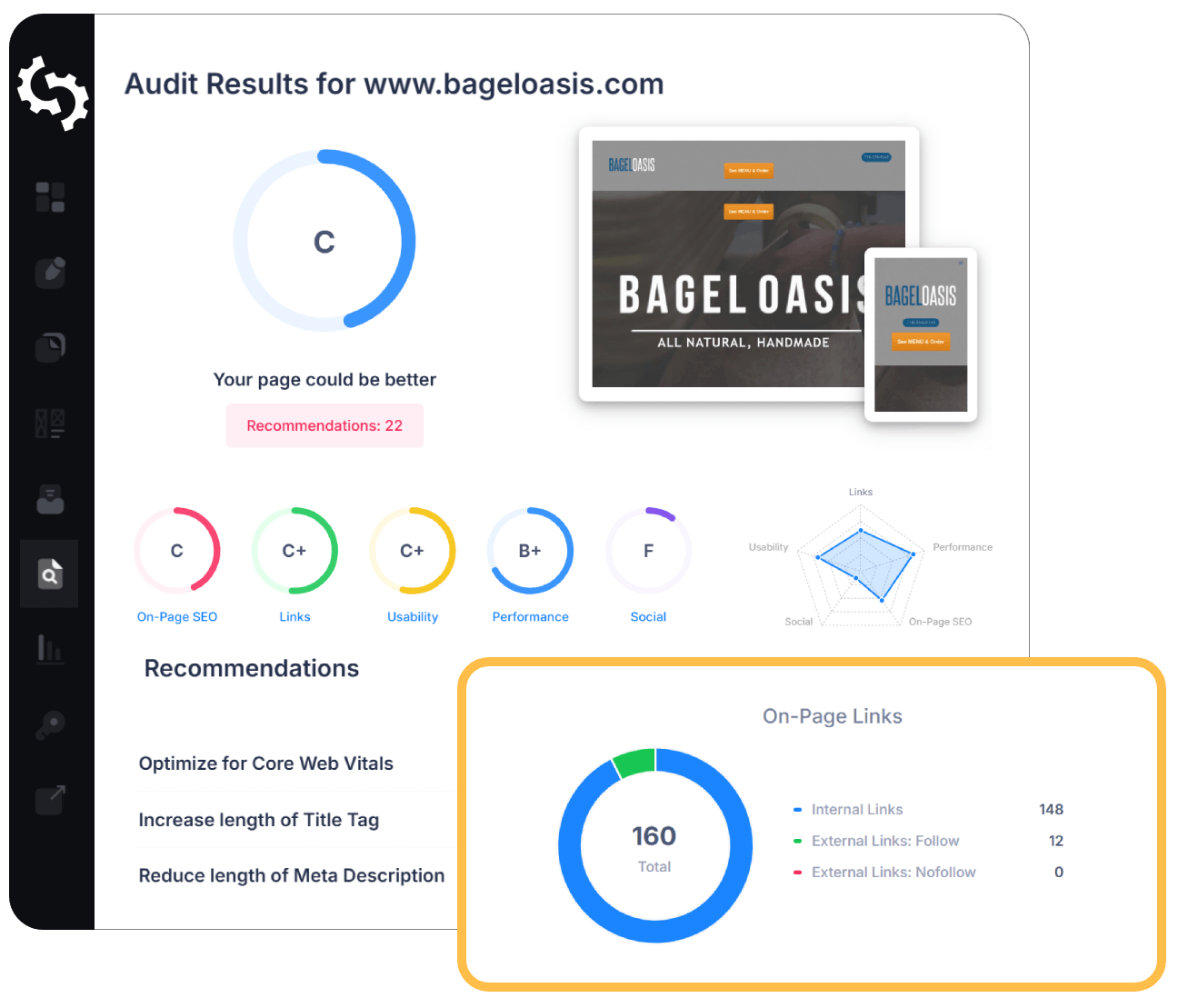
SEO Audit Any Site in Seconds
+ Comprehensive SEO / GEO Tools for Every Function
Run over 100 checks on your website across On-Page SEO, Usability, Performance, Social and Links. Now with GEO in every report. SEOptimer also offers keyword research, rank tracking, backlinks and a full site crawler.
Further Reading
See More
SEO Copywriting Checklist for Higher Ranking Content
Following an SEO copywriting checklist is quite important if you want to improve your website’s search engine visibility and outrank your co...