Sprawdzanie schematu tożsamości
Narzędzie SEOptimer do sprawdzania schematu tożsamości wyszukuje znaczniki Organization lub Person, które informują wyszukiwarki i asystentów AI, kto stoi za daną witryną.
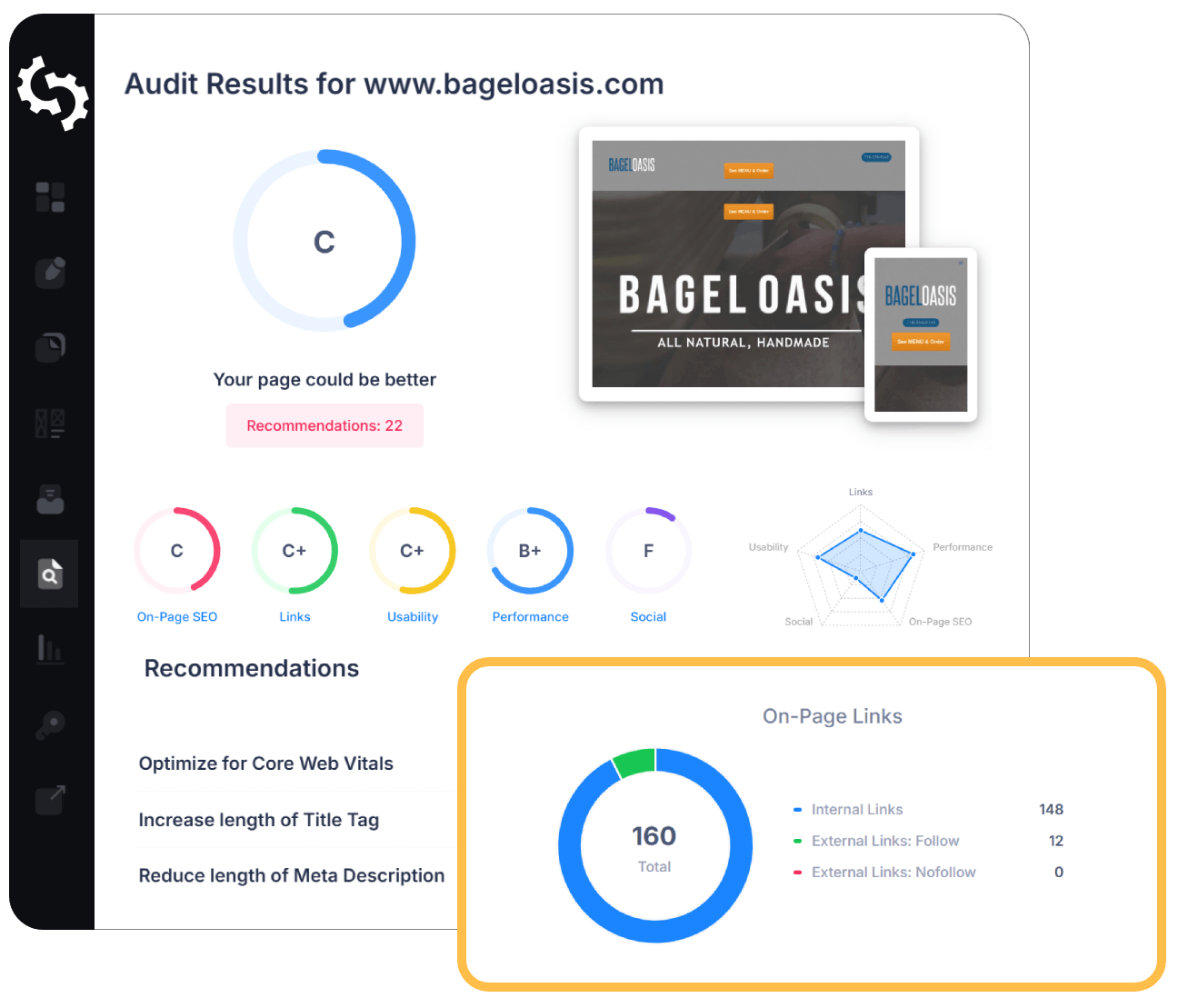
Audyt SEO dowolnej witryny w kilka sekund
+ Kompleksowe narzędzia SEO / GEO do każdego zadania
Wykonuj ponad 100 kontroli swojej witryny w zakresie SEO on-page, użyteczności, wydajności, mediów społecznościowych i linków. Teraz z GEO w każdym raporcie. SEOptimer oferuje również badanie słów kluczowych, monitorowanie pozycji, analizę linków zwrotnych oraz pełne indeksowanie witryny.

Informacje o schemacie tożsamości
Czym jest schemat tożsamości?
Schemat tożsamości to uporządkowane dane, które wskazują, kto stoi za daną witryną. W praktyce oznacza to blok Organization w przypadku firmy lub blok Person w przypadku osoby fizycznej, zawierający nazwę podmiotu, jego logo, oficjalną witrynę oraz należące do niego profile.
Większość stron zawiera dane strukturalne pewnego rodzaju — ścieżkę nawigacyjną, blok artykułu, produkt — bez wskazania, kto je publikuje. To właśnie tę lukę wykrywa ta kontrola.
Narzędzie odczytuje podaną stronę i informuje, czy są na niej obecne znaczniki identyfikacyjne.
Dlaczego jednoznaczne określenie swojej tożsamości ma znaczenie
Wyszukiwarki i asystenci AI tworzą obraz organizacji, gromadząc wzmianki z całego internetu i ustalając, które z nich dotyczą tego samego podmiotu. Nazwy bywają niejednoznaczne, a wiele firm ma taką samą nazwę.
Schemat tożsamości eliminuje domysły. W formie przeznaczonej do odczytu maszynowego informuje, że ta witryna należy do encji o podanej nazwie, z tym logo, a wskazane profile społecznościowe należą do tej samej organizacji.
To właśnie zamienia rozproszone wzmianki w jedną, stale budowaną reputację, zamiast kilku fragmentów, które nigdy nie tworzą spójnej całości.
Co uwzględnić
- Nazwa prawna lub handlowa, zapisana dokładnie tak samo, jak wszędzie indziej.
- Logo dostępne pod niezmiennym adresem URL, wyświetlane obok nazwy w wynikach wyszukiwania.
- Kanoniczny adres URL samej witryny.
- Wpisy sameAs dotyczące profili w mediach społecznościowych i katalogów firm, które rzeczywiście należą do Ciebie.
- Dane kontaktowe — wszędzie tam, gdzie je publikujesz.
- W przypadku osobistej witryny — blok Person określający rolę i organizację.
Umieść go co najmniej na stronie głównej. Jeszcze lepiej umieścić go w całej witrynie — większość szablonów umożliwia to bez problemu.
Jak ma to związek z wyszukiwaniem opartym na AI w 2026
Asystenci odpowiadający na pytania o firmę jednocześnie gromadzą informacje z wielu źródeł i przywiązują dużą wagę do zgodności między nimi. Znaczniki identyfikacyjne to najprostszy sposób, aby wskazać, które źródła dotyczą Ciebie.
Wzmacnia również sygnały eksperckości i zaufania, które decydują o tym, czy dane źródło jest warte cytowania. Autor z blokiem Person powiązanym z rzeczywistą organizacją jest źródłem, któremu łatwiej przypisać autorstwo, niż anonimowa strona.
Nic z tego nie zadziała, jeśli te informacje nie będą zgodne z tym, co publikujesz w innych miejscach, dlatego warto sprawdzić spójność w całej witrynie, na profilach i w katalogach.
Co sprawdza to narzędzie
Sprawdza, czy na wprowadzonej stronie znajdują się dane strukturalne Organization lub Person, i informuje, czy są obecne.
Potwierdza obecność, a nie przeprowadza audytu każdej właściwości, dlatego oznaczenia, które istnieją, ale zawierają niewiele informacji, nadal przechodzą. Potraktuj wynik pozytywny jako punkt wyjścia i porównaj zawartość z powyższą listą.
Co dalej
Tożsamość jest tylko jednym z elementów szerszego obrazu oznaczeń. Przejrzyj wszystkie dane dane strukturalne na stronie, sprawdź szczegóły firma lokalna, jeśli obsługujesz określony obszar fizyczny, i potwierdź, że profile media społecznościowe, które podajesz, są faktycznie połączone ze stroną.
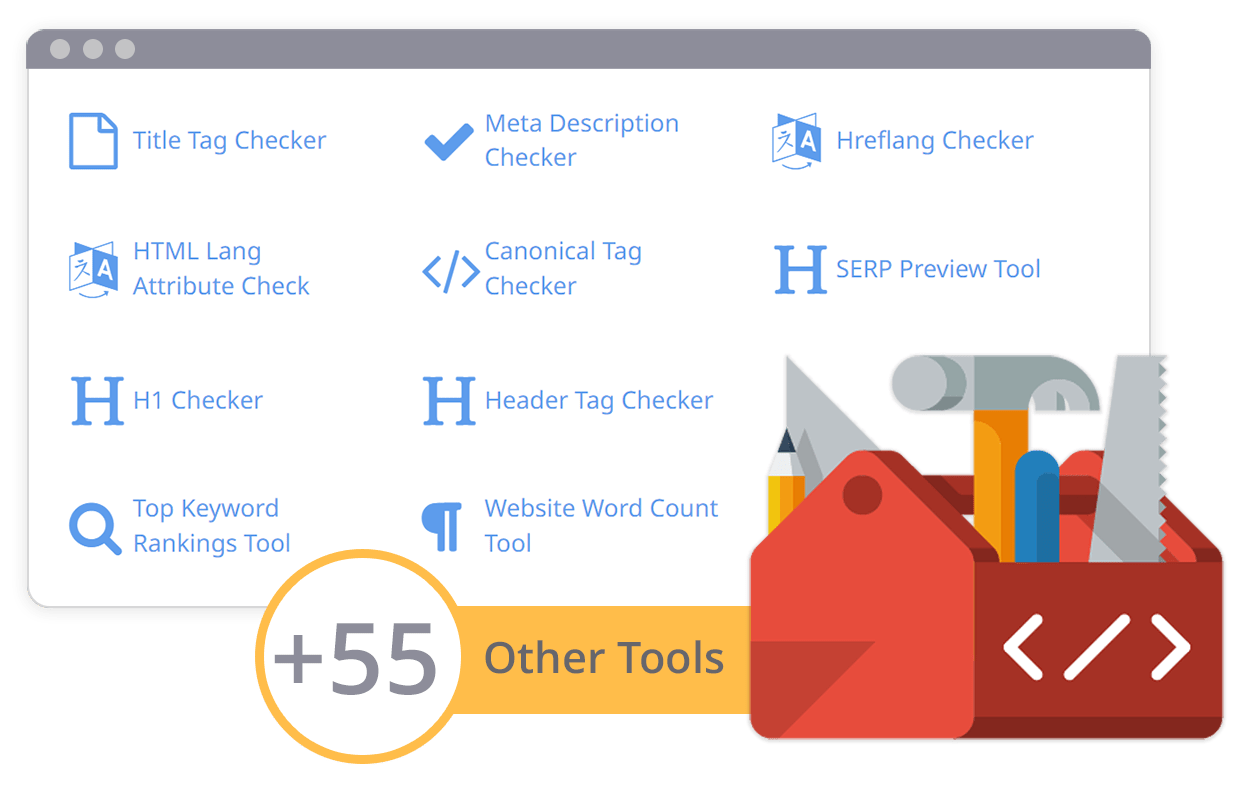
Kompleksowy zestaw narzędzi SEO obejmujący ponad 55 narzędzi
Sprawdzaj tytuły, metaopisy, nagłówki, dane strukturalne, podstawowe wskaźniki internetowe, SSL i plik robots.txt. Generuj metatagi, mapy witryn i reguły .htaccess, minifikuj CSS, JS i HTML oraz twórz treści za pomocą naszych narzędzi AI do pisania — natychmiast i za darmo.
Dalsza lektura
Zobacz więcej
Schema Markup for AI Search: Complete Guide
Roughly 43% of consumers now use AI-powered tools daily when researching brands or businesses online. (source)
And Search Engine Lan...
How to Structure Content to Get Cited in AI Answers
How to Structure Content for AI Citations
Put the main point at the top of each section.
Make headings describe the exact quest...

What is AI Visibility and What Influences It?
Key Takeaway: AI visibility is how often your brand gets mentioned, cited, or recommended in answers from AI tools like ChatGPT, Gemini, Per...
AI Search Trust Signals: How to Build Authority and Trust for AI Search
When someone uses Google, they can compare multiple results and decide which website they trust.
AI search works a little differentl...
On-Page SEO: Complete Guide + Checklist for 2026
What is On-Page SEO?
On-page SEO is the process of optimizing the content and elements on a webpage so that search engines can bette...