Low Competition Keyword Finder
Find low competition keywords around any seed term. Set the maximum keyword difficulty you are willing to take on, and see only the keywords that qualify.
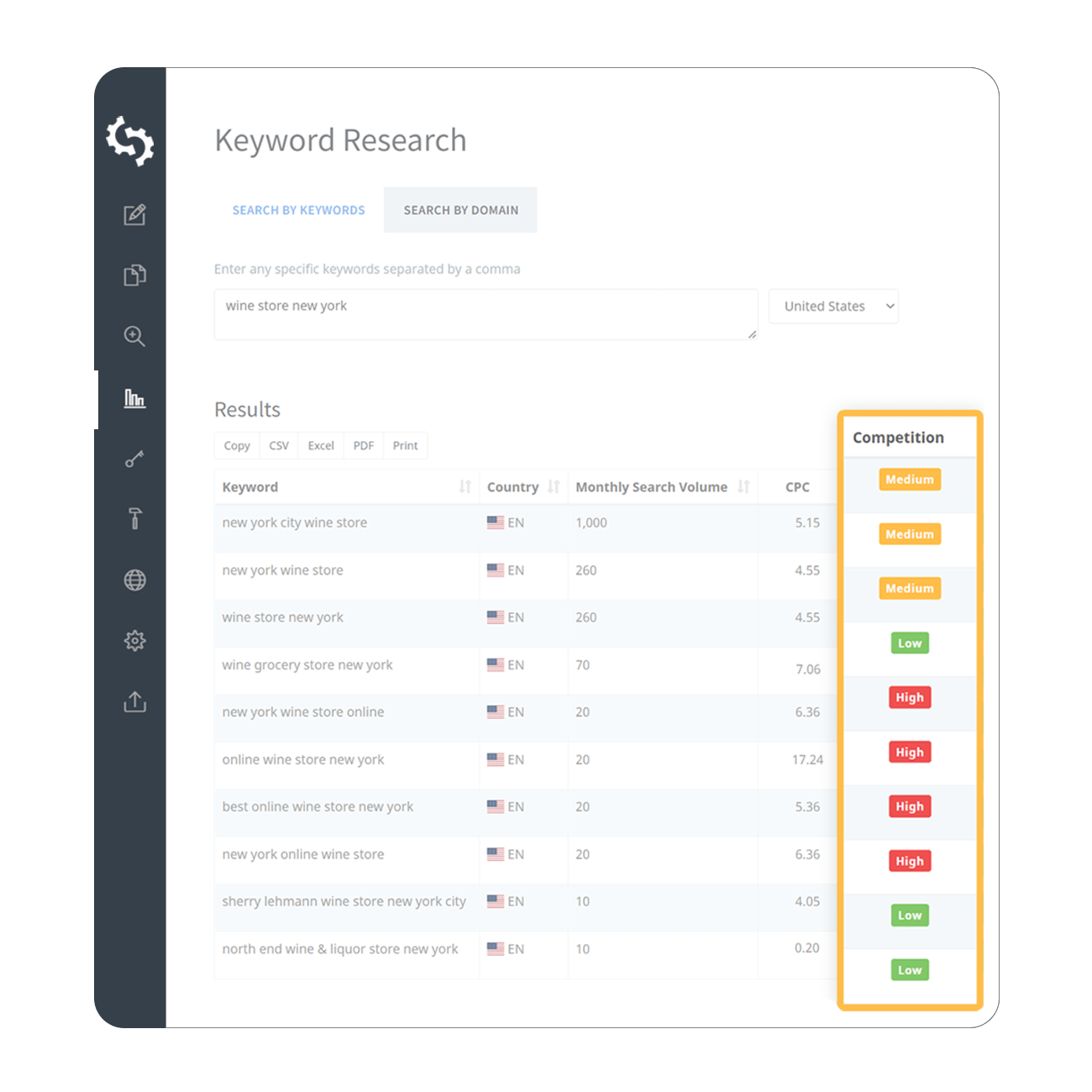
Find the Keywords Worth Ranking For, Then Watch Them Move
Real search volume, CPC and competition data for any market, so you know which phrases are worth the work before you start. Then track your positions daily on Google and Bing, on desktop and mobile, and down to the city for local search - with scheduled reports that show clients exactly what changed.

About Low Competition Keywords
What makes a keyword low competition?
A keyword is low competition when the pages already ranking for it are weak enough to displace. It describes the incumbents rather than the phrase, which is why two similar-looking terms can sit at opposite ends of the scale.
Difficulty is scored from 0 to 100 from the strength of those pages, chiefly the size and quality of the link profiles behind them. Under 20 generally means a competent page has a real chance without a link building campaign behind it.
This tool asks only that question. It applies no volume floor at all, so a term searched a handful of times a month appears alongside one searched thousands of times, provided both are within reach.
Why no volume floor here
Leaving volume out is the point of this version. Plenty of genuinely valuable keywords report low or even zero volume - new terminology, niche product names, specific questions - and a floor would hide exactly those.
Results are still ordered by search volume, so anything substantial sits at the top and the long tail follows. You see the whole range and decide, rather than having the decision made before you see it.
If you would rather filter on both at once, the high volume, low competition tool adds a volume floor to this same list.
The trap in a list like this
Most keywords are low difficulty for an unhappy reason. Nobody competes for them because there is nothing to win - demand is tiny, intent is idle, or the search is answered on the results page without a click.
Treat a low score as an invitation to look rather than as a verdict. The keywords worth having are cheap to reach and still lead somewhere, and only the first half of that is visible in the difficulty column.
Cost per click is the quickest sanity check. If advertisers pay for a term, somebody has established the visit is worth money; if nobody bids at all, be honest about what ranking would earn you.
Choosing a difficulty ceiling
The default of 20 is deliberately conservative. It is a starting point rather than a recommendation, and the right number depends far more on your site than on the keyword.
- Around 10 for a new site with few links, where 20 may still be optimistic.
- Around 20 to 30 for an established site with some authority behind it.
- Higher than 40 only where you are willing to build links to win the term.
- Lower it further if the list comes back long and undifferentiated.
An empty result is information rather than a fault. It usually means the seed itself sits in a competitive space, and the seed is the thing to change.
Do low competition keywords still work in 2026?
They remain the most reliable route for a site without authority, because the alternative - competing for the terms everybody wants - is decided largely by links and age, and neither is acquired quickly.
What has changed is the ceiling. AI summaries take the simplest informational searches, which is where a lot of low difficulty terms live, so the easiest keywords to rank for are also the likeliest to be answered without a visit.
That pushes the value towards specific, practical terms: comparisons, decisions, tasks with an outcome. Those are harder to summarise away, and are usually the ones carrying a cost per click.
What this tool checks
The tool takes a seed keyword, asks our index for related keywords, and keeps only those at or below the maximum difficulty you set. Results are ordered by search volume, so the largest opportunity that passed sits first.
The threshold is applied when the list is built rather than to a list already fetched. Ordered by volume alone, the top of an unfiltered list is almost entirely keywords far too competitive to be worth your time.
Figures come from our index rather than a live search, so they describe the picture held for those keywords and that location rather than results as they stand this second.
Where to go next
Once a keyword looks promising, price it properly. Score it on its own with the keyword difficulty checker, see every figure side by side in the keyword statistics tool, and confirm what searchers want from it with the keyword search intent tool.
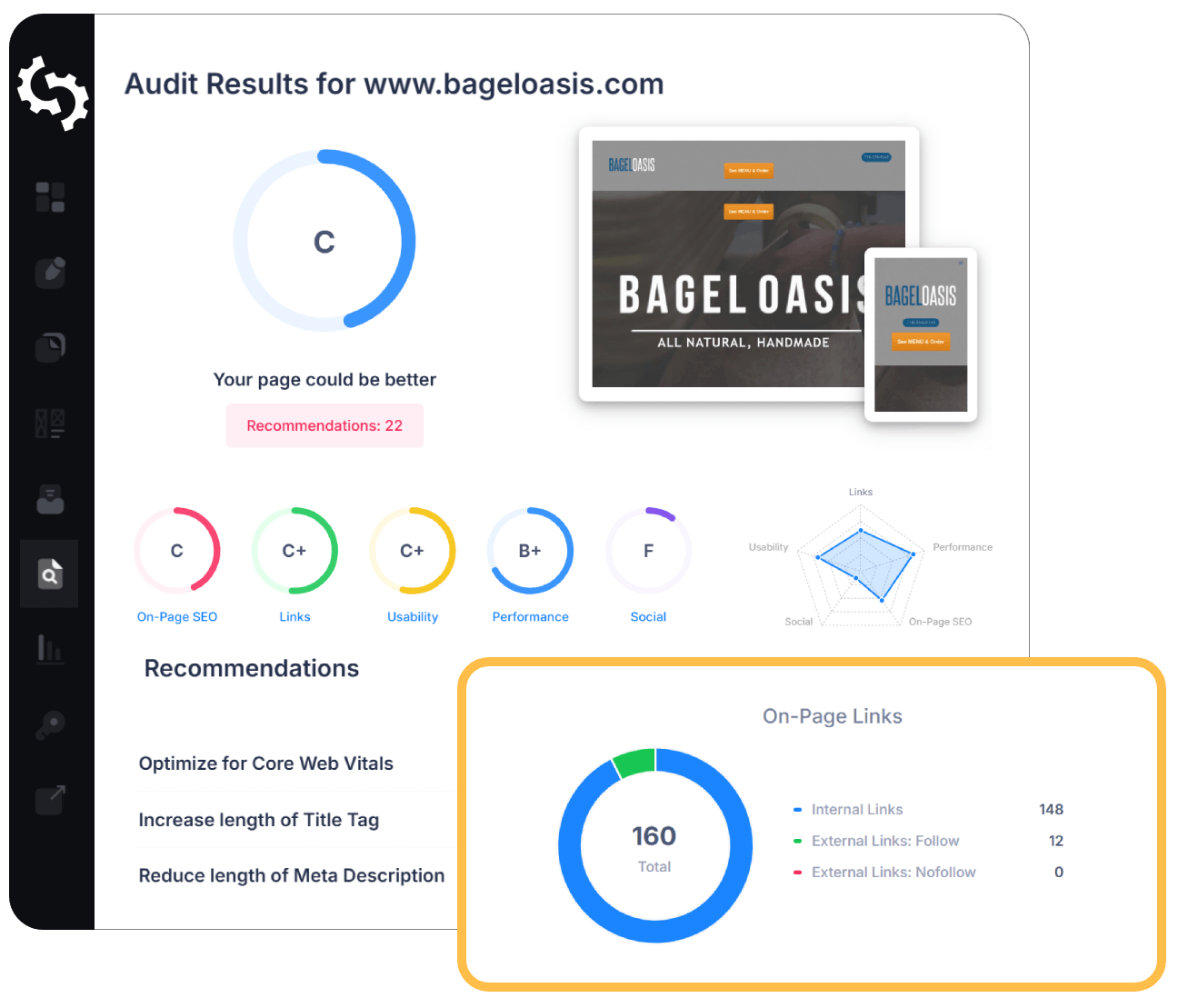
SEO Audit Any Site in Seconds
+ Comprehensive SEO / GEO Tools for Every Function
Run over 100 checks on your website across On-Page SEO, Usability, Performance, Social and Links. Now with GEO in every report. SEOptimer also offers keyword research, rank tracking, backlinks and a full site crawler.
Further Reading
See More
How to Find Low Hanging Fruit Keywords for SEO
Do you feel like climbing the SEO ranks is an impossible uphill battle with big competitors hogging the top spots? The secret to getting ahe...

Long Tail vs Short Tail Keywords: What’s the Main Difference?
Many SEOs and marketers wonder what's the difference between long tail vs short tail keywords. Understanding the difference between these tw...
6 Powerful Tips to Rank in a Competitive Niche
Ranking in a competitive niche can feel like an uphill battle. But with the right strategies, it's entirely possible to start ranking for th...

5 Key Reasons Why Keyword Research is Important for SEO
Is keyword research still important for SEO? The answer to that question is a resounding yes!
Keyword research is the foundation o...

9 Popular Types of Keywords in SEO (and How to Use Each)
If you want to optimize your website for search engines, understanding the different types of keywords in SEO is quite important.
Us...

What are High Intent Keywords & How to Use Them in SEO
Understanding and leveraging high intent keywords is paramount to driving targeted traffic and increasing conversions. These keywords are th...