低競合キーワードファインダー
任意のシードキーワードに関連する、競合の少ないキーワードを見つけましょう。許容できるキーワード難易度の上限を設定し、条件を満たすキーワードだけを表示できます。
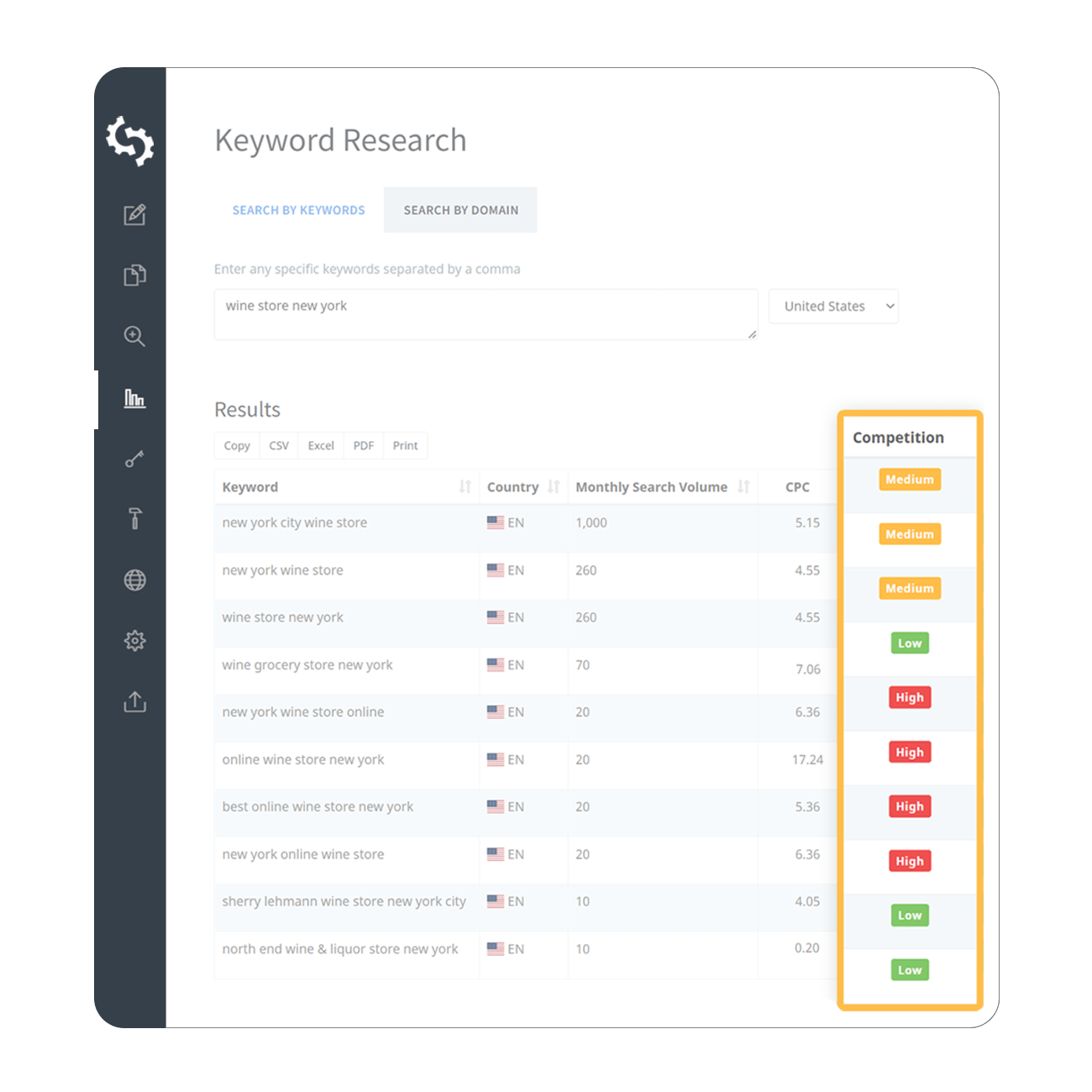
上位表示する価値のあるキーワードを見つけ、その順位の変動を追跡する
あらゆる市場の実際の検索ボリューム、CPC、競合データを確認できるため、始める前にどのキーワードが労力に見合うかを把握できます。その後、GoogleとBingでデスクトップ・モバイルの順位を毎日追跡し、ローカル検索では市区町村単位まで確認できます。スケジュールレポートでは、何が変わったのかをクライアントに正確に伝えられます。

競合性の低いキーワードについて
キーワードの競争率が低いのはなぜですか?
キーワードの競合度が低いとは、すでにそのキーワードでランキングされているページが、入れ替え可能なほど弱いことを意味します。これはキーワード自体ではなく、既存のランキングページの強さを表す指標です。そのため、見た目が似ている2つの語句でも、スケールの正反対に位置することがあります。
難易度は、そうしたページの強さに基づいて0〜100で評価されます。主に、そのページを支えているリンクプロファイルの規模と質が評価対象です。一般的に20未満であれば、リンク構築キャンペーンを実施しなくても、十分な品質のページが上位に入る現実的な可能性があります。
このツールが尋ねるのは、その質問だけです。検索ボリュームの下限は一切設けていないため、どちらも十分に狙えるキーワードであれば、月に数回しか検索されない語句も、数千回検索される語句と並んで表示されます。
ここで検索ボリュームの下限を設けない理由
このバージョンでは、検索ボリュームを条件に含めないことが目的です。実際に価値のあるキーワードの中には、検索ボリュームが少ない、あるいはゼロと報告されるものが数多くあります。新しい用語、ニッチな商品名、具体的な質問などです。下限を設けると、まさにそうしたキーワードが見えなくなってしまいます。
検索ボリューム順の並びは変わらないため、規模の大きいキーワードが上位に表示され、その後にロングテールキーワードが続きます。全体の範囲を確認したうえで自分で判断できるので、見もしないうちに判断が下されることはありません。
両方を同時に絞り込みたい場合は、高ボリューム・低競合キーワードツールを使うと、この同じリストに検索ボリュームの下限が追加されます。
このようなリストに潜む落とし穴
ほとんどのキーワードの難易度が低いのは、喜ばしい理由からではありません。獲得できるものがないため誰も競合しないのです。需要がごく小さい、検索意図が明確でない、あるいはクリックしなくても検索結果ページ上で答えが得られる、といった理由です。
低いスコアは、判定ではなく確認を促すものとして捉えましょう。狙う価値のあるキーワードとは、上位表示を獲得しやすく、なおかつ成果につながるものです。ただし、その前半部分しか難易度列には表示されません。
クリック単価は、最も手早く妥当性を確認する指標です。広告主がその語句に対して料金を支払っているなら、誰かがその訪問には金銭的価値があると判断しているということです。まったく入札されていない場合は、そのキーワードで上位表示されても何が得られるのか、正直に考えましょう。
難易度の上限を選択する
デフォルトの20という値は、意図的に控えめに設定されています。これは推奨値というより出発点であり、適切な数はキーワードよりもサイトによって大きく異なります。
- リンクが少ない新しいサイトでは、20でも楽観的すぎる場合があるため、10前後。
- ある程度の権威性を持つ既存サイトでは、20〜30前後。
- そのキーワードで勝つためにリンクを構築する意思がある場合に限り、40超。
- 結果のリストが長く、差別化されていない場合は、さらに値を下げてください。
空の結果は、エラーではなく情報です。通常、それはシード自体が競争の激しい領域にあることを意味しており、変更すべきなのはシードです。
2026でも、競合の少ないキーワードは効果がありますか?
権威性のないサイトにとって、依然として最も信頼できる手段です。というのも、代替案である「誰もが狙うキーワードで競争すること」は、主にリンクとサイトの経過年数によって決まり、どちらも短期間で獲得できるものではないからです。
変わったのは上限です。AIによる概要は、簡単な情報検索を取り込みます。そこには難易度の低いキーワードが数多く含まれているため、上位表示しやすいキーワードほど、訪問なしで回答される可能性も高くなります。
そのため、価値は比較、意思決定、成果のあるタスクなど、具体的で実用的な語句に偏ります。これらは要約してしまうのが難しく、通常はクリック単価も発生します。
このツールがチェックする項目
このツールはシードキーワードを受け取り、当社のインデックスに関連キーワードを照会し、設定した最大難易度以下のものだけを残します。結果は検索ボリューム順に並ぶため、条件を満たした中で最も大きな機会が最初に表示されます。
しきい値は、すでに取得済みのリストに対してではなく、リストの作成時に適用されます。ボリュームだけで並べ替えると、フィルタリングされていないリストの上位は、ほとんどが競争が激しすぎて時間をかける価値のないキーワードになってしまいます。
数値はリアルタイム検索ではなく、当社のインデックスに基づいているため、この瞬間の検索結果ではなく、そのキーワードと地域についてインデックスが保持している状況を示しています。
次に行うこと
有望なキーワードが見つかったら、適切に評価しましょう。キーワード難易度チェッカーでキーワード単体の難易度をスコアリングし、キーワード統計ツールですべての数値を並べて確認し、キーワード検索意図ツールで検索者がそのキーワードに何を求めているのかを確認します。
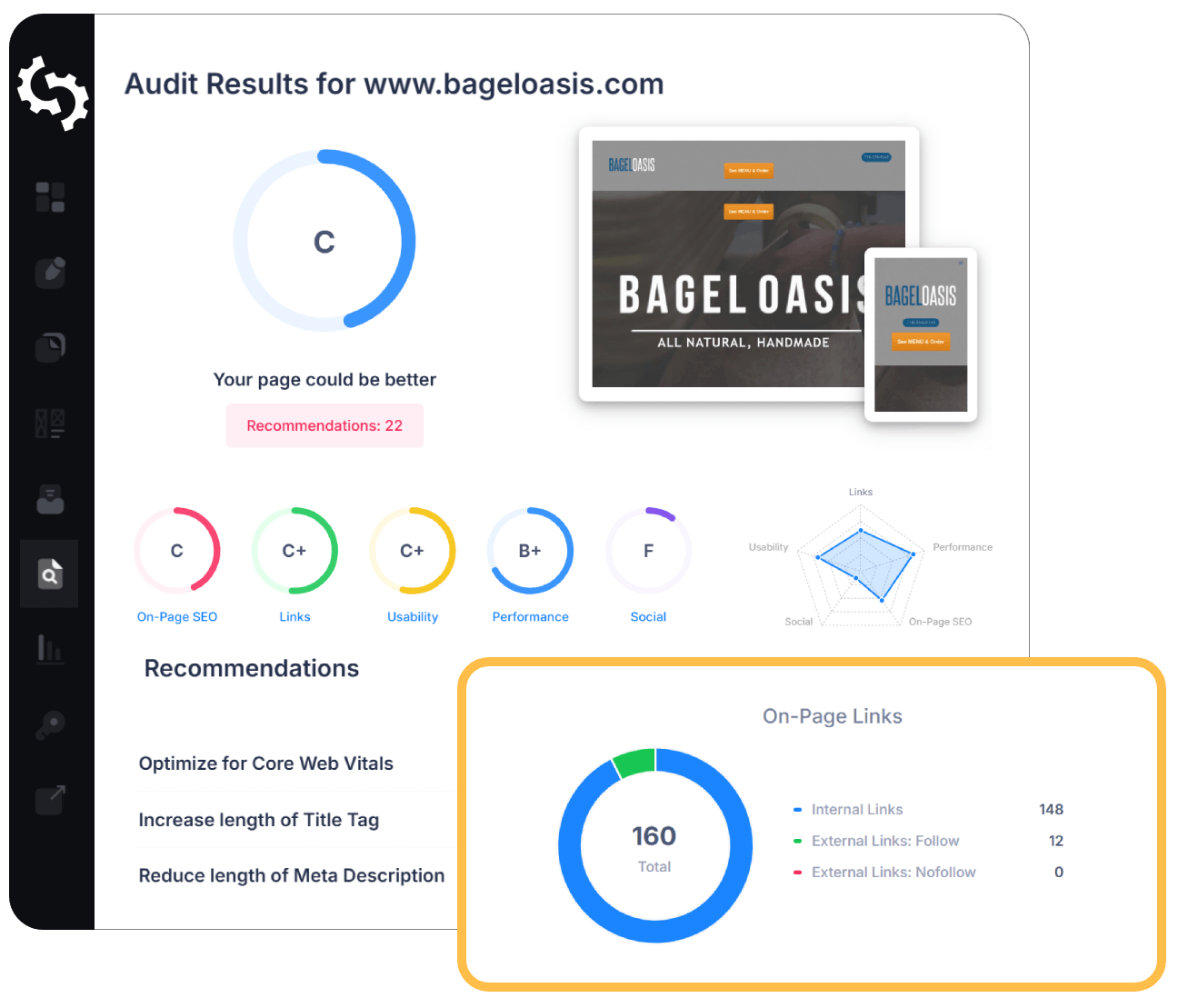
数秒であらゆるサイトをSEO監査
+ あらゆる機能に対応する包括的なSEO/GEOツール
オンページSEO、ユーザビリティ、パフォーマンス、ソーシャル、リンクに関して、ウェブサイトを100項目以上チェックします。すべてのレポートにGEO分析も追加されました。SEOptimerでは、キーワード調査、順位追跡、バックリンク分析、サイト全体のクローリングも利用できます。
関連記事
もっと見る
SEOのための低い果実のキーワードを見つける方法
大手の競合がトップの座を独占している中で、SEOランクを上げることが不可能な上り坂の戦いのように感じますか?先を行くための秘密は、「低い位置にある果実のキーワード」をターゲットにすることにあります。 これらの「low hanging fruit」キーワードは、あらゆ...

Long Tail vs Short Tail Keywords: What’s the Main Difference?
Many SEOs and marketers wonder what's the difference between long tail vs short tail keywords. Understanding the difference between these tw...

6 Powerful Tips to Rank in a Competitive Niche
Ranking in a competitive niche can feel like an uphill battle. But with the right strategies, it's entirely possible to start ranking for th...

SEOにおけるキーワードリサーチの重要性を示す5つの理由
キーワードリサーチはSEOにとってまだ重要ですか?その質問に対する答えは、間違いなくイエスです! キーワードリサーチは、あらゆるSEOおよびSEMマーケティングキャンペーンの基盤です。それがなければ、SEO担当者、マーケター、ウェブマスターは、実際の「ビジネス」...

SEOでの人気のあるキーワードの9種類(およびそれぞれの使用方法)
検索エンジンであなたのウェブサイトを最適化したい場合、SEOにおける異なるタイプのキーワードを理解することは非常に重要です。 キーワードを正しい方法で使用することで、コンテンツの可視性を大きく向上させ、よりターゲットを絞ったトラフィックをあなたのサイトにもたらすこと...

ハイインテントキーワードとは何か?そしてSEOでの使い方
高意図キーワードを理解し、活用することは、ターゲットとなるトラフィックを増やし、コンバージョンを高めるために非常に重要です。これらのキーワードは、多くの成功したマーケターやSEO担当者の秘密の武器です。 しかし、高い意図を持つキーワードとは具体的に何であり、それらを...