キーワードコストツール
SEOptimerのキーワードコストツールでは、検索ボリューム、検索意図、難易度に加えて、キーワードの広告費用(クリック単価、ページ上部掲載単価、広告主の競合度)を確認できます。
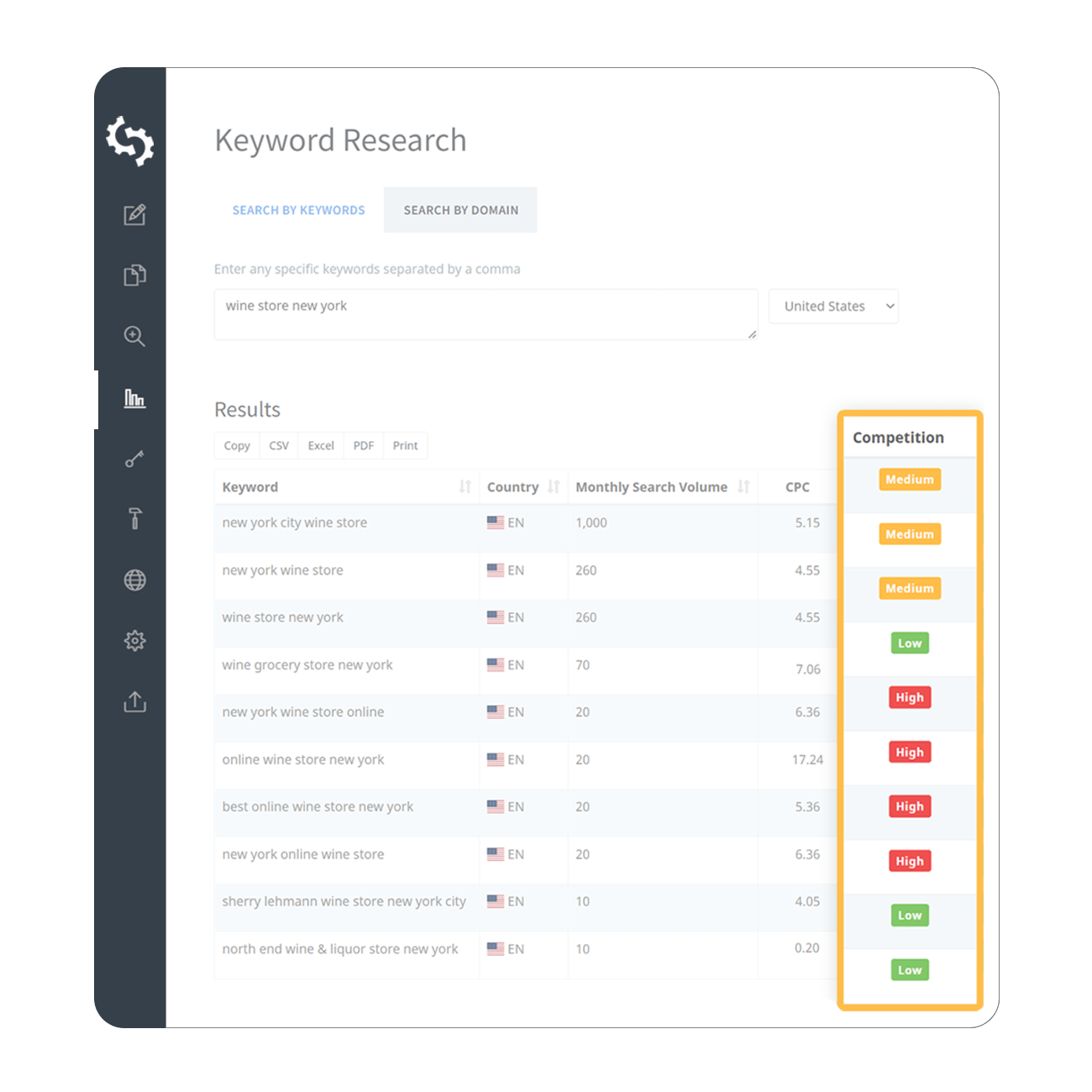
上位表示する価値のあるキーワードを見つけ、その順位の変動を追跡する
あらゆる市場の実際の検索ボリューム、CPC、競合データを確認できるため、始める前にどのキーワードが労力に見合うかを把握できます。その後、GoogleとBingでデスクトップ・モバイルの順位を毎日追跡し、ローカル検索では市区町村単位まで確認できます。スケジュールレポートでは、何が変わったのかをクライアントに正確に伝えられます。

キーワードの費用について
キーワードには固有の価格があるのでしょうか?
キーワード自体に価格はありません。キーワードには市場があります。広告主同士がPPCオークションで競い合い、オーガニック検索結果の上部に表示される枠を入札する市場です。ここに示されている数値は、現在その入札がどのような状況になっているかを表しています。
クリック単価は、そのキーワードで広告がクリックされたときに広告主が平均して支払う金額です。ページ上部掲載単価は、単にどこかに表示されるのではなく、ページ上部に表示されるために必要な金額を示します。競合性は、オークションの競争の激しさを表します。
この3つは、併せて確認する価値があります。平均クリック単価が控えめである一方、ページ上部掲載単価が高い場合、そのキーワードでは、安価な掲載位置が安いのには理由があり、表示されているだけの状態から目立つ位置に掲載されるためには、かなり高い費用がかかることを意味します。
広告を一度も出稿しない場合でもコストが重要な理由
クリック単価は、どこで入手できるものよりもキーワードの価値を正直に示す指標であり、キーワード調査において、他者が実際に費用を支払って算出された唯一の数値です。広告主は訪問者が自社にとって本当にどれほどの価値があるかに基づいて入札し、採算が合わなくなれば入札をやめます。
そのため、検索ボリュームよりも商業的価値を判断する優れた指標となります。検索ボリュームが比較的少なく入札額が高いキーワードは、ユーザーが実際に購入する可能性が高いものです。一方、人気があるにもかかわらず誰も入札しないキーワードは、たいていの場合、ユーザーが閲覧するだけで離脱するものです。
逆の見方もできます。コストは、代替手段の価値も示しています。オーガニック検索でランキングを獲得でき、クリック単価が高く、実際の検索ボリュームもあるキーワードは、その掲載順位を購入しなければならないとしたら、どれほどの価値があるのかを数値化するものです。
コストを検索ボリュームや検索意図と照らし合わせて読む方法
検索ボリュームが少なくコストが高いキーワードは、購買決定の深い段階にある用語でよく見られます。キーワード一覧では目立たないように見えますが、その一覧で上位にある他のキーワードよりも高い確率でコンバージョンにつながることがよくあります。
低コストかつ検索ボリュームが大きい場合、そのキーワードは通常、情報収集目的です。関心は高いものの、商業的な緊急性は低く、訪問に対して費用を支払おうとする広告主も少ないことを意味します。こうしたキーワードは収益よりも注目を集めますが、それが意図した目標である限り、正当な目的です。
両方が高い場合は、実際に大きな金額が動く競争の激しい市場です。オークションと同様に、オーガニック検索結果でも競争が激しいと考えられます。そのため、以下に示す難易度スコアとバックリンクの平均値が重要な指標になります。
2026でもキーワードの単価は重要ですか?
検索結果ページが混雑するほど、その重要性は増します。有料掲載、ショッピングユニット、AIによる概要はすべてオーガニック検索結果より上に表示されるため、順番待ちを飛ばすための料金がいくらかという問いは、以前よりも実際的なものになっています。
数値はリアルタイムのオークション価格ではなく、一定期間における平均値です。そのため、見積額ではなく、キーワード同士を比較するための目安としてご利用ください。現在も広くAdWordsとして知られているGoogle Adsの実際の請求額は、時間帯、デバイス、地域、品質スコア、そしてその週に他の誰が入札しているかによって異なります。
相対的な指標としては、十分に信頼できます。あるキーワードの費用が別のキーワードの3倍であれば、どちらの絶対値も実際のキャンペーンと完全には一致しなくても、その関係性には意味があります。
キーワードの費用とAI検索の関係
AIによる回答は、まずスペクトルの低コスト側を取り込みます。定義や簡単な事実は、もともと広告主にとって価値が低く、だからこそ入札単価も低く設定されています。また、クリックなしで回答される可能性が最も高い検索でもあります。
高額なキーワードとは、購入、予約、申し込みのために、依然としてユーザーがどこかにアクセスしなければならないものです。こうしたキーワードは価値を保ちます。また、クリック単価が高いことは、そのキーワードが要約によって置き換えられようとしているのではなく、今後も有効であり続けることを示す妥当なシグナルです。
このように考えると、コストは予算を示す数値というよりも、そもそも引き続きランキングを狙う価値があるキーワードかどうかを見極めるフィルターになります。
キーワードコストのベストプラクティス
- クリック単価、ページ上部掲載単価、競合性は、単独ではなく必ず併せて確認してください。
- 広告を出すつもりがない場合でも、PPCコストを商業的価値の証拠として捉えてください。
- トピック内で費用を比較しましょう。入札単価は業界によって大きく異なります。
- 低い掲載位置ではほとんど注目を集められないキーワードほど、ページ上部掲載の入札単価が高くなる傾向があります。
- 同じトラフィックを購入しなければならないとしたら、オーガニック検索での順位にどれほどの価値があるかを、費用を基準に見積もりましょう。
- これらの数値はキャンペーンの見積額ではなく、比較用の平均値として捉えてください。
このツールがチェックする項目
キーワードコストツールは、当社のインデックスで用語を検索し、PPC指標(クリック単価、ページ上部掲載の入札単価、広告主の競合度)を先に表示します。続いて、難易度、検索ボリューム、検索意図の概要、検索ボリュームとそのトレンド、そして現在ランキングしているページのバックリンクプロファイルを表示します。
1つのキーワードの料金を算出します。これは、ドメインを指定して、そのドメインが購入している有料キーワードをレポートする当社のPPCチェッカーとは異なるものです。2つの名称はよく似ているため、混同しないよう注意が必要です。
数値はリアルタイムのオークションではなく、当社のインデックスに基づいています。そのため、該当するキーワードと地域について把握されている状況を示すものであり、AdWords アカウントでこの瞬間に提示される金額を示すものではありません。
次に行うこと
「コスト」はキーワードの価値を示し、その他の関連指標は、そのキーワードで勝つために必要な要素をカバーします。キーワード難易度チェッカーでオーガニック検索結果の競争の激しさを確認し、キーワード統計ツールで数値一式を並べて比較し、キーワード検索意図ツールで検索者が実際に求めているものを確認しましょう。
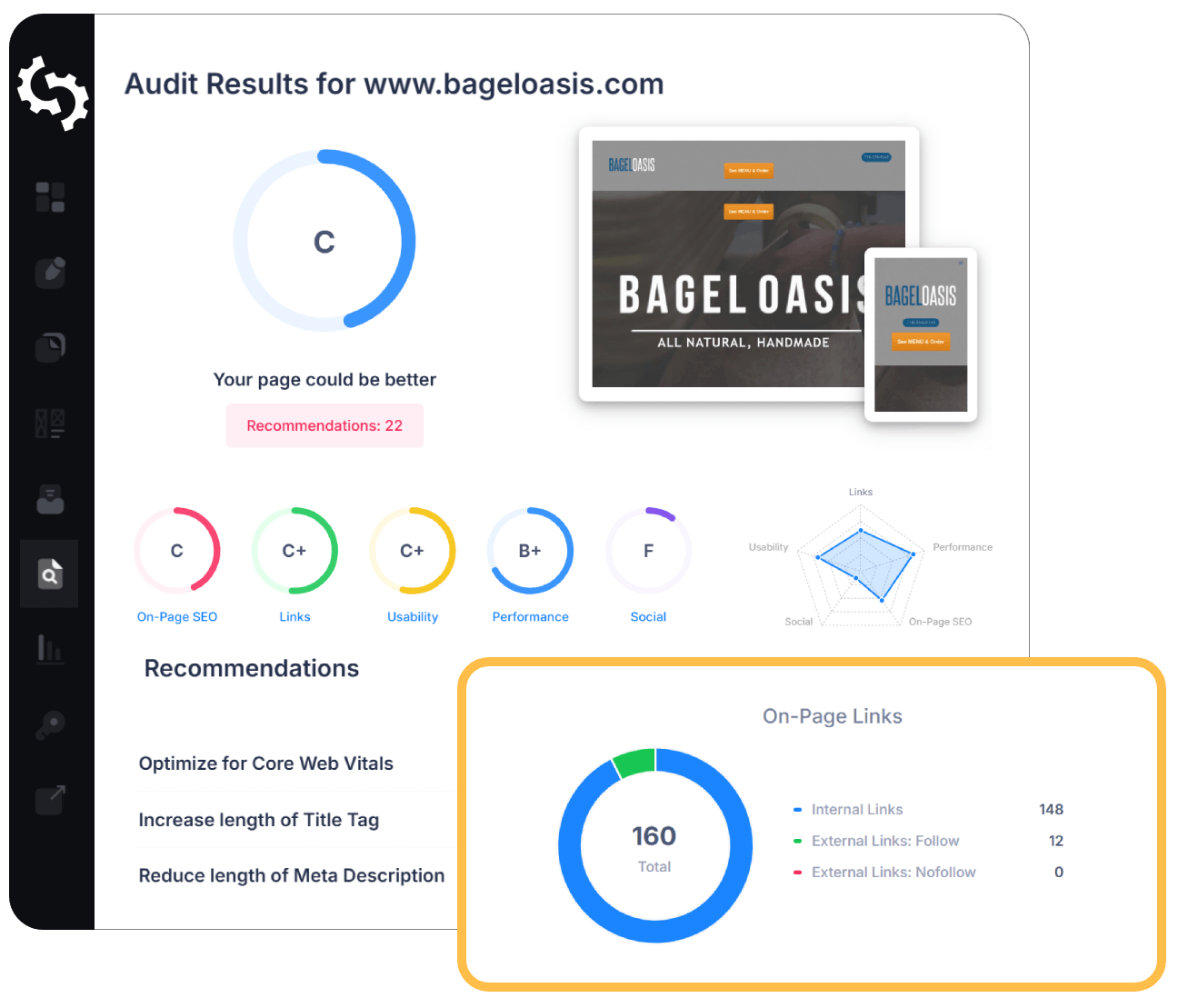
数秒であらゆるサイトをSEO監査
+ あらゆる機能に対応する包括的なSEO/GEOツール
オンページSEO、ユーザビリティ、パフォーマンス、ソーシャル、リンクに関して、ウェブサイトを100項目以上チェックします。すべてのレポートにGEO分析も追加されました。SEOptimerでは、キーワード調査、順位追跡、バックリンク分析、サイト全体のクローリングも利用できます。
関連記事
もっと見る
SEOとSEM:違いは何ですか?どのようにして一緒に機能させることができますか?
SEOとSEMは、デジタルマーケティング戦略において不可欠な要素です。両方とも検索エンジンを使用して顧客をあなたのサイトに誘導することに関連していますが、それぞれ異なる要素に焦点を当てています。 私たちは説明します SEOとSEMの違い そして、それぞれを使用し...

ハイインテントキーワードとは何か?そしてSEOでの使い方
高意図キーワードを理解し、活用することは、ターゲットとなるトラフィックを増やし、コンバージョンを高めるために非常に重要です。これらのキーワードは、多くの成功したマーケターやSEO担当者の秘密の武器です。 しかし、高い意図を持つキーワードとは具体的に何であり、それらを...

SEOにおけるキーワードリサーチの重要性を示す5つの理由
キーワードリサーチはSEOにとってまだ重要ですか?その質問に対する答えは、間違いなくイエスです! キーワードリサーチは、あらゆるSEOおよびSEMマーケティングキャンペーンの基盤です。それがなければ、SEO担当者、マーケター、ウェブマスターは、実際の「ビジネス」...

SEOでの人気のあるキーワードの9種類(およびそれぞれの使用方法)
検索エンジンであなたのウェブサイトを最適化したい場合、SEOにおける異なるタイプのキーワードを理解することは非常に重要です。 キーワードを正しい方法で使用することで、コンテンツの可視性を大きく向上させ、よりターゲットを絞ったトラフィックをあなたのサイトにもたらすこと...

Long Tail vs Short Tail Keywords: What’s the Main Difference?
Many SEOs and marketers wonder what's the difference between long tail vs short tail keywords. Understanding the difference between these tw...

SEOのための低い果実のキーワードを見つける方法
大手の競合がトップの座を独占している中で、SEOランクを上げることが不可能な上り坂の戦いのように感じますか?先を行くための秘密は、「低い位置にある果実のキーワード」をターゲットにすることにあります。 これらの「low hanging fruit」キーワードは、あらゆ...