Über die Kosten von Keywords
Was kostet ein Keyword?
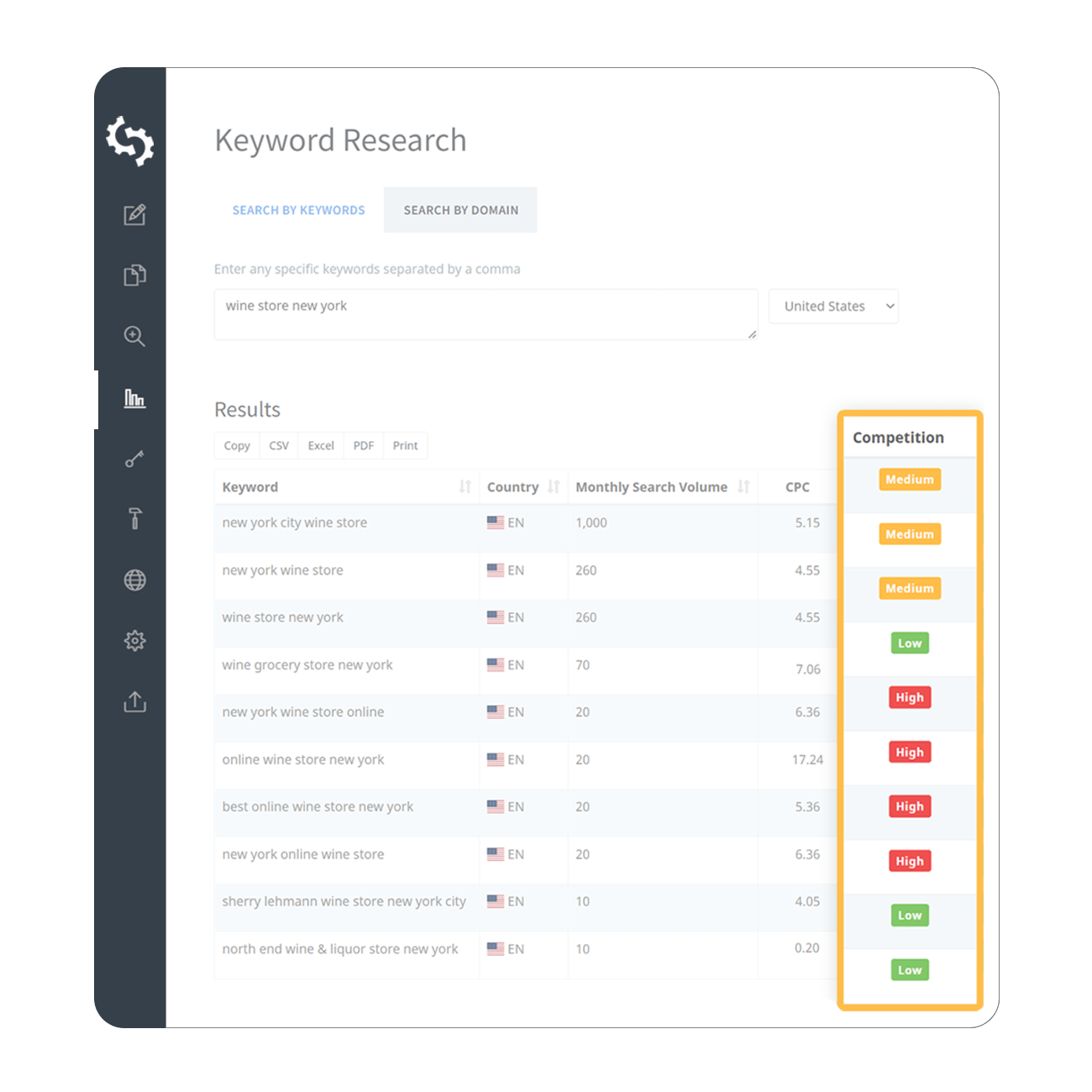
Ein Keyword hat keinen eigenen Preis. Es hat einen Markt: Werbetreibende bieten in einer PPC-Auktion gegeneinander um den Platz über den organischen Ergebnissen, und die Zahlen hier zeigen, wie diese Gebote derzeit aussehen.
Die Kosten pro Klick sind der durchschnittliche Betrag, den ein Werbetreibender zahlt, wenn jemand auf seine Anzeige für den Suchbegriff klickt. Das Gebot für eine Position oben auf der Seite gibt an, was erforderlich ist, um ganz oben statt nur irgendwo auf der Seite zu erscheinen, und der Wettbewerb beschreibt, wie umkämpft die Auktion ist.
Diese drei Werte sollte man gemeinsam betrachten. Ein moderater Durchschnittswert bei gleichzeitig hohem Gebot für eine Position oben auf der Seite beschreibt einen Suchbegriff, bei dem die günstigen Positionen aus gutem Grund günstig sind und bei dem eine sichtbare Platzierung erheblich mehr kostet als die bloße Präsenz.
Warum Kosten eine Rolle spielen, auch wenn Sie niemals Anzeigen schalten
Die Kosten pro Klick sind die ehrlichste verfügbare Bewertung eines Keywords und die einzige Kennzahl in der Keyword-Recherche, deren Ermittlung jemand anderes bezahlt hat. Werbetreibende bieten so viel, wie ihnen ein Besucher tatsächlich wert ist, und hören auf, sobald es sich nicht mehr lohnt.
Damit sind sie ein besserer Anhaltspunkt für den kommerziellen Wert als das Suchvolumen. Ein Begriff mit moderatem Suchvolumen und einem hohen Gebot ist ein Begriff, bei dem die Nutzer kaufen; auf einen beliebten Begriff, auf den niemand bieten will, suchen die Nutzer in der Regel nur Informationen und verlassen die Seite wieder.
Andersherum gelesen, beziffern die Kosten auch die Alternative. Ein Suchbegriff, für den du organisch ranken könntest, mit hohen Kosten pro Klick und echtem Suchvolumen dahinter, zeigt, wie viel dieses Ranking wert wäre, wenn du es stattdessen mieten müsstest.
So interpretierst du die Kosten im Verhältnis zu Volumen und Suchintention
Hohe Kosten bei geringem Suchvolumen sind typisch für Suchbegriffe, die weit fortgeschrittene Kaufentscheidungen widerspiegeln. In einer Keyword-Liste wirken sie unscheinbar und führen häufig zu besseren Conversions als alle darüber aufgeführten Begriffe.
Niedrige Kosten bei hohem Suchvolumen bedeuten in der Regel, dass der Begriff informativer Natur ist: großes Interesse, geringe kommerzielle Dringlichkeit und wenige Werbetreibende, die bereit sind, für den Besuch zu zahlen. Mit solchen Begriffen erzielt man eher Aufmerksamkeit als Umsatz – was ein legitimes Ziel ist, solange es das beabsichtigte Ziel war.
Hohe Werte bei beiden Kennzahlen deuten auf einen wettbewerbsintensiven Markt mit echtem Umsatzpotenzial hin. Erwarten Sie, dass die organischen Ergebnisse ebenso umkämpft sind wie die Auktion. Daher sind hier der Schwierigkeitsgrad und die nachstehenden durchschnittlichen Backlink-Werte die relevanten Kennzahlen.
Spielen Keyword-Kosten in 2026 noch eine Rolle?
Das wird umso wichtiger, je voller die Ergebnisseite wird. Bezahlte Platzierungen, Shopping-Elemente und KI-Zusammenfassungen stehen allesamt über den organischen Ergebnissen. Daher ist die Frage nach dem Preis dafür, die Warteschlange zu überspringen, heute praktischer als früher.
Bei den Zahlen handelt es sich um Durchschnittswerte über einen bestimmten Zeitraum und nicht um aktuelle Auktionspreise. Betrachten Sie sie daher als Möglichkeit, Suchbegriffe miteinander zu vergleichen, nicht als verbindliches Angebot. Was Google Ads, weithin noch als AdWords bekannt, tatsächlich berechnet, hängt von der Zeit, dem Gerät, dem Standort, dem Qualitätsfaktor und davon ab, wer in dieser Woche sonst noch bietet.
Als relatives Maß sind sie durchaus aussagekräftig. Wenn ein Begriff dreimal so viel kostet wie ein anderer, ist dieses Verhältnis informativ, auch wenn keine der beiden absoluten Zahlen exakt einer laufenden Kampagne entsprechen wird.
Wie Keyword-Kosten mit der KI-Suche zusammenhängen
KI-Antworten decken zuerst das günstige Ende des Spektrums ab. Definitionen und kurze Fakten waren für Werbetreibende nie besonders wertvoll, weshalb für sie niedrige Gebote abgegeben werden – und es handelt sich dabei um die Suchanfragen, die am ehesten ohne Klick beantwortet werden.
Die teuren Suchbegriffe sind diejenigen, bei denen jemand weiterhin irgendwo ankommen muss, um etwas zu kaufen, zu buchen oder sich anzumelden. Sie behalten ihren Wert, und ein hoher Cost-per-Click ist ein sinnvolles Signal dafür, dass ein Suchbegriff beständig ist und nicht kurz davorsteht, einfach zusammengefasst zu werden.
So verwendet, ist der Preis weniger eine Budgetkennzahl als vielmehr ein Filter dafür, für welche Suchbegriffe es sich überhaupt noch lohnt, ein Ranking zu erzielen.
Best Practices für die Kosten von Keywords
- Betrachten Sie den Cost-per-Click, das Gebot für die obere Position und den Wettbewerb gemeinsam – niemals nur einen dieser Werte allein.
- Betrachten Sie die PPC-Kosten als Hinweis auf den kommerziellen Wert, auch wenn Sie nicht vorhaben zu werben.
- Vergleichen Sie die Kosten innerhalb eines Themas; die Gebote variieren zwischen den Branchen enorm.
- Rechnen Sie bei Begriffen, bei denen die günstigen Positionen wenig Aufmerksamkeit erhalten, mit einem hohen Gebot für obere Anzeigenpositionen.
- Nutzen Sie die Kosten, um einzuschätzen, wie viel ein organisches Ranking wert wäre, wenn Sie denselben Traffic kaufen müssten.
- Betrachten Sie die Zahlen als Durchschnittswerte zum Vergleich und nicht als Angebot für eine Kampagne.
Was dieses Tool prüft
Das Tool für Keyword-Kosten sucht den Begriff in unserem Index und stellt zunächst die PPC-Kennzahlen vor – Kosten pro Klick, Gebot für die obere Position der Seite und Wettbewerb unter den Werbetreibenden –, gefolgt von einer übergeordneten Zusammenfassung zu Schwierigkeit, Suchvolumen und Suchintention, anschließend dem Suchvolumen und seinem Trend und schließlich dem Backlink-Profil der aktuell rankenden Seiten.
Es ermittelt den Preis für ein einzelnes Keyword. Das ist eine andere Fragestellung als bei unserem
PPC-Checker, das eine Domain entgegennimmt und die bezahlten Keywords meldet, für die sie Anzeigen schaltet – ein wichtiger Unterschied, da die beiden Bezeichnungen ähnlich genug sind, um verwechselt zu werden.
Die Werte stammen aus unserem Index und nicht aus einer Live-Auktion. Sie zeigen daher das Bild für diesen Begriff und Standort und nicht den Preis, den Ihnen ein AdWords-Konto in diesem Moment nennen würde.
Wie es weitergeht