Alat Trafik Situs Web Seluler
Lihat seberapa besar lalu lintas situs web yang berasal dari perangkat seluler dibandingkan dengan perangkat desktop dan tablet, menggunakan pengambilan sampel resmi Google terhadap pengunjung Chrome nyata.
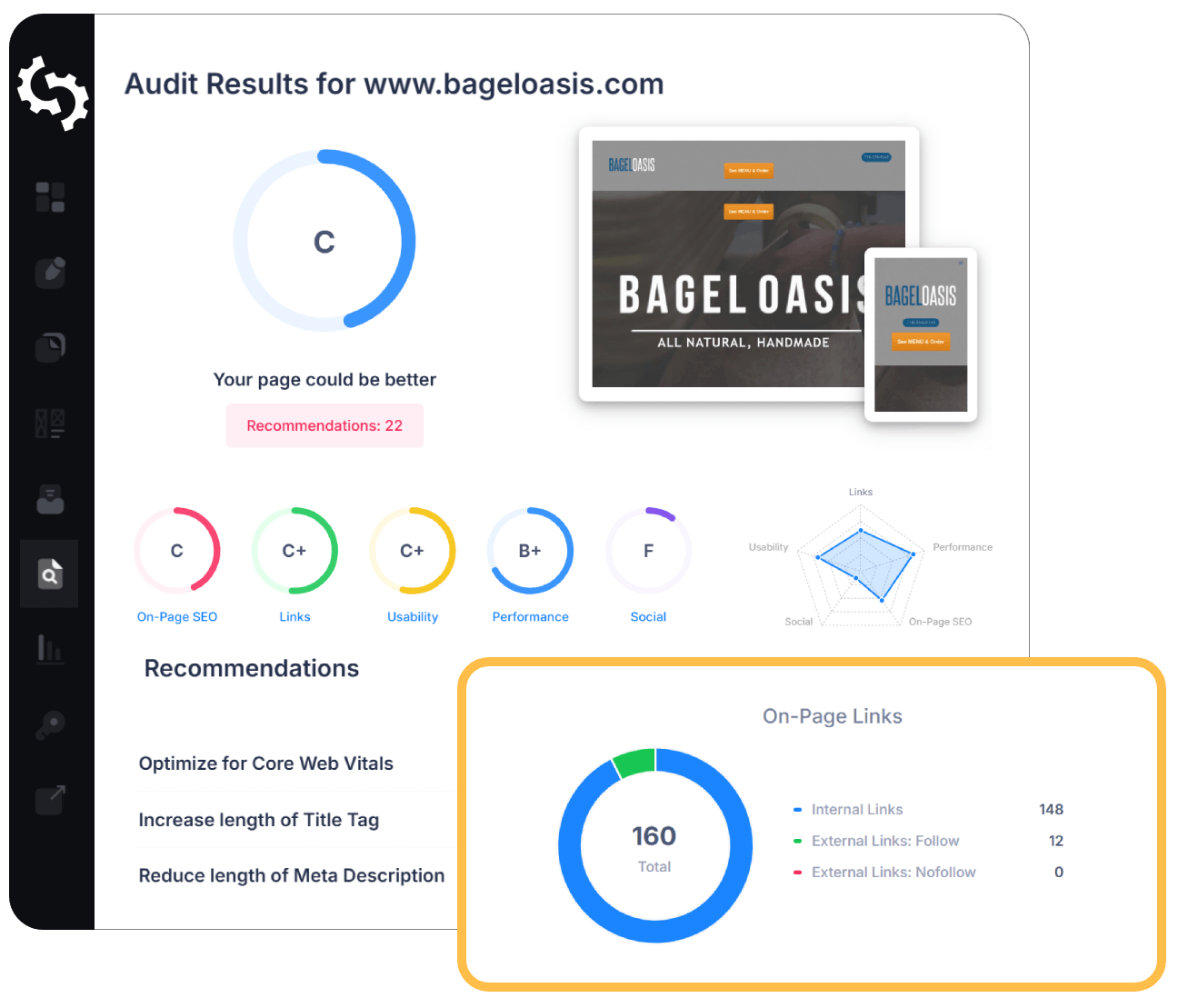
Audit SEO Situs Apa Pun dalam Hitungan Detik
+ Alat SEO / GEO Komprehensif untuk Setiap Kebutuhan
Jalankan lebih dari 100 pemeriksaan di situs web Anda yang mencakup SEO On-Page, Kegunaan, Performa, Sosial, dan Tautan. Kini dengan GEO di setiap laporan. SEOptimer juga menawarkan riset kata kunci, pelacakan peringkat, backlink, dan perayap situs lengkap.

Tentang Lalu Lintas Situs Web Seluler
Apa yang diukur oleh alat ini?
Alat ini menunjukkan pembagian pengunjung nyata sebuah situs web berdasarkan perangkat desktop, seluler, dan tablet. Data berasal dari Chrome User Experience Report, yaitu sampel pengguna Chrome aktual milik Google selama 28 hari terakhir—dataset yang sama yang digunakan Google untuk menilai Core Web Vitals.
Itu membuatnya berguna untuk dua pekerjaan yang berbeda: memeriksa komposisi perangkat situs Anda sendiri tanpa perlu mengakses analitiknya, dan memeriksa situs milik siapa pun—pesaing, prospek, atau klien yang belum resmi bekerja sama dengan Anda. Dasbor analitik hanya menjawab pertanyaan ini untuk situs yang Anda miliki; fitur ini menjawabnya untuk situs apa pun yang memiliki cukup data di Google.
Mengapa pembagian perangkat penting pada tahun 2026?
Karena hal itu seharusnya menentukan prioritas Anda. Situs dengan tujuh puluh persen pengunjung seluler harus dinilai—dan diperbaiki—dengan mengutamakan seluler: kecepatan halaman seluler, tata letak seluler, target ketuk, serta proses checkout seluler. Situs yang audiensnya sebagian besar menggunakan desktop, yang umum untuk perangkat lunak B2B dan layanan profesional, dapat secara wajar mengalokasikan upayanya secara berbeda.
Mesin pencari telah menentukan pilihan untuk Anda dalam hal pengindeksan: versi rendering seluler suatu halaman adalah versi yang diindeks, terlepas dari audiens Anda. Namun, pekerjaan konversi, keputusan desain, dan waktu pengujian harus mengikuti perangkat yang sebenarnya digunakan pengunjung Anda, dan pembagiannya sangat bervariasi antar situs—jauh lebih besar daripada yang diperkirakan kebanyakan orang.
Apa perbedaannya dengan analitik saya?
Analitik Anda menghitung setiap pengunjung yang dapat diukur di semua browser. Alat ini hanya melaporkan sampel pengguna Chrome dari Google, dan Chrome di iPhone serta iPad sama sekali tidak berkontribusi pada data ini. Dalam praktiknya, itu berarti persentase pengguna seluler yang dilaporkan di sini dapat lebih rendah daripada yang ditunjukkan analitik Anda untuk audiens yang didominasi pengguna iPhone, dan tablet hampir selalu kurang terwakili.
Keduanya saling melengkapi, bukan bersaing. Analitik adalah catatan akurat tentang situs Anda sendiri; alat ini merupakan tolok ukur independen yang setara dan dapat digunakan di situs mana pun, termasuk situs yang data analitiknya tidak akan pernah dapat Anda lihat.
Praktik terbaik komposisi perangkat
- Biarkan pembagian tersebut menentukan prioritas pengujian Anda: jika pengguna seluler merupakan mayoritas, uji di ponsel sebelum browser desktop, bukan sebaliknya.
- Bandingkan komposisi perangkat Anda dengan kompetitor di niche Anda; pangsa seluler yang jauh lebih rendah dapat menunjukkan pengalaman seluler yang membuat pengunjung enggan.
- Periksa komposisi tersebut sebelum melakukan desain ulang, bukan setelahnya—komposisi ini harus menjadi pertimbangan dalam brief desain.
- Anggap audiens yang sebagian besar menggunakan desktop sebagai fakta tentang pengunjung Anda, bukan sebagai alasan untuk mengabaikan seluler; versi seluler tetap menjadi versi yang diindeks mesin pencari.
- Periksa kembali secara berkala. Komposisi perangkat dapat berubah seiring perubahan konten dan saluran akuisisi Anda.
Yang diperiksa alat ini
Alat ini mengambil data dari Chrome User Experience Report untuk situs tersebut, lalu menampilkan grafik persentase pengunjung Chrome aktual menggunakan desktop, seluler, dan tablet selama 28 hari terakhir.
Situs web yang lebih kecil mungkin sama sekali tidak muncul dalam sampel Google—dataset ini hanya mencakup situs dengan lalu lintas yang memadai untuk dilaporkan. Jika tidak ada data yang tersedia, hal itu disebabkan oleh volume lalu lintas situs, bukan karena kesalahan.
Ke mana selanjutnya
Jika perangkat seluler menyumbang porsi trafik yang signifikan, periksa pengalaman yang didapat pengunjung tersebut: jalankan penguji responsivitas seluler untuk melihat halaman di layar ponsel dan tablet, serta Pengujian Core Web Vitals untuk melihat performanya bagi pengguna nyata.
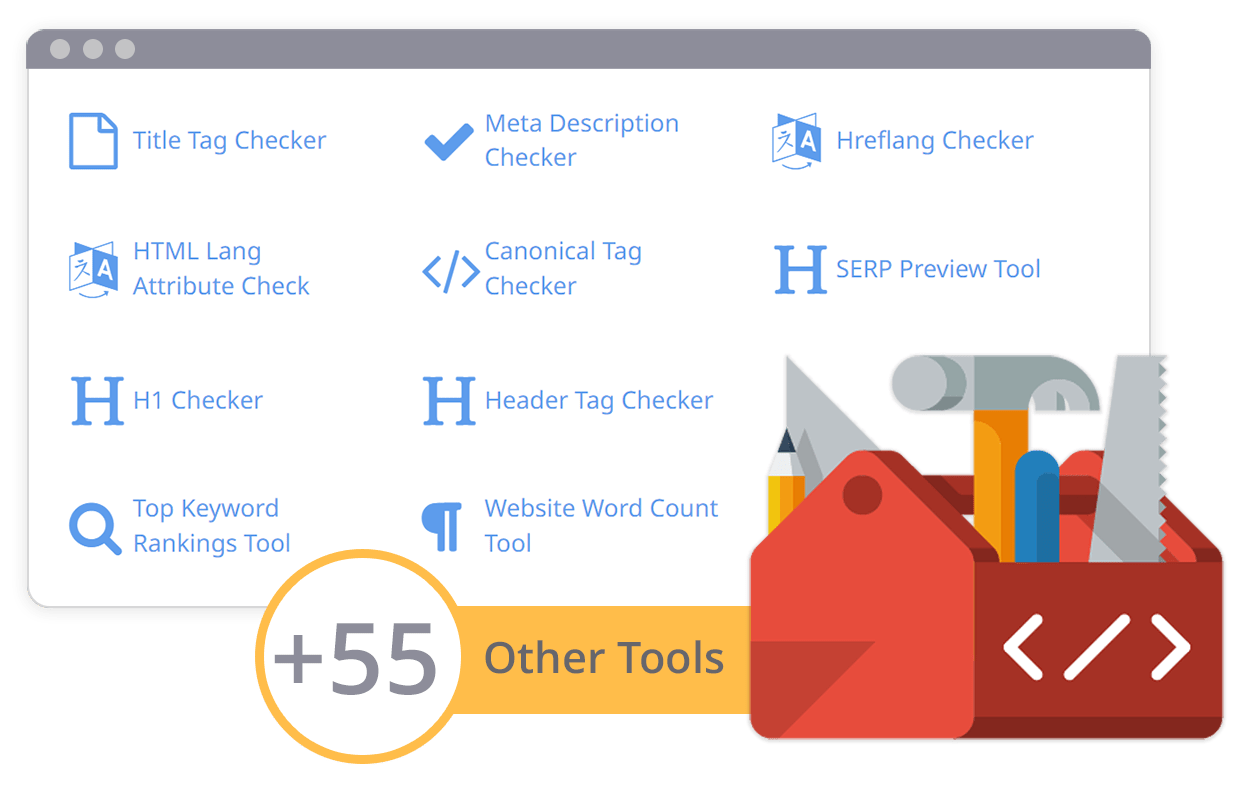
Kotak Alat SEO Komprehensif dengan Lebih dari 55 Alat
Periksa Title, Meta Description, Heading, Schema, Core Web Vitals, SSL, dan Robots.txt. Buat Meta Tag, Sitemap, dan aturan .htaccess, lakukan minifikasi pada CSS, JS, dan HTML, serta buat draf konten dengan Alat Penulisan AI kami—secara instan dan gratis.
Bacaan Selengkapnya
Lihat Lebih Banyak
How to Check Organic Traffic in Google Analytics
When it comes to measuring your website's success and impact, organic traffic is one of the most important metrics you can analyze.
While mo...

10 Ways to Increase Organic Traffic to Your Website
Increasing your site’s organic traffic doesn’t come easily.
But if you apply the correct SEO strategies and commit for the long haul, your...

Best Web Analytics Tools and Why They're Important for Your Website
In the dynamic landscape of the internet, understanding user behavior, optimizing web performance, and making data-driven decisions is ess...