Générateur llms.txt gratuit
Créez un fichier llms.txt pour votre site web en quelques minutes. Ajoutez les informations de votre site et les pages à mettre en avant, puis copiez ou téléchargez un fichier correctement formaté.
Un fichier llms.txt se trouve à la racine de votre site, à l’adresse /llms.txt, et fournit aux assistants IA une carte organisée de celui-ci : les pages qui méritent d’être consultées, accompagnées chacune d’une ligne indiquant leur contenu, au lieu de les laisser chercher vos informations parmi la navigation et le balisage. Il s’agit d’un nouveau standard proposé par Jeremy Howard d’Answer.AI, rédigé en Markdown simple : le nom de votre site comme titre, puis des sections de liens annotés. Remplissez les champs ci-dessous et ce générateur créera ce fichier pour vous.
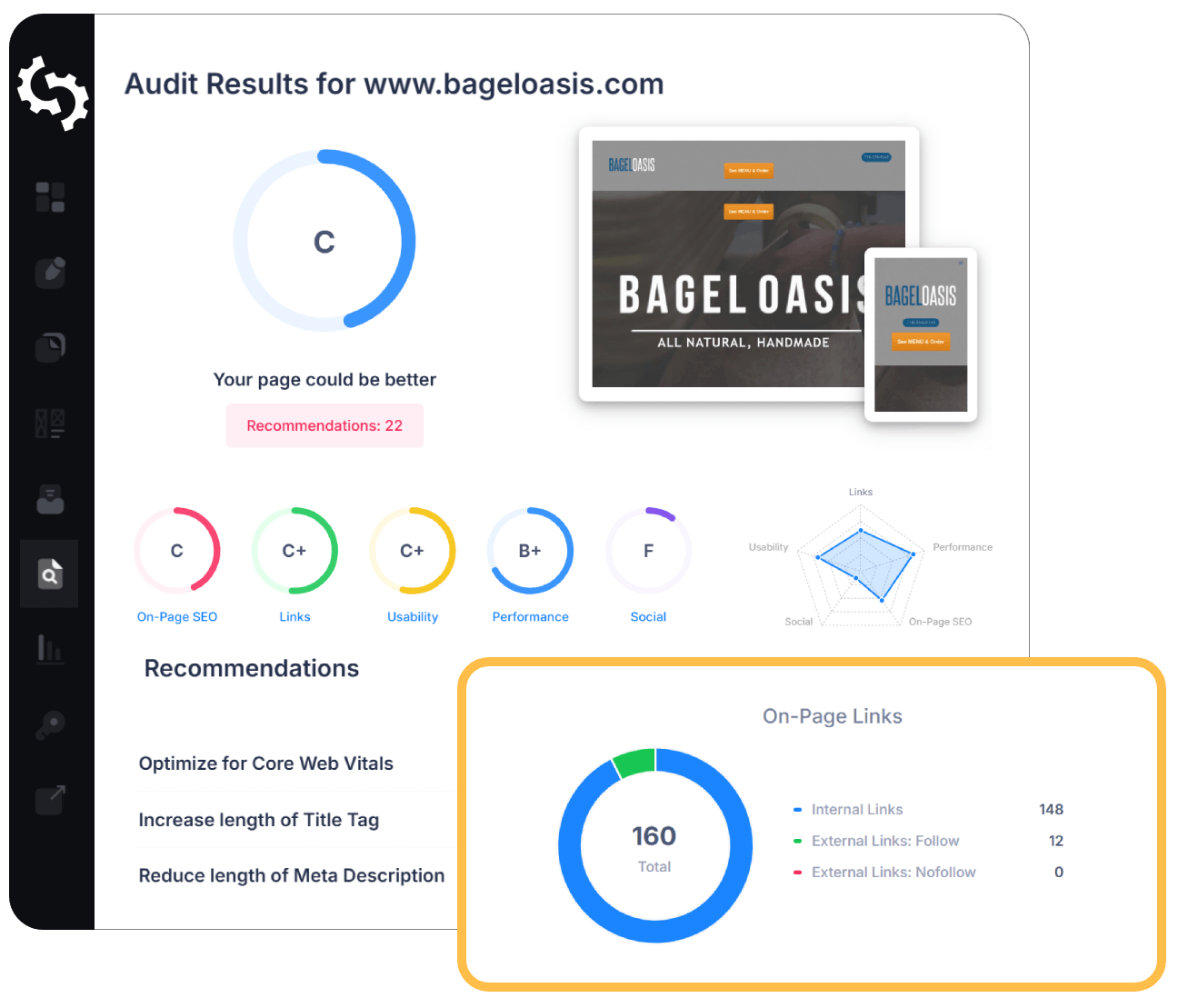
Auditez n’importe quel site en quelques secondes
+ Des outils SEO / GEO complets pour chaque fonctionnalité
Effectuez plus de 100 vérifications sur votre site concernant le SEO on-page, l’utilisabilité, les performances, les réseaux sociaux et les liens. Désormais avec le GEO dans chaque rapport. SEOptimer propose également la recherche de mots-clés, le suivi du classement, l’analyse des backlinks et un crawler complet du site.

À propos de llms.txt
Qu’est-ce que llms.txt ?
À quoi ressemble le fichier
- Un H1 avec le nom du site ou du projet. C’est la seule ligne obligatoire.
- Un bloc de citation facultatif résumant le site en une phrase.
- Un texte facultatif fournissant tout le contexte dont le lecteur a besoin au préalable.
- Des sections H2, chacune contenant une liste de liens au format Markdown, écrits sous la forme d’un nom, d’une URL et d’une courte description.
- Une section facultative intitulée « Optional », pour les liens qui peuvent être ignorés lorsque l’espace est limité.
Une norme en cours d’adoption
Ce qui caractérise un bon fichier
Erreurs courantes
- Y intégrer l’intégralité du sitemap, ce qui supprime la sélection éditoriale qui fait la valeur du fichier.
- Des descriptions qui répètent le texte du lien au lieu de décrire la page.
- Des chemins relatifs, ambigus dès que le fichier est consulté ailleurs que sur votre site.
- L’écrire une fois, puis ne plus jamais le mettre à jour à mesure que le site évolue.
- Le considérer comme un substitut à un contenu de qualité pour la page, ce qu’il n’est pas.
Quel est le lien avec la recherche par IA ?
Utiliser le générateur llms.txt
Pour aller plus loin
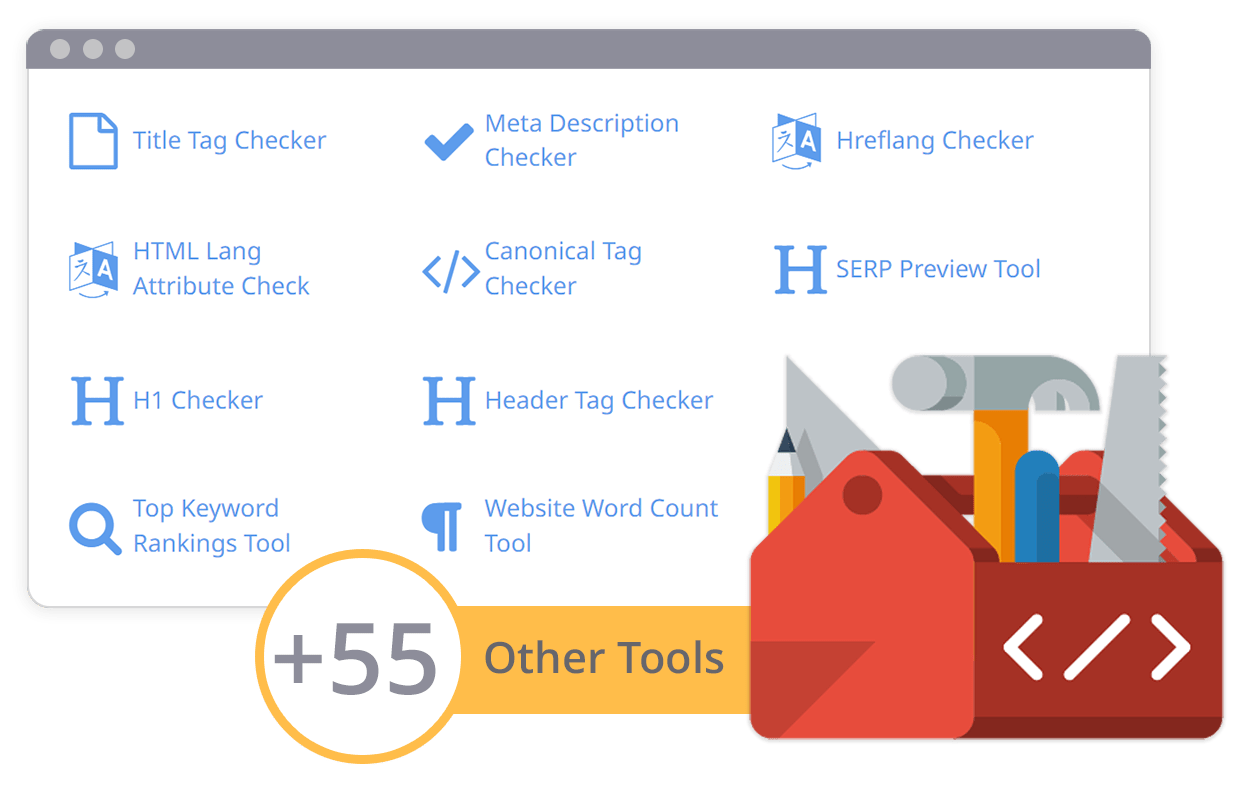
Boîte à outils SEO complète avec plus de 55 outils
Vérifiez les titres, les méta-descriptions, les en-têtes, les données structurées Schema, les Core Web Vitals, le SSL et le fichier robots.txt. Générez des balises méta, des sitemaps et des règles .htaccess, minifiez vos fichiers CSS, JS et HTML, et rédigez du contenu grâce à nos outils de rédaction IA — instantanément et gratuitement.
Lectures complémentaires
Voir plus