AI Scrambler
Instantly scramble inputted text into something that looks meaningfully different. Just enter your text, be it a paragraph, essay or otheiwse, choose a language and get the instant output.
Input
Output
Generated content:
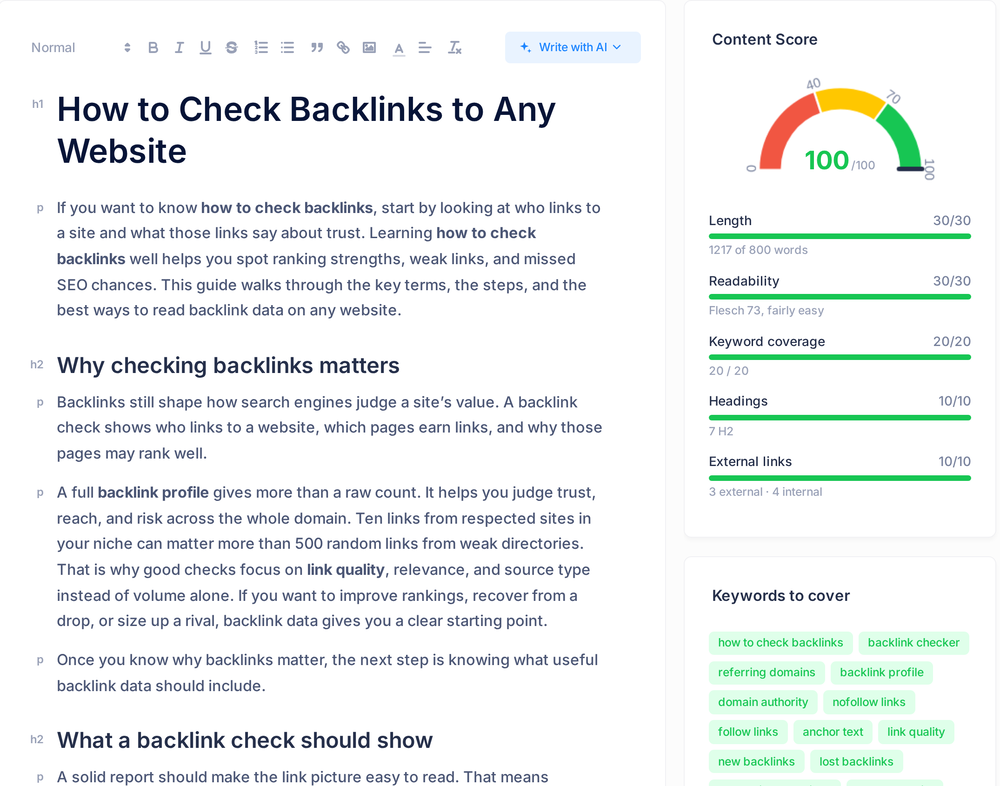
Write SEO Optimized Articles Instantly with AI Writer
AI Writer researches the pages ranking for your target keyword, instantly writes a full article and scores it for keywords, readability, links and length. Create the best content possible with the highest ranking potential with our proprietary algorithms.

About Scrambling Text
What does a text scrambler do?
A text scrambler rearranges the text you give it, changing the order of words or letters so the result no longer matches what went in. The plain description of the job is meaningfully making a piece of text look different from where it started.
In practice that is what most people want it for. A draft comes back from a language model, it reads capably but generically, and the instinct is to shuffle it until it stops sounding like every other draft that came back the same way.
It is worth being straightforward about how far that gets you, because the answer shapes how you should use the output.
Reordering is not the same as rewriting
Scrambling changes the surface and leaves the substance untouched. The claims, the structure, the level of generality and the absence of anything specific all survive the shuffle, and those are the things that make a generated draft recognisable in the first place.
What actually separates your version from the model output is material the model did not have. Figures from your own data, a client situation you handled, a position you are willing to defend, an example with a name attached.
Add one of those and the piece is genuinely yours regardless of how it started. Add none of them and no amount of rearranging will change what a reader takes from it.
A more reliable sequence
- Decide what the piece is actually arguing before you touch the wording.
- Cut the paragraphs that state the obvious, which is usually a third of a generated draft.
- Replace generic claims with numbers, names and outcomes you can stand behind.
- Add the objection or the exception the model smoothed over.
- Read it aloud, and fix the sentences that no person would say.
That takes longer than a scramble and it is the part that carries the value.
The other uses
Beyond drafts, a scrambler earns its keep as a small utility. Placeholder copy that mirrors real word and line lengths is more useful for testing a layout than lorem ipsum, and scrambled sentences make quick classroom and puzzle material.
It is also handy for checking how a design behaves with unfamiliar strings, where meaning would only be a distraction.
How this relates to AI search
Search and answer engines are increasingly good at telling thin content from substantial content, and the test they apply is closer to "does this say anything the other results do not" than to "have these words appeared before".
Rearranged text fails that test in exactly the way the original did, so reordering is not a route to better visibility. Specificity, first-hand detail and a clear position are.
One practical footnote: placeholder text has a habit of surviving to launch. Scrambled copy on a live page looks finished and says nothing, which is worse than an empty section.
Using the AI scrambler
Add your text and the tool returns a scrambled version to copy out. There is nothing to configure.
If the goal was to make a draft your own, treat the result as a prompt to go further rather than as the finished article.
Where to go next
The tools built for this work better than a shuffle. Use the AI rewording tool to say something in different words, the AI text enhancer to tighten a draft, and the AI tone rewriter to shift it towards how you actually sound.
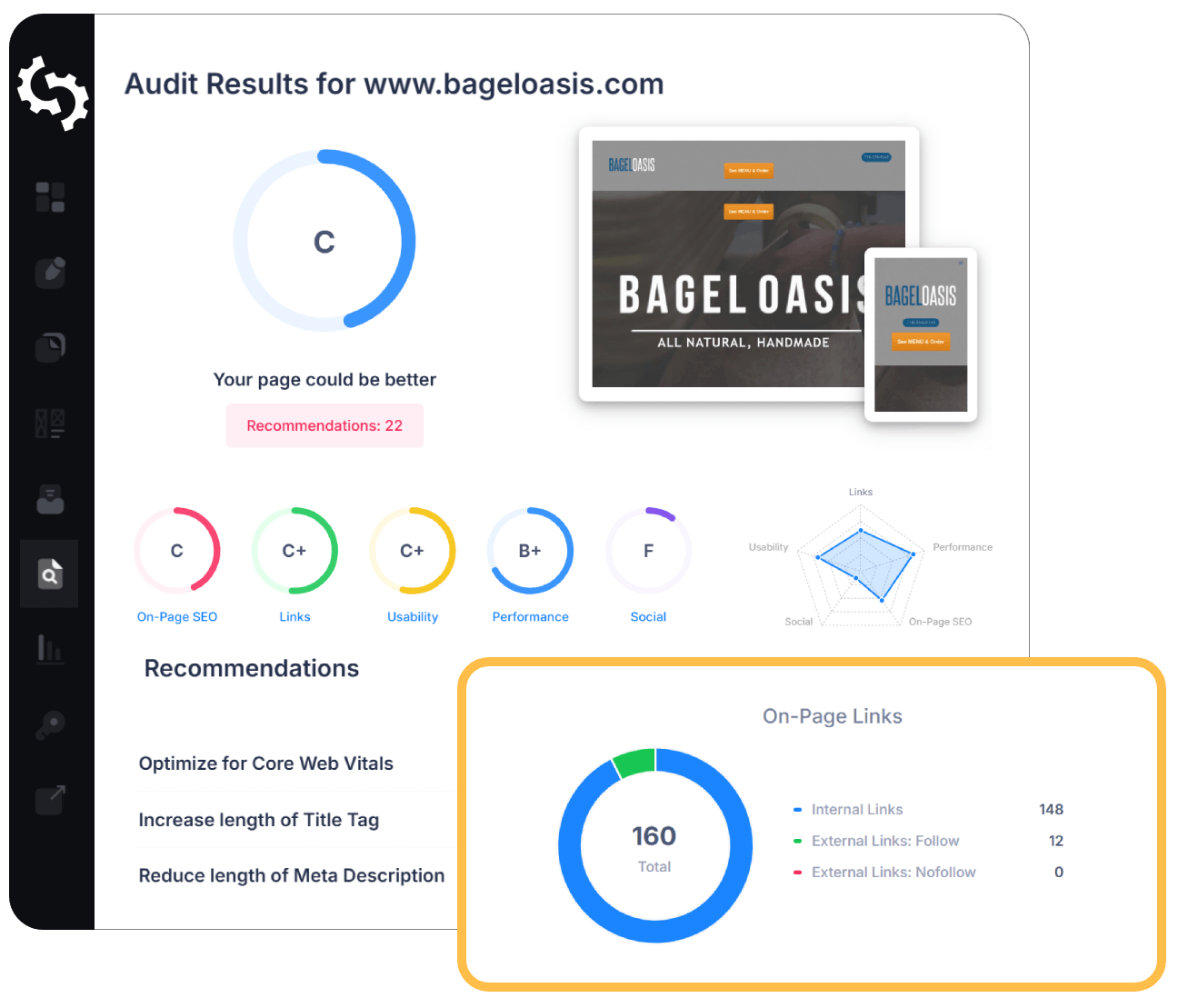
SEO Audit Any Site in Seconds
+ Comprehensive SEO / GEO Tools for Every Function
Run over 100 checks on your website across On-Page SEO, Usability, Performance, Social and Links. Now with GEO in every report. SEOptimer also offers keyword research, rank tracking, backlinks and a full site crawler.