Yüksek Arama Hacmine Sahip Anahtar Kelimeler Hakkında
Yüksek arama hacmi olarak ne kabul edilir?
Evrensel bir sayı yoktur. Uzmanlaşmış bir sektörde ayda bin arama çok büyük bir rakamken tüketici perakendesinde önemsiz kalabilir; bu nedenle yararlı karşılaştırma her zaman sabit bir eşik yerine aynı konudaki diğer terimlerle yapılır.
Bu nedenle buradaki alt sınırı siz belirlersiniz. Listenin artık yararlı olmaktan çıktığı noktadan başlayın ve gördüğünüz terimler gerçekten yazacağınız terimler olana kadar sınırı ayarlayın.
Bu araç herhangi bir zorluk üst sınırı uygulamaz; bu nedenle, bu terimlerde gerçekçi olarak sıralanıp sıralanamayacağınızı dikkate almaksızın, çekirdek anahtar kelimenizle ilgili yüksek arama hacmine sahip terimleri gösterir. Bu, bir hedef seçmekten ziyade pazarın büyüklüğünü ölçerken doğru yaklaşımdır.
Arama hacmi size ne söyler, ne söylemez
Aylık arama hacmi bir ortalamadır ve ortalamalar dağılımı gizler. Yılın altı haftasında yoğun şekilde aranan bir terim, düzenli olarak aranan bir terimle aynı aylık değeri gösterebilir; bu nedenle trend, öne çıkan sayıdan daha önemlidir.
Ziyaretleri değil, aramaları sayar. Aramaların önemli bir kısmı hiç tıklama olmadan, doğrudan sonuç sayfasında sonlanır; bu nedenle arama hacmi, trafiği öngörmekten ziyade trafik için bir üst sınır belirler.
Ayrıca, ilgili terimde başarı elde edip edemeyeceğiniz hakkında hiçbir şey söylemez. Zorluk değeri 80 olan yüksek hacimli bir anahtar kelime, başkasının trafiğini tanımlar. Bu nedenle bu liste bir plan olmaktan ziyade bir başlangıç noktasıdır.
Listeyi dürüstçe değerlendirmek
Listenin üst sıralarının rekabetçi olmasını bekleyin. Hacim ve zorluk güçlü bir şekilde ilişkilidir; çünkü en değerli terimler en fazla çabayı gerektirir ve herhangi bir çekirdek anahtar kelime etrafındaki en büyük anahtar kelime genellikle en zor olanıdır.
Zorluk sütunu bu nedenle vardır. Listeyi yukarıdan aşağıya okumak yerine, şu anda gerçekçi bir şekilde hedefleyebileceğiniz terimler ile daha uzun vadeli bir proje olan terimleri ayırmak için bu sütunu kullanın.
2026 yılında arama hacmi hâlâ önemli mi?
Arama hacmi, tahmin aracı olmaktan ziyade terimleri karşılaştırmanın bir yolu olarak önem taşır. Sonuçlar kişiselleştiriliyor ve giderek daha fazla arama, kullanıcı başka bir sayfaya yönlendirilmeden doğrudan yanıtlanıyor. Bu nedenle ziyaretleri tahmin ettiğini iddia eden herhangi bir rakam, ölçüm yapmaktan çok tahminde bulunuyor.
Geçerliliğini koruyan şey, terimler arasındaki ilişkidir. Bir anahtar kelime diğerinden on kat daha sık aranıyorsa, her iki mutlak sayı da tam olarak doğru olmasa bile bu bilgi vermeye devam eder.
Dikkate değer değişim, yüksek hacimli bilgilendirici terimlerin yapay zekâ özetleri nedeniyle en fazla kaybı yaşamış olmasıdır. Bu nedenle yalnızca arama hacmine bakmak, en geniş kapsamlı terimlerin değerini olduğundan yüksek, onların altında yer alan spesifik terimlerin değerini ise olduğundan düşük gösterir.
Bu aracın kontrol ettikleri
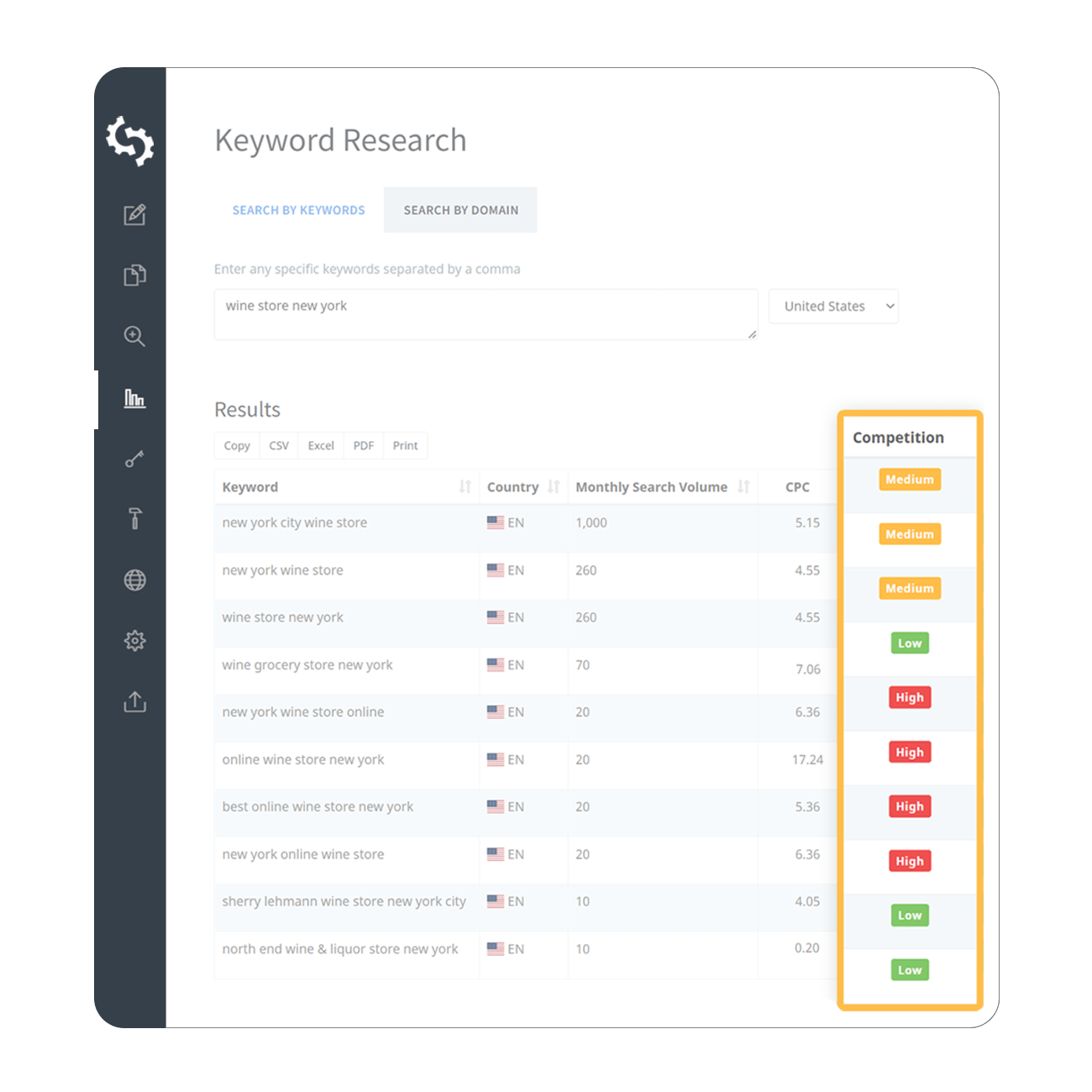
Araç, bir başlangıç anahtar kelimesi alır, ilgili anahtar kelimeleri dizinimizde arar ve yalnızca yüksek arama hacmine sahip olanları, yani belirlediğiniz minimum aylık hacme eşit veya bunun üzerinde olanları tutar. Sonuçlar, en yüksek hacim en üstte olacak şekilde hacme göre sıralanır.
Zorluk, tıklama başına maliyet ve rekabet de bunların yanında gösterilir. Böylece listeyi ikinci bir arama yapmadan yalnızca hacim açısından değil, erişilebilirlik açısından da değerlendirebilirsiniz.
Rakamlar canlı aramadan değil, dizinimizden alınır; bu nedenle o ana ait sonuçlar yerine, söz konusu anahtar kelimeler ve konum için dizinimizde bulunan tabloyu yansıtır.
Sonraki adımlar
Asıl istediğiniz şey örtüşme — yüksek Arama Hacmi, düşük Rekabet düzeyine sahip Anahtar Kelimeler — ise
birleşik araç her iki eşiği aynı anda uygular ve yalnızca her iki koşulu da karşılayan terimleri döndürür.