Kostenloser Generator für Canonical-Tags
Generiere ein Canonical-Tag, das auf die Version einer Seite verweist, die indexiert werden soll, damit nicht mehrere doppelte URLs miteinander konkurrieren.
Ausgabe
Ihr Canonical-Tag:
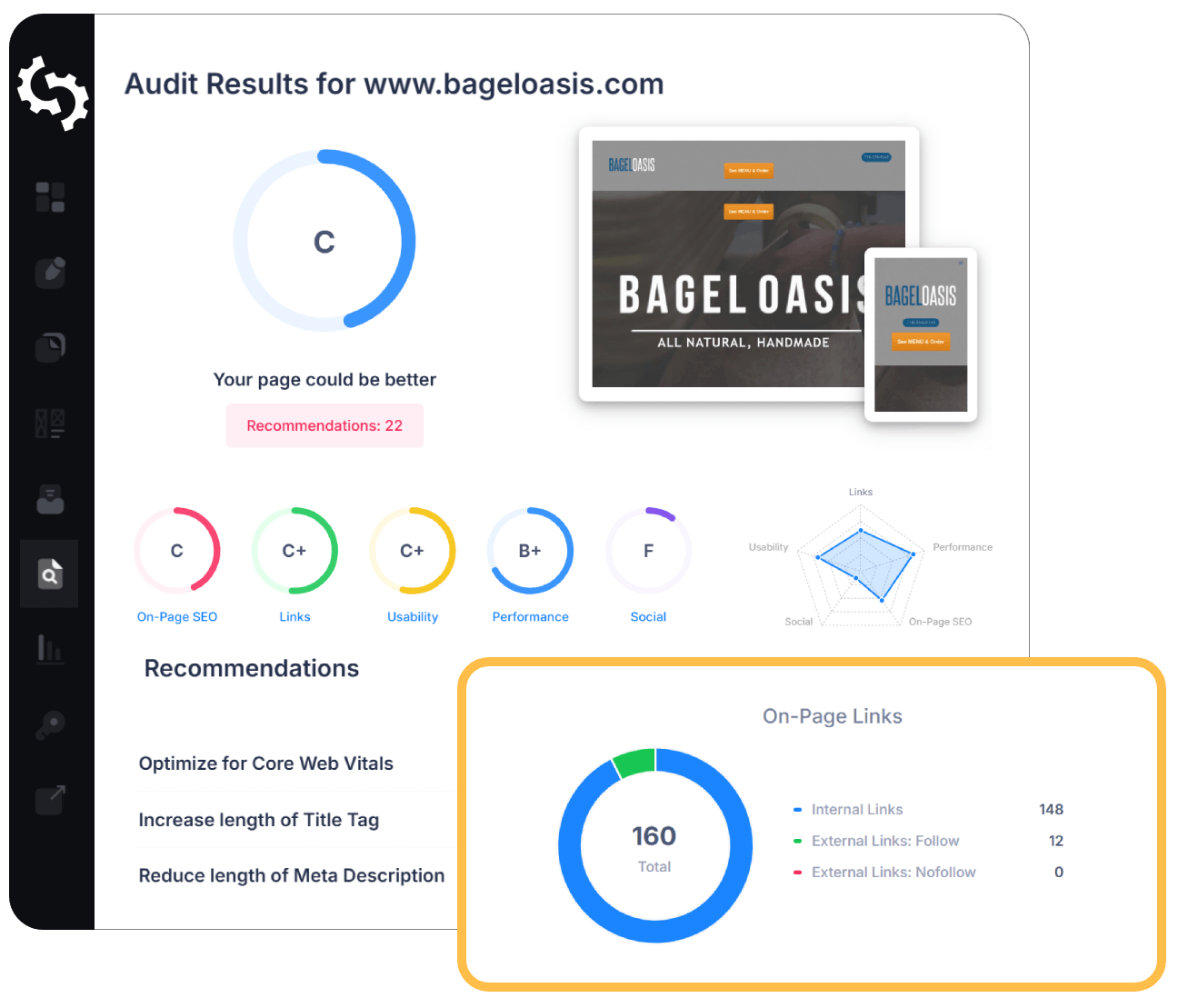
SEO-Audits für jede Website in Sekundenschnelle
+ Umfassende SEO-/GEO-Tools für jede Aufgabe
Führen Sie über 100 Prüfungen Ihrer Website in den Bereichen On-Page-SEO, Benutzerfreundlichkeit, Performance, Social Media und Links durch. Jetzt mit GEO in jedem Bericht. SEOptimer bietet außerdem Keyword-Recherche, Ranking-Tracking, Backlink-Analysen und einen vollständigen Website-Crawler.

Über Canonical-Tags
Wozu ein Canonical-Tag dient
Ein Canonical-Tag gibt die Version einer Seite an, die indexiert werden soll, wenn derselbe Inhalt unter mehr als einer Adresse erreichbar ist. Es handelt sich um eine Präferenzangabe, die von Suchmaschinen in der Regel berücksichtigt wird.
Duplikate entstehen, ohne dass sie jemand erstellt: ein abschließender Schrägstrich, HTTP und HTTPS, www- und Nicht-www-Version, ein Tracking-Parameter, eine druckerfreundliche Version oder ein Produkt, das über zwei Kategorien erreichbar ist.
Unaufgelöst konkurrieren diese Versionen miteinander und teilen die Signale auf, die sich auf einer einzigen Seite ansammeln sollten.
So machen Sie es richtig
- Verwenden Sie eine absolute URL einschließlich des Protokolls.
- Verweisen Sie auf eine Seite, die den Statuscode 200 zurückgibt, nicht auf eine Weiterleitung oder eine 404-Seite.
- Versehen Sie jede Seite mit einem selbstreferenzierenden Canonical, einschließlich der bevorzugten Seite.
- Stellen Sie sicher, dass dies mit Ihrer Sitemap und Ihren internen Links übereinstimmt.
- Pro Seite genau ein Canonical. Zwei werden wie keines behandelt.
Häufige Fehler
- Jede Seite ist auf die Startseite kanonisiert, wodurch die gesamte Website aus den Suchergebnissen entfernt wird.
- Das Canonical weist in die eine Richtung und die Weiterleitung in die andere.
- Relative URLs, die unvorhersehbar aufgelöst werden.
- Paginierte Seiten auf Seite eins kanonisieren und alles dahinter ausblenden.
- Dies als Direktive behandeln. Es ist ein Hinweis, und eine Seite mit abweichendem Inhalt wird ohnehin indexiert.
Kanonische URLs und Duplicate Content
Für Duplicate Content gibt es in dem Sinne, wie die meisten Menschen den Begriff verstehen, keine Abstrafung. Was passiert, ist weniger offensichtlich: Signale werden aufgeteilt, die falsche Version rankt, und keine der Versionen erzielt eine ebenso gute Leistung wie eine einzige konsolidierte Seite.
Genau dieses Problem löst eine kanonische URL. Deshalb lohnt es sich auch, bewusst vorzugehen, anstatt per Template überall eine hinzuzufügen und einfach zu hoffen.
Verwendung des Generators für Canonical-Tags
Geben Sie die URL ein, die indexiert werden soll, und fügen Sie den Tag in den -Bereich jeder Seite ein, die auf diese URL verweisen soll – einschließlich dieser Seite selbst.
Passen Sie den Tag exakt daran an, wie die Seite tatsächlich ausgeliefert wird, da ein abschließender Schrägstrich oder ein fehlendes „www“ die URL verändert.
Wie es weitergeht
Überprüfen Sie den Tag nach der Veröffentlichung mit dem Canonical-Checker, bestätigen Sie, dass die URL, auf die er verweist, einen Statuscode von 200 zurückgibt, und prüfen Sie, ob Ihre XML-Sitemap dieselbe Version auflistet.
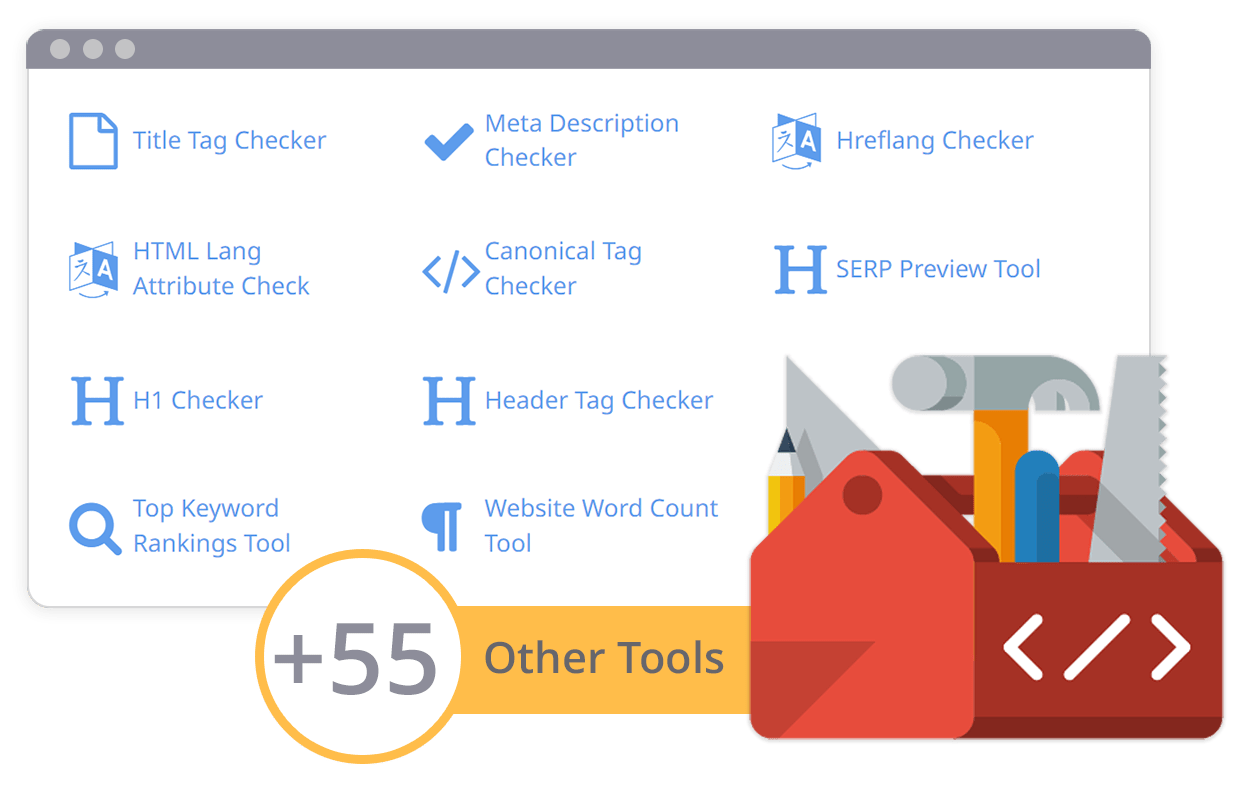
Umfassende SEO-Toolbox mit über 55 Tools
Überprüfen Sie Titel, Meta-Beschreibungen, Überschriften, Schema-Markup, Core Web Vitals, SSL und die robots.txt. Generieren Sie Meta-Tags, Sitemaps und .htaccess-Regeln, minimieren Sie CSS, JavaScript und HTML und erstellen Sie mit unseren KI-Schreibtools sofort und kostenlos Texte.
Weiterführende Informationen
Mehr sehen
Canonical URLs: Why They Are Important & How to Use Them
Canonical URLs help webmasters solve the problem of duplicate content issues.
Knowing how to implement them correctly is essentia...

Canonical Tag Issues: How to Find and Fix Errors
Canonical issues occur when search engines find duplicate or very similar pages on your website and are not given a clear preferred URL to i...
How to Create Properly Optimized URLs for SEO
URLs are important in the digital marketing industry, especially in the field of SEO. URLs are the address of our online home – our website,...

3xx Redirects: What are They & How They Impact SEO
Understanding 3xx redirects is important for anyone involved in digital marketing and SEO. These redirects tell browsers that the requested...