Long Tail Keyword Generator
Find high-converting long tail keywords with our Long Tail Keyword Generator. Enter your main keyword and target audience to get a list of SEO-friendly long-tail keywords for your niche.
Input
Output
Generated content:
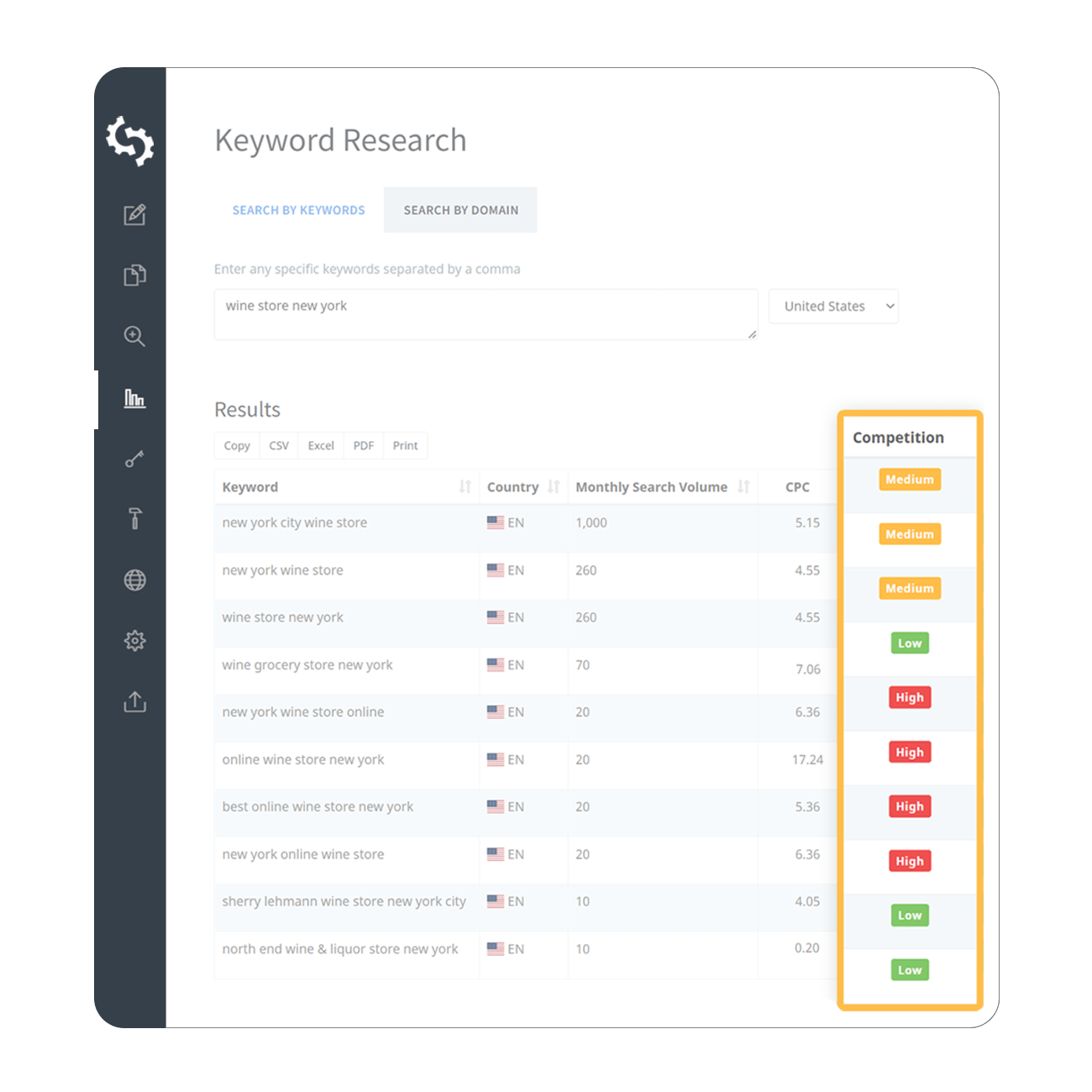
Find the Keywords Worth Ranking For, Then Watch Them Move
Real search volume, CPC and competition data for any market, so you know which phrases are worth the work before you start. Then track your positions daily on Google and Bing, on desktop and mobile, and down to the city for local search - with scheduled reports that show clients exactly what changed.

About Long Tail Keywords
What is a long tail keyword?
A long tail keyword is a longer, more specific search phrase with lower volume than the head term it belongs to. "Running shoes" is a head term; "running shoes for flat feet marathon training" is the tail.
The name describes a distribution rather than a word count. A handful of phrases get enormous volume, and behind them sits an extremely long tail of phrases each searched a few times a month, which together account for most of all searching.
That is the whole argument for chasing them. Individually they look too small to bother with; collectively they are the larger half of the market and far less contested.
Why a long tail keyword is often the better target
- Intent is clearer, because a longer phrase says more about what the searcher wants.
- Competition is lower, since few sites write pages for a phrase with modest volume.
- Conversion is higher, as specificity usually means the person is further along.
- Ranking is realistic for a newer site, where head terms are not.
- Coverage compounds, since related specific pages reinforce each other.
A new site ranking third for a phrase with forty searches a month is in a materially better position than one ranking fortieth for a phrase with forty thousand.
Common mistakes
- Treating every long phrase as a long tail keyword, including ones nobody searches.
- A separate thin page per variation, when one good page covers them all.
- Ignoring intent, and writing a guide for a phrase with clear buying intent.
- Stuffing the exact phrase in, when natural coverage of the topic ranks better.
- Never validating the list, so effort goes to phrases with no demand at all.
Why the long tail matters more in 2026
People searching through assistants write the way they speak, in full questions rather than in two-word fragments. That has pushed a great deal of searching further down the tail than it used to sit.
Those longer questions are also the ones answer engines are best at handling, and the pages they cite tend to be the ones addressing a specific question directly rather than surveying a broad topic.
The practical consequence is that a long tail keyword is now less about squeezing volume from the margins and more about matching how people actually ask.
Where the generator helps, and where it does not
It is good at breadth. Starting from one seed, it produces angles and phrasings you would not have thought of, which is exactly the bottleneck in long tail research.
It has no search volume data and no competition data, so it cannot tell you which suggestions anyone actually searches. Treat the output as a hypothesis list to validate, not a plan.
Using the long tail keyword generator
Enter your main keyword and the tool returns a set of related long tail keyword suggestions built around it.
Then group them by intent, discard the ones no real person would type, and check the survivors against a volume source before committing pages to them.
Where to go next
Long tail research feeds directly into planning, and a suggestion list is only worth acting on once you know the demand behind it. Group what you find with the keyword clustering tool, validate volumes and competition in our keyword research tool, and watch what the pages you build actually do with keyword rank tracking.
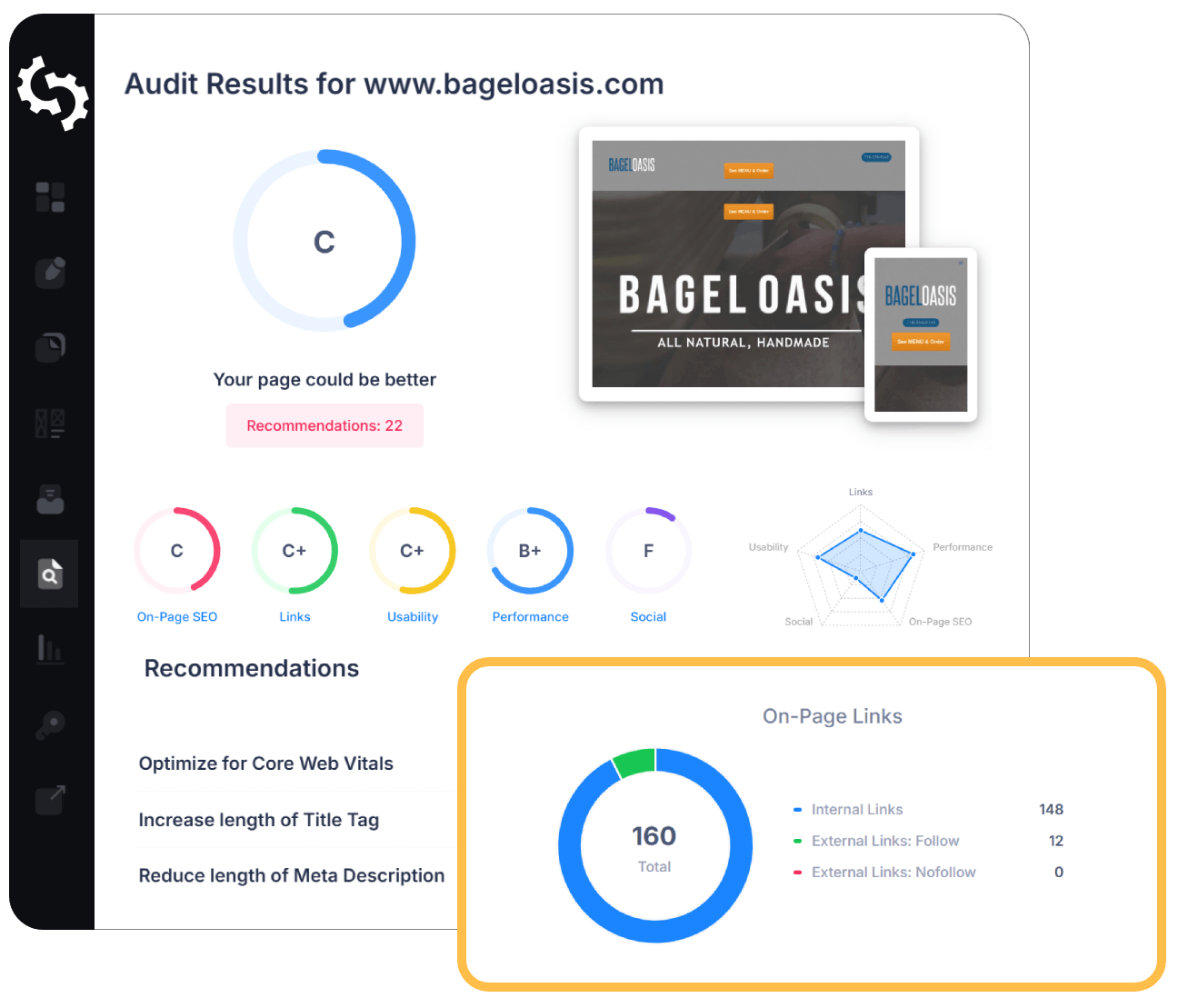
SEO Audit Any Site in Seconds
+ Comprehensive SEO / GEO Tools for Every Function
Run over 100 checks on your website across On-Page SEO, Usability, Performance, Social and Links. Now with GEO in every report. SEOptimer also offers keyword research, rank tracking, backlinks and a full site crawler.
Further Reading
See More
Long Tail vs Short Tail Keywords: What’s the Main Difference?
Many SEOs and marketers wonder what's the difference between long tail vs short tail keywords. Understanding the difference between these tw...

How to Find Low Hanging Fruit Keywords for SEO
Do you feel like climbing the SEO ranks is an impossible uphill battle with big competitors hogging the top spots? The secret to getting ahe...

What are High Intent Keywords & How to Use Them in SEO
Understanding and leveraging high intent keywords is paramount to driving targeted traffic and increasing conversions. These keywords are th...

How to Find Niche Keywords for Your Website
SEO is getting more challenging day after day. So, what can you do to outrank your organic competition more easily? One of the best ways to...

5 Key Reasons Why Keyword Research is Important for SEO
Is keyword research still important for SEO? The answer to that question is a resounding yes!
Keyword research is the foundation o...
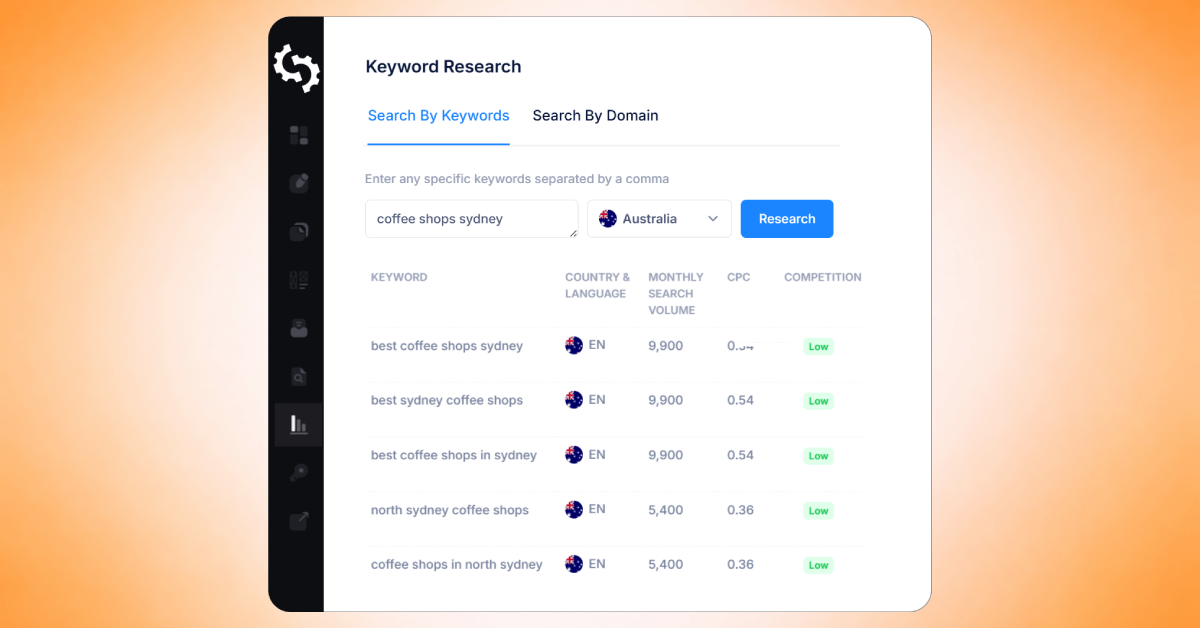
How to Use SEOptimer's Keyword Research Tool
What is SEOptimer's Keyword Research Tool?
SEOptimer’s Keyword Research Tool is a feature inside the SEOptimer platform that lets yo...

How to Track Search Engine Rankings in Google and Bing
Tracking keyword rankings is important to understand a website's performance in search engine results.
When your site ranks higher i...

Keyword Ranking Analysis: How to Track and Improve Your SEO Rankings
Without analyzing your results, you won’t know if you’ve taken the right path to achieve your SEO goals.
That’s why, if you optimize...

Importance of Tracking SERPs: 4 Reasons to Track Search Performance
The search engine results page (SERP) is shown to users when they conduct a search on search engines like Google.
The user types i...