Keyword Clustering Tool
Organize your SEO strategy with our Keyword Clustering Tool. Just enter your target keyword to generate a complete list of related keywords that cover the full topical map.
Input
Output
Generated content:
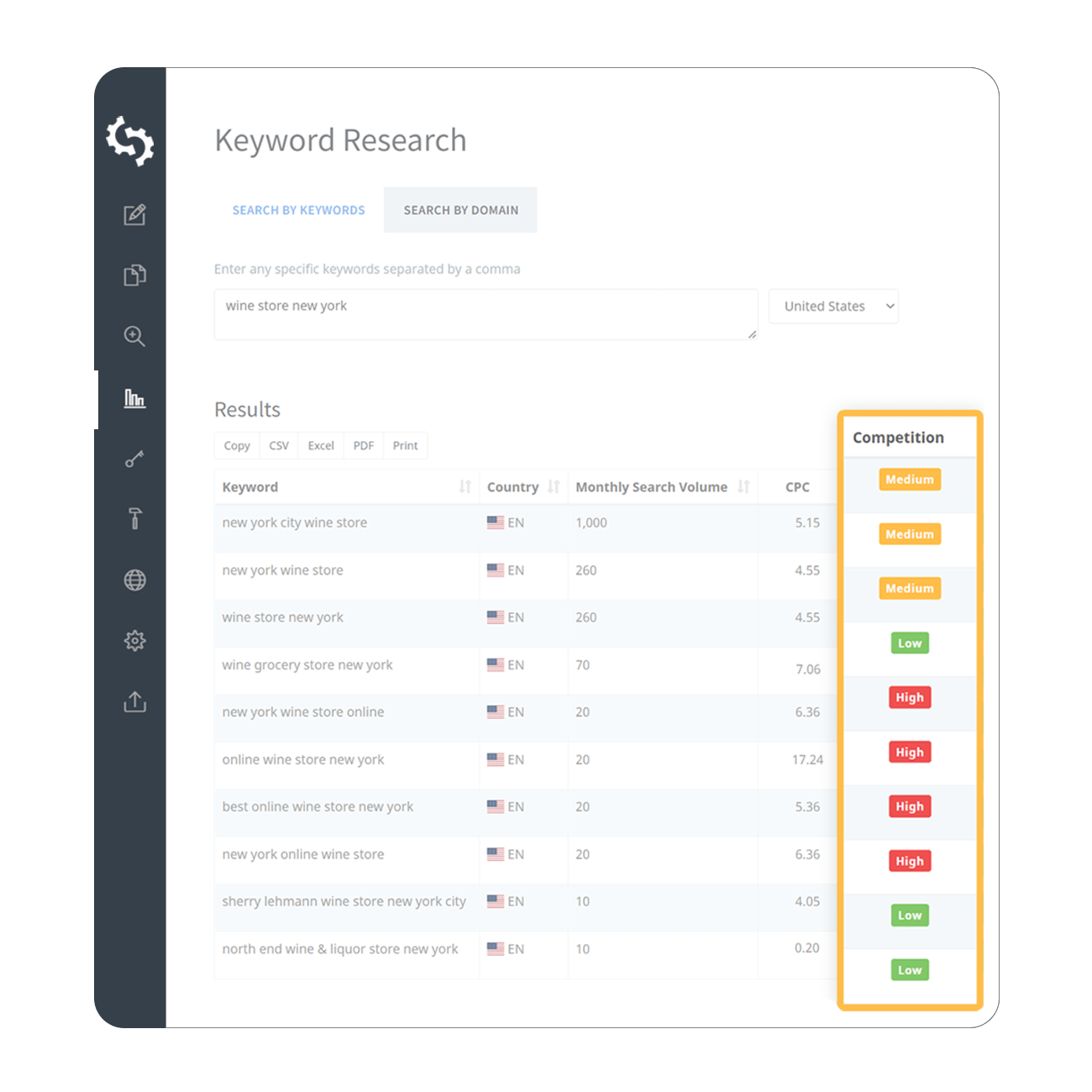
Find the Keywords Worth Ranking For, Then Watch Them Move
Real search volume, CPC and competition data for any market, so you know which phrases are worth the work before you start. Then track your positions daily on Google and Bing, on desktop and mobile, and down to the city for local search - with scheduled reports that show clients exactly what changed.

About Keyword Clustering
What is keyword clustering?
Keyword clustering is grouping related search phrases so that each group becomes one page rather than many. It is the step between having a keyword list and having a content plan.
The grouping is by intent rather than by wording. "How to fix a slow website", "why is my website slow" and "website speed problems" are three phrasings of one question and belong on one page; "website speed test tool" is a different intent and belongs elsewhere.
Get this wrong and you build five thin pages competing with each other. Get it right and you build one page that covers the question properly and outranks all five.
How to cluster in practice
- Group by the question being asked, not by shared words.
- Separate informational, comparison and buying intent into different pages.
- Check the live results: phrases returning the same pages belong together.
- Give each cluster one page and one primary phrase.
- Link clusters covering the same subject area to each other.
The results check is the most reliable of these. If two phrases return substantially the same pages, search engines have already decided they are one topic.
Common mistakes
- A page per keyword, which produces cannibalisation rather than coverage.
- Clustering on shared words while ignoring that the intents differ.
- Clusters so broad the resulting page has to cover four subjects.
- Building clusters and then never linking them together.
- Planning the map once and never revisiting it as the site grows.
Clustering, topical authority and AI in 2026
Search engines assess whether a site covers a subject area rather than whether a page mentions a phrase, and clustering is how that coverage gets built deliberately instead of accidentally.
Answer engines behave similarly when choosing sources, favouring sites that treat a subject thoroughly across connected pages over sites with one page touching it lightly.
This is why keyword clustering has outlived the keyword-targeting era it came from: the output is a topical map, and a topical map is what both systems are effectively rewarding.
Where the tool helps, and where it does not
It is good at producing the related terms around a topic quickly, which is the tedious part of building a map by hand.
It cannot see live results, volumes or your existing pages, so it cannot tell you which suggested clusters you have already covered or which are worth the effort. That judgement stays with you.
Using the keyword clustering tool
Enter your target keyword and the tool returns a set of semantically grouped related keywords covering the topical map around it.
Use it as the first draft of a plan: assign one page per cluster, check each against what you already publish, and drop the groups that duplicate existing pages.
Where to go next
Clusters turn into pages, and a map is only as good as the demand data behind it. Find the specific phrases inside each cluster with the long tail keyword generator, check volumes and difficulty in our keyword research tool, and monitor how each new page performs with keyword rank tracking.
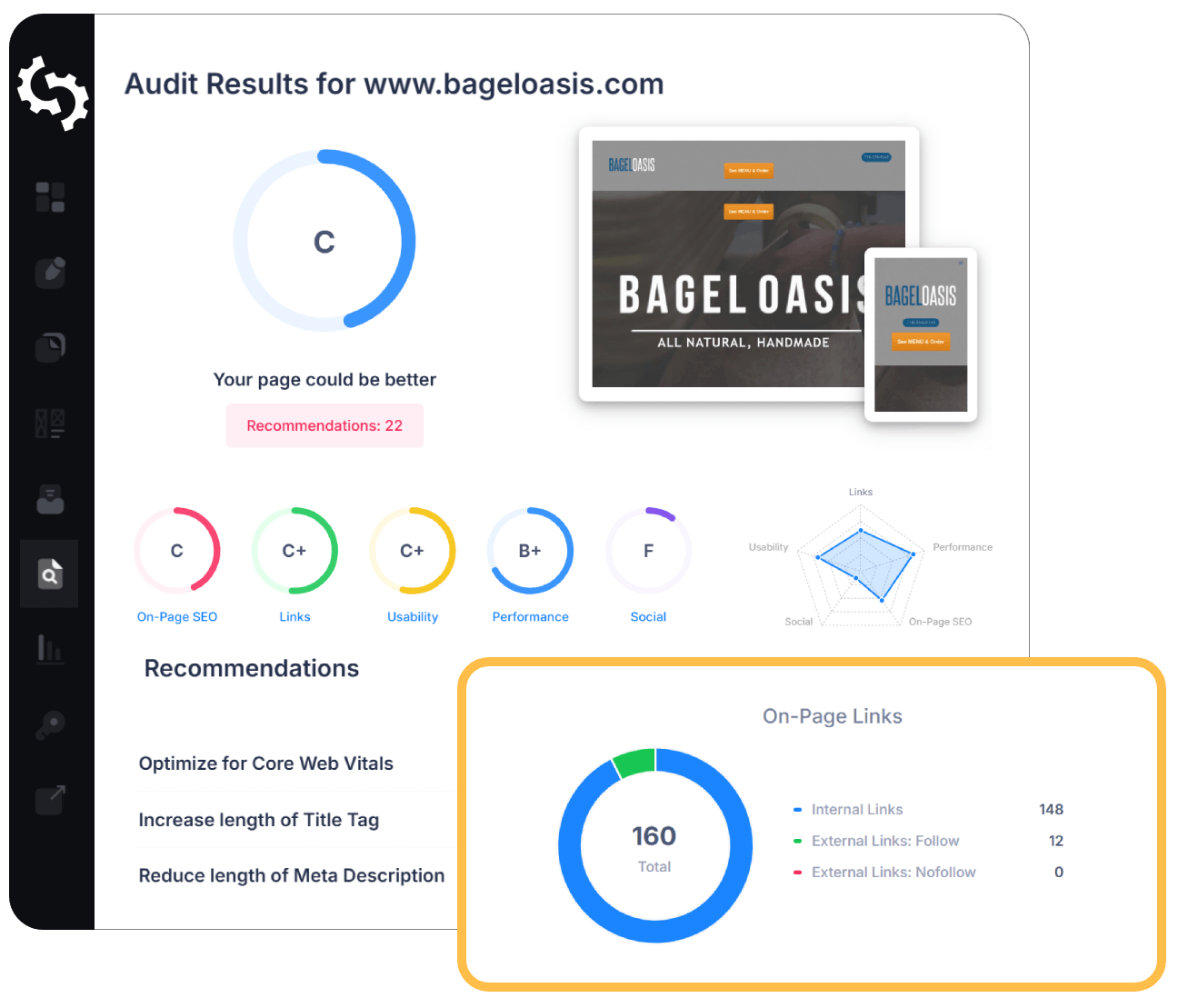
SEO Audit Any Site in Seconds
+ Comprehensive SEO / GEO Tools for Every Function
Run over 100 checks on your website across On-Page SEO, Usability, Performance, Social and Links. Now with GEO in every report. SEOptimer also offers keyword research, rank tracking, backlinks and a full site crawler.
Further Reading
See More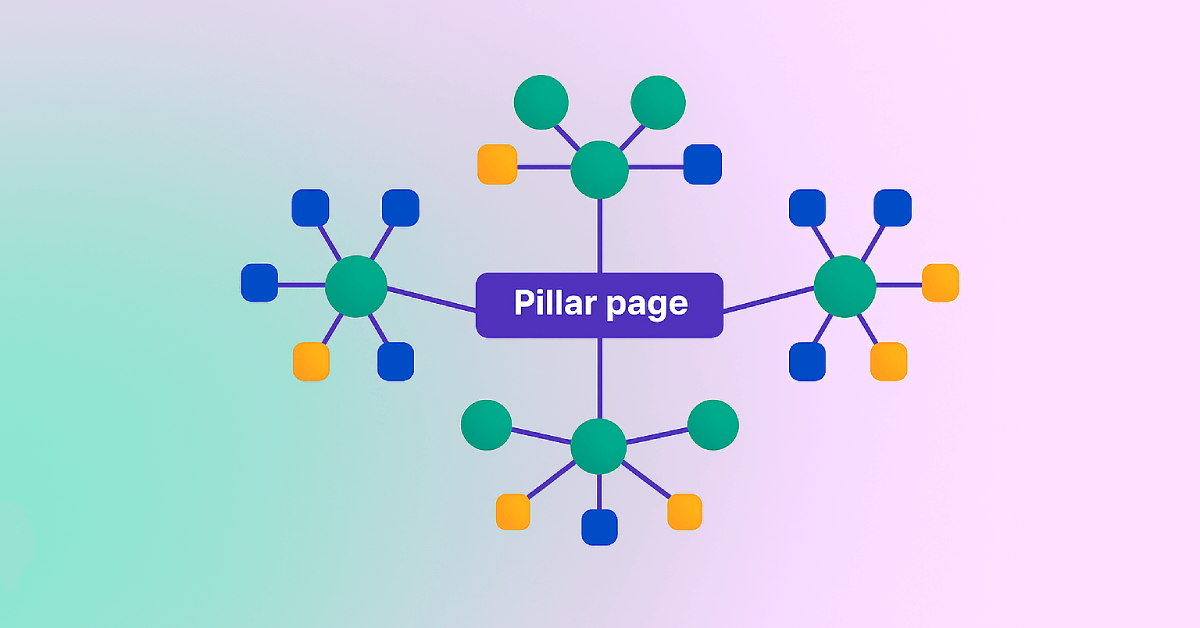
How to Create an SEO Content Cluster
You just might be writing your blogs wrong.
If you’re not using the topic cluster model (also known as a content cluster model) to o...

How to Create a Topical Map for SEO (with Tips from Expert Marketers)
If you want to rank higher on Google, you need more than just keywords. You need to create and follow a topical map for SEO.
A topic...
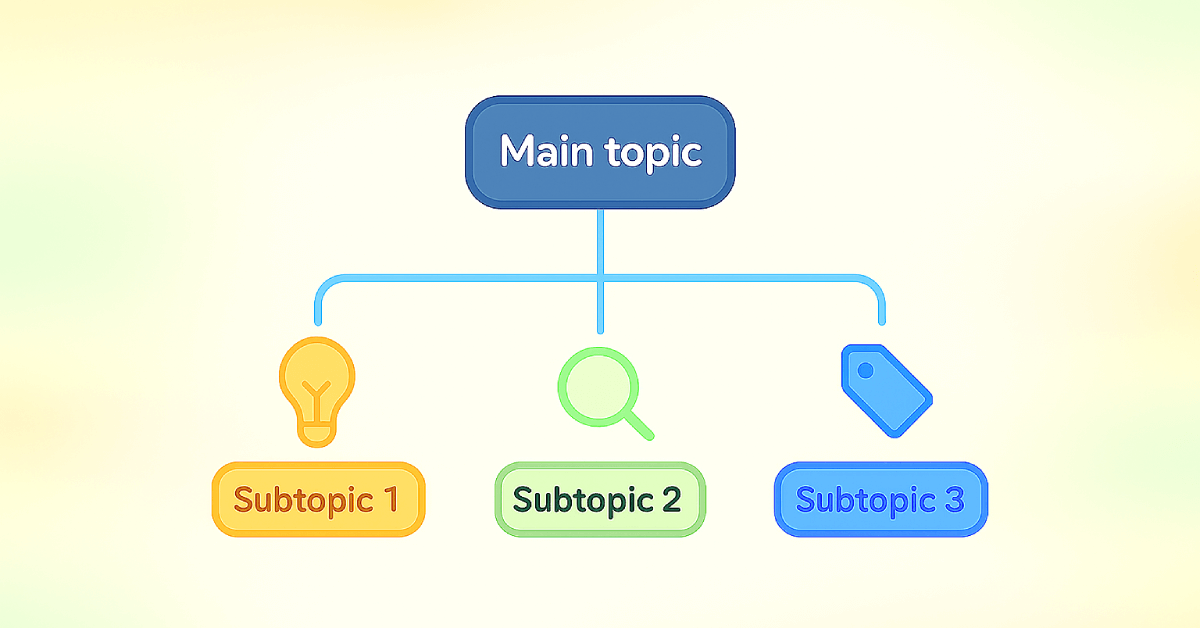
How to Create a Complete Topic Map for SEO
When you have a pressing problem, would you rather have a generalist handle it or a specialist take care of it?
And if you could, w...

Topical Relevance in SEO: 5 Simple Ways to Improve Your Site’s Authority
Topical SEO ensures that your website's content matches the needs of your target audience. Users who find content relevant to their queries...

9 Popular Types of Keywords in SEO (and How to Use Each)
If you want to optimize your website for search engines, understanding the different types of keywords in SEO is quite important.
Us...

5 Key Reasons Why Keyword Research is Important for SEO
Is keyword research still important for SEO? The answer to that question is a resounding yes!
Keyword research is the foundation o...
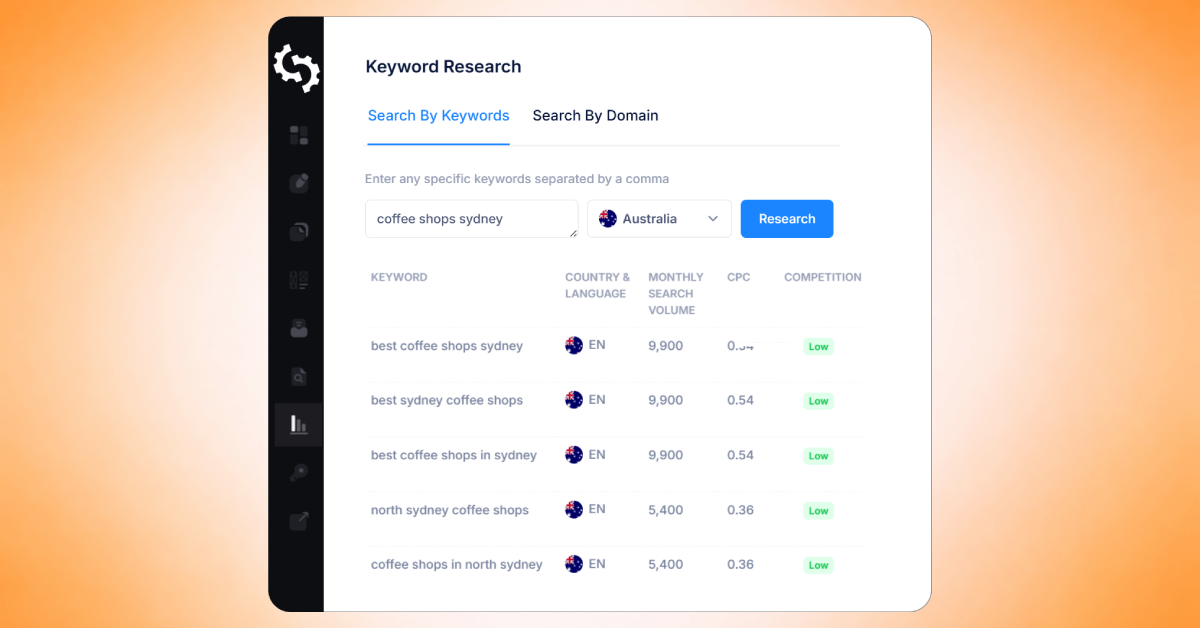
How to Use SEOptimer's Keyword Research Tool
What is SEOptimer's Keyword Research Tool?
SEOptimer’s Keyword Research Tool is a feature inside the SEOptimer platform that lets yo...

How to Track Search Engine Rankings in Google and Bing
Tracking keyword rankings is important to understand a website's performance in search engine results.
When your site ranks higher i...

Keyword Ranking Analysis: How to Track and Improve Your SEO Rankings
Without analyzing your results, you won’t know if you’ve taken the right path to achieve your SEO goals.
That’s why, if you optimize...