Informazioni sulla SERP di Google
Che cos’è una SERP?
SERP è l’acronimo di Search Engine Results Page, ovvero la pagina dei risultati del motore di ricerca: la pagina che Google restituisce dopo che qualcuno digita una query. È l’unica visualizzazione di una ricerca che chiunque sperimenta davvero ed è il punto in cui, in definitiva, si concretizza ogni discussione sul posizionamento.
Un verificatore SERP di Google si limita a recuperare quella pagina per una parola chiave e a elencare, nell’ordine, i risultati restituiti. Nessun account, nessuna configurazione del monitoraggio, nessuna attesa che i dati si accumulino.
Il motivo per cui usarne uno invece di cercare autonomamente è che i risultati ottenuti personalmente non sono neutrali. Google personalizza ciò che visualizzi in base alla tua cronologia, alla tua posizione e al tuo account, quindi la pagina che hai davanti non è la stessa che visualizzerebbe uno sconosciuto.
Che cosa significa realmente «posizione» in una pagina dei risultati
La posizione indica l’ordine nell’elenco dei risultati organici: primo, secondo, terzo e così via scorrendo la pagina. Sembra ovvio, ma la complicazione riguarda ciò che circonda questi risultati:
- Gli annunci vengono visualizzati sopra e sotto l’elenco organico e non ne fanno parte.
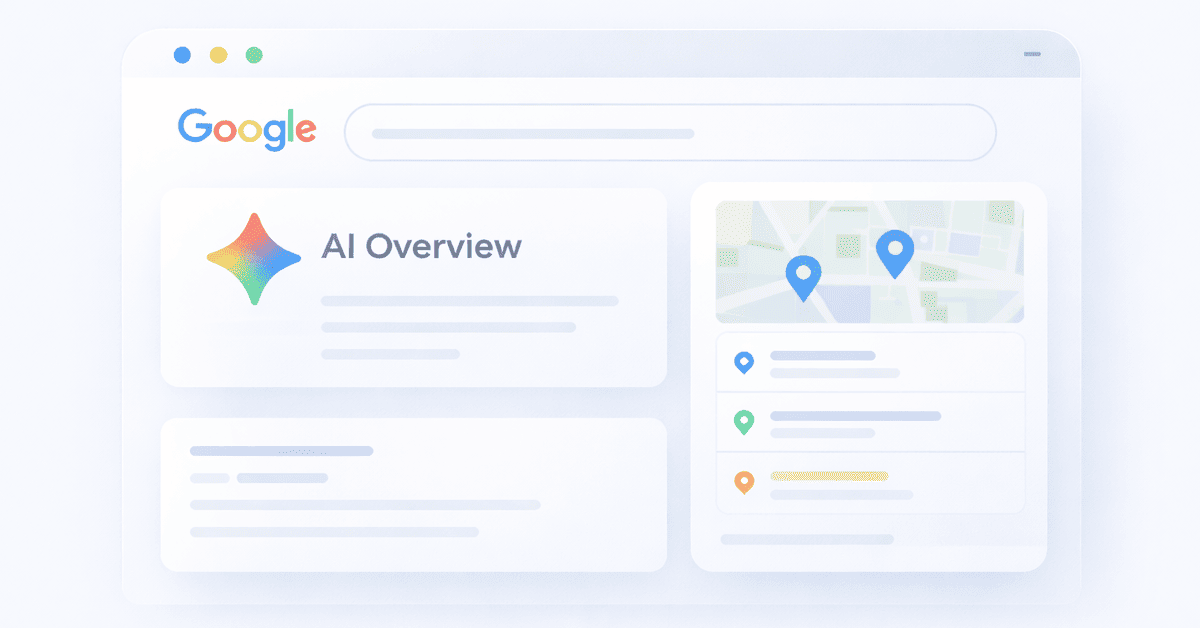
- Le panoramiche AI, gli snippet in primo piano e i pannelli informativi possono spingere molto più in basso nella pagina il primo risultato.
- I riquadri per lo shopping, i video, le immagini e i risultati locali occupano spazio tra i risultati organici.
- I blocchi dedicati a discussioni e forum ora compaiono per molte query informative.
Quindi, “essere al terzo posto” descrive la posizione in un elenco, non la posizione nella pagina. Un verificatore del posizionamento nella SERP di Google mostra l’elenco; quanto in basso nella pagina inizi a visualizzarlo è una questione separata e, sempre più spesso, quella più importante.
Come leggere i risultati
Guarda chi è presente prima di guardare dove ti trovi. Se la prima pagina è dominata da editori e siti di confronto, la query è informativa e una pagina prodotto farà fatica indipendentemente dal livello di ottimizzazione.
Poi leggi i titoli nel loro insieme. Ti indicano cosa Google ritiene attualmente che significhi la query, e corrispondere a quell’intento è più importante di qualsiasi singolo fattore on-page.
Le posizioni dalla quarta alla decima sono solitamente la parte più istruttiva. Quelle pagine sono abbastanza valide da qualificarsi, ma non abbastanza forti da dominare: è questo lo standard che dovresti superare.
Esegui nuovamente la ricerca dello stesso termine dopo qualche settimana e il confronto diventa ancora più utile: un verificatore del ranking nelle SERP di Google dà il meglio di sé quando mostra cosa è cambiato, non solo cosa è presente oggi.
Perché i risultati differiscono da quelli che vedevi nel 2026
La personalizzazione è solo una parte del problema. La posizione geografica modifica notevolmente i risultati, anche per query che sembrano nazionali; il dispositivo cambia sia l’ordine sia la quantità di contenuti visibili above the fold, e Google esegue abbastanza esperimenti in tempo reale da far sì che due persone nella stessa città possano visualizzare pagine diverse.
Le panoramiche AI hanno aggiunto un ulteriore livello di variabilità. Compaiono per alcune ricerche e non per altre, e la stessa query può attivarne una oggi ma non domani, spostando tutto ciò che si trova al di sotto.
Questo è il motivo per cui conviene controllare una SERP in modo intenzionale invece di affidarsi al proprio browser. Una ricerca pulita con una località specificata è ripetibile in un modo in cui i risultati personali non lo sono mai.
Cosa controlla questo strumento
Inserisci una parola chiave e scegli una località: questo strumento di controllo del posizionamento nella SERP di Google restituisce i primi 10 risultati organici mostrati da Google per quella ricerca, in ordine, con il titolo e l'URL di ogni pagina.
La ricerca viene eseguita da zero per la parola chiave e la località che scegli, invece di recuperare dati dalle posizioni salvate; ciò che vedi è quindi l’ordine attuale, non una posizione storica.
Cosa fare dopo
Una singola SERP è solo un’istantanea; il lavoro utile inizia quando la confronti con qualcos’altro. Controlla la stessa parola chiave su
mobile, scopri come
Bing la ordina diversamente e consulta il profilo completo delle parole chiave di chi è in testa con lo strumento
ricerca delle parole chiave dei concorrenti.