À propos du regroupement de mots-clés
Qu’est-ce que le regroupement de mots-clés ?
Le regroupement de mots-clés consiste à trier une longue liste de mots-clés en ensembles qui vont ensemble. Au lieu d’avoir un millier de lignes dans une feuille de calcul, vous obtenez trente groupes, chacun correspondant approximativement à une page que vous pourriez rédiger.
Il s’agit de l’étape entre la recherche et la planification, et de celle qui est le plus souvent ignorée. La recherche produit une liste ; une liste n’est pas un plan, et le travail consistant à transformer l’une en l’autre, c’est précisément cela.
Un groupe n’est pas une catégorie que vous avez inventée : c’est un schéma déjà présent dans votre liste. Si quarante mots-clés contiennent « recherche de mots-clés », votre liste vous indique qu’il s’agit d’un sujet, que vous l’ayez prévu ou non dans votre calendrier éditorial.
Pourquoi regrouper les mots-clés ?
Parce que les moteurs de recherche associent un sujet à une page, et non une expression à une page. Dix mots-clés presque identiques ne nécessitent pas dix articles ; ils en nécessitent un seul, de qualité. En en publiant dix, vous répartissez votre propre signal entre des pages qui se retrouvent alors en concurrence les unes avec les autres.
Le regroupement vous montre également la structure d’un marché. Le groupe le plus important correspond véritablement à l’objet de votre liste, tandis qu’un groupe inattendu révèle généralement une demande que vous n’aviez pas anticipée.
Il rend également une liste finie. Trente groupes peuvent être hiérarchisés en un après-midi ; un millier de mots-clés disparates resteront dans une feuille de calcul jusqu’à ce que quelqu’un la supprime.
Comment cet outil crée les groupes
Il lit chaque mot-clé, repère les expressions qui se répètent le plus dans la liste et regroupe chaque mot-clé sous l’expression la plus spécifique qu’il contient. Les noms des groupes sont donc toujours de vraies expressions issues de votre propre liste, et non des intitulés inventés pour vous, afin que vous puissiez comprendre pourquoi un mot-clé a été placé dans tel ou tel groupe.
Cette approche est lexicale plutôt que sémantique, et il est utile d’en connaître la limite : « audit SEO » et « audit de site web » correspondent à la même intention pour un internaute, mais ne partagent aucun mot ; ils seront donc placés dans des groupes distincts. En pratique, les listes de mots-clés issues des outils de recherche partagent généralement des termes principaux, et c’est précisément le cas que cette méthode traite efficacement.
Les mots-clés ne correspondant à aucune expression répétée sont affichés comme non regroupés plutôt que d’être forcés dans un groupe. Un groupe d’un seul mot-clé n’apporte aucune information, et un mauvais groupe vaut moins qu’une lacune assumée.
Comprendre les libellés d’intention
Chaque mot-clé est également associé à son intention de recherche probable, et chaque groupe reprend l’intention partagée par la majorité de ses membres :
- Informationnelle - l’utilisateur souhaite comprendre quelque chose.
- Commerciale - l’utilisateur compare avant de prendre une décision.
- Transactionnelle - l’utilisateur est prêt à passer à l’action.
- Navigationnelle - l’utilisateur recherche un emplacement précis.
Lorsqu’un groupe se répartit entre plusieurs intentions, ce désaccord est la partie la plus utile. Cela signifie généralement qu’il faut deux pages plutôt qu’une : un guide pour les personnes qui sont encore en phase d’apprentissage, et un contenu plus proche de la décision d’achat pour celles qui sont prêtes à acheter.
Transformer les groupes en pages
Considérez chaque groupe comme une page potentielle, et non comme une règle. Certains groupes correspondent clairement à un seul article ; d’autres constituent une section d’un article plus vaste ; et un groupe très important est souvent un hub regroupant plusieurs pages.
Choisissez le mot-clé de chaque groupe sur lequel vous souhaitez le plus vous positionner et rédigez votre contenu en fonction de celui-ci, en utilisant les autres pour orienter les titres. Rédiger pour tous les mots-clés à la fois produit une page qui ne s’adresse à personne.
Vérifiez ce que vous avez déjà avant de rédiger quoi que ce soit de nouveau. Un groupe est souvent déjà pris en charge par une page que vous avez publiée il y a deux ans et oubliée depuis, et l’améliorer est plus rapide que de repartir de zéro.
Ce que cet outil accepte
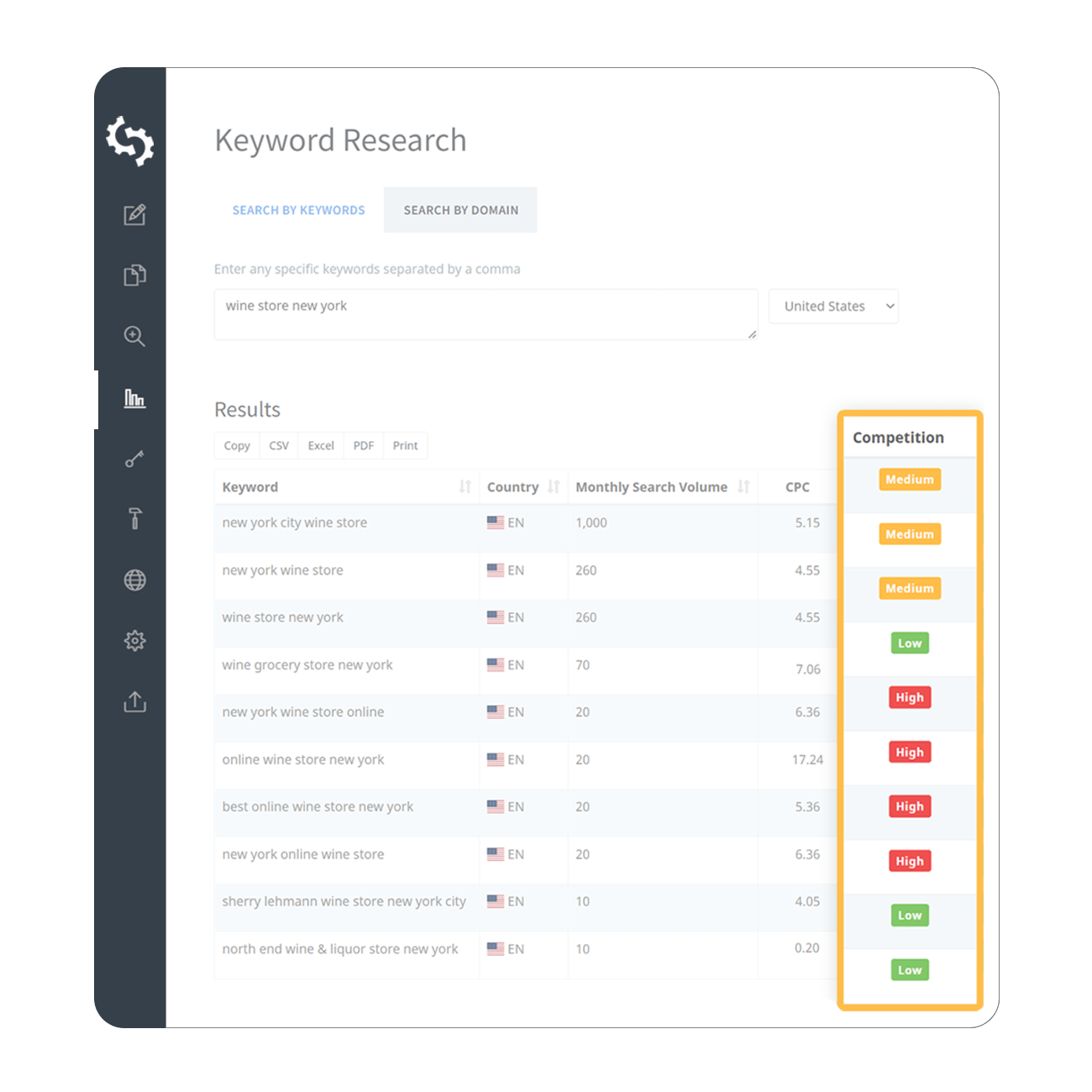
Collez les mots-clés, un par ligne ou séparés par des virgules, ou sélectionnez un fichier .txt ou .csv. Un fichier CSV exporté depuis un outil de recherche de mots-clés est utilisable tel quel : la première colonne est lue, les métriques qui l’accompagnent sont ignorées, et une ligne d’en-tête est détectée puis supprimée.
Les doublons sont supprimés avant le regroupement et signalés, car une liste exportée et fusionnée depuis plusieurs sources en contient généralement.
Le fichier que vous sélectionnez n’est jamais téléversé. Votre navigateur le lit et place son contenu dans la zone de texte ; le fichier lui-même ne quitte donc pas votre appareil : seuls les mots-clés sont envoyés, regroupés, puis supprimés une fois la page affichée.
Pour aller plus loin
Si vous n’avez pas encore de liste, le
outil de regroupement de mots-clés par IA fonctionne dans l’autre sens : indiquez-lui un seul mot-clé de départ et il génère pour vous un ensemble de mots-clés associés à regrouper.