YouTube Description Generator
Optimize your videos with ease using our YouTube Description Generator. Just enter your video topic and target keywords to create an SEO-friendly video description in seconds.
Input
Output
Generated content:
TubeRanker - YouTube SEO and Channel Optimization
Grow your channel with tools that show you what your audience is searching for, where your videos actually rank, and what is holding them back. Research keywords, track positions and audit your channel end to end.

About YouTube Video Descriptions
What the description is actually for
Almost nobody reads a YouTube description in full, which leads people to neglect it. That is a mistake, because the description is the largest block of text attached to the video and it is doing work whether anyone reads it or not.
It has two audiences. The first hundred and fifty characters are for the viewer, since that is what shows before the fold and in search results. Everything after is context for YouTube itself.
Writing for both at once is the whole craft here: a strong opening summary, then the detail, links and timestamps beneath it.
What a complete description contains
- A summary in the opening lines that works as a standalone answer.
- Timestamps, which improve navigation and give YouTube chapter data.
- The natural vocabulary of the subject, without forcing exact phrases.
- Links to the resources mentioned, since viewers hunt for these.
- One clear next step, rather than a wall of channel links.
Common mistakes
- Leaving it empty, or pasting the same boilerplate on every video.
- Opening with social links instead of what the video covers.
- A block of tags and phrases, which helps nothing and reads badly.
- Skipping timestamps on anything longer than a few minutes.
- Links that rot, since descriptions are rarely revisited after upload.
Descriptions, transcripts and AI in 2026
Systems summarising or citing video work from text: the title, the description and the transcript. A description clearly stating what the video answers makes the video usable in those contexts.
It also helps the video surface outside YouTube, where a general search engine has even less to work with than YouTube does.
The most valuable habit is writing the opening paragraph as if it were the answer to the question the video addresses, because increasingly that is exactly how it gets used.
Where the generator helps, and where it does not
It removes the friction that causes most descriptions to end up empty, and it is good at producing a clean summary paragraph from a topic.
It cannot produce timestamps, real links or anything specific to your actual footage, so treat the output as the prose layer and add the structural details yourself.
Using the YouTube description generator
Enter your video topic, pick a tone, and the tool returns a description written around it.
Then front-load the part that matters, add your timestamps and links, and cut anything that is there to fill space.
Where to go next
A description sits alongside a title and a channel. Use the AI YouTube title generator for the video title, the YouTube channel description generator for your channel page, and the AI video script generator for the video itself.
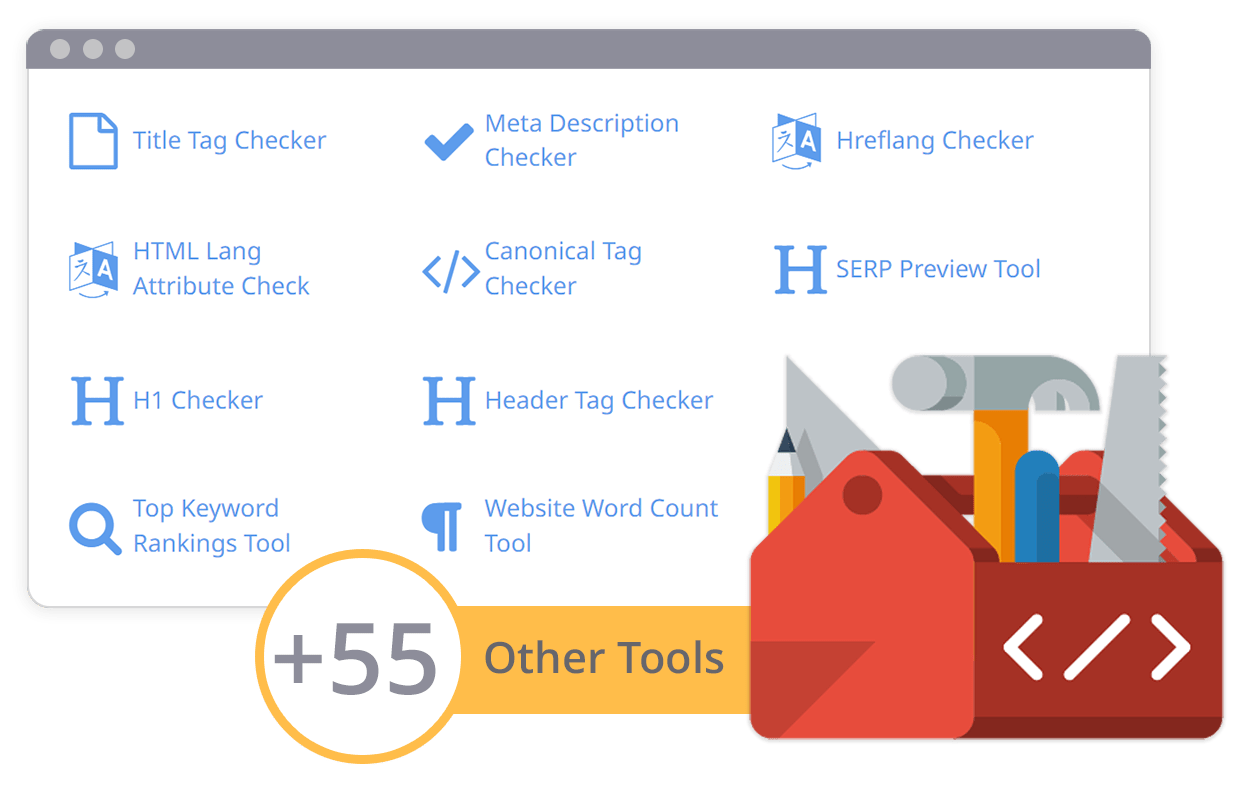
Comprehensive SEO Toolbox with over 55 Tools
Check Titles, Meta Descriptions, Headings, Schema, Core Web Vitals, SSL and Robots.txt. Generate Meta Tags, Sitemaps and .htaccess Rules, minify CSS, JS and HTML, and draft copy with our AI Writing Tools - instantly and for free.